
New Budget Law Threatens to Undercut Hollywood's $750 Million Annual Incentive

News Bilder des Tages December 29, 2020, Los Angeles, California, USA: After the first winter storm, snow-covered the mountains are seen behind the Hollywood sign at Kenneth Hahn State Recreation Area. Los Angeles USA - ZUMAc68_ 20201229_zaf_c68_003 Copyright: xRingoxChiux
News Bilder des Tages December 29, 2020, Los Angeles, California, USA: After the first winter storm, snow-covered the mountains are seen behind the Hollywood sign at Kenneth Hahn State Recreation Area. Los Angeles USA - ZUMAc68_ 20201229_zaf_c68_003 Copyright: xRingoxChiux
Hollywood has long grappled with soaring production costs, from rising labor expenses to expensive location fees, making tax incentives a critical factor in where studios choose to film. In 2025, California appeared to secure its position by expanding its film and TV tax credit program from $330 million to $750 million annually.
Yet a newly signed budget law now threatens to undermine the practical value of that incentive, creating a headache for studios that were counting on California's expanded support.
California gave Hollywood a bigger incentive, then put a cap around it
The controversy centers on SB 122, a state budget measure that changes how businesses can use certain tax credits. The concern for Hollywood is straightforward: a credit awarded to a major production may be worth millions on paper, while the new rules can affect how quickly that value can actually be used.
That distinction matters enormously to studios. California's expanded Film & Television Tax Credit Program 4.0 allocates $750 million annually through fiscal year 2029-30, with the program designed to keep productions, crews and investment in the state. The state has also made the credit refundable at a discounted rate, with refundable credits taken over five years.
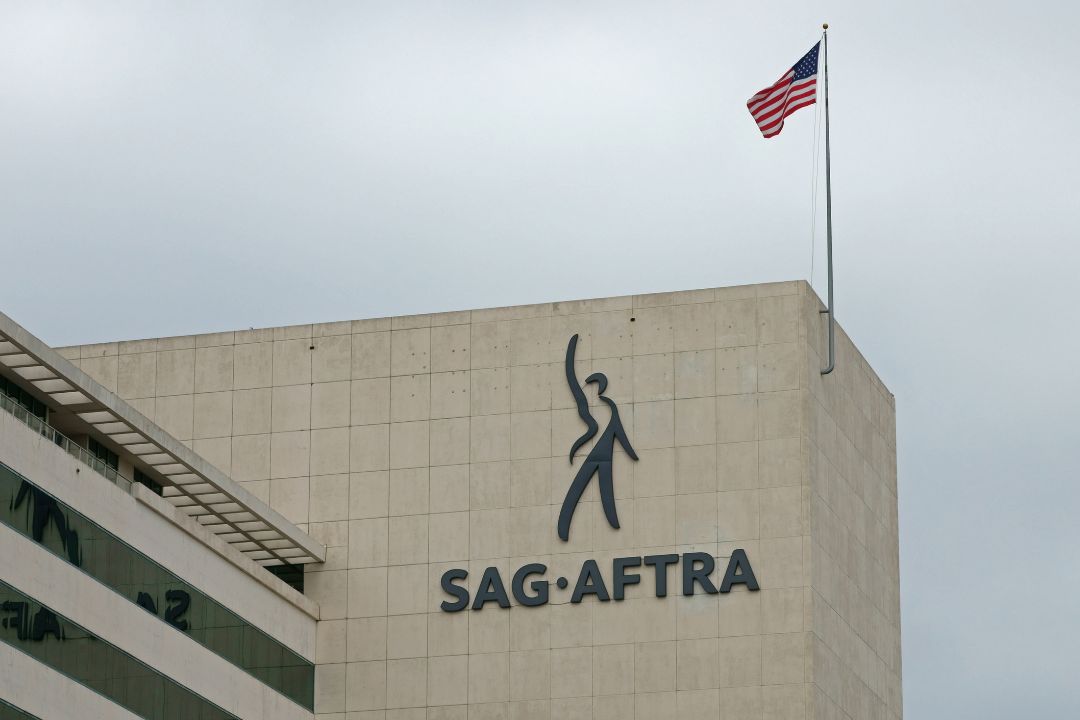
via Imago
Credits: Imago
For Hollywood executives, timing is money. A production company planning a large slate needs to know when an incentive can translate into usable financial relief. Any restriction that delays access to awarded credits can make the headline value of the program feel less attractive. That creates an awkward situation for California.
The state spent years trying to make its incentive competitive with rival production hubs, and the expanded program was presented as a way to bring more filming and jobs home. Now the industry is confronting rules that could make those benefits harder to access at the pace studios expect.

While California wrestles with keeping its incentive competitive, Hollywood's biggest productions are already testing how far their global appeal can stretch.
The Odyssey's test in China
Christopher Nolan's The Odyssey offers a useful reminder of why Hollywood's financial calculations extend far beyond production incentives. The film has already become a major international event, opening to $264.1 million worldwide and delivering the biggest global debut of Nolan's career.

Credits: Universal Pictures
Credits: Universal Pictures
China represents one of the project's biggest remaining tests. The market has become increasingly selective toward Hollywood releases, while domestic productions command a huge share of theatrical revenue. Yet The Odyssey is receiving an unusually substantial rollout, with the film expected to play across nearly 800 IMAX screens alongside thousands of standard cinemas.
That scale matters because Hollywood increasingly needs films capable of travelling across borders. Nolan's reputation gives The Odyssey a powerful advantage, especially after Oppenheimer became a global phenomenon. His earlier Interstellar also remains his strongest performer in China, while Oppenheimer posted a $61 million haul there.

What do you think about California's new tax-credit complications and their potential impact on Hollywood production? Let us know in the comments.

Edited By: Aliza Siddiqui
