
Money Can’t Buy Happiness: Michelle Obama’s Powerful Message Resonates With Jamie Lee Curtis
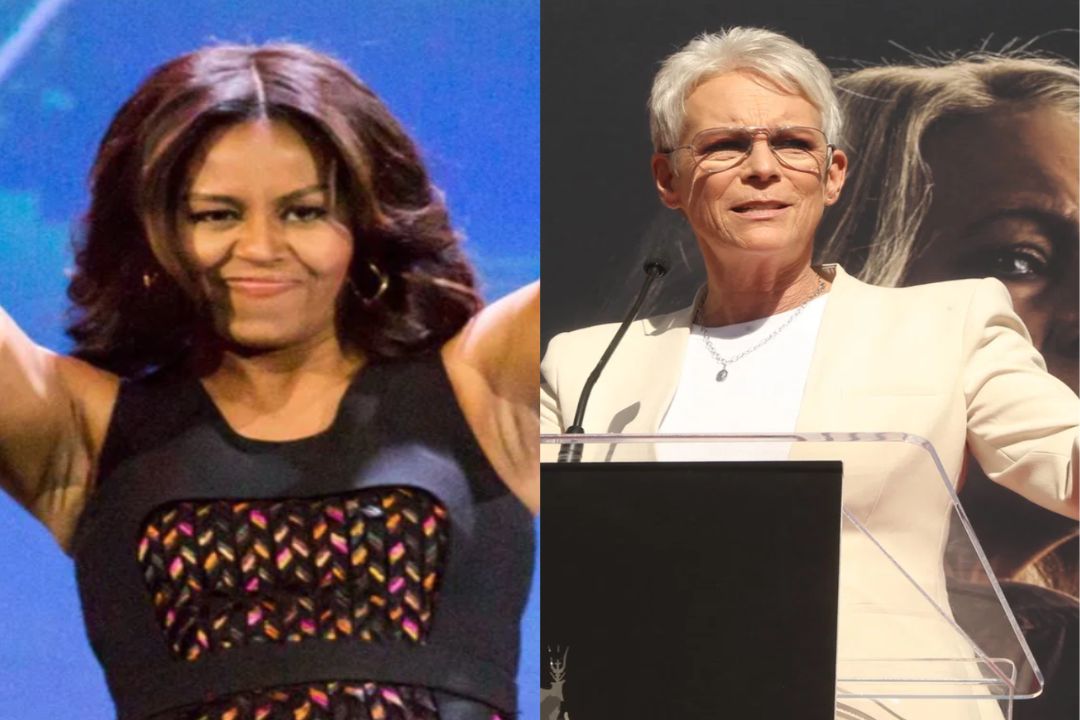
Former First Lady Michelle Obama has long been a vocal advocate for healthy lifestyles and the development of robust self-esteem. Her recent discussions on personality and purpose have found a profound resonance with the philosophical insights of Hollywood veteran Jamie Lee Curtis. Together, they are challenging the traditional definitions of success and urging a return to authentic living. This meeting of minds raises essential questions about what truly constitutes a meaningful life in an era of superficiality.
The conversation between these influential women provides a roadmap for finding fulfillment beyond the glare of the spotlight.
Michelle Obama and Jamie Lee Curtis give powerful insights
ADVERTISEMENT
Article continues below this ad
During an episode of the IMO podcast, Michelle Obama and her brother Craig Robinson hosted Jamie Lee Curtis to discuss the trap of materialism. Obama emphasized that many people confuse purpose with the acquisition of fame and money, which often leads to a decrease in genuine self-worth. She suggested that true contentment comes from working outside the boundaries of superficial success.
"Purpose in this day and age, right now, this moment in time, is fame, money, more. It's all stuff," Michelle Obama noted that the current obsession with more is actually making individuals feel less whole and increasingly unhappy.
“And what they're doing isn't making them happy or whole,” She added.
Jamie Lee Curtis built upon this idea by stating that the most impactful moments are often the simplest ones. She argued that the gratitude of a child or the act of showing up for someone else provides a superior emotional reward. According to Curtis, money and titles cannot buy the lasting impact that comes from selfless service to others.
“Money doesn't buy that impact. Titles don't give it to you. Do something for someone else. Boom! There you go,” Curtis said.
Michelle Obama focused on societal values, and Jamie Lee Curtis also shared how her personal journey toward sobriety reshaped her entire world.
Jamie Lee Curtis reflects on her sobriety journey
In an interview with Hoda Kotb, Jamie Lee Curtis reflected on the profound lessons she has gathered throughout twenty-five years of recovery. She shared that turning sixty-five is a moment of great excitement because it represents a period of total self-acceptance. Curtis is now prioritizing the act of owning it, which involves embracing every aspect of her identity.
A significant milestone in her growth occurred last year when she finally moved past the habit of people-pleasing.
"The best thing I learned last year in recovery was people aren't pleased when you stop people-pleasing", Curtis remarked. This realization allowed her to feel as though a great sage had arrived, granting her the freedom to live without constant external approval.
ADVERTISEMENT
Article continues below this ad
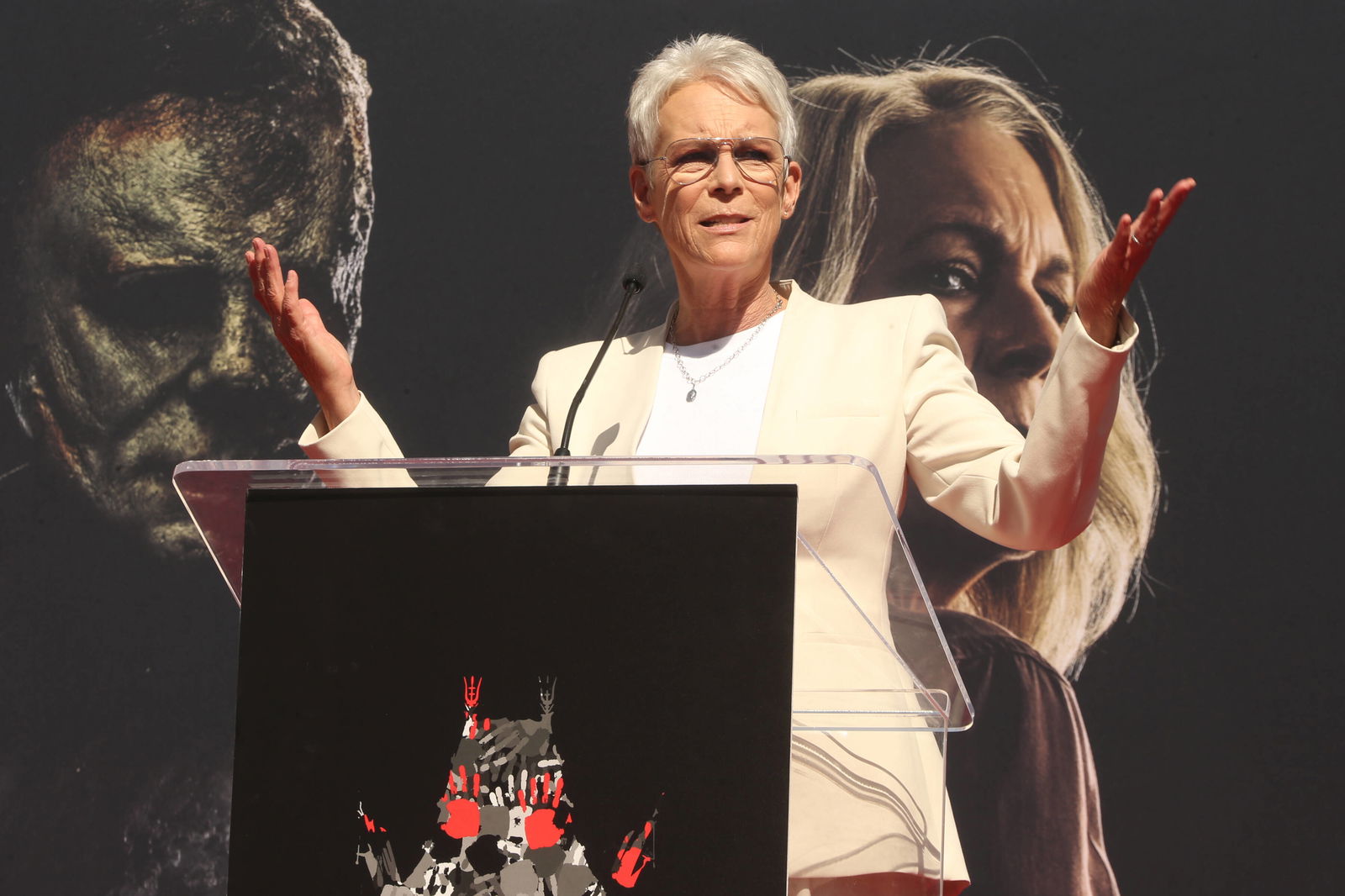
The star believes that the beauty of her current life lies in accepting what she is and what she is not. She views this stage of life as a culmination of growing up and learning from every past struggle. By owning her story, she finds the strength to be authentically herself while encouraging others to seek their own internal peace, promptly agreeing with Michelle Obama's criticism of outward materialism being the apparent source of happiness.
ADVERTISEMENT
Article continues below this ad
What do you think about Jamie Lee Curtis and Michelle Obama's voice regarding money and happiness? Let us know in the comments.
ADVERTISEMENT

Edited By: Adiba Nizami
ADVERTISEMENT
ADVERTISEMENT
