
Meryl Streep Reveals ‘The Barbie Effect’ That Changed ‘The Devil Wears Prada 2’s Fate’ in a Surprising Way
via Imago
Credits: Imago
If pink could file a résumé and stilettos could run a boardroom, this is exactly what it would look like. Barbie and The Devil Wears Prada stand as cultural playbooks for female ambition, one dissecting existential girlhood, the other mastering workplace power. Andy Sachs’ evolution proves ambition requires sacrifice, while Barbie dismantles perfection myths, celebrating identity beyond the male gaze and reclaiming femininity as strength.
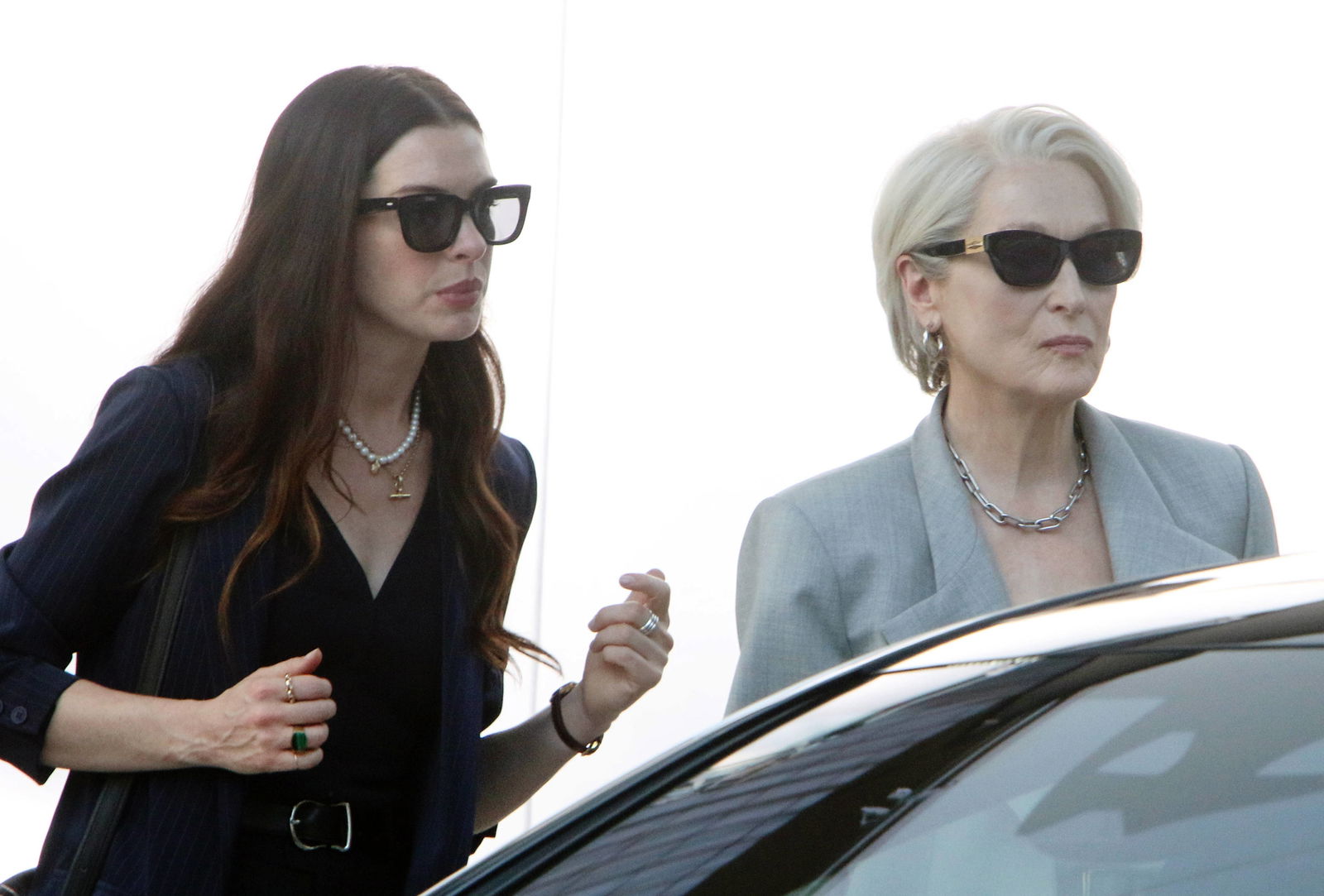
Now, as The Devil Wears Prada 2 moves forward, Meryl Streep confirms that she has to thank Barbie for bringing glamour to the much-awaited sequel.
Meryl Streep reveals how Barbie shaped The Devil Wears Prada 2
ADVERTISEMENT
Article continues below this ad
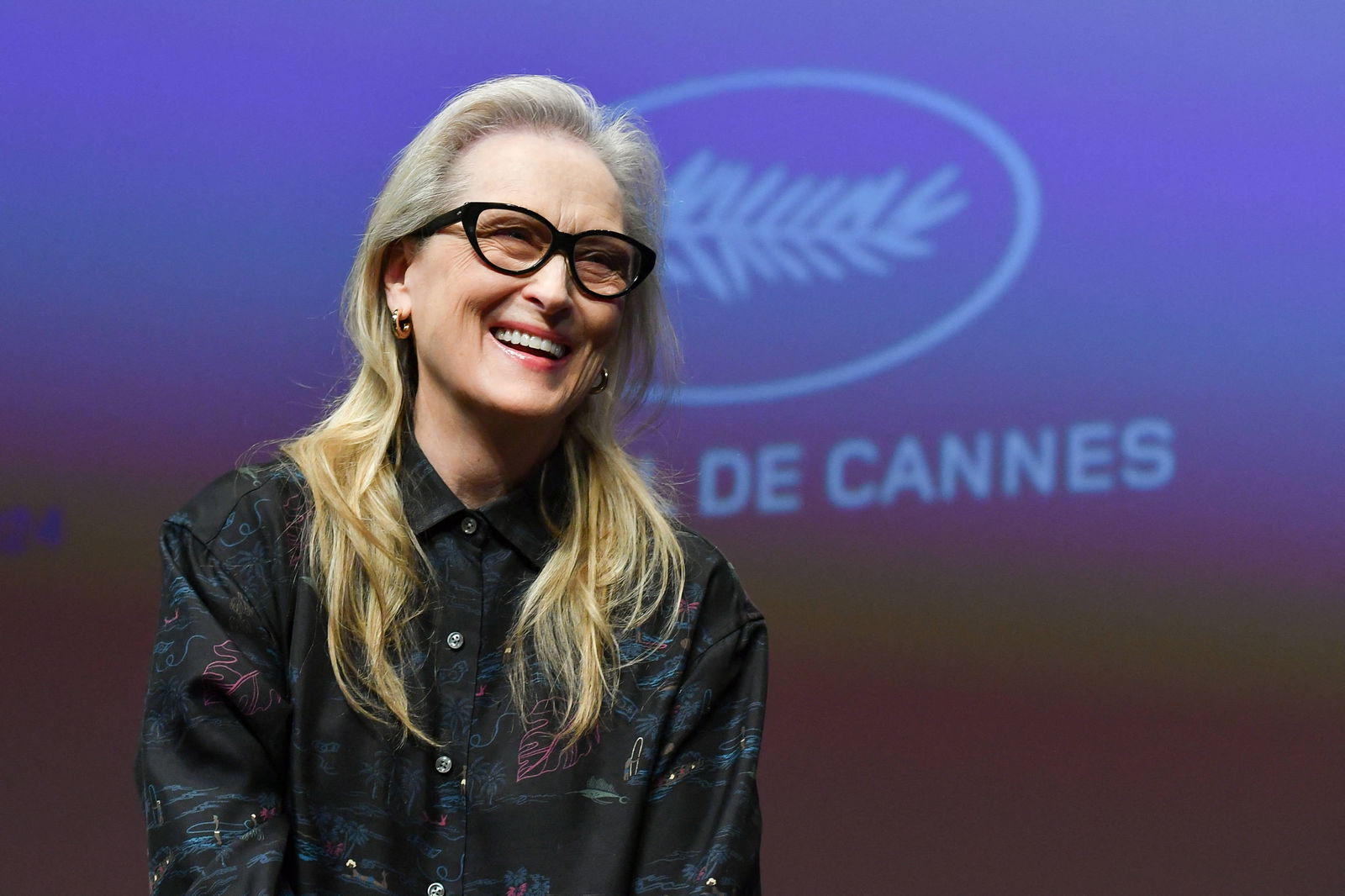
On The Late Show With Stephen Colbert, Meryl Streep looked back at the frenzy around the sequel and the one thing that had changed most: the money. Back when The Devil Wears Prada first arrived, it was brushed off as a chick flick, and that label came with a smaller budget and lower studio expectations. After Barbie proved that women-centered stories could dominate the culture and are worth the investment, the conversation around the sequel felt different.
"This one, honey, they spent the money," she said exuberantly about the sequel. Streep suggested that Barbie helped reshape the way studios think about films led by women, and she also noted that she had spoken with Greta Gerwig about that change. The Devil Wears Prada 2, she implied, is no longer being treated like a modest gamble.

via Imago
Credits: Imago
The numbers quietly tell the same story. Barbie was made on a reported production budget of roughly $128–$145 million, a figure that already signaled strong studio confidence. Now, The Devil Wears Prada 2 is reportedly receiving a far more generous, no-holding-back budget from 20th Century Studios, marking a sharp contrast to the original’s financial hesitation.
While unpacking what defines a great filmmaker, Meryl Streep also traced how Barbie quietly rewrote the playbook for female-driven films.
How Barbie changed the trajectory of feminist movies
Barbie did not merely succeed; it recalibrated what success looks like for female empowerment films. Draped in pink and armed with self-awareness, the film turned a plastic icon into a billion-dollar argument against underestimating women. Its global earnings, crossing $1.4 billion, and Oscar nomination challenged the long-standing belief that women-led stories are niche or financially uncertain.
The machinery behind it was just as precise. With more than 165 brand collaborations, the film transformed feminist language into a coordinated commercial campaign. It was not subtle, but it was effective, aligning empowerment with consumption in a way that audiences willingly endorsed rather than resisted.
ADVERTISEMENT
Article continues below this ad

via Imago
Credits: Imago
Hollywood, being fond of evidence when it is profitable, adjusted accordingly. Female-driven projects began to receive larger budgets and stronger backing, while even Mattel learned to profit from self-critique. It turns out accountability, when packaged correctly, sells rather well. The consequence is already visible in production rooms, as pointed out by Meryl Streep.
ADVERTISEMENT
Article continues below this ad
Do you agree with Meryl Streep's statement about Barbie? Let us know in the comments!
ADVERTISEMENT

Edited By: Hriddhi Maitra
ADVERTISEMENT
ADVERTISEMENT
