
Who Is John Davidson? Meet the Person Behind the Controversy Over BAFTAs 2026 Diversity Coverage
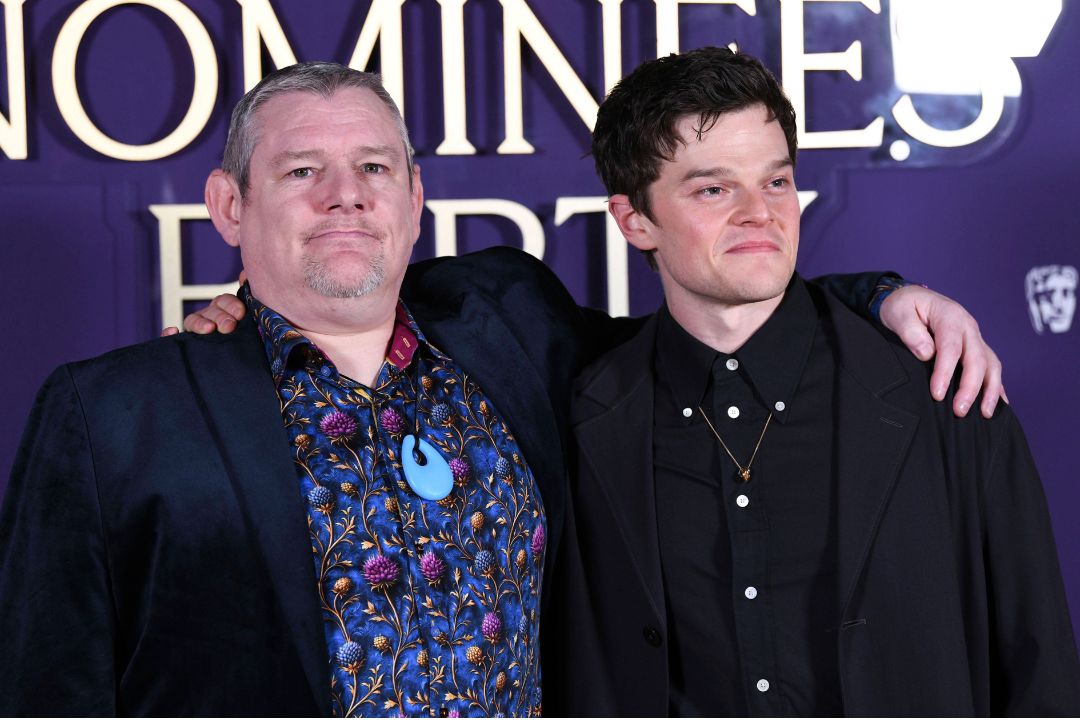
The BAFTAs 2026 arrived like a glittering battalion of glamour and acclaim, dominated by chatter over One Battle After Another, Sinners, Hamnet, and Frankenstein, films that showcased artistry at its peak. For once, conversations were not just about performances but about a tangible shift in representation.
The BAFTAs 2026 diversity triumphs were eclipsed the moment John Davidson made an unavoidable interruption.
Introducing John Davidson
ADVERTISEMENT
Article continues below this ad
John Davidson, born June 1, 1971, in Galashiels, Scotland, is a prominent campaigner for Tourette syndrome awareness. First diagnosed with tics at age ten, he gained public attention through the landmark 1989 BBC documentary John’s Not Mad, which documented his early life and challenges.
Davidson has dedicated his life to advocacy, hosting workshops for schools and police stations to destigmatize Tourette syndrome. His work earned him an MBE in 2019, and he was the subject of the 2025 biographical film I Swear, which chronicled his journey from youth to public campaigner.
At the 2026 BAFTA Film Awards, I Swear received six nominations, with Robert Aramayo winning Best Actor for his portrayal of Davidson. Yet the ceremony took an unexpected turn after Davidson’s involuntary vocal tics, including coprolalia, produced a racial slur during the live broadcast, sparking widespread controversy.
The incident overshadowed discussions of diversity and representation at the BAFTAs 2026, particularly as Black actors Michael B. Jordan and Delroy Lindo were on stage. While the host, Alan Cumming, explained John Davidson's condition twice and asked for the audience's understanding, the BAFTAs came under fire for failing to censor the slurs. Even names like Jamie Fox could not hold back their anger after the incident.

John Davidson’s shocking words became the talk of the web, overshadowing the BAFTAs’ hurried attempts to right their diversity narrative.
How BAFTAs 2026 had upped its diversity game
The 2026 BAFTA Film Awards arrived in London with a carefully choreographed diversity flourish. By expanding voting pools and enforcing strict BFI Diversity Standards, the British Academy signaled that the era of all-white winner lists was to be remembered, not repeated.
Historic milestones punctuated the ceremony. Boong, a Manipuri-language masterpiece directed by Lakshmipriya Devi, claimed Best Children’s and Family Film, triumphing over Hollywood giants. The victory was a deliberate message: stories from outside the English-speaking mainstream had arrived, and the BAFTAs were listening.
ADVERTISEMENT
Article continues below this ad
Recognition of Black talent was front and center. Ryan Coogler earned Best Original Screenplay for Sinners, and Wunmi Mosaku won Best Supporting Actress, affirming the Academy’s renewed commitment to showcasing a broader, more inclusive array of performances, voices, and creative contributions in British and international cinema.
The evening illustrated the BAFTAs’ deliberate, if delicate, pursuit of meaningful diversity. Nevertheless, John Davidson's uncontrollable vocal tics, including a racial slur, stole the spotlight, leaving the ceremony’s ambitious efforts at representation gasping under the weight of unplanned controversy.
ADVERTISEMENT
Article continues below this ad
What do you think of John Davidson's controversial moment at the 2026 BAFTA Film Awards? Let us know in the comments!
ADVERTISEMENT

Edited By: Itti Mahajan
ADVERTISEMENT
ADVERTISEMENT
