
Media Executives Reveal What It Takes to Win Audiences in the Age of AI Slop

News Bilder des Tages December 29, 2020, Los Angeles, California, USA: After the first winter storm, snow-covered the mountains are seen behind the Hollywood sign at Kenneth Hahn State Recreation Area. Los Angeles USA - ZUMAc68_ 20201229_zaf_c68_003 Copyright: xRingoxChiux
News Bilder des Tages December 29, 2020, Los Angeles, California, USA: After the first winter storm, snow-covered the mountains are seen behind the Hollywood sign at Kenneth Hahn State Recreation Area. Los Angeles USA - ZUMAc68_ 20201229_zaf_c68_003 Copyright: xRingoxChiux
AI is changing the industry in more ways than we could have imagined a few years back. It has moved from being just a tool for basic digital cleanup to acting as a core creative collaborator of makers. At the same time, the explosion of generic content has made digital galleries and portfolios increasingly crowded. A few media executives have recently addressed this very issue and what it takes to keep audiences engaged in this new era.
A group of senior media analysts recently explored how Hollywood’s media and entertainment companies are responding to the industry amid the rapid growth of AI.
Media executives take on the AI threat
Clancy Collins White, Simran Sethi, Liz Jenkins, Abhijay Prakash, and Rahul Purini were the experts on the kickoff panel at Variety Entertainment & Technology Summit presented by EY in LA Thursday. Prakash, president of Blumhouse Atomic Monster Blumhouse, thinks short-form, lower-budget creator content could be the first to feel the impact of AI slop, citing Obsession and Backrooms as examples. Prakash stated that these two unexpected blockbusters were not the kind that could be “spat out of algorithms.”
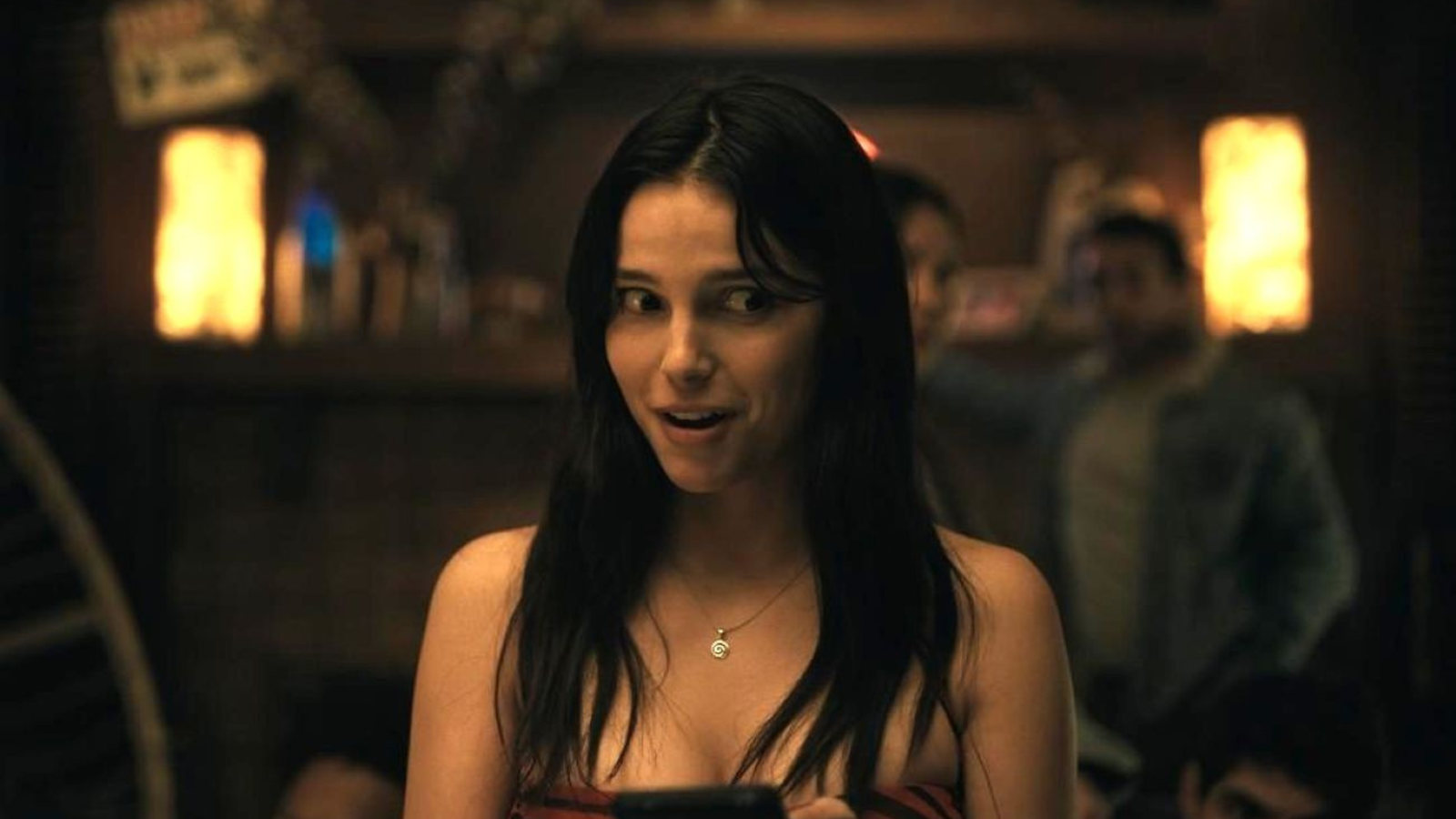
Credits: Universal Pictures
Credits: Universal Pictures
Jenkins, the chief business officer of NBCUniversal Entertainment, meanwhile, believes the content that truly works is that which audiences can connect with emotionally and feel something from. Clancy Collins White, president of creative affairs at Warner Bros. Television, also observed, as per Variety, how the weekly drop format seems to be working better than the binge model, as was the case with The Pitt. (via Variety)

Collins White broke down the success of The Pitt during the discussion, crediting its success in part to a shift away from IP-driven culture.
The Pitt goes against Hollywood’s IP playbook
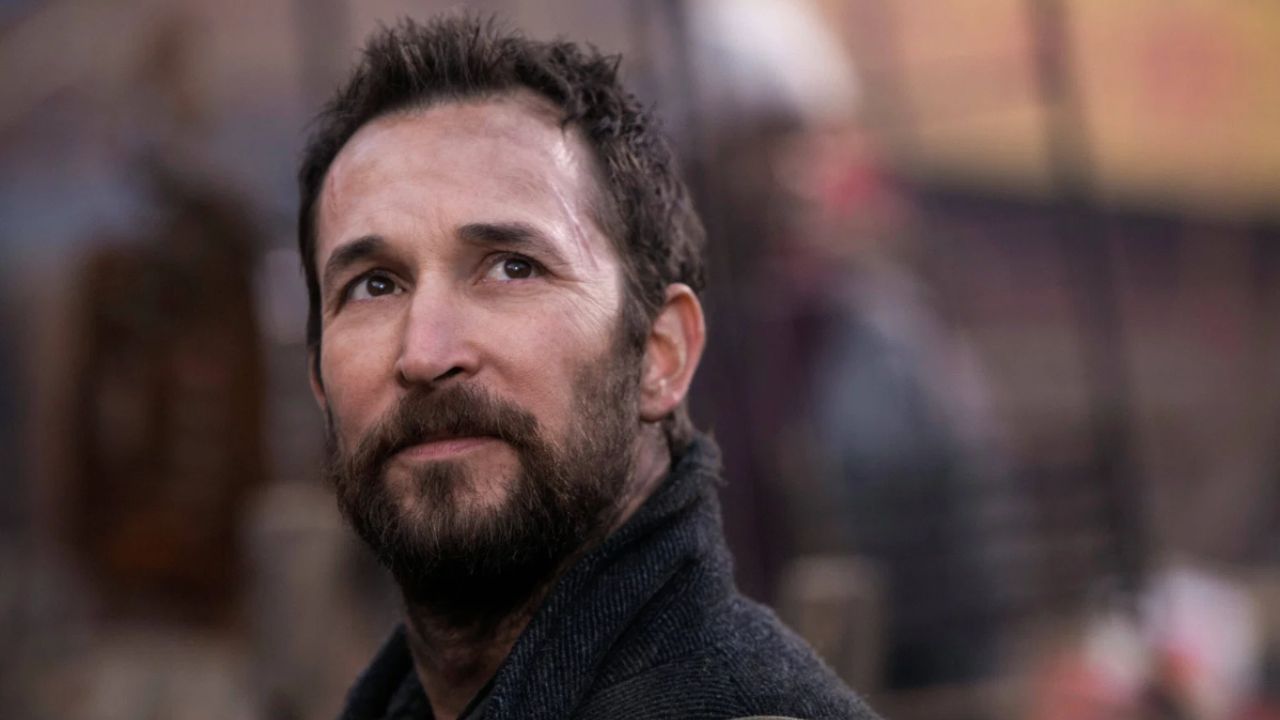
Long before The Pitt became its own series, Warner Bros. and executive producer John Wells were pursuing an ER revival. The two sides spent nearly a year negotiating a formal reboot/sequel with the estate of creator Michael Crichton. The plan was to bring Noah Wyle back to reprise his iconic role as Dr. John Carter. The ER revival eventually hit a wall when negotiations collapsed over rights and creative control.
But instead of abandoning the project, the creators started building a completely original world.

Credit: Warrick Page/HBO Max
Credit: Warrick Page/HBO Max
“At a time when so much emphasis is being placed on IP, it’s an incredibly compelling original idea that, you know, was not a complete reinvention of the wheel,” Clancy Collins White said about the medical drama. By leaving ER behind, the creators found a way to prove that original worlds can still make a powerful connection with audiences.
What do you think about the insightful summit? Let us know in the comments!

Edited By: Adiba Nizami
