
Martin Scorsese-Produced ‘Trees Are Watching’ Gets Roasted at Toronto International Film Festival Over Its Heavy AI Use
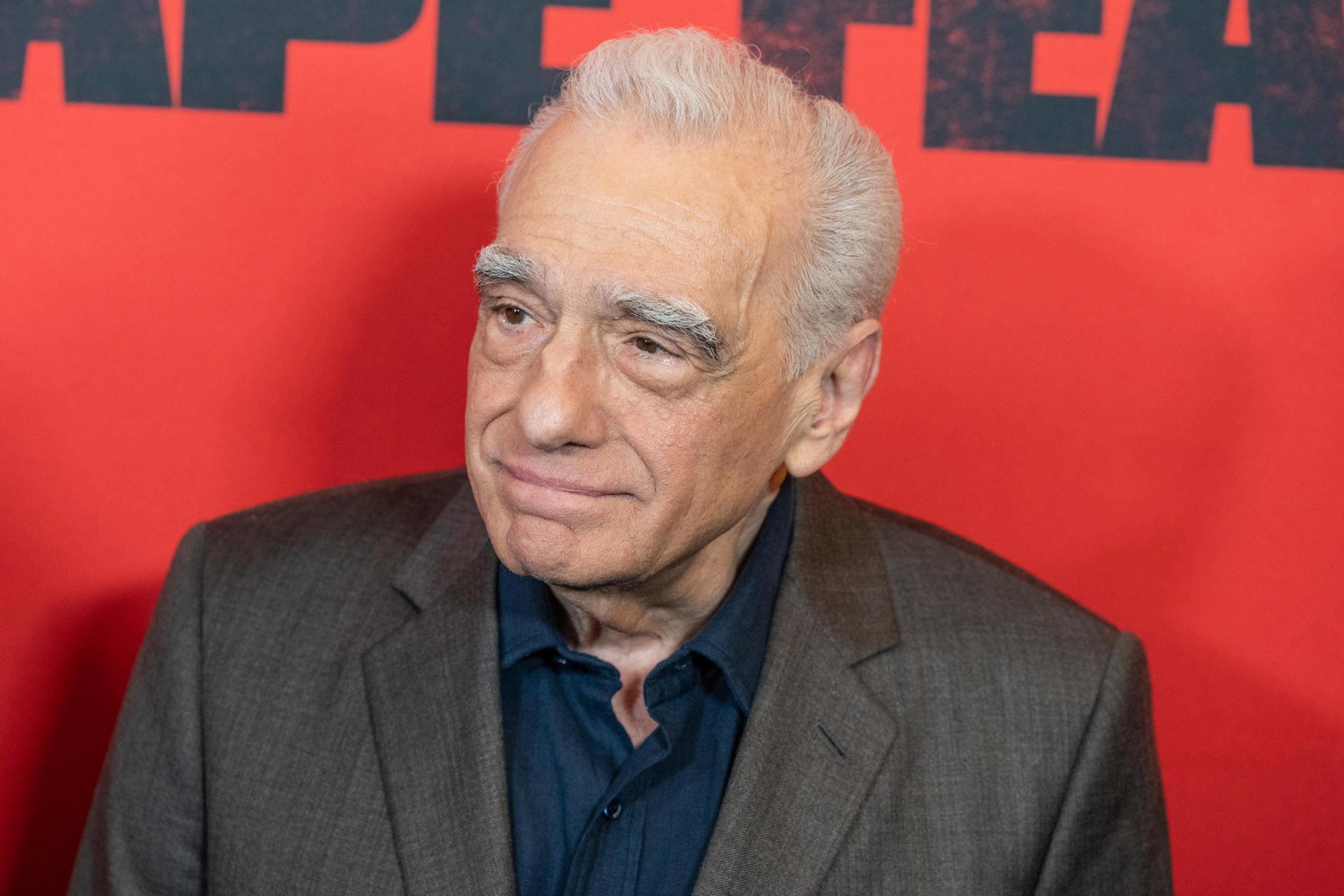
July 21, 2026, Bronx, New York, USA: Martin Scorsese attends Apple TV s Cape Fear Screening and Conversation at DGA Theater in New York, NY on July 21, 2026. Bronx USA - ZUMAr339 20260721_znp_r339_133 Copyright: xLevxRadinx
July 21, 2026, Bronx, New York, USA: Martin Scorsese attends Apple TV s Cape Fear Screening and Conversation at DGA Theater in New York, NY on July 21, 2026. Bronx USA - ZUMAr339 20260721_znp_r339_133 Copyright: xLevxRadinx
Martin Scorsese-produced Trees Are Watching landed at the Toronto International Film Festival and left with a serious drubbing over its heavy use of AI-generated visuals. The Bahman Ghobadi-directed horror film arrived with plenty of pedigree, an Oscar-winning executive producer, a haunting Kurdish legend, and Eva Green anchoring the cast. None of that prestige, though, stopped critics from zeroing in on the one element nobody could look past once the screening ended.
While the festival buzz promised awards season heat, the finished film delivered something far stranger, a lesson in how much artificial intelligence a crowd will actually tolerate.
Trees Are Watching draws heavy backlash for its AI use
Martin Scorsese's Trees Are Watching failed to charm critics at Toronto, with Variety leading a chorus of harsh reviews aimed squarely at its AI-generated footage. Reviewers flagged entire flashback sequences, mythological asides, and transitional visuals as products of generative tools rather than genuine filmmaking. The mismatch between Eva Green's committed performance and the artificial backdrops surrounding her only widened the gap. Even strong child performances could not rescue a film accused of leaning on prompts instead of craft.
via Imago
Credits: Imago
According to the Variety review, the artificial imagery extended well past establishing frames, creeping into overhead footage of trees being felled and long driving sequences meant to underline the story's ecological angle. Adlakha argued that major festivals ought to consider mandatory disclosure, if not an outright pause, before showcasing films leaning this heavily on generative tools. Other outlets were kinder, praising the eerie chair sequences and calling the result an interesting misfire rather than a total failure.
None of this should feel surprising once tracing back to Scorsese's own recent embrace of generative technology.
Martin Scorsese's AI embrace explains the Trees Are Watching fallout
The pattern traces back to June of 2026, when Martin Scorsese revealed his advisory role at Black Forest Labs, a generative AI company founded by former Stability AI researcher Robin Rombach. Scorsese confirmed he had already used the company's FLUX model during preproduction on an undisclosed project, framing the technology as a tool for evolving cinema rather than replacing it. That framing sits awkwardly next to a film he executive produced now facing backlash for the very same technology.
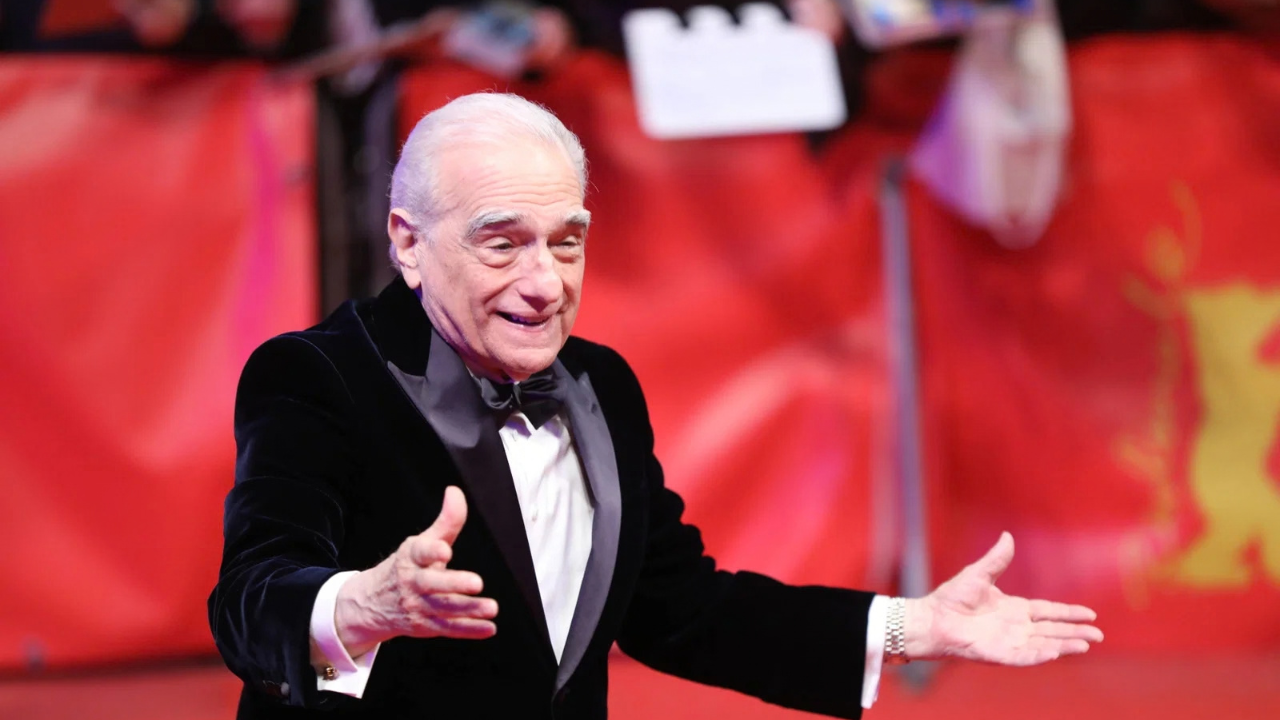
Berlin, Germany, 20 02 2024 Berlinale Palast 74 Berlinale, Red Carpet before the award ceremony of Honorary Golden Bear Martin Scorsese Copyright: xdtsxNachrichtenagenturx dts_31622
Berlin, Germany, 20 02 2024 Berlinale Palast 74 Berlinale, Red Carpet before the award ceremony of Honorary Golden Bear Martin Scorsese Copyright: xdtsxNachrichtenagenturx dts_31622
Scorsese's comments to the New York Times that cinema, being roughly a hundred and twenty-five years old, means the medium must stay open to change drew swift criticism from groups including the Art Directors Guild. Rick Yorn, his longtime talent manager, had reportedly helped cultivate the relationship with Black Forest Labs, having invested in the company himself. Trees Are Watching now stands as the clearest example yet of how that stance plays out on screen, and audiences are not impressed.
What are your thoughts on Martin Scorsese backing a film this reliant on AI visuals? Let us know in the comments.

Edited By: Itti Mahajan
