
Margot Robbie’s Age Gets More Backlash Than Emerald Fennell’s Blasphemous Interpretation of Wuthering Heights

Emily Brontë's Wuthering Heights opens with a Taylor Swift-esque line establishing Heathcliff as trouble when he walks in, right off the bat. Coincidentally, Jacob Elordi could not escape the tradition either, but somehow, Margot Robbie's age takes the fall. Despite monumental inaccuracies, overtly sensual interpolations, and depth forgone, Emerald Fennell's polarizing adaptation of the literary cornerstone has managed to misdirect its warranted backlash.
Any modern screen adaptation from English literature requires a post-colonial lens; however, several critics and defenders seem to converge on gendered and ageist miscasting rather than misinterpretation.
Everything wrong with the Wuthering Heights (2026) backlash
ADVERTISEMENT
Article continues below this ad
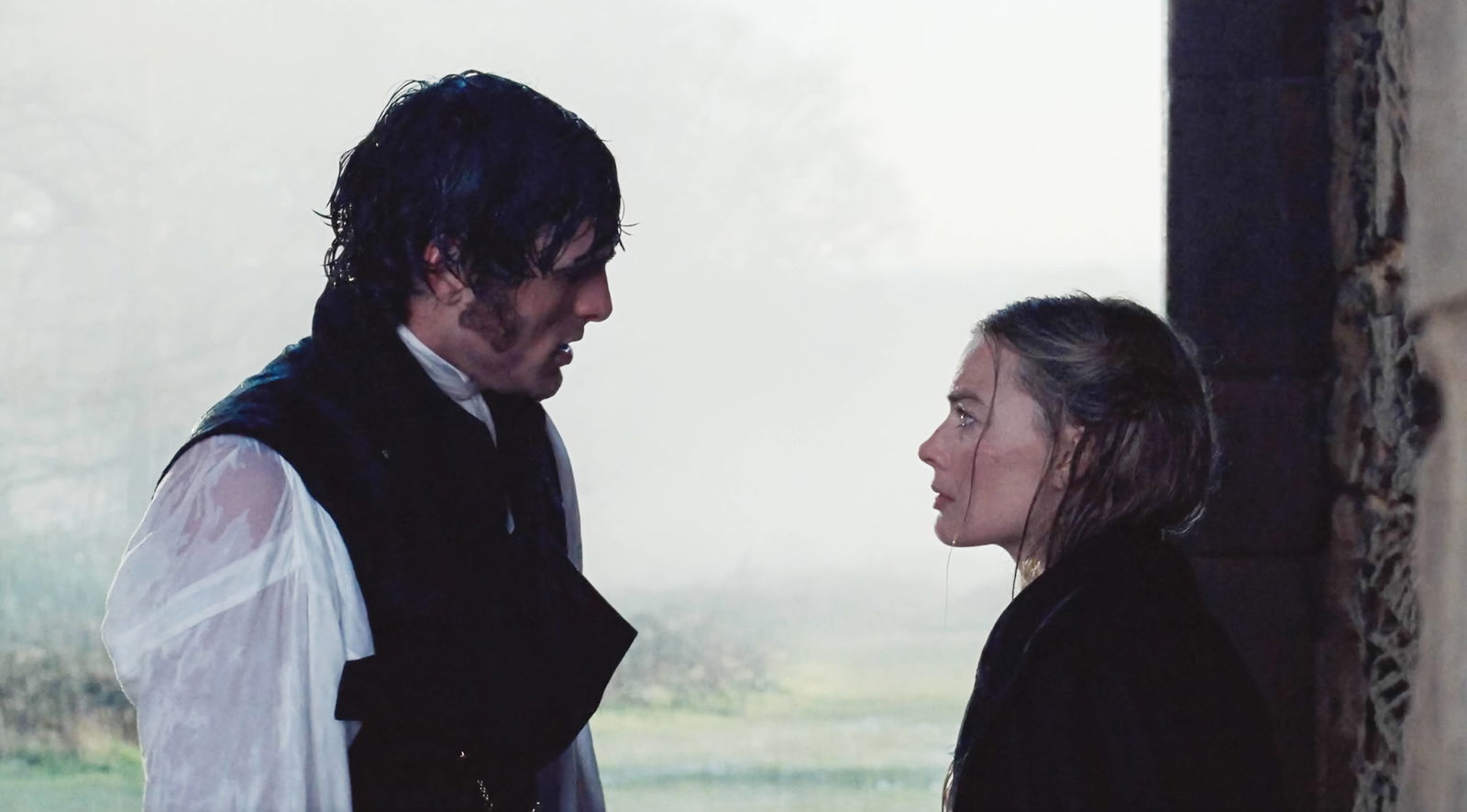
Wind-swept moors meant to inspire agony have fuelled online rage after Emerald Fennell's fan-fictionesque adaptation, Wuthering Heights, flew with its true ominous colors across the screens. But in a plot-twist, the actual blasphemy seems to be overshadowed by an age-related backlash. Margot Robbie has constantly been attacked for, well, being 35, considerably too old to play the originally brunette teenager, Catherine Earnshaw.
The criticism has been targeted at Robbie's age and appearance as a blonde woman in her thirties in Fennell's altered version that changed key elements. Moreover, the 19-year-old Cathy in the novel unlocks nuanced levels of her tragic arc and continues to haunt the narrative in her death. The very fact that adds to the jarring emotional depth of the plot escapes the actress due to scripting diversions.
"A bunch of people telling an 18-year-old, 'Oh, f---, you better hurry up and get married!' That doesn't really hold the same weight to a modern-day audience member," Robbie told USA TODAY, defending her position.
Complaints about age, beauty standards, and too many gowns have populated a large section of social media, overshadowing the discourse on Emily Brontë's violent themes about social, class, and racial conflict and violent revenge, which Fennell seemingly forgot about. The adaptation overindulges romantic elements to simplify the novel's complex social commentary and its intergenerational trauma that unfurls through multiple storylines.
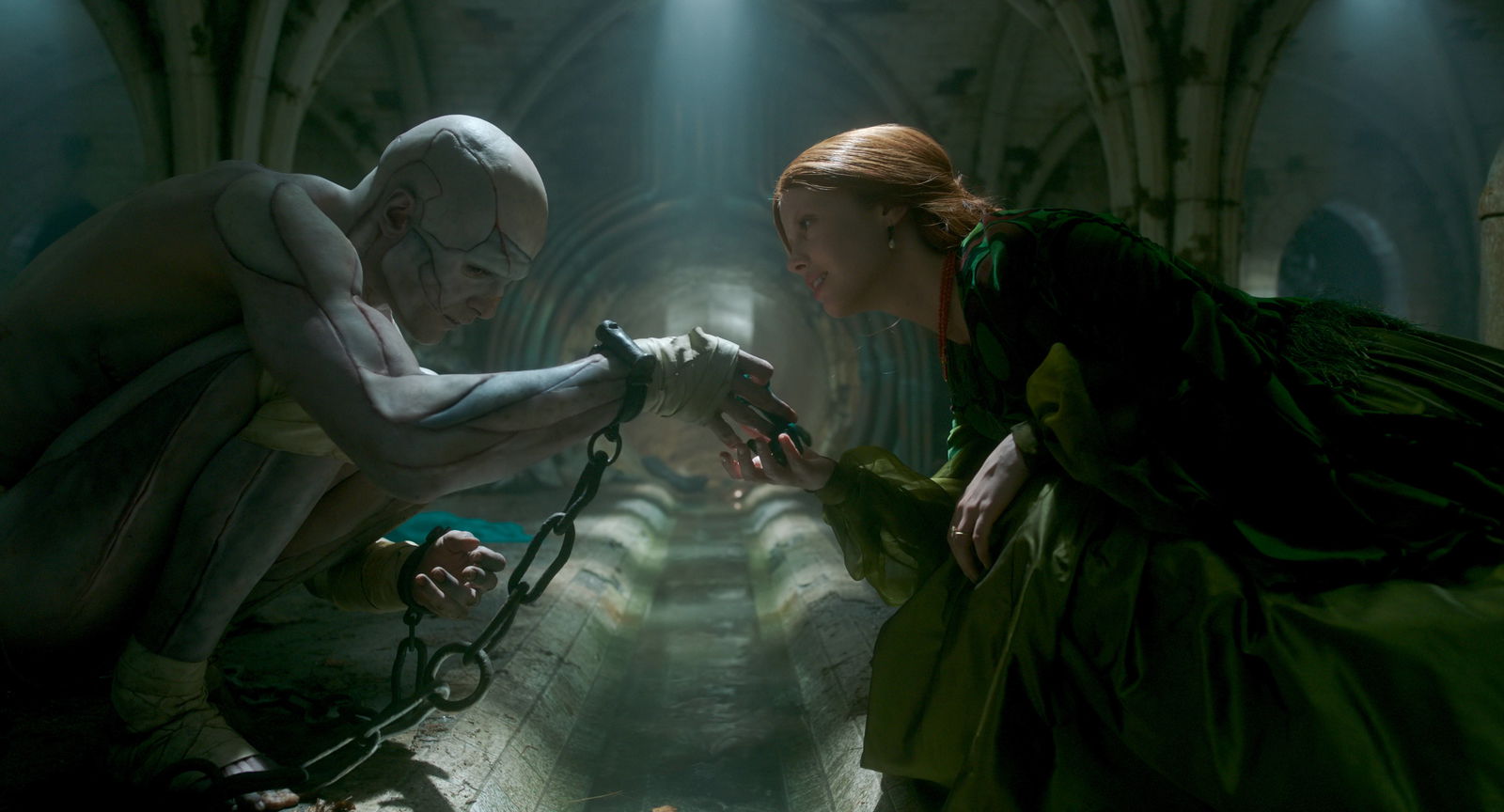
In that sense, hating on Robbie's casting also means simplifying all that is wrong with the deranged adaptation, including Jacob Elordi usurping a dark-skinned Heathcliff and Fennell trying to sell out the great toxic love story into a raunchy crowd-puller.
How to judge Emerald Fennell's Wuthering Heights right?
Margot Robbie on the Today show revealed the film's director created shrines of the leads with locks of their hair, pictures, and candles to channel the doomed gothic energy full throttle. However, Fennell's film divorces such morbid intent by efficiently eliminating crucial thematic elements. When Heathcliff is deprived of his melanin, the plot immediately loses the psychological wounds inflicted by Hindley Earnshaw, and deep-seated colonial hazards and racial crimes.
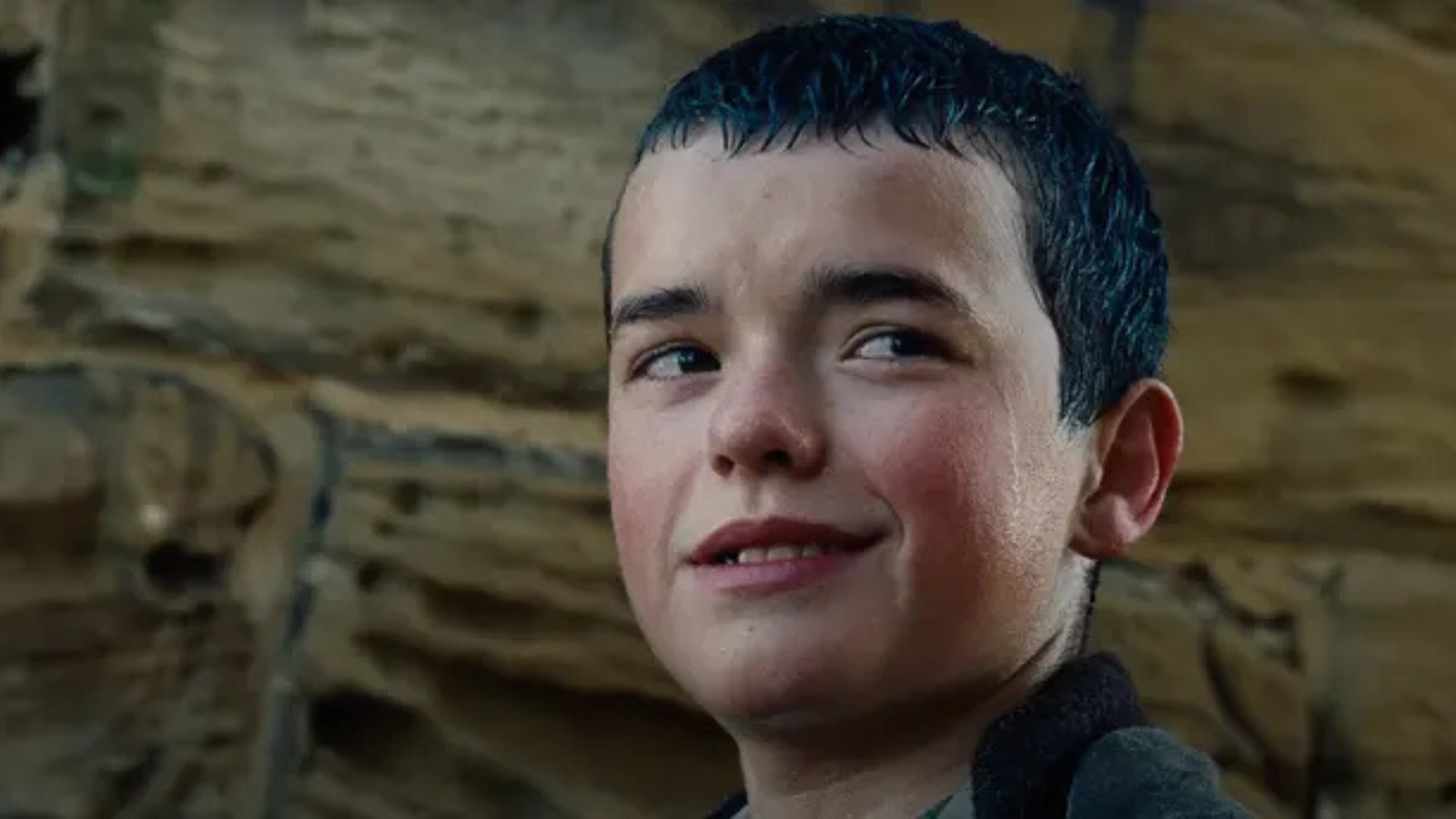
A core part of the 1847 novel is a racially ambiguous Heathcliff's outsider status, contributing to the transgressive romance between him and Cathy, as well as intergenerational child abuse. When an older version of the dark-skinned gipsy, in return, abuses Hindley's son, Hareton, he attains his revenge, or even when he torments his own son, something which could never align with the white Australian actor's portrayal of the character. Why? Peak colonialism during the Victorian era of literature affecting people of color worldwide.
ADVERTISEMENT
Article continues below this ad
Fennell’s adaptation misinterprets Catherine and Heathcliff's extremely selfish, highly obsessive, and violently toxic relationship as a Valentine's Day stimulation. Ideally, Elordi's filmography should have added a treacherous, cruel monster followed by Frankenstein's creature. However, Fennell's watered-down, literally white-washed Heathcliff undermines Brontë's main theme about how racial and societal rejection affect his psychological development and the behavior of every character around him.
Let alone literary purists, any reader of the source would be left shaken by the sheer extent of physical, psychological, and emotional abuse that every page of the book bleeds. No one wants SparkNotes for a literary adaptation, but killing its true essence cannot be deemed faithful. Yet, the visually stunning cinematography of Wuthering Heights (2026) saves the film from total despair, for some may still enjoy it as an extension of Fennell and Elordi's Saltburn. On the bright side, the movie does not truly spoil the book for those yet to read it.
ADVERTISEMENT
Article continues below this ad
What is your opinion of the 2026 reimagining of Wuthering Heights? Let us know in the comments below.
ADVERTISEMENT
Edited By: Hriddhi Maitra
ADVERTISEMENT
ADVERTISEMENT
