
Mads Mikkelsen’s Blunt Response to Diversity Criticism of 2023 Danish Film Resurfaces
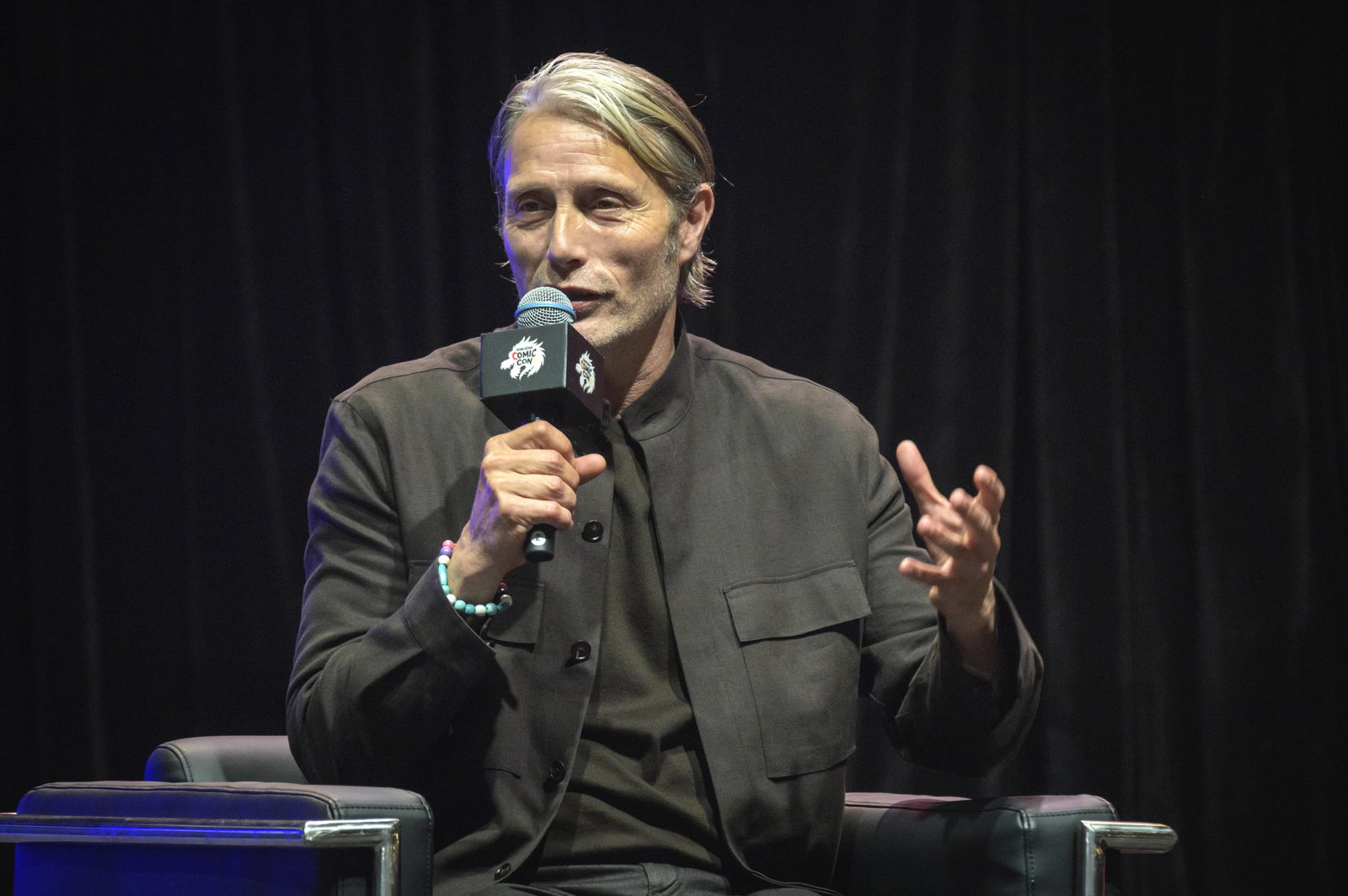
Mads Mikkelsen auf der Hong Kong Comic Con 2026 im Hong Kong Convention and Exhibition Centre. Hongkong, 31.05.2026 *** Mads Mikkelsen at the Hong Kong Comic Con 2026 at the Hong Kong Convention and Exhibition Center Hong Kong, 31 05 2026 Foto:xJ.xRussellx xFuturexImagex comic_con_6600
Mads Mikkelsen auf der Hong Kong Comic Con 2026 im Hong Kong Convention and Exhibition Centre. Hongkong, 31.05.2026 *** Mads Mikkelsen at the Hong Kong Comic Con 2026 at the Hong Kong Convention and Exhibition Center Hong Kong, 31 05 2026 Foto:xJ.xRussellx xFuturexImagex comic_con_6600
Films can stumble into controversies nobody saw coming, and sometimes the audience writes a far stranger sequel than the filmmakers ever intended. David Fincher’s Fight Club satirized consumerism and toxic masculinity, yet some viewers embraced its underground brawling so literally that real-life fight clubs emerged. A story meant to critique destructive behavior became entangled in debates about whether its own message had been dangerously misunderstood.
The same sort of misconception dogged The Promised Land until Mads Mikkelsen and another refreshingly blunt voice cleared the air with humor.
Mads Mikkelsen answers to racial diversity criticism of The Promised Land
Sometimes, a film gets accused of missing the point before anyone bothers to hear the filmmakers out. At the Venice Film Festival in 2023, Mads Mikkelsen and director Nikolaj Arcel faced criticism over the supposedly all-Nordic cast of their historical drama The Promised Land. Mikkelsen met the diversity question with a blunt, amused “What?” before challenging the reporter to answer it himself.
Arcel then brought history into the conversation, pointing out that the film takes place in rural Denmark during the 1750s, when the population was largely ethnically homogeneous. The director argued that historical authenticity mattered to the production, rather than simply assembling a cast to satisfy modern expectations. The setting, he suggested, was hardly something the filmmakers had invented to exclude anyone.
And the film was not entirely without a story about race, either. Arcel highlighted a significant subplot involving a young girl of color who experiences discrimination, reflecting a rarely discussed reality of eighteenth-century Denmark. Between Mikkelsen’s pointed comeback and Arcel’s historical explanation, the filmmakers made it clear that the criticism had overlooked some rather important details.
While the Hannibal debate over whether it works better as a series or a movie rages on, Mads Mikkelsen and Nikolaj Arcel found industry support for their response to The Promised Land diversity question.
Why the racial diversity criticism was overruled by the others?
Mads Mikkelsen and Nikolaj Arcel were not the only ones questioning the logic behind the diversity criticism of The Promised Land. Supporters of the filmmakers’ response pointed out that the journalist had overlooked how the Academy of Motion Picture Arts and Sciences’ Best Picture inclusion standards actually work. Films need to satisfy two of four criteria, meaning an ethnically homogeneous cast does not automatically disqualify a production.
The standards also consider creative leadership, crew representation, industry opportunities, and audience development, giving productions several ways to qualify without meeting on-screen diversity criteria. South Korean film Parasite, for instance, demonstrates why international productions cannot be judged by casting alone. Ultimately, the criticism aimed at The Promised Land overlooked both the Academy’s flexible eligibility rules and the historical context defended by its filmmakers.

What did you think of The Promised Land team's response to racial diversity critcisim?

Edited By: Adiba Nizami
