
'Lanterns' Episode 3 Outrage Explained: Why Are Fans Hating on John Stewart's Story?
Credits: Jack Johnson/HBO
Credits: Jack Johnson/HBO
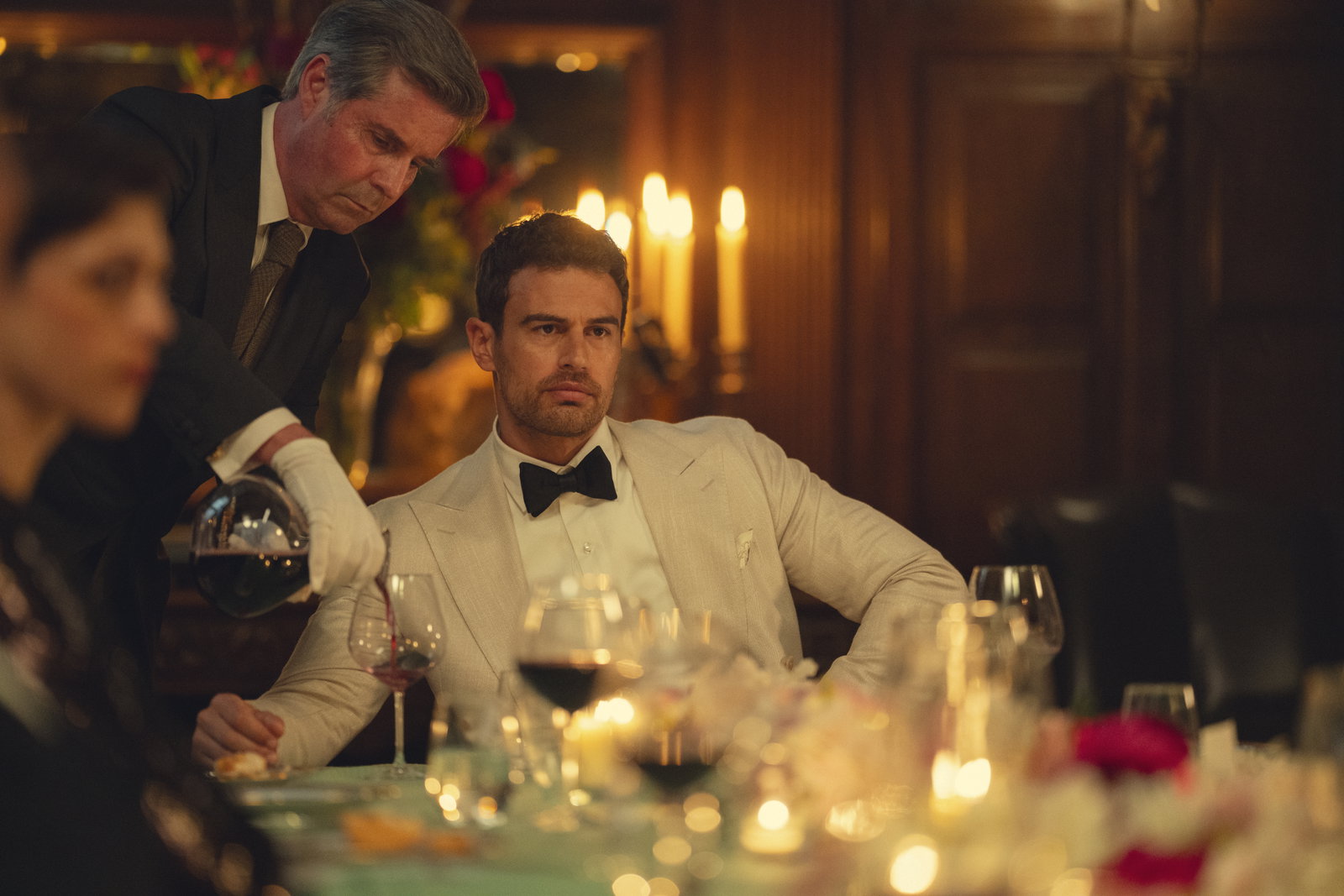
Lanterns Episode 3, titled OutKast, makes a dramatic departure from the murder mystery that has driven the series so far. Rather than continuing the investigation into Hal Jordan’s death, the episode becomes an extended origin story for John Stewart. Through a Guardian’s interview, the story moves from John’s infancy to his parents’ intense attempt to prepare him for the Green Lantern ring, his military career, his time as a Marine, and his eventual move into art school.
It even changes how John becomes a Lantern, making his journey deeply connected to his father’s failed selection. That bold reinvention has divided viewers sharply, with some praising the character work while others are calling the episode woke.
And accusing it of forcing a political message into the mythology.
ADVERTISEMENT
Article continues below this ad
Why are fans calling John Stewart’s story woke?
The backlash largely comes from the OutKast episode’s treatment of race and the idea that John’s family believes Black Americans are forced to experience fear differently. The criticism became especially loud online after viewers realized that the episode was rewriting a major part of Green Lantern history around that theme. Some detractors argue that the story implies Hal Jordan received his ring because his whiteness gave him an easier path through life, while John’s father failed because his experiences made fear unavoidable.
Credits: Credit: John Johnson/HBO
Credits: Credit: John Johnson/HBO
The controversy also comes from the episode’s deliberate shift toward Watchmen-style social commentary. The creative team has openly discussed studying the response to HBO’s Watchmen, another Damon Lindelof production that placed race and American history inside a superhero narrative. Writer Vanessa Baden Kelly said she encountered fans using panels from 1970s John Stewart stories to accuse Lanterns of being “woke.” Her reaction was that those comics demonstrated John had been politically engaged and outspoken from his introduction.
There is another legitimate point behind the backlash: this is a substantial alteration of John’s mythology. The series gives him an origin created specifically for this adaptation, rather than simply transferring his established comic history to television. Baden Kelly explained that the writers felt John’s backstory offered less existing material than Hal’s and wanted to explore what becoming a Black Green Lantern could mean in a modern setting.
That does not automatically make the episode a political lecture. It does explain why viewers who expected a straightforward superhero origin may have felt blindsided by its priorities. The disagreement is therefore partly about politics, but also about adaptation, pacing, and whether such a radical rewrite belongs in the show.
The controversy becomes easier to understand once the episode’s actual story is separated from the interpretation spreading across social media.
What actually happens in OutKast?
The episode begins with adult John Stewart falling into a pile of mattresses inside an abandoned shopping mall before entering a mysterious office. A seemingly ordinary woman, played by Laura Linney, asks him to wait. John remains there through the night because he was given an instruction and refuses to leave. She is eventually revealed as a Guardian of the Universe, and the entire conversation becomes a framework for examining the life that brought John to this point.
Credits: John Johnson/HBO
Credits: John Johnson/HBO
The flashbacks reveal that John’s father, John Stewart Sr., was actually approached by the Green Lantern ring before Hal Jordan. When the ring asks whether he is afraid, John Sr. answers honestly and fails the test. That moment devastates the family. A Guardian later tells Bernadette that the qualities drawing the ring to her husband exist within John as well, prompting his parents to begin an extraordinary program designed to eliminate fear from their son.
This is where race becomes important, but the episode is presenting Bernadette’s worldview rather than declaring it an objective rule of the Green Lantern Corps. She challenges the Guardian over whether it is fair to demand complete fearlessness from a Black man in America. The writers connect that fear to the historical pressures surrounding Black life, then show Bernadette responding by training John relentlessly. She teaches him to endure pain, handles weapons training, and subjects him to terrifying tests intended to ensure that fear will never stop him from obtaining the ring.
So, is the show saying Hal got the ring simply because he was white? The episode does not establish that as a rule of the mythology. Instead, it dramatizes why Bernadette believes her husband was disadvantaged by fears shaped by his environment. John Sr. is also shown as a fundamentally decent father who is frightened because he has people to lose. The irony is that qualities making him courageous in ordinary life become liabilities under an alien test designed around fearlessness.

To understand why this idea feels so controversial today, it helps to remember that John Stewart was created during a period when superhero comics were already confronting race head-on.
John Stewart was born from a very political era
John Stewart was introduced in Green Lantern #87 in 1971, created by writer Dennis O’Neil and artist Neal Adams. The character arrived during a period when the civil rights movement, Black Power politics, and social unrest were reshaping American culture. DC itself has acknowledged that O’Neil and Adams used their Green Lantern/Green Arrow run to tackle subjects such as racism, drug abuse, and social injustice.
Credits: John Johnson/HBO Max
Credits: John Johnson/HBO Max
One year before John’s debut, Green Lantern/Green Arrow #76 famously confronted Hal Jordan with a question about why he had helped people of different alien “skins” while seemingly overlooking Black Americans. Hal’s response was that he had no answer. DC identifies the sequence as part of O’Neil and Adams’ socially conscious storytelling, making it difficult to argue that race suddenly entered Green Lantern mythology with the HBO series.
That history matters because Episode 3 is doing something intentionally connected to John’s original cultural context. Baden Kelly has pointed to the 1970s comics when responding to accusations that the series invented a political John Stewart. She noted that the original character was already outspoken, connected to Black political consciousness, and willing to challenge authority. DC similarly describes Stewart’s debut as a major moment for Black representation in superhero comics.
ADVERTISEMENT
Article continues below this ad
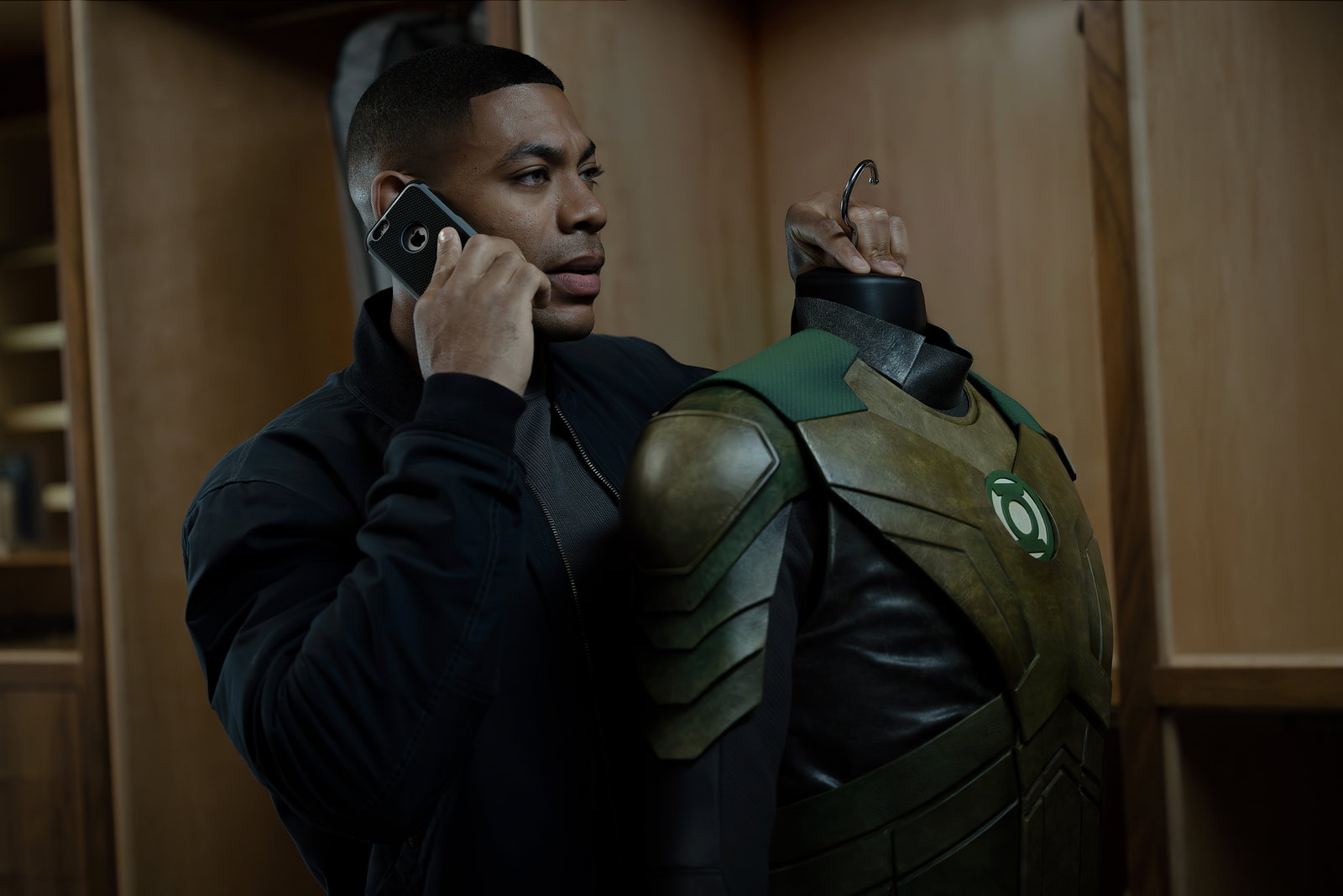
The HBO series still creates a radically different personal history. In the comics, John was introduced as a college graduate and architect, while later adaptations, especially the Justice League animated series, strongly associated him with military service. Lanterns folds those traditions together by making him a Marine who later attends art school. His artistic background also explains the elaborate precision of his ring constructs, giving his creativity a direct place in his superhero identity.
That is ultimately why OutKast has generated such a fierce response. The episode does not merely introduce John Stewart. It asks why this particular man became worthy of the ring and places that question inside his family history, military conditioning, artistic identity, and racial experience. Some viewers see that as thoughtful character development. Others see it as an unnecessary political rewrite.
ADVERTISEMENT
Article continues below this ad
What do you think about Lanterns Episode 3? Is John Stewart’s new origin a meaningful expansion of the character, or did the series push the social commentary too far? Let us know in the comments.
ADVERTISEMENT

Edited By: Aliza Siddiqui
More from Netflix Junkie on Hollywood News



ADVERTISEMENT