
Kevin Feige’s Hulk Size Problem: Every Time MCU Nerfed Mark Ruffalo’s Green Giant
Credits: Marvel
Credits: Marvel
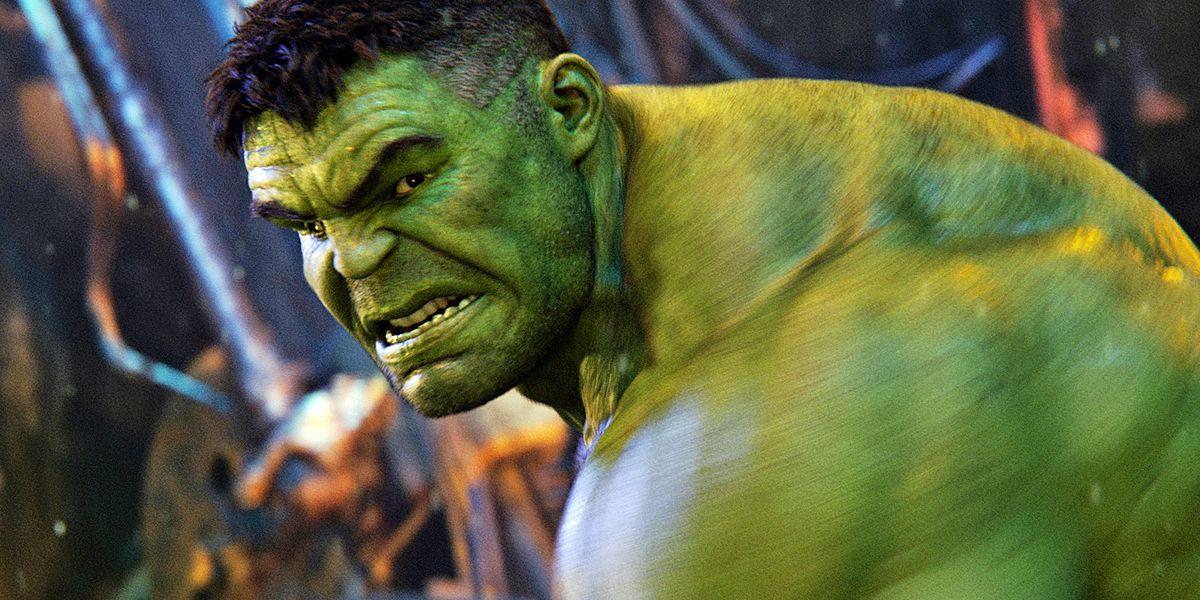
Ever since Mark Ruffalo inherited the role of Bruce Banner in the Marvel Cinematic Universe, his Hulk has been positioned as one of Earth's most powerful heroes. Yet, as the MCU expanded, many fans began noticing a recurring trend: whenever Marvel needed to establish a new threat or elevate another hero, Hulk often ended up on the losing side.
From devastating defeats to personality shifts that softened his edge, the character's evolution has sparked years of debate about whether Marvel Studios, and by extension Kevin Feige, gradually shrank the Hulk's larger-than-life presence.
The Avengers (2012): Hulk's first reality check
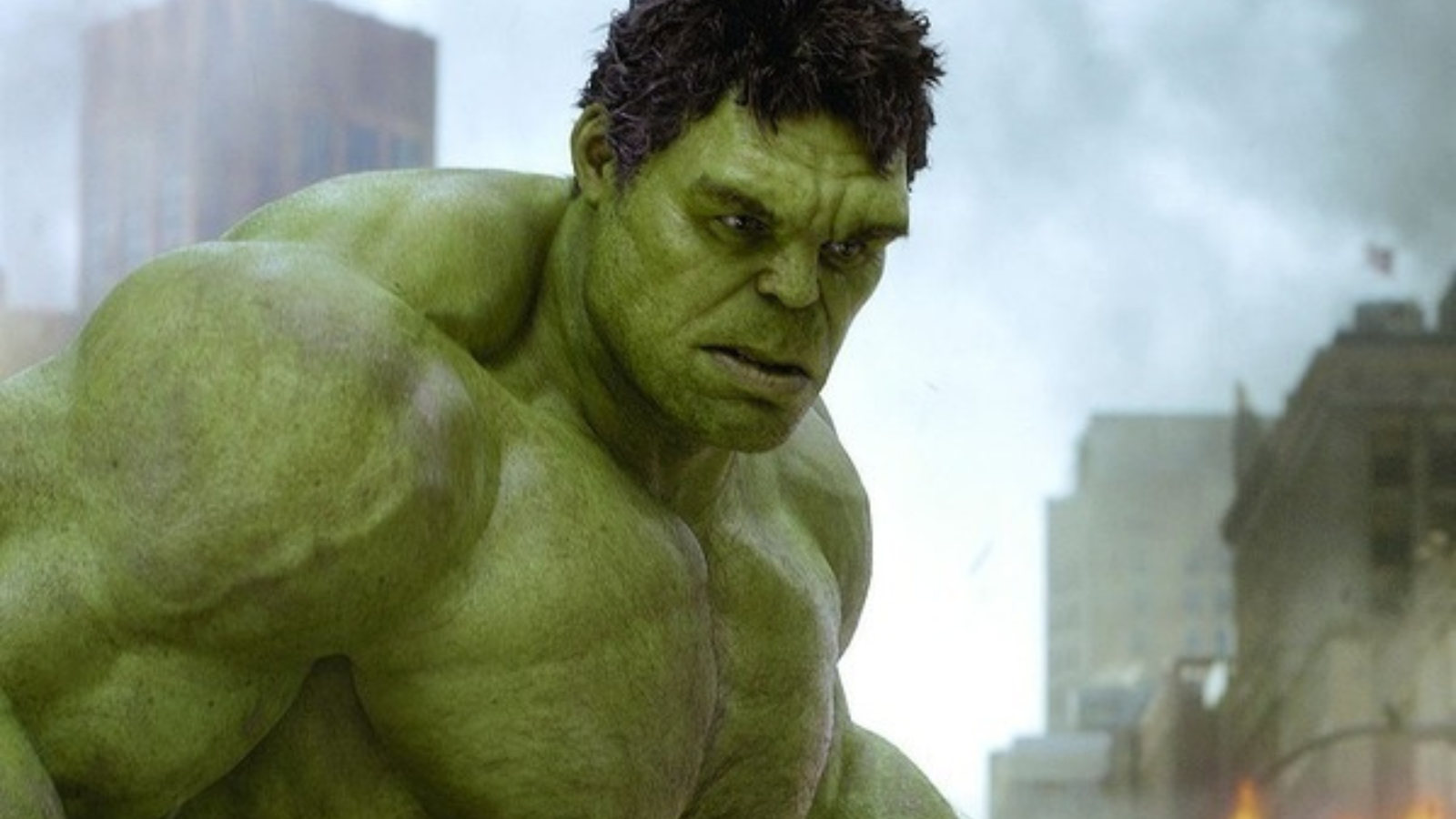
Although The Avengers cemented Hulk as one of the team's biggest weapons, it also planted the seeds for later debates about his power level. During the Helicarrier sequence, Hulk battles Thor in a clash fans had dreamed of seeing, but the fight never establishes Bruce Banner's alter ego as unquestionably superior. Instead, Thor matches him blow for blow, reinforcing that Hulk is powerful but not invincible.
Credits: Marvel
Credits: Marvel
The film also introduced emotional vulnerabilities that would define Banner for years. Black Widow's calming influence and Banner's struggle to control the monster inside him showed that Hulk's greatest weakness was not physical strength but Bruce's own emotional state. While these choices added character depth, they also hinted that Hulk could be neutralized without someone actually overpowering him.
Avengers: Age of Ultron (2015): Hulkbuster wins the day
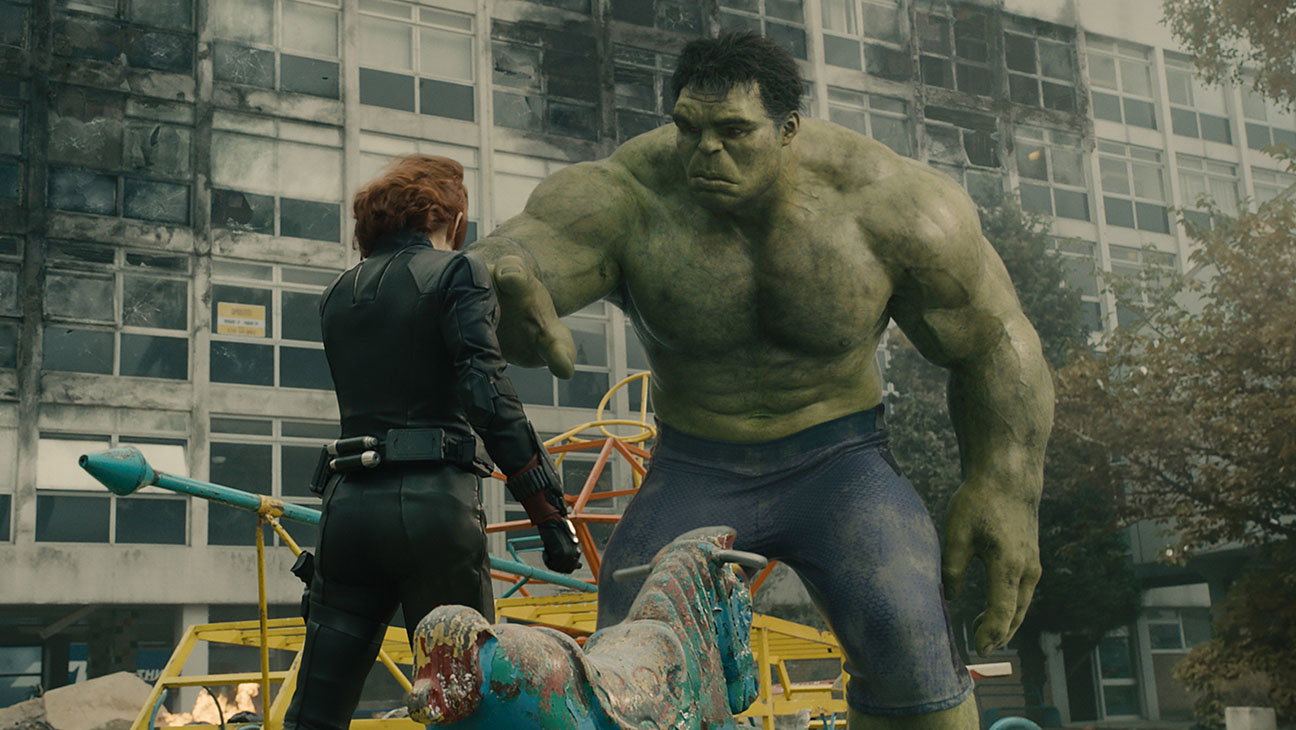
Perhaps no fight better represents the MCU's changing approach to Hulk than his battle against Iron Man's Hulkbuster armor. After Scarlet Witch manipulates Bruce Banner's mind, Hulk tears through Johannesburg, forcing Tony Stark to deploy his specialized armor. The sequence also marked the first time the MCU framed Hulk less as an unstoppable hero and more as a destructive force that needed to be contained, even if it meant another Avenger stealing the spotlight.
Credits: Marvel
Credits: Marvel
The sequence remains one of Marvel's most spectacular action scenes, but it ultimately ends with Hulk being subdued by technology. Rather than reaffirming Hulk as an unstoppable force, the film demonstrated that enough preparation and engineering could bring him down. For many viewers, this was the first major instance of Hulk being used to make another hero look even more impressive.
Thor: Ragnarok (2017): Champion of Sakaar but not for long
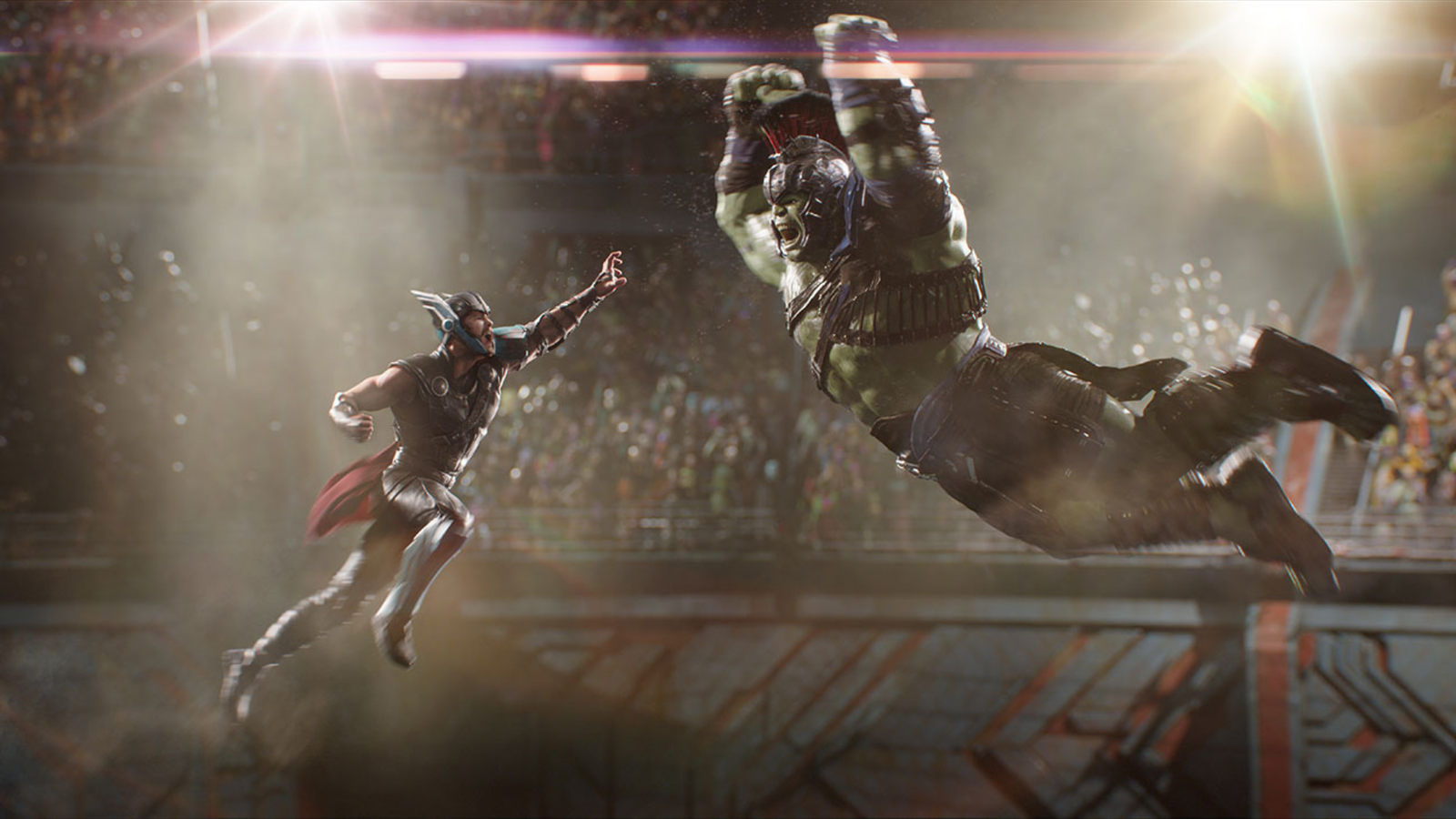
By the time audiences reunited with Hulk on Sakaar, he had spent years undefeated as the Grandmaster's champion. His gladiator status suggested he had reached a new level of dominance, making his rematch with Thor one of the film's biggest attractions. Many fans expected the arena battle to reaffirm Hulk as the MCU's strongest physical force, making the eventual shift in momentum all the more surprising.
Credits: Marvel
Credits: Marvel
Although Hulk overwhelms Thor early in the fight, the tide shifts once Thor unlocks his lightning abilities. Before the battle reaches a definitive conclusion, the Grandmaster intervenes, preventing Hulk from securing a clear victory. Combined with Banner taking over for much of the film's final act, Hulk's aura as the galaxy's ultimate powerhouse was once again diminished in favor of Thor's growth.
Avengers: Infinity War (2018): Thanos breaks the Hulk
The opening minutes of Infinity War delivered one of the MCU's most shocking moments. Hulk confidently attacks Thanos aboard the Asgardian ship, only to be thoroughly outclassed by the Mad Titan in hand-to-hand combat. Without relying on flashy abilities, Thanos defeats Hulk through superior technique and overwhelming strength.
Credits: Marvel
Credits: Marvel
That loss has lasting consequences throughout the movie. Traumatized by the encounter, Hulk refuses to emerge for the remainder of the story, forcing Bruce Banner to fight in the Hulkbuster armor instead. Rather than seeing Hulk seek revenge, audiences watched him disappear entirely, making this the moment many fans identify as the character's biggest turning point.
Avengers: Endgame (2019): The rise of smart Hulk
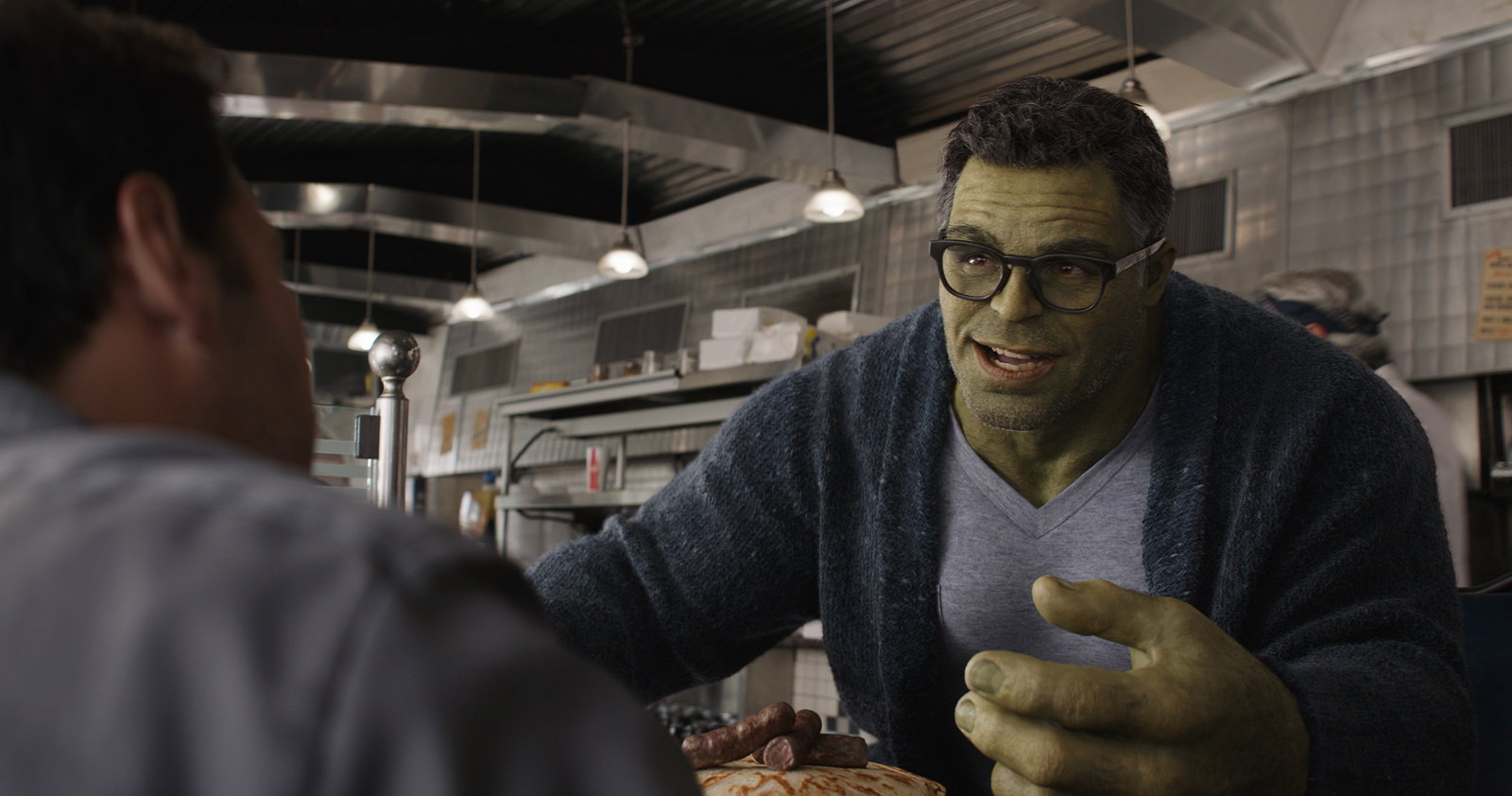
Five years later, Bruce Banner returns having merged his intellect with Hulk's body to create Professor Hulk, or Smart Hulk. While the transformation solved Banner's internal conflict, it fundamentally changed the character's identity. For many longtime fans, the off-screen transformation also felt abrupt, replacing the unpredictable rage monster with a calmer, more restrained version that rarely showcased Hulk's overwhelming strength.
Credits: Marvel
Credits: Marvel
Smart Hulk plays a vital role by wielding the Infinity Gauntlet and reversing Thanos' Snap, but the savage rage that once defined the character is largely absent. Instead of charging into battle as Marvel's ultimate powerhouse, he becomes a calmer, more comedic presence. Many fans appreciated the character development, while others felt the MCU had sacrificed Hulk's most iconic trait, his uncontrollable strength.
She-Hulk: Attorney at Law (2022): Jennifer Walters learns faster
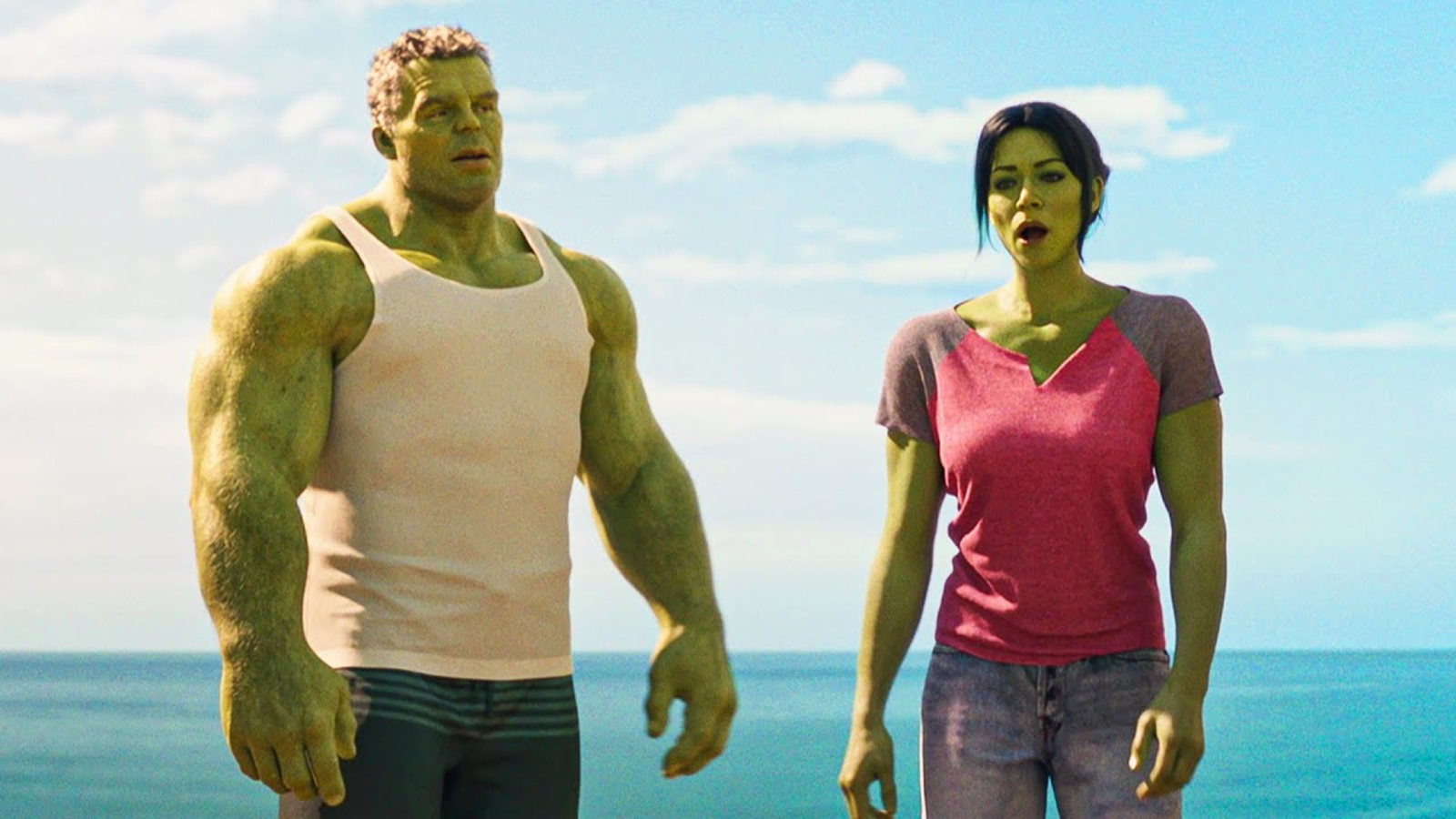
She-Hulk introduced Jennifer Walters, whose exposure to Bruce Banner's blood grants her Hulk-like abilities. During her training, Jennifer quickly adapts to transforming between her human and Hulk forms with a level of control Bruce spent years trying to achieve. That contrast sparked debate among fans, many of whom felt Bruce's years of struggle and hard-earned growth were overshadowed by Jennifer's remarkably quick mastery of her new powers.
Credits: Marvel
Credits: Marvel
The series intentionally contrasts their experiences, arguing that Jennifer's life prepared her to manage anger differently. While that perspective fits the show's themes, some longtime Hulk fans felt it unintentionally undercut Bruce's decades-long journey by making his cousin appear naturally more capable in several areas almost immediately.
Spider-Man: Brand New Day: Hulk becomes Peter Parker's benchmark
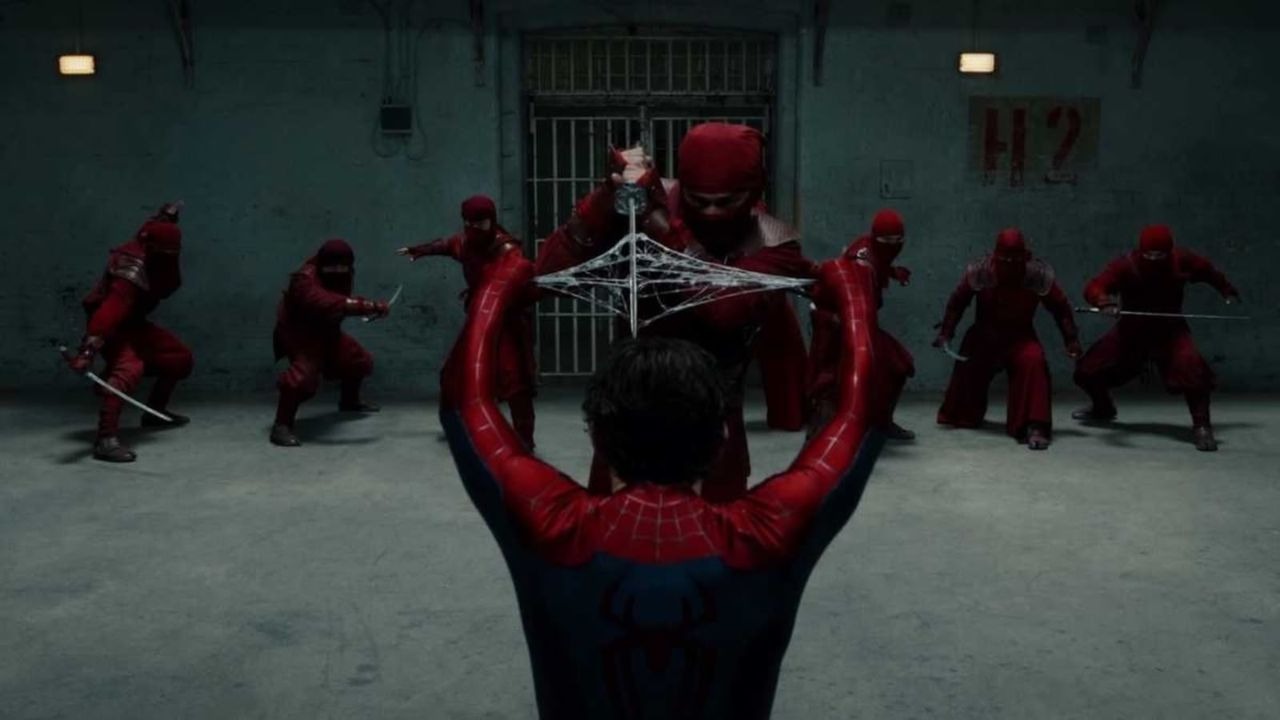
Early footage from Spider-Man: Brand New Day suggests another physically demanding confrontation involving Mark Ruffalo's Hulk. Rather than leading the story, Bruce once again appears in a supporting role, with the focus shifting toward Spider-Man's continued evolution. If the sequence plays out as teased, it would mark yet another instance of Hulk being used to highlight another hero's growth rather than reestablishing his own dominance.
Credit: Sony Pictures Entertainment
Credit: Sony Pictures Entertainment
If the finished film follows the same trajectory, it would continue a long-running MCU pattern: using Hulk's immense reputation to elevate another hero's accomplishments. While seeing Spider-Man hold his own against Hulk makes for exciting spectacle, it also reinforces the perception that Ruffalo's Green Giant has increasingly become a measuring stick rather than the unstoppable force he once was. For a character once marketed as "the strongest there is," that shift has become one of the MCU's most hotly debated creative decisions.
That evolution continues to fuel debate over what many fans jokingly call "Kevin Feige's Hulk size problem." With Hulk still active in the MCU and Ruffalo expressing interest in exploring more Bruce Banner stories, there's always a chance the Green Giant could reclaim the terrifying reputation that made him Marvel's strongest Avenger in the first place. Until then, every new appearance is likely to reignite the same question among fans: is Marvel finally bringing back the Hulk, or simply finding another way to hold him back?
Do you think the MCU has unfairly nerfed Mark Ruffalo's Hulk or has Bruce Banner's evolution made him a better character? Let us know in the comments!

Edited By: Aliza Siddiqui
