
“It’s Molecularly Important to Stay Human”- Guillermo del Toro Draws a Firm Line on AI in Art
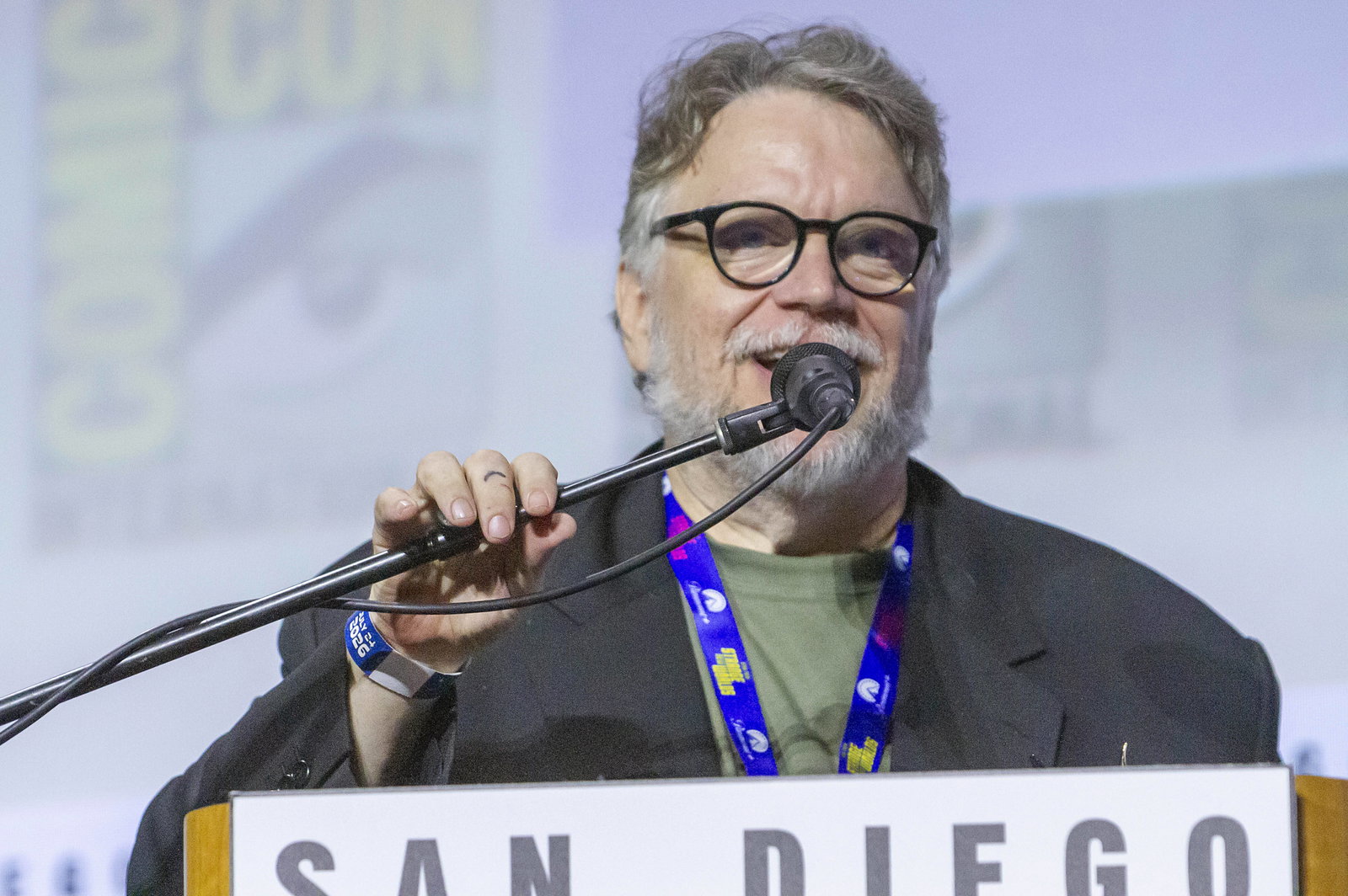
Guillermo del Toro beim Podiunsgespräch Pan s Labyrinth - 20th Anniversary und der Verleihung des Comic Con International Inkpot Award auf der San Diego Comic-Con International 2026 im San Diego Convention Center. San Diego, 24.07.2026 *** Guillermo del Toro at the panel discussion Pan’s Labyrinth 20th Anniversary and the presentation of the Comic-Con International Inkpot Award at San Diego Comic-Con International 2026 at the San Diego Convention Center, San Diego, July 24, 2026 Foto:xC.xVanxWagonerx xFuturexImagex labyrinth_6724
Guillermo del Toro beim Podiunsgespräch Pan s Labyrinth - 20th Anniversary und der Verleihung des Comic Con International Inkpot Award auf der San Diego Comic-Con International 2026 im San Diego Convention Center. San Diego, 24.07.2026 *** Guillermo del Toro at the panel discussion Pan’s Labyrinth 20th Anniversary and the presentation of the Comic-Con International Inkpot Award at San Diego Comic-Con International 2026 at the San Diego Convention Center, San Diego, July 24, 2026 Foto:xC.xVanxWagonerx xFuturexImagex labyrinth_6724
Guillermo del Toro has always created cinema like a creature assembled from beautiful contradictions, stitching together darkness, tenderness, monsters and memory until they become unmistakably his own. From the rain-soaked alleys of The Shape of Water to the clockwork melancholy of Pinocchio, his work carries fingerprints that could never belong to another filmmaker. Even his monsters seem to have a pulse, as though every scale, scar and strange little mechanical detail has been touched by a human hand.
That sensibility becomes particularly relevant as artificial intelligence increasingly enters the creative process, producing images, performances and stories at a speed no artist can match. For del Toro, however, the argument is not simply about whether AI can imitate the finished product. It is about what happens to the human impulse that makes art worth creating in the first place.
Guillermo del Toro says humanity remains at the heart of art
The Frankenstein director, Guillermo del Toro put his philosophy bluntly while discussing AI and his approach to art with IGN.
“The discourse between the soul of mankind and the arts is a very sacred discourse. It's molecularly important to stay human,” del Toro said.
The language is distinctly del Toro: even his defense of human creativity becomes something almost biological, reducing the question to the smallest building blocks of what makes people human.
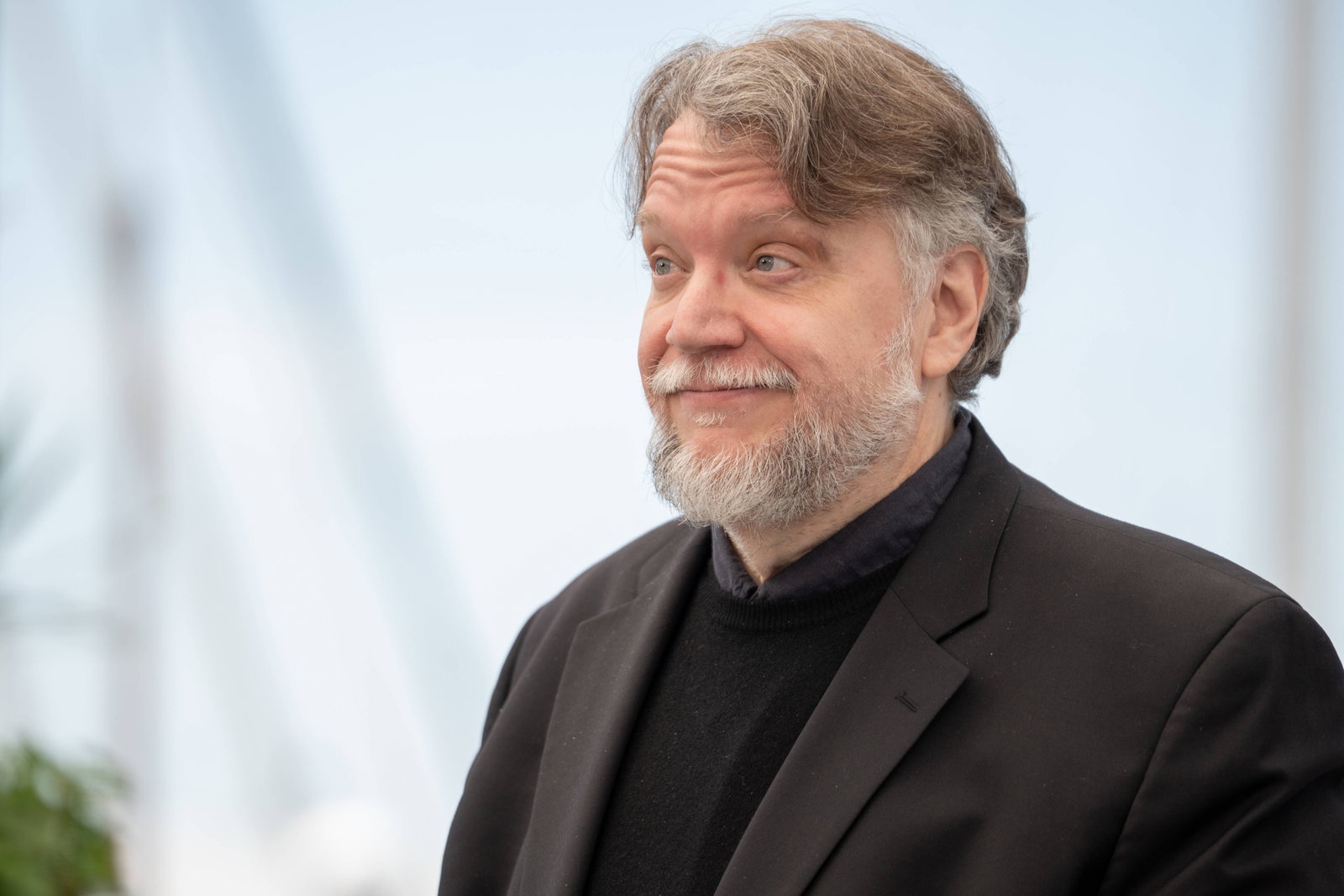
via Imago
Credits: Imago
The remark came while he was speaking with IGN as part of the IGN30 Icons series, in the context of discussing the AI version of his Frankenstein. That connection is hard to miss. Mary Shelley’s creature has always been about the uneasy boundary between something created and something alive, and del Toro has spent much of his career returning to that fault line.
His monsters are rarely just effects or plot devices. They carry loneliness, desire, innocence and damage, which is precisely why the filmmaker sees a distinction between generating an image and creating art.
But del Toro has another cautionary tale from his career, and this one does not involve artificial intelligence.
The BioShock adaptation taught Guillermo del Toro a painful lesson
Guillermo Del Toro has now confirmed that he was involved in early concepts for a BioShock movie, a project that had circulated in Hollywood for years without reaching the screen. He also made clear that his experience left little appetite for returning to video game adaptations, telling IGN that he “never” wants to make a video game again after several attempts ended badly. His explanation gets into the mechanics of storytelling.
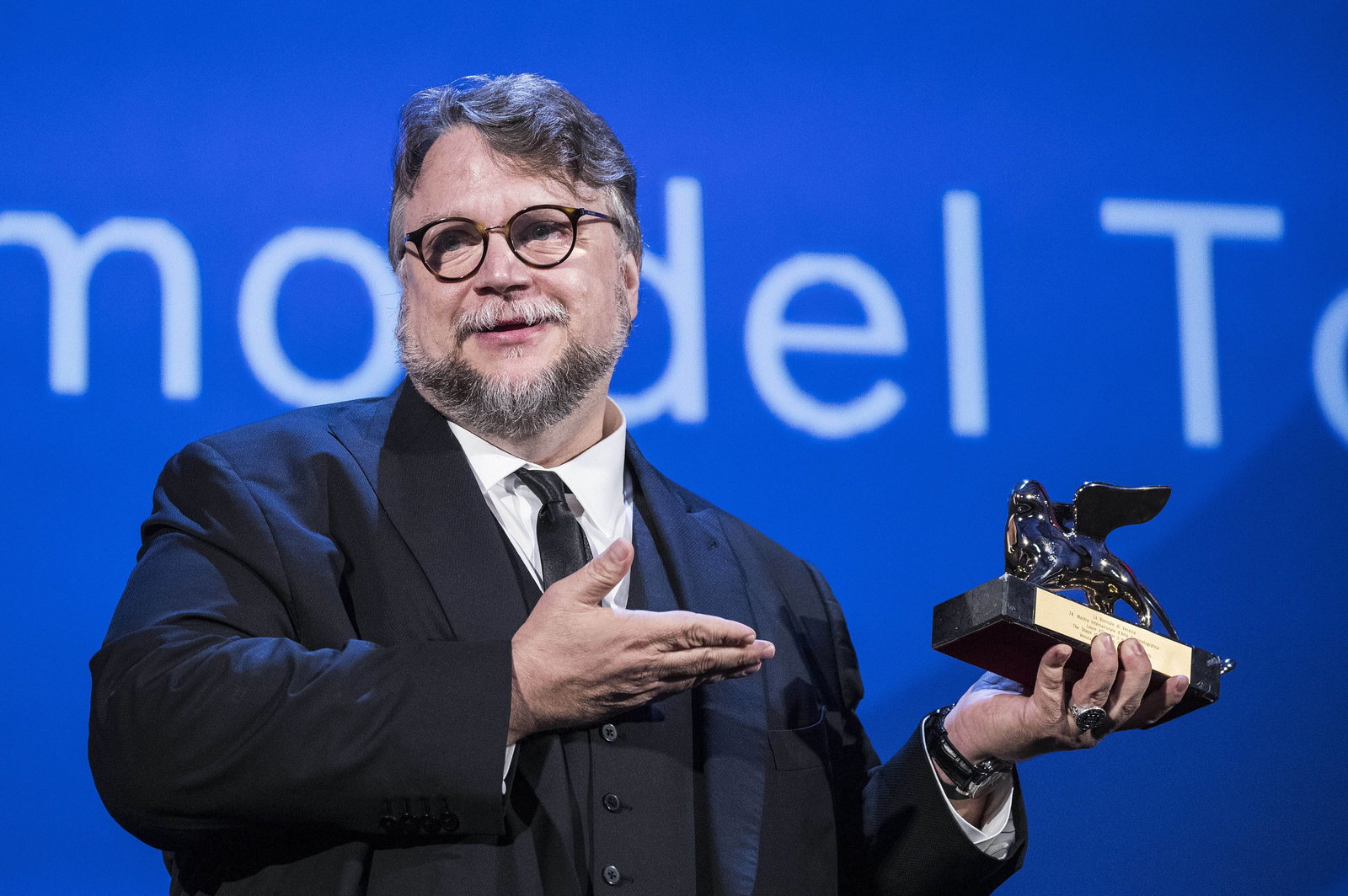
Director Guillermo Del Toro Wins The Golden Lion for The Best Film With The Movie The Shape of Water AT The 74th Venice International Film Festival ON SEPTEMER 09 2017 in Venice Italy Foto:xDaziramx xFuturexImage
Director Guillermo Del Toro Wins The Golden Lion for The Best Film With The Movie The Shape of Water AT The 74th Venice International Film Festival ON SEPTEMER 09 2017 in Venice Italy Foto:xDaziramx xFuturexImage
Discussing BioShock, del Toro recalled a series of calls that became “probably one of the most disastrous calls” he had experienced professionally. He contrasted games with movies, noting that while the two media can share cinematic language, games depend on players solving, assembling and making decisions.
He also recalled developing Insane around what he called a “mandala,” designed to create the illusion of an infinite sandbox while subtly guiding audiences through their choices. That distinction circles back to his comments about AI.
For del Toro, storytelling is not merely the visible object produced at the end of the process. It is the strange maze of decisions, instincts, accidents and obsessions that leads an artist there. Like one of his handmade creatures, the imperfections are part of life.
What do you think about his comments on AI and creativity? Share your thoughts in the comments.

Edited By: Adiba Nizami
