
“It Was Worse Then” - Ken Burns Reflects on a Divided Nation Ahead of ‘The American Revolution’ Docuseries
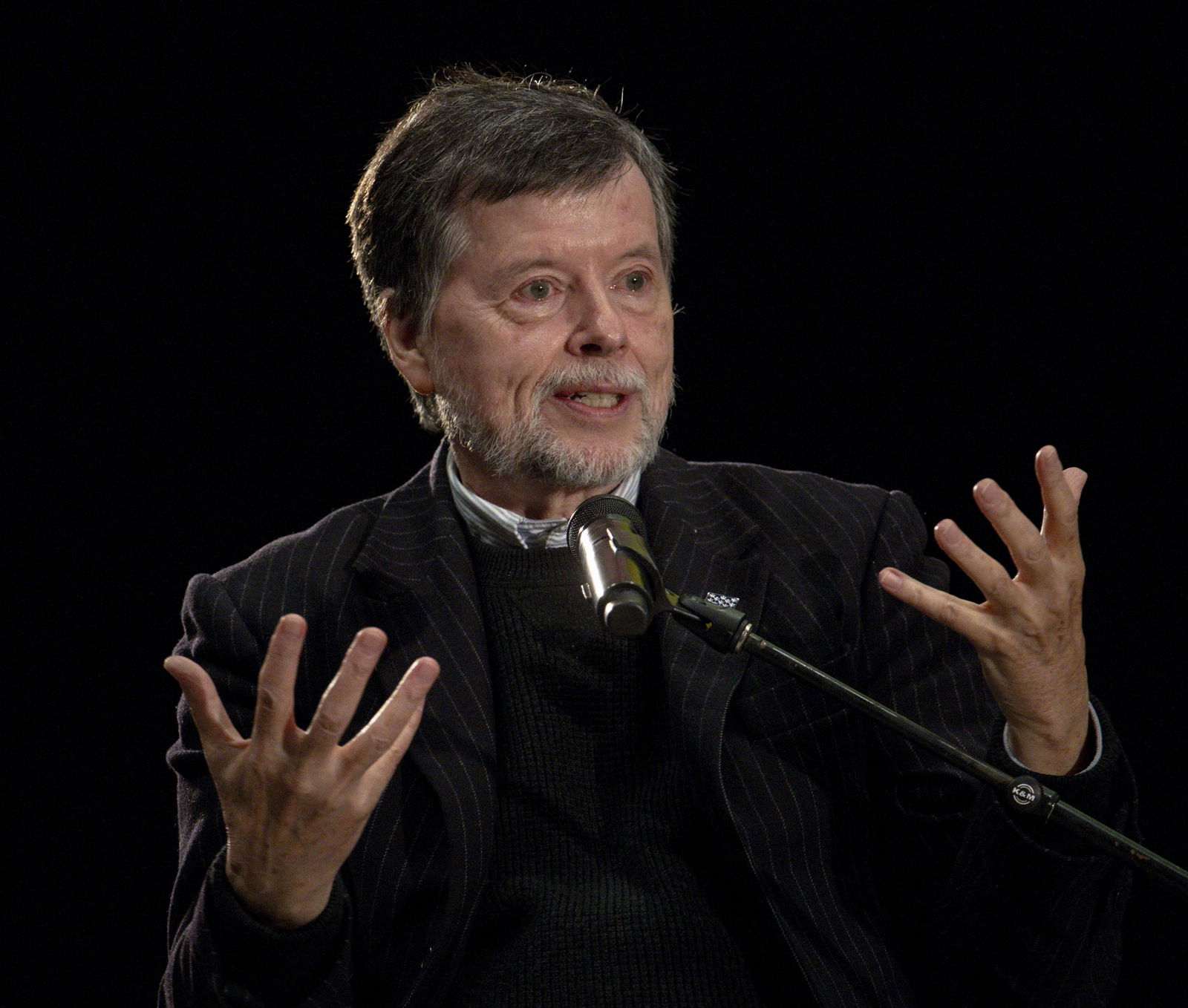
Ken Burns brings a new vision to the American Revolution through a timely docuseries that is set to bring fresh perspectives, characters, and ideas. The auteur’s portfolio, which includes several critically acclaimed and socially significant works on the Civil War or the Vietnam War, places him at the top not only as the poet of history but also as the one who analyzes it. His camera, now turned inward, reflects on the underlying question of unity during a period of political conflict and confusion regarding one's identity.
And with the start of the countdown to the premiere, Burns’ reflections on division and dissent serve as a guiding light during the journey through the dark depths of history.
Ken Burns shares hopeful insights on the nationwide divide that haunts America
ADVERTISEMENT
Article continues below this ad
In an interview with Katie Cuoric, Ken Burns has recently reflected on the fissured nation, comparing the premise of his docuseries with the present political bitterness, socio-cultural conflicts, divisions, and historical amnesia. Burns said today's feelings of polarization are not worse than before and are nothing new, but have been deeply rooted in American history. He equated the current atmosphere with that of the past strife-ridden decades, when the scars of the Vietnam War era, urban turmoil, and domestic tensions deepened. With his experience of making films on the Civil War, and "bombings between the late 60s and mid-70s", he surmised, "It was worse then."
For Burns, true revolution originates from grassroots levels of introspection. Burns went on to compare the nation's divided identity to that of an individual crisis, prescribing professional help, which means nothing but studying the past and learning from its mistakes. By particularly focusing on how it has always been worse in the past, one can be reassured of the wide possibilities of the future, as more and more opinions come together to "put the us back in the US," he said. Burns' one wish from his docuseries, he said, is to achieve that unity as "there is no political thumb on the scale," and The American Revolution attempts to be a solid education meant for today's divided America.
By walking through the past, Burns indicates that today's America may perceive the present as not unprecedented, but more, and The American Revolution is key.
Ken Burns' The American Revolution at a glance: What to expect and release date
Ken Burns's most recent series is co-directed alongside Sarah Botstein and David Schmidt. The American Revolution is a six-episode, twelve-hour ride that starts on PBS on November 16, 2025. One of the greatest casts of voice actors and narrators present the narrative, with Peter Coyote, Adam Arkin, Kenneth Branagh, Josh Brolin, Hugh Dancy, Claire Danes, Tom Hanks, Damian Lewis, Tobias Menzies, Matthew Rhys, and Liev Schreiber.
ADVERTISEMENT
Article continues below this ad
The documentary depicts the Revolution as a contested civil upheaval with a focus on slavery and Native American dispossession, Loyalists, colonial times, violence that divided families and communities, and more, all caught in a microscope that is often too simplistic in textbooks. With Burns at the helm, the series is going to be a nuanced spectacle.

ADVERTISEMENT
Article continues below this ad
Will you add The American Revolution to your watchlist? Comment your thoughts below.
ADVERTISEMENT

Edited By: Hriddhi Maitra
ADVERTISEMENT
ADVERTISEMENT
