
Is Paul Atreides Related to Agamemnon? ‘The Dune,’ ‘The Odyssey,’ and House of Atreus Curse Explained
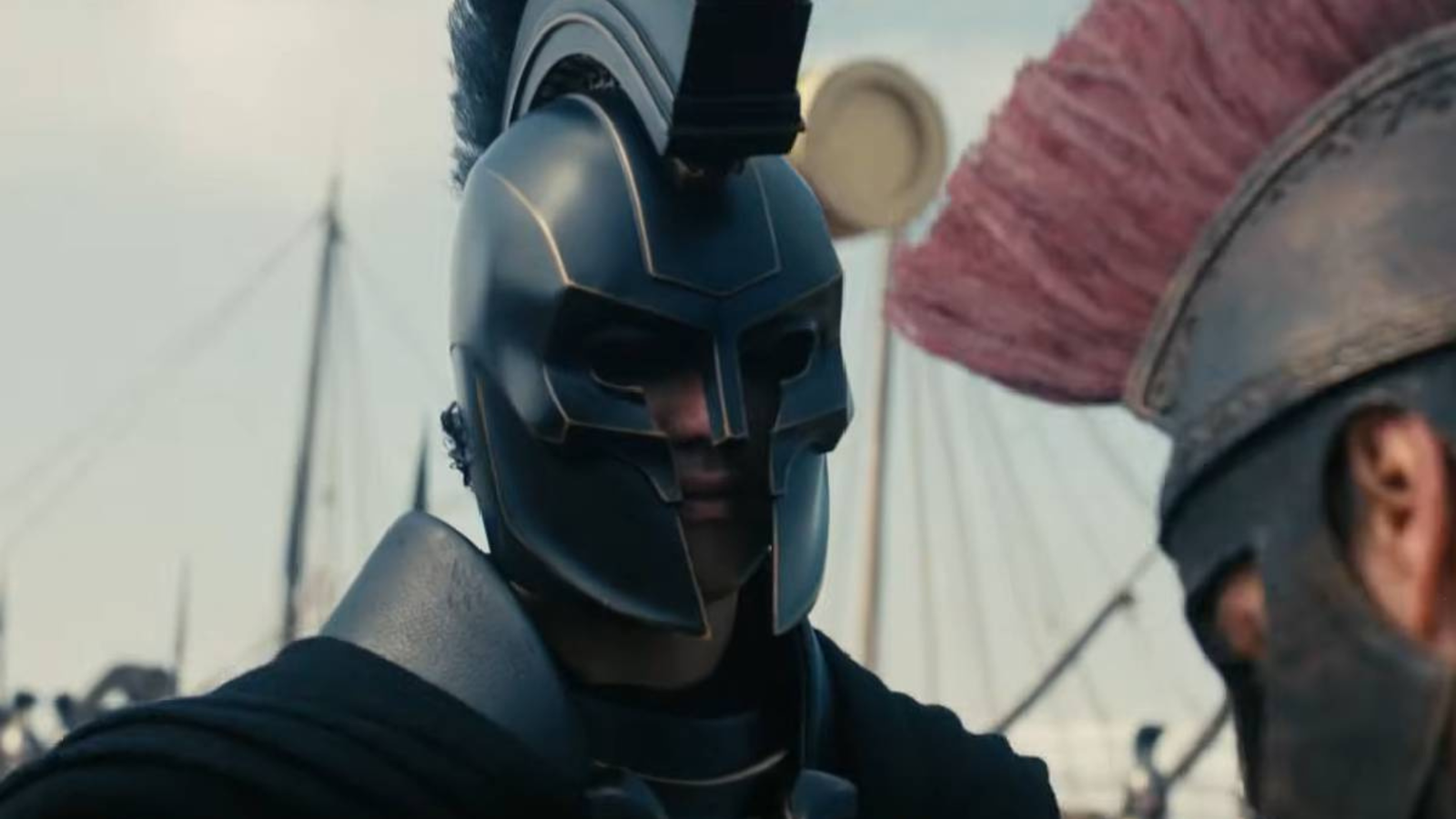
Credit: Universal Pictures
Credit: Universal Pictures
Frank Herbert deliberately based House Atreides in Dune on the mythological House of Atreus, creating thematic parallels between Paul Atreides, Agamemnon, and the tragic legacy explored in The Odyssey. Christopher Nolan's new movie has renewed interest in ancient Greek mythology, prompting many fans to revisit the legendary figures who shaped Western storytelling. At the same time, Dune continues to inspire discussions about the literary and historical influences that Frank Herbert wove into his sprawling science-fiction saga.
One question that often emerges from these conversations is whether Paul Atreides has any connection to Agamemnon, one of the greatest heroes of the Trojan War.
Understanding that connection requires looking beyond the shared surname and exploring the legendary House of Atreus, its infamous curse, and why those ideas remain central to Paul's journey.
Why is Paul called an Atreides? The literary connection between Dune and Greek Mythology
Paul Atreides is not biologically connected to Agamemnon, but his family's origins in Dune are deeply rooted in the mythology of the House of Atreus. The connection between Paul Atreides and Agamemnon begins with a single word: Atreides. In ancient Greek, "Atreides" literally means "son" or "descendant of Atreus." Homer frequently refers to Agamemnon and his brother Menelaus as "the Atreides" throughout both The Iliad and The Odyssey. Rather than inventing an entirely original noble house, Frank Herbert deliberately adopted the name for one of the central families in Dune, instantly evoking one of mythology's most tragic dynasties.

Dune (2021) - filmstill TIMOTHEE CHALAMET as Paul Atreides Dune (2021) EDITORIAL USE ONLY Copyright: xCourtesyxofxWarnerxBros.xPicturesxandxLegendaryxPicturesx
Dune (2021) - filmstill TIMOTHEE CHALAMET as Paul Atreides Dune (2021) EDITORIAL USE ONLY Copyright: xCourtesyxofxWarnerxBros.xPicturesxandxLegendaryxPicturesx
That choice was far more than a stylistic flourish. Herbert's novels are filled with references drawn from history, religion, philosophy, and mythology. House Atreides represents honor, duty, and noble leadership, but it is also burdened by impossible choices and catastrophic consequences. Those themes closely mirror the fate of Agamemnon's family, making the name an intentional literary signal that Paul's story would echo the rise and fall of legendary tragic heroes rather than conventional science-fiction protagonists.

Understanding the name, however, is only the beginning. To fully appreciate Herbert's inspiration, it helps to see how Dune itself fits into humanity's distant future while still carrying echoes of the ancient world.
How Dune and The Odyssey exist in the same human story?
Unlike many science-fiction franchises that take place in alternate realities, Dune is set in our own universe but approximately 20,000 years or more into humanity's future. Human civilization has spread across countless planets, developed advanced political empires, and abandoned thinking machines after the Butlerian Jihad. Despite these dramatic changes, echoes of Earth's ancient cultures survive through language, religion, philosophy, and noble traditions. Names such as Atreides, Leto, and even references to classical ideals demonstrate that fragments of humanity's past continue to shape its future.
This shared timeline explains why Greek mythology still matters in Herbert's universe. The events of The Odyssey and the Trojan War belong to humanity's distant history, remembered imperfectly but influential enough to inspire noble houses and cultural traditions thousands of generations later. Herbert repeatedly explored how civilizations preserve myths, transforming historical stories into symbols that guide future societies. House Atreides becomes one such symbol, a family that consciously reflects ideals associated with legendary rulers while unknowingly repeating many of their tragic mistakes.
The similarities extend beyond names alone. Paul's journey from displaced noble heir to reluctant messianic leader resembles the structure of classical epics, where heroes are shaped as much by destiny as by personal choice. Like Odysseus navigating countless trials before reclaiming his place, Paul survives betrayal, exile, and transformation. Yet unlike Odysseus, Paul's greatest enemy is not the sea or monsters but his own prescient vision of a future he cannot fully escape.
Those parallels become even more striking when examining the family whose name Herbert borrowed, a bloodline remembered less for its victories than for one of mythology's darkest curses.
The House of Atreus curse explained: Why Agamemnon's family became legendary?
The House of Atreus is among the most infamous dynasties in Greek mythology because nearly every generation inherits violence, betrayal, and tragedy from the one before it. The curse begins with Tantalus, who committed the ultimate offense against the gods by serving his own son, Pelops, as a meal during a divine banquet. Although the gods restored Pelops to life, Tantalus' crime cursed his descendants, ensuring that m*****, revenge, and suffering would haunt the family for generations.
Pelops later won his wife Hippodamia through deception and m*****, continuing the cycle. His sons, Atreus and Thyestes, became bitter rivals after Thyestes seduced Atreus' wife. In one of Greek mythology's most horrifying acts of revenge, Atreus slaughtered Thyestes' children, cooked them, and unknowingly served them to their father during a banquet. This gruesome act deepened the curse and guaranteed that future generations would continue repeating cycles of b********.
The next generation brought Agamemnon, king of Mycenae and commander of the Greek forces during the Trojan War. Before sailing to Troy, Agamemnon sacrificed his daughter Iphigenia to appease the goddess Artemis and secure favorable winds. Although the sacrifice enabled the Greek fleet to depart, it permanently shattered his family. Upon returning home after the war, Agamemnon was m******* by his wife Clytemnestra and her lover Aegisthus, who sought revenge for Iphigenia's death and carried forward the curse.
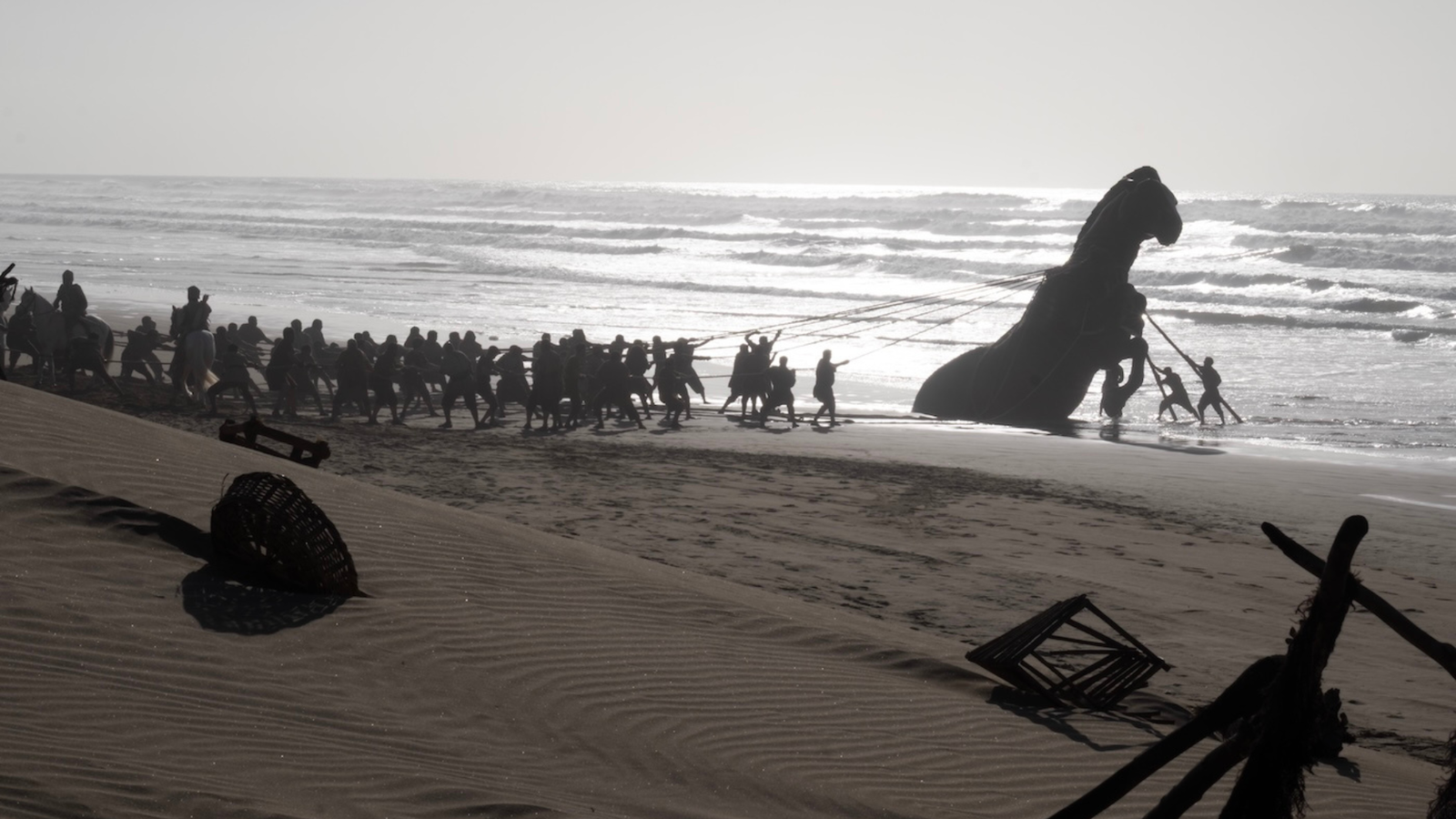
Credits: Universal Pictures
Credits: Universal Pictures
The violence did not end there. Agamemnon's son Orestes k***** his own mother to avenge his father, only to be relentlessly pursued by the Furies for committing matricide. The cycle was finally resolved in Aeschylus' Oresteia, where Athena established a trial that replaced endless revenge with justice under law. The House of Atreus thus became the ultimate symbol of inherited guilt, generational trauma, and the devastating consequences of power exercised without restraint.
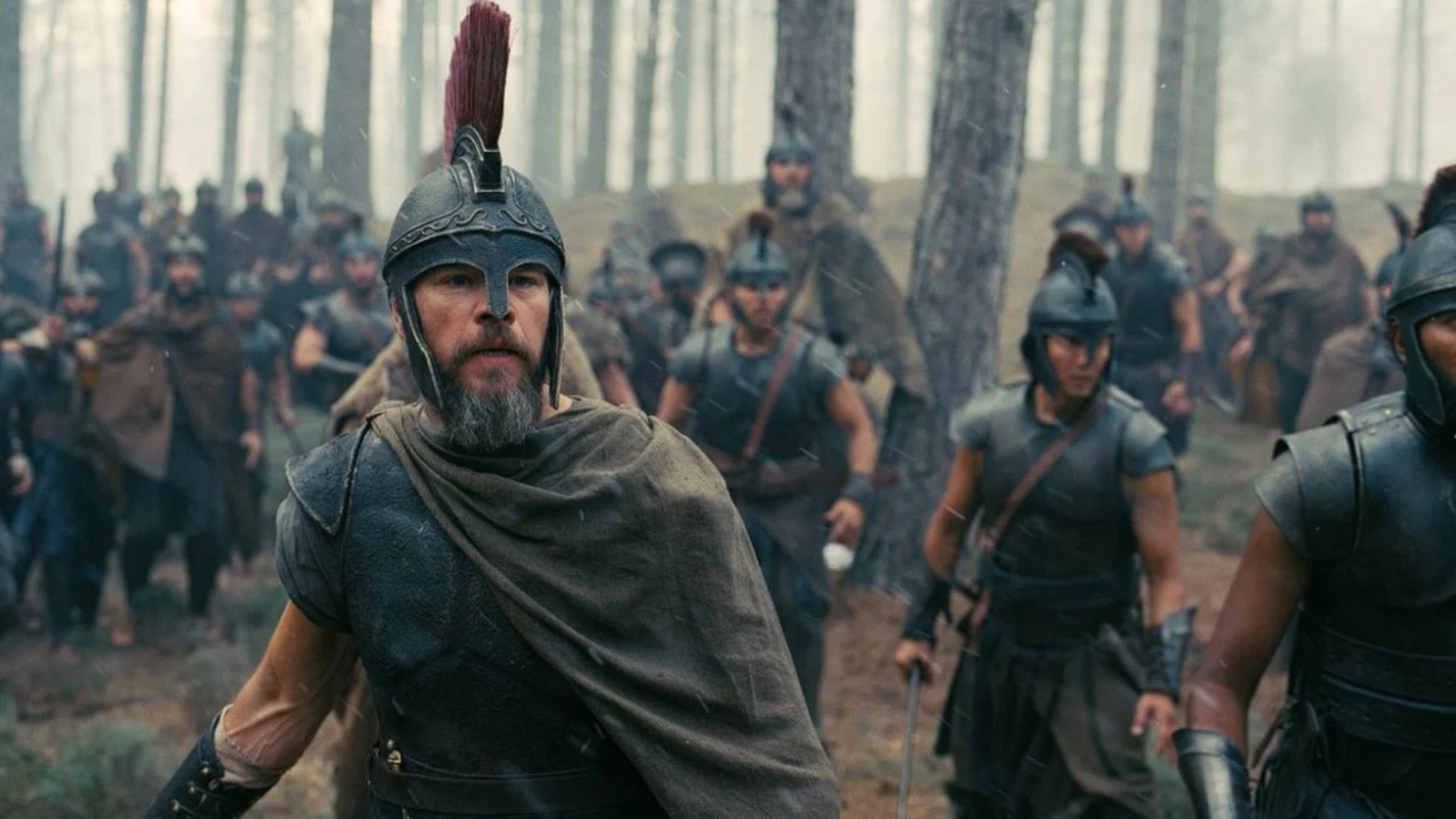
Once that tragic lineage is understood, it becomes easier to see why Frank Herbert chose the name "Atreides" for Paul's family and how the curse echoes throughout the Dune saga.
How House Atreides mirrors the House of Atreus?
Although Paul Atreides is not literally descended from Agamemnon, his family mirrors the mythological House of Atreus in remarkably deliberate ways. Duke Leto Atreides is portrayed as an honorable ruler whose virtues cannot protect him from political betrayal. Like Agamemnon, he becomes a respected leader whose downfall reshapes the destiny of his family. His assassination on Arrakis begins a chain of events that transforms Paul into Muad'Dib, a figure destined to alter human history forever.
Paul's greatest tragedy also reflects the ancient curse, not through supernatural punishment, but through unavoidable destiny. His prescient abilities allow him to witness countless possible futures, yet they trap him within a path leading to a galaxy-spanning holy war that claims billions of lives. Rather than escaping fate, Paul spends much of his life attempting to minimize the devastation he already knows is coming. This struggle echoes Greek tragedy, where heroes possess knowledge or prophecies but remain powerless to prevent the fulfillment of destiny.
The parallels continue across later generations of House Atreides. Paul's children inherit extraordinary burdens, with Leto II sacrificing his humanity to ensure civilization's long-term survival through the Golden Path. Like the descendants of Atreus, successive generations of the Atreides family shoulder increasingly painful responsibilities, illustrating Herbert's fascination with inherited legacy, political power, and the consequences of leadership.

Dune: Part Two (2023) Dune: Part Two (2023) TIMOTHƒE CHALAMET as Paul Atreides EDITORIAL USE ONLY Copyright: xCAP TFSx
Dune: Part Two (2023) Dune: Part Two (2023) TIMOTHƒE CHALAMET as Paul Atreides EDITORIAL USE ONLY Copyright: xCAP TFSx
Even beyond the Atreides name, Herbert frequently borrowed from classical mythology. Duke Leto shares his name with the Greek goddess Leto, mother of Apollo and Artemis. Paul's story incorporates themes found in Greek tragedy, biblical narratives, Islamic history, and medieval epics, creating a universe where humanity's oldest stories continue to influence its farthest future.
Paul Atreides is not historically related to Agamemnon, but he is undeniably connected through one of Frank Herbert's most meaningful literary references. By naming his noble family House Atreides, Herbert intentionally invoked the legendary House of Atreus, a dynasty defined by greatness, sacrifice, betrayal, and the crushing weight of destiny. Those same ideas shape Paul's journey from noble heir to reluctant messianic ruler, making the connection far deeper than a shared name.
As audiences rediscover Greek mythology through new adaptations of The Odyssey and continue exploring Dune, the parallels between these timeless stories become increasingly clear. Across thousands of fictional years, Herbert demonstrates that humanity may travel to distant stars, but it never truly escapes the myths that define its past.
Do you think Frank Herbert's use of Greek mythology makes Dune an even richer story? Let us know in the comments!

Edited By: Adiba Nizami
