
Is Hollywood Getting a New Federal Film Incentive? Here’s What the Bill Could Change
via Imago
Credits: Imago Snow covers a movie clapper board, a Christmas hat, and a spruce branch on a wooden table. A concept based on the release of Christmas holiday movies and film productions clapper board clapperboard video action cinematography movie cinema christmas hat spruce branch holiday new year snow covers producer scene roll film director studio background blackboard clap take shot production process professional hollywood art antique lens preparation slate equipment operator broadcast industry start media clip multimedia entertainment filming cameraman table wooden.
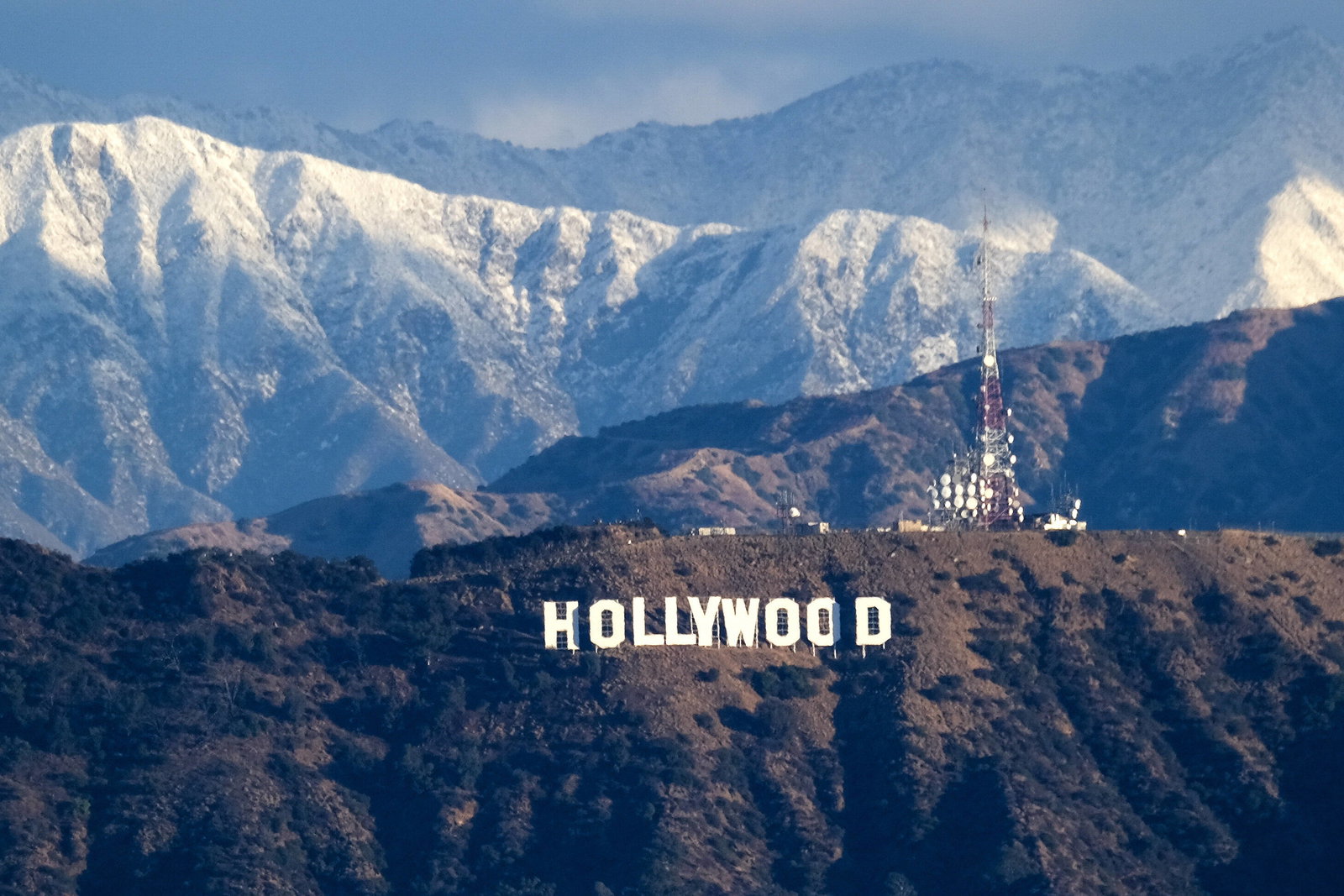
Hollywood may be getting a new federal film incentive, and the bill behind it could rewrite how movies and shows get made across the country. President Donald Trump kicked things off in late August by urging lawmakers to immediately craft legislation, which is roughly the political equivalent of yelling "action" on a very large set. Since then, studios, unions, and lawmakers from both parties have lined up like extras at a craft services table, all hungry for a piece of the plan.
As the bill had not been formally introduced by September 24, the draft blueprint is the best guide, and it starts with one very tidy number.
A 20% credit on American labor
ADVERTISEMENT
Article continues below this ad
The base offer is a 20% transferable tax credit on qualifying United States labor costs, covering everyone from A-list actors to the crew hauling cables. Transferable is the magic word, because producers without a hefty tax bill could sell the credit to someone who has one and turn a tax perk into cash. Projects would need to spend roughly $1 million to qualify, so birthday videos filmed on phones remain on their own.
Das Logo des US Kabel-TV-Senders TLC ist auf dem Display eines Smartphone zu sehen. Berlin, 22.04.2020. Berlin Deutschland *** The logo of the US cable TV station TLC can be seen on the display of a smartphone Berlin, 22 04 2020 Berlin Germany Copyright: xThomasxTrutschel photothekx
Das Logo des US Kabel-TV-Senders TLC ist auf dem Display eines Smartphone zu sehen. Berlin, 22.04.2020. Berlin Deutschland *** The logo of the US cable TV station TLC can be seen on the display of a smartphone Berlin, 22 04 2020 Berlin Germany Copyright: xThomasxTrutschel photothekx
Films, scripted television, reality shows, and animation are all welcome on the call sheet, while news and sports broadcasts are politely shown the exit. Most descriptions focus on labor from United States residents, which means equipment, locations, and most post-production costs would sit outside the credit. The proposed start date is January 1, 2027, assuming Congress finishes its homework on time.
While 20% sounds neat, the bonus rounds are where the math gets spicy.
Bonus uplifts could lift it to 30%
Up to two extra 5% uplifts could push the ceiling to roughly 30%, like unlocking a secret level in a video game. Candidates include independent productions, filming in rural, economically depressed, or disaster-hit areas, and repatriating work that drifted overseas. One version even favors spreading at least $10 million of spending across 10 different states in a single year, which sounds like a road trip with a budget.
The federal credit is also designed to stack on top of state incentives, borrowing a page from Canada and Australia. Combined federal and state rates could climb to 50 to 60% or more, depending on the state. That is a tempting offer for a country that has watched the United Kingdom, Canada, Australia, and Hungary collect the overflow, since roughly 65 nations already run national incentives.
As those rates would make rival filming hubs sweat, the industry has arrived with a very large study in hand.
The jobs boom forecast is enormous
The Olsberg SPI study for the Motion Picture Association (MPA), released September 15, projects about $125 billion in extra United States production spending between 2027 and 2035. It also estimates roughly 143,500 additional full-time equivalent jobs per year on average, plus $133 billion in added labor income. Including the ripple effects, total economic activity nears $250 billion, which is a truly heroic amount of popcorn.
Before anyone orders a victory parade, the study admits that results depend on the final bill design and on America reclaiming a 65% share of global production. No Joint Committee on Taxation score exists yet, and forgone revenue is expected to reach billions of dollars each year. Economists who doubt film incentives argue that many productions would have happened anyway, and price tags have a habit of dimming the mood.
While the numbers dazzle, the supporter list reads like an unusually bipartisan casting call, and the real test waits in the committee rooms.
Bipartisan backers face a tight calendar
ADVERTISEMENT
Article continues below this ad
Donald Trump endorsed the idea on August 31 through Truth Social after meetings with actor Jon Voight, his special ambassador to Hollywood, arguing the cost would be repaid tenfold. In the House, Democrats Laura Friedman and Linda Sánchez of California team up with Republicans Nathaniel Moran of Texas and Brian Jack of Georgia. In the Senate, Adam Schiff drafted an earlier version, while Tim Scott is listed among the supporters.
Because this is tax policy, the bill must clear the House Ways and Means Committee and the Senate Finance Committee, a trip with more stops than a touring band. The calendar is tight around the midterms, so backers are eyeing a lame-duck window after the November elections. The Wall Street Journal editorial board has already called the plan a handout to studios, so the road stays bumpy. In short, Hollywood is closer to a federal film incentive than in years, but the bill still needs to be introduced, scored, and passed.
ADVERTISEMENT
Article continues below this ad
What are your thoughts on a new federal film and TV production tax credit for Hollywood? Let us know in the comments.
ADVERTISEMENT

Edited By: Itti Mahajan
More from Netflix Junkie on Hollywood News





ADVERTISEMENT