
Hugh Jackman’s 'The Death of Robin Hood' Exposes the Bloody Truth Behind the Heroic Tale
Credits: A24
Credits: A24
The iconic actor Hugh Jackman recently explained how his upcoming historical project, The Death of Robin Hood, completely subverts the familiar romanticized mythology. The legendary tale of the forest-dwelling outlaw has captivated audiences for centuries, but the classic heroic folklore is about to undergo a deeply unsettling transformation. While traditional stories depict a dashing hero who steals from the rich to give to the poor, a bold cinematic adaptation promises to unmask a far darker reality.
The veteran performer shared how this raw cinematic take directly challenges centuries of polished folklore.
Deconstructing the myth of the merry outlaw in The Death of Robin Hood
ADVERTISEMENT
Article continues below this ad
In a promotional video shared by A24, Hugh Jackman narrates the brutal evolution of the famous medieval legend. The film, The Death of Robin Hood, deliberately draws inspiration from raw seventeenth-century ballads like Robin Hood’s death rather than sanitized modern adventures.
“In this interpretation of the outlaw Robin Hood, the fables we have come to know left bloodied and thrashing in the mud”, Jackman has said while discussing the creative direction.
Key ways it differs include aging, regretful anti-hero, not a dashing young outlaw: Viewers will meet Robin as a gravely injured, battle-worn recluse grappling with a lifetime of crime, murder, and monstrosity. He is haunted by his violent past and seeks redemption or peace rather than leading merry adventures.
Secondly, deconstructs the myth: The legend is portrayed as largely a lie or exaggeration. Jackman and Sarnoski highlight this tension between folklore and reality. Third, Brutal and realistic violence: Early ballads depicted a harsher world. The film leans into that; fighting is muddy, savage, and intense, not choreographed heroism.
Fourth, focus on atonement and humanity: Instead of action set pieces, it has a character-driven thriller about power’s corrupting influence, regret, and a chance at salvation. It explores themes of storytelling, identity, and what it means to be remembered.

This grim deconstruction stands in stark contrast to the light-hearted adaptations of the past.
Contrasting the grim realism with light-hearted classics
The dark, psychological atmosphere of this upcoming feature represents the absolute polar opposite of traditional Hollywood blockbusters. For generations, filmmakers embraced the bright swashbuckling adventure popularized by Errol Flynn in the classic 1938 masterpiece The Adventures of Robin Hood.
That definitive version established the cheerful, brightly colored aesthetic that defined the legendary archer for a global audience. Next, Kevin Costner portrays a highly idealized, romanticized champion of the oppressed in the 1991 blockbuster Robin Hood: Prince of Thieves, which prioritizes grand Hollywood action sequences and sweeping romance.
ADVERTISEMENT
Article continues below this ad
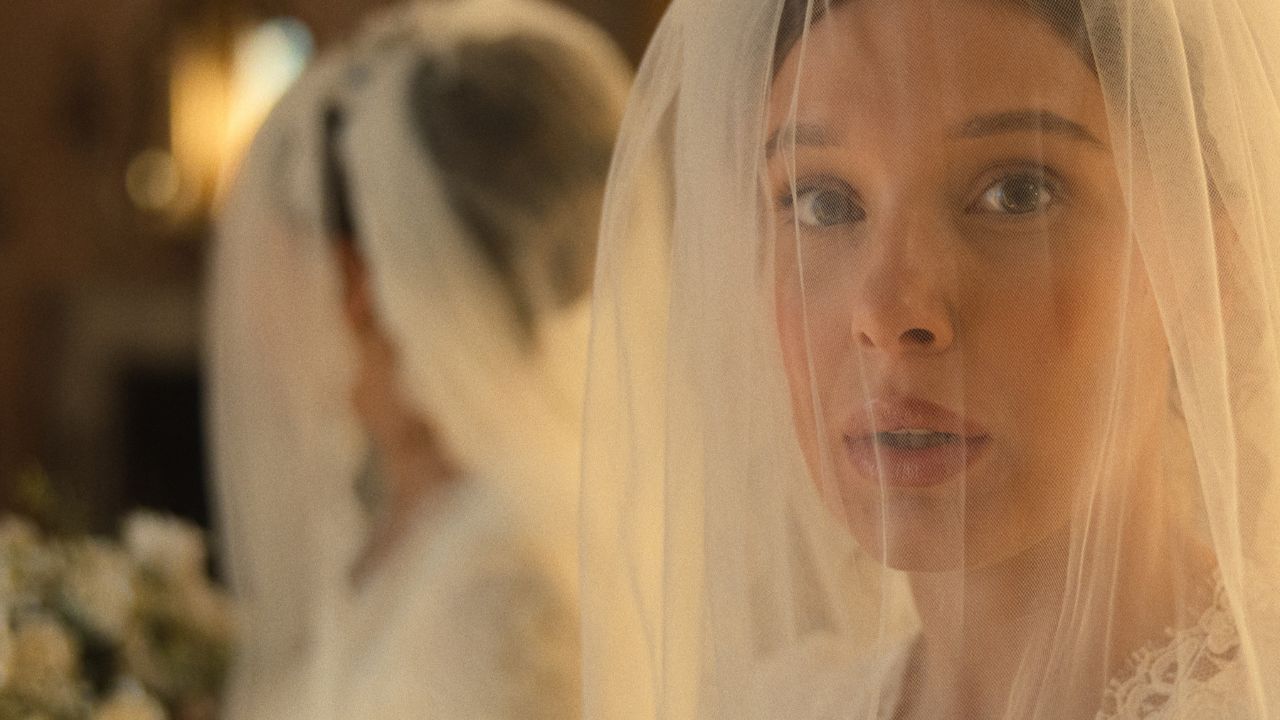
The beloved 1973 Disney animated feature, Robin Hood, transforms the entire folklore into a lighthearted, musical animal fable, completely stripped of any genuine historical violence or grim consequences. Director Michael Sarnoski crafts a grounded, gritty psychological drama that portrays the traditional heroic legend as a complete exaggeration. The highly anticipated historical drama The Death of Robin Hood officially arrives in theaters on June 19, 2026.
ADVERTISEMENT
Article continues below this ad
What do you think about difference upcoming film, The Death of Robin Hood, will bring? Let us know in the comments.
ADVERTISEMENT

Edited By: Hriddhi Maitra
More from Netflix Junkie on Hollywood News

ADVERTISEMENT