
How 'X-Men' (2000) Perfectly Captured the Heart of Marvel's Mutants
Credits: 20th Century Fox
Credits: 20th Century Fox
In 1963, Stan Lee and Jack Kirby unleashed a concept that would redefine the superhero genre: a team of outcasts, born different, feared by the world they swore to protect. The X-Men were not just Marvel’s answer to the Fantastic Four; they were a metaphor, a mirror held up to society’s deepest prejudices.
From the pages of Uncanny X-Men to the animated series that defined a generation, the mutants became icons of resistance and acceptance. Then, in 2000, Bryan Singer brought them to the big screen in X-Men, a film that did not just adapt the comics—it understood them.
Two decades later, it remains the definitive mutant movie, a landmark that proved superhero films could be both thrilling and thought-provoking.
Mutants before Masks
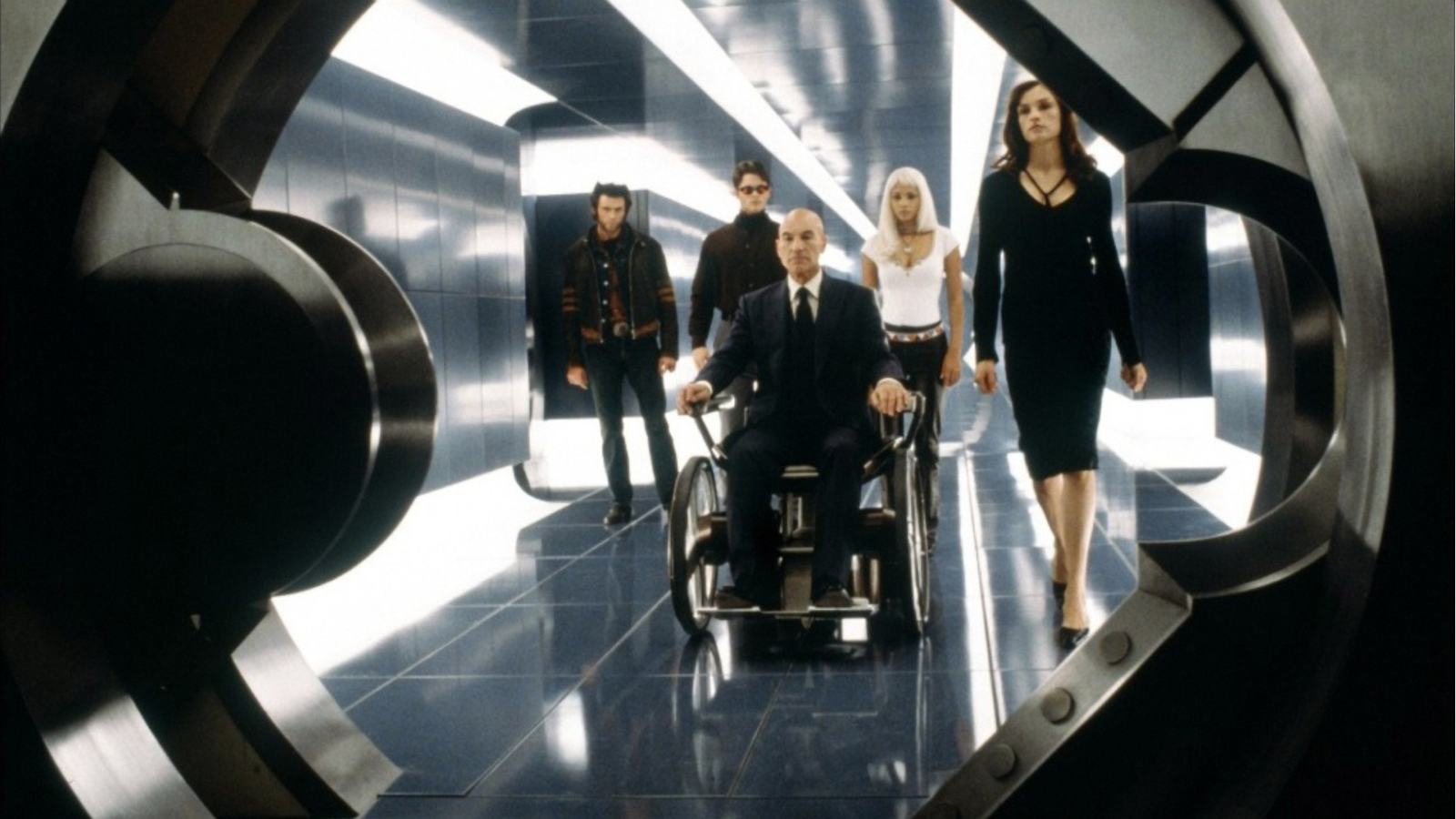
X-Men (2000) succeeded where many comic book adaptations failed because it remembered that the X-Men are, above all, people first and superheroes second. The film opens not with a battle, but with a teenage girl, Rogue, accidentally harming her boyfriend with her powers, a moment of vulnerability that grounds the story in real emotion.
Credits: 20th Century Fox
Credits: 20th Century Fox
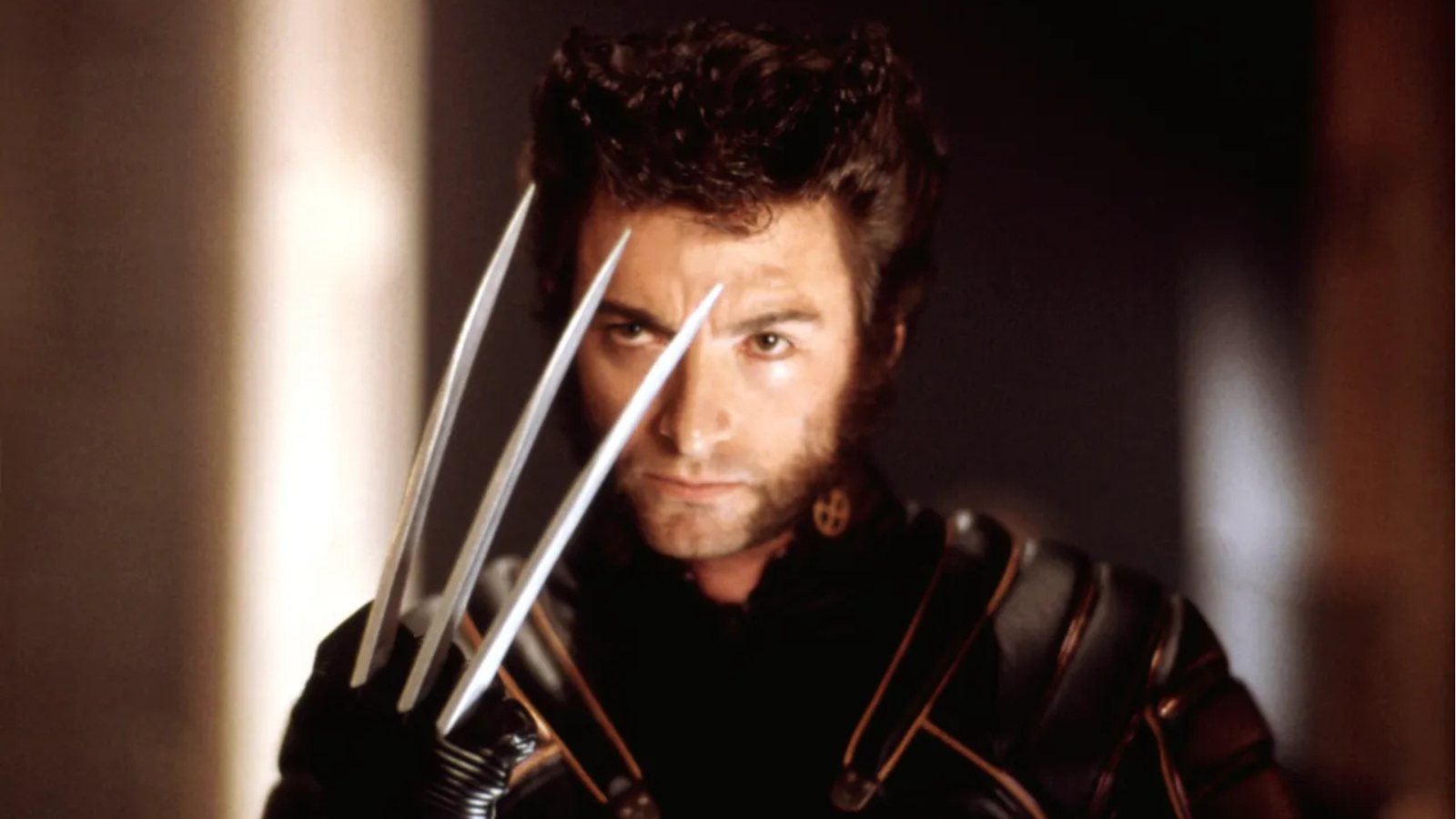
Wolverine, too, is introduced not as a hero, but as a gruff loner haunted by a past he cannot remember. Their struggles are deeply human: fear of rejection, longing for belonging, and the pain of being misunderstood. The film’s script, penned by David Hayter, treats mutant abilities not as flashy gimmicks but as extensions of character, each power reflecting an internal conflict. By focusing on the personal stakes of its characters, X-Men created a template for emotional depth that the MCU would later adopt.

And while the heroes grapple with identity, the film’s central conflict is built on a philosophical divide far more complex than good versus evil.
Xavier vs. Magneto an Ideological war
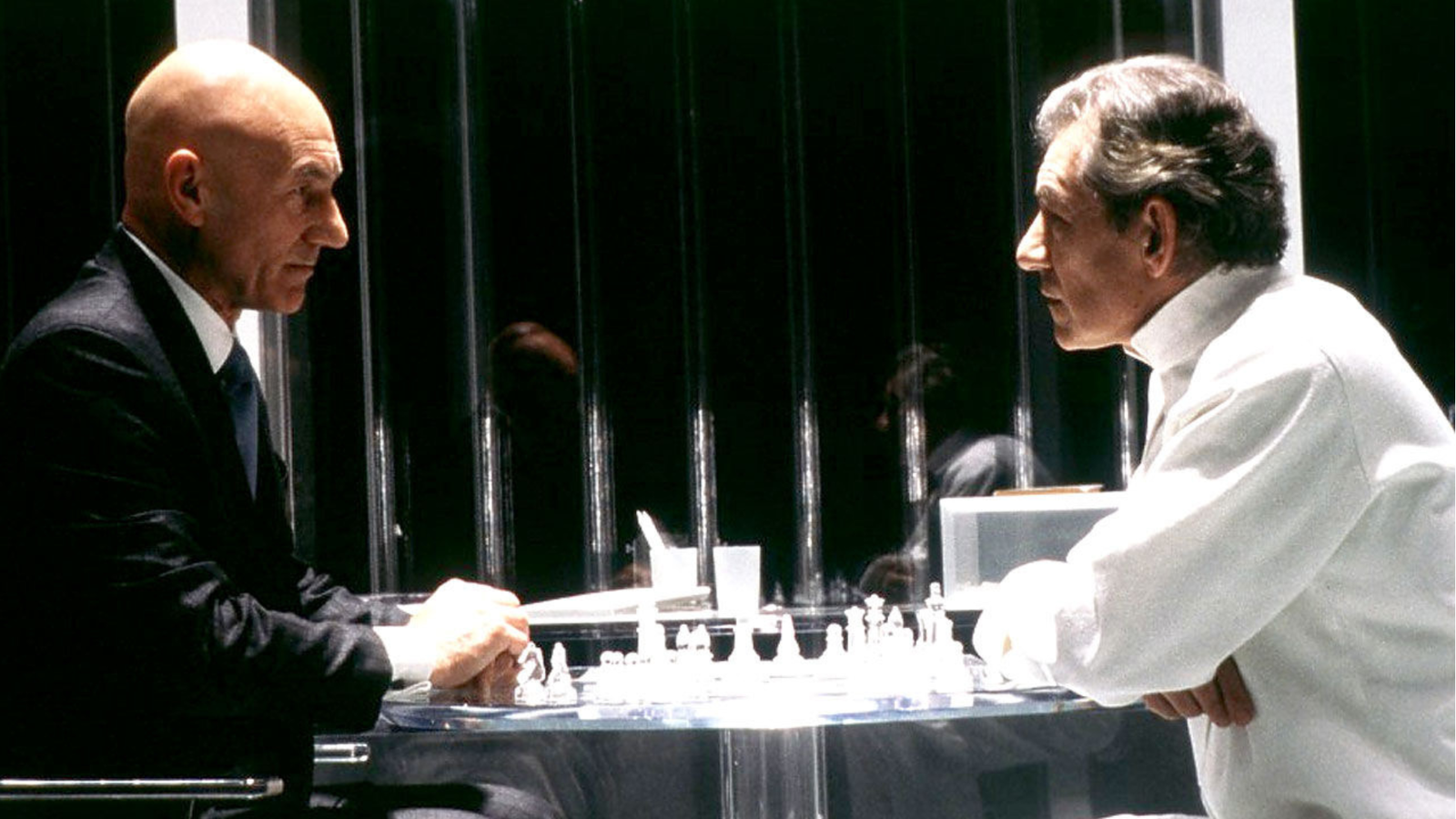
At the heart of X-Men lies the ideological clash between Charles Xavier and Erik Lensherr, better known as Magneto. Patrick Stewart and Ian McKellen bring gravitas to roles that could have easily been reduced to hero and villain tropes. Lensherr, a Holocaust survivor in spirit if not in name, believes in peaceful coexistence between mutants and humans.
Credits: 20th Century Fox
Credits: 20th Century Fox
Magneto, a literal Holocaust survivor, sees humanity as an existential threat and advocates for mutant supremacy. Their debate is not just about power, but about survival, justice, and the cost of integration. The film wisely avoids painting either side as entirely right or wrong, instead presenting both as products of trauma and conviction. This moral complexity elevates X-Men beyond a standard superhero flick, making it a story about ideology as much as action.
And as the film explores these opposing worldviews, it also uses each mutant to represent a different response to societal rejection.
Each mutant, a different response to prejudice
Every mutant in X-Men embodies a unique reaction to discrimination, mirroring the diversity of real-world marginalized communities. Rogue’s fear of touch reflects the isolation of those deemed dangerous. Wolverine’s anger and mistrust speak to the rage of the oppressed who have been hunted.

Credits: 20th Century Fox
Credits: 20th Century Fox
Storm’s quiet dignity and leadership offer a vision of resilience, while Cyclops’s discipline represents the attempt to assimilate within a system that fears him. Even the Brotherhood members, like Toad and Sabretooth, channel their marginalization into aggression and rebellion.
The film doesn’t just tell us mutants are discriminated against; it shows us how that discrimination shapes their identities and choices. This nuanced portrayal makes the metaphor feel lived-in, not lectured.

And as the film delves into these personal struggles, it never lets the metaphor feel forced or heavy-handed.
The metaphor lands because it’s personal, not political
What makes X-Men’s discrimination metaphor so powerful is that it is rooted in intimate, emotional moments rather than grand political speeches. The scene where Rogue’s parents reject her after she harms her boyfriend is heartbreaking in its simplicity. It is not about laws or protests; it’s about a mother’s fear and a daughter’s pain.

Credits: 20th Century Fox
Credits: 20th Century Fox
Similarly, Magneto’s backstory as a Holocaust survivor gives his anger historical weight, making his extremism feel tragic rather than cartoonish. The film avoids preaching, instead letting the audience feel the weight of prejudice through character-driven storytelling. This approach ensures the metaphor never feels forced, because it is always tied to personal stakes.
And as the film balances these emotional beats, it also commits to a serious tone that embraces its ensemble cast.
Serious tone, ensemble storytelling, and a legacy that endures
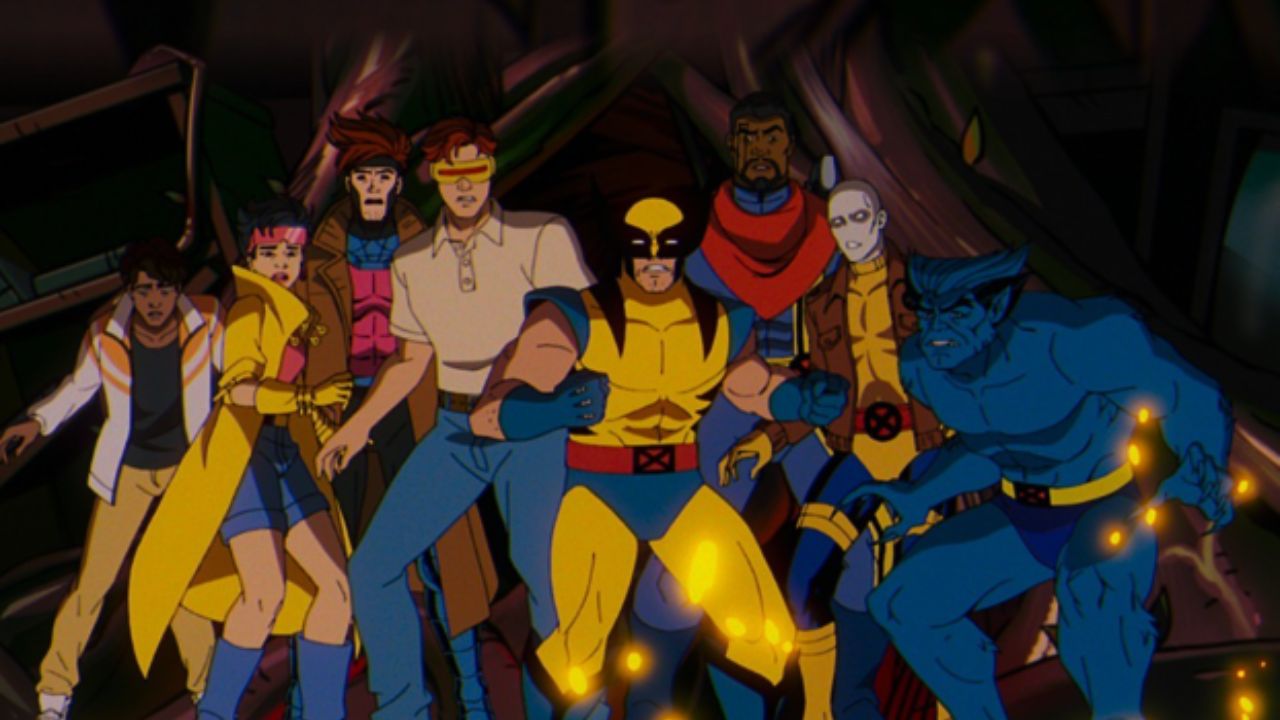
X-Men (2000) wasn’t afraid to be serious, treating its source material with the gravity of a drama rather than the flash of a spectacle. Bryan Singer’s direction, combined with a screenplay that juggles multiple characters without losing focus, set a new standard for ensemble storytelling in superhero films.
Credits: Marvel Studios Animation/ Distribution: Disney Platform Distribution
Credits: Marvel Studios Animation/ Distribution: Disney Platform Distribution
The film’s success proved that audiences would engage with comic book material that respected their intelligence. It paved the way for Spider-Man, Batman Begins, and eventually the entire MCU. Two decades later, X-Men remains a touchstone, a film that captured the heart of Marvel’s mutants and never let go.
And as Marvel prepares to bring the X-Men into the MCU, early reports suggest the studio is taking notes from the 2000 classic, with creators teasing that the upcoming reboot will focus on characters before spectacle.

What do you think about X-Men (2000)? Let us know in the comments.

Edited By: Aliza Siddiqui
