
How Guillermo del Toro’s 'Frankenstein' Bleeds Classic Art Into Its Dark Reimagining?
via Imago
Credits: Imago
Mary Shelley’s Frankenstein; or, The Modern Prometheus, with its iconic tagline, established a timeless philosophical foundation of creation and consequence. Guillermo del Toro’s highly anticipated 2025 Netflix film, Frankenstein, successfully captured this epic ambition, moving the narrative beyond standard Gothic horror. The adaptation rapidly became a global favourite, captivating moviegoers and enthusiasts of enduring art alike. This success is largely due to the film's sophisticated visual language, which directly references classical paintings. Del Toro achieved this by weaving profound visual allusions directly into the cinematic fabric, transforming scenes into stunning echoes of the old masters.
These artistic inspirations transform the film into a visual gallery, embedding classical meanings into modern horror.
The Creation of Adam by Michelangelo
ADVERTISEMENT
Article continues below this ad
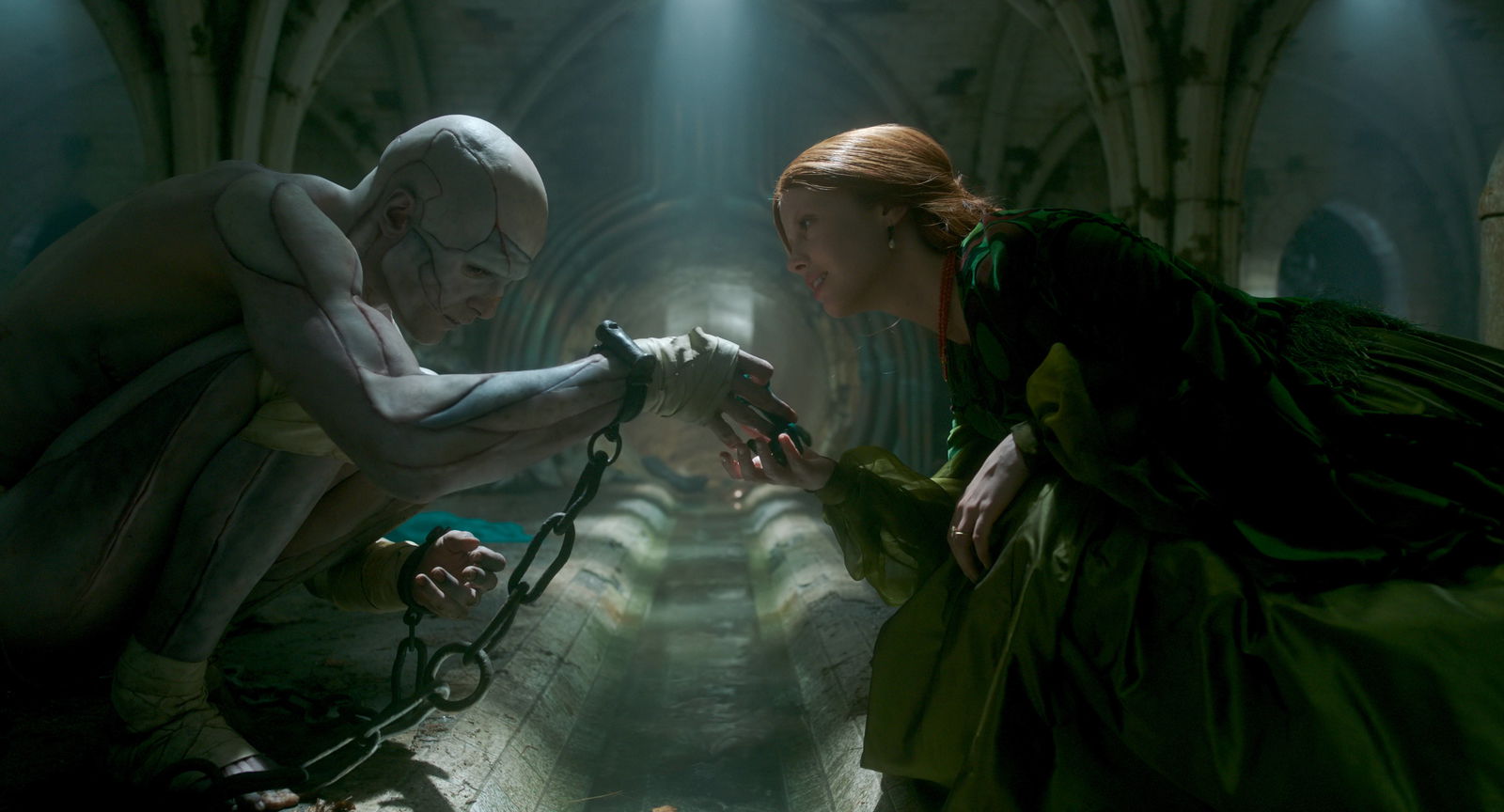
A particularly striking visual moment occurs when the Creature and Elizabeth share a moment of intimate connection following a tragic event, intentionally mirroring Michelangelo’s ceiling fresco from the Sistine Chapel. This scene specifically evokes the iconic pose where the hands of God and Adam are nearly touching, symbolizing the transfer of life. The dramatic staging reinterprets divine creation, shifting the focus from God giving life.
The visual parallel poses profound questions about life, humanity, and the existence of love that transcends the initial act of scientific creation. By mimicking the divine gesture, the film underscores Victor Frankenstein’s hubris while simultaneously granting the Creature a moment of profound, almost spiritual, acknowledgment. The scene suggests that acceptance and connection can be a form of second, human creation, echoing the film's deep dive into the ethics of life-making.
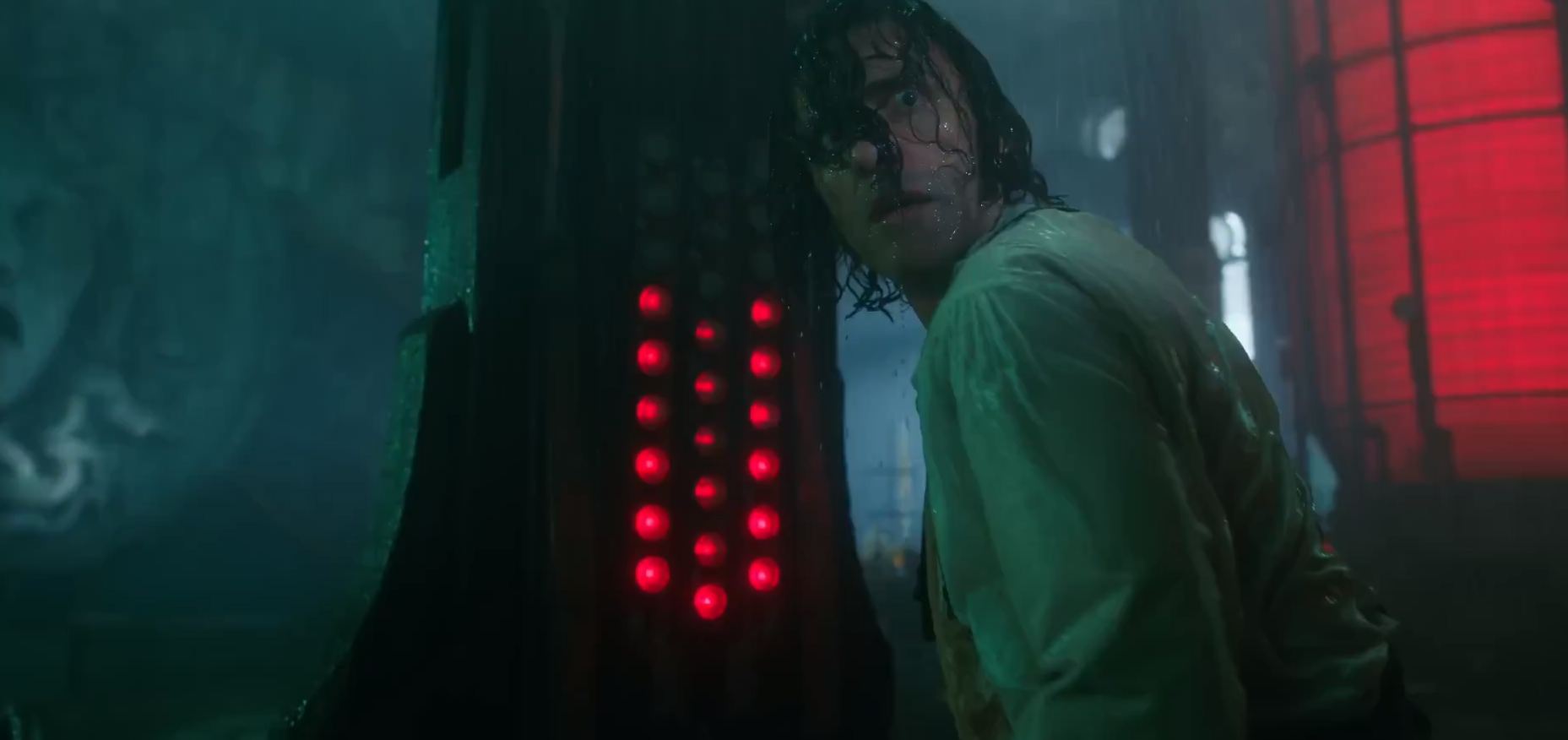
Moving on next is the painting that defined how cursed love and how beautiful stone can be.
Medusa by Caravaggio
As Victor Frankenstein prepares his elaborately designed laboratory, a conspicuous and oversized sculpture of Caravaggio’s Medusa dominates the setting, serving as a powerful, unsettling motif. In Greek mythology, Medusa is a figure of terror and misunderstood monstrosity, condemned and feared due to her appearance. The sculpture’s imposing presence directly parallels the creature’s own fate, reflecting how the world instantly perceives him through a lens of fear and horror.
The Medusa imagery signifies the treacherous divide between outward perception and inner essence, a central theme in the creature’s tragic narrative. Medusa’s terrifying gaze turns onlookers to stone; similarly, the creature’s mere appearance paralyzes potential friends with dread. The reference highlights the tragic irony that Frankenstein’s ambition results in a being doomed by the fear it unintentionally inspires, despite the creature possessing a gentle interior, a theme consistently explored in del Toro’s work.
This struggle between visual perception and reality is further deepened by another of Caravaggio’s works.
The Incredulity of Saint Thomas by Caravaggio
The film cleverly references Caravaggio’s dramatic painting The Incredulity of Saint Thomas during a pivotal moment of scientific realization. In the biblical scene, Thomas physically probes Christ’s wound to confirm his resurrection. The film mirrors this intense physical interaction when Victor reaches out and touches his creation, a silent act of needing physical proof to truly believe in the scientific miracle he achieved.
This visual reflection underscores the scientist’s deep-seated doubt and the need for empirical, tactile evidence even in the face of his own success. The image, therefore, is not only about Victor’s belief in his work but also about the creature’s desire for validation and acceptance. The moment represents a fragile, fleeting acceptance between creator and creation. This powerful visual connection underscores the film's philosophical exploration of belief versus proof.
The emotional need for validation is soon overshadowed by the Creature's profound existential crisis, drawing on a classic contemplation of mortality.
Hamlet’s Skull (Yorick’s Skull) by Sir John Gilbert
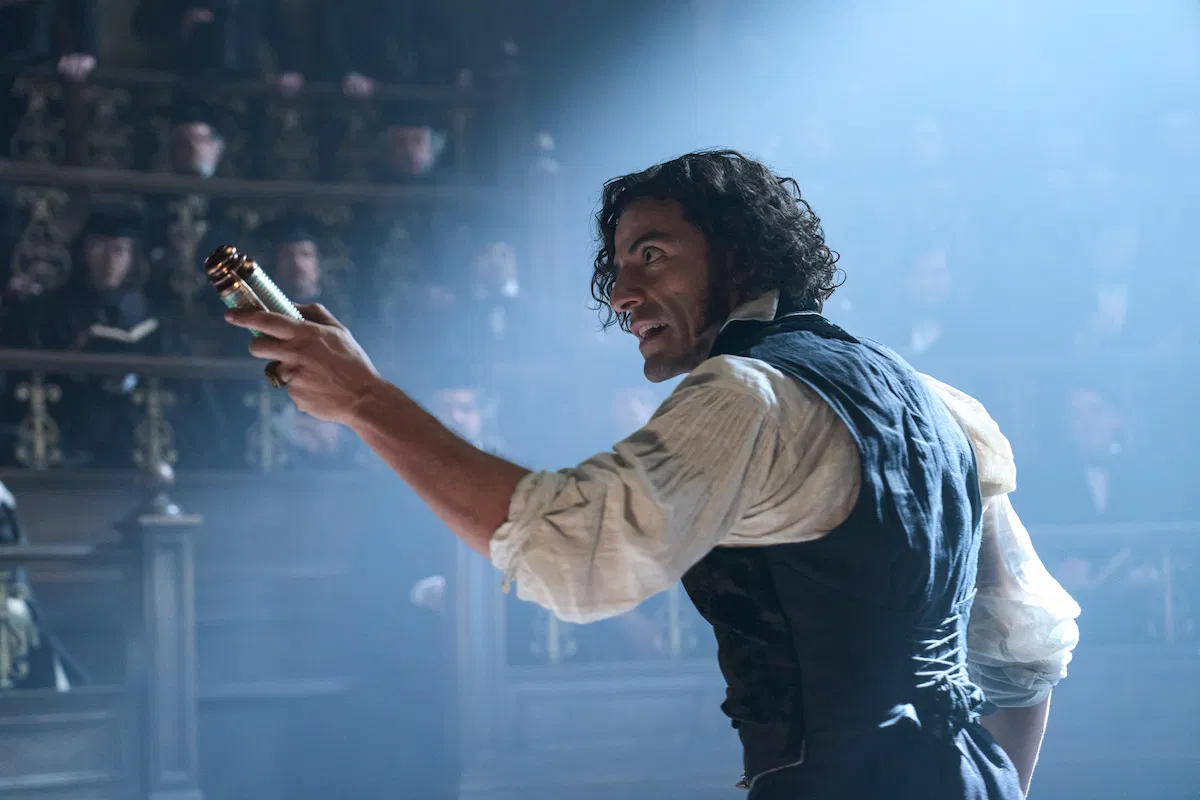
The creature engages in a moment of touching self-inspection, mirroring the iconic scene from Shakespeare’s Hamlet where the Prince holds Yorick’s skull. The creature holds up various glass photographic plates detailing the construction of its own fragmented body, contemplating these relics of its origins. This profound scene emphasizes themes of mortality, personal identity, and existential crisis, all tied to the creature’s fragmented and unnatural genesis.
Like Hamlet questioning life and death while holding the skull, the creature confronts its unnatural mortality and the mystery of its being. It is a powerful visual metaphor for seeking identity within a physical form that the world immediately rejects, deepening the tragic, Shakespearean undertones of the narrative.
Is ‘Frankenstein’ a True Story? The Real Life Inspirations Behind the Most Iconic Monster Story Ever
This existential crisis over a rejected identity naturally leads to the film's broader meditation on mortality and ambition, drawing inspiration from the next art.
Vanitas by Simon Renard de Saint-André
The overarching theme of decay and the fleeting nature of life, which is central to the Vanitas by Simon Renard de Saint-André, resonates throughout the film. The painting featuring skulls, fading flowers, and extinguished candles traditionally symbolizes the futility of earthly pursuits and the inevitability of death. These visual motifs underscore the transient nature of Victor’s quest for glory and his scientific hubris.
ADVERTISEMENT
Article continues below this ad
The narrative itself acts as a tragic Vanitas allegory, symbolizing the ultimate futility of Victor’s aggressive attempt to conquer natural death. His ambition leads only to devastation, ruin, and an accelerated confrontation with mortality, confirming that even the grandest scientific endeavor cannot overturn the natural order. This thematic resonance provides a classical framework for the film’s tragic consequences, a common motif in Guillermo del Toro's masterful horror films.
Guillermo del Toro’s adaptation of Frankenstein, shot in beautiful locations, secures its place as a lasting global favorite not merely through faithful narrative but by operating as a living, breathing commentary on art history.
ADVERTISEMENT
Article continues below this ad
What are your views on art parallels in Guillermo del Toro's Frankenstein? Let us know in the comments below.
ADVERTISEMENT

Edited By: Itti Mahajan
ADVERTISEMENT
ADVERTISEMENT
