
How 'Digger' Dug Its Own Grave: 4 Reasons Behind Its $250 Million Box Office Loss
Credit: Warner Bros. Pictures
Credit: Warner Bros. Pictures
Tom Cruise has spent four decades behaving like Hollywood’s emergency generator. Theaters wobble, Cruise straps himself to an airplane. Audiences drift toward streaming, Cruise responds with Top Gun: Maverick and nearly $1.5 billion. He has cultivated the aura of cinema’s last blue-chip superstar, a man seemingly prepared to personally wrestle theatrical exhibition back from extinction.
Then came Digger. Alejandro G. Iñárritu’s expensive eco-satire opened to a brutal $8 million domestically and roughly $20 million worldwide, giving Cruise his weakest start in almost two decades. Reports now projects losses reaching a staggering $250 million.
So how did Mr. Movies end up presiding over one of 2026’s biggest craters?
ADVERTISEMENT
Article continues below this ad
Sold the wrong movie
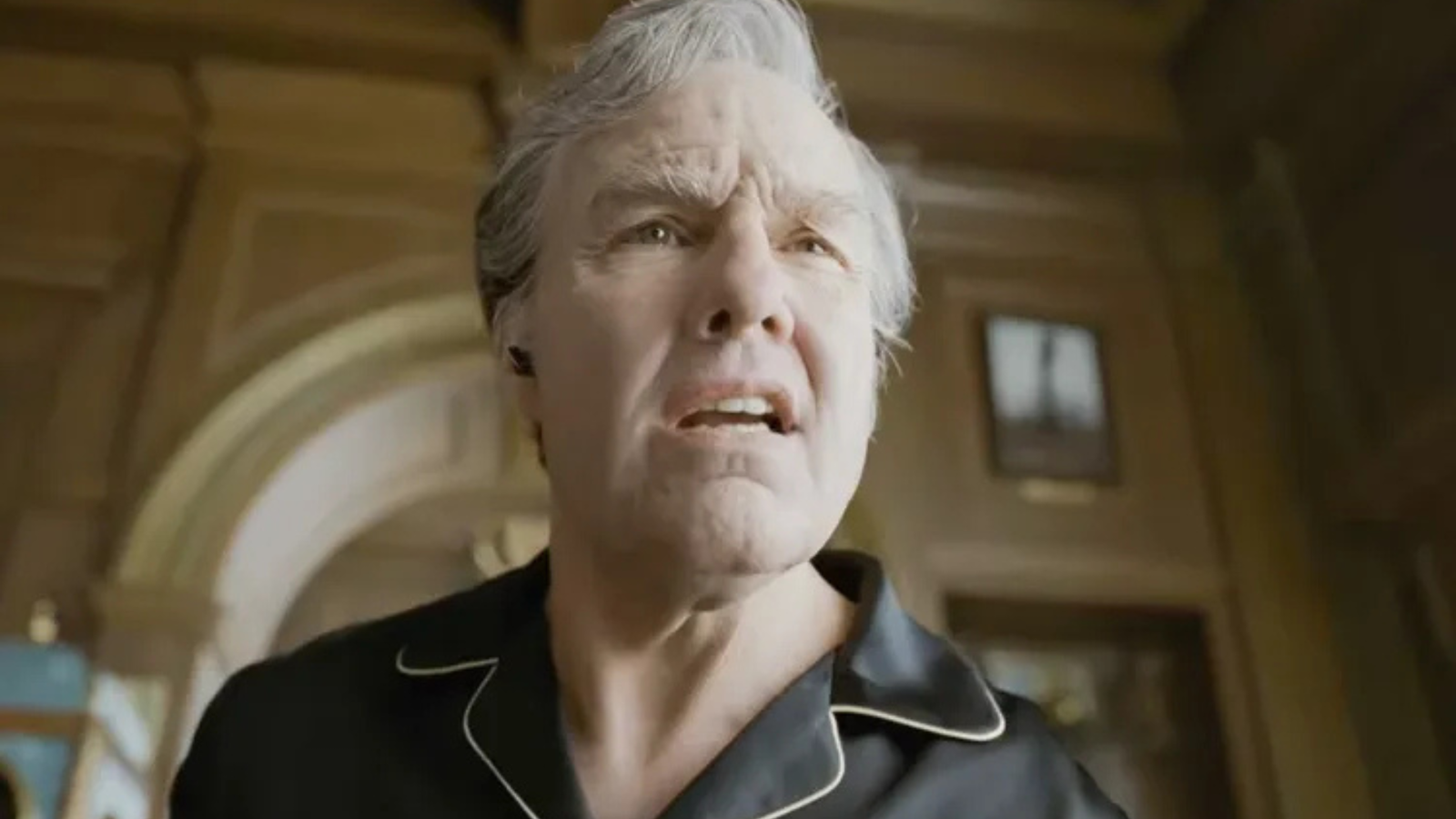
Selling Digger was always going to require a little wizardry. Warner Bros. responded by leaning heavily on the easiest thing to advertise: Tom Cruise being Tom Cruise. Early promotion practically turned the film into a coronation ceremony built around the star’s legacy. The first look opened with a three-minute retrospective of Cruise’s career before finally introducing Digger.
TOM CRUISE in DIGGER (2026), directed by ALEJANDRO GONZALEZ INARRITU. Copyright: xLegendaryxPicturesx xWarnerxBros.x xMxProductionsx xTCxProductionsx xAlbumx alb29937990 EDITORIAL USE ONLY
TOM CRUISE in DIGGER (2026), directed by ALEJANDRO GONZALEZ INARRITU. Copyright: xLegendaryxPicturesx xWarnerxBros.x xMxProductionsx xTCxProductionsx xAlbumx alb29937990 EDITORIAL USE ONLY
The montage flashed through Top Gun, Risky Business, Jerry Maguire, A Few Good Men and Mission: Impossible. The teaser’s caption even declared, “We’ve never trusted a man more.” Everything about that presentation suggested a gigantic Cruise event centered on an eccentric oil billionaire staring down the apocalypse.
What audiences actually received was considerably stranger. Digger is a dense, self-interrogating environmental satire about performance, capitalism, political paralysis and whether satire itself accomplishes anything. That is a far tougher proposition than the campaign initially suggested.
Warner later pivoted toward influencer screenings and ads encouraging viewers to “decide for yourself” after terrible reviews arrived. The strategy failed to generate meaningful momentum. The publicity had spent months selling the comforting idea of another Tom Cruise spectacle while Iñárritu had made something far more abrasive and theatrical.
That identity crisis was expensive enough on its own, and then came a budget large enough to make every mistake hurt twice as much.
A budget built to bleed
Hollywood can afford weird movies, and it can certainly afford expensive ones. Problems arrive when an experimental satire carries the financial expectations of a superhero tentpole. Reports places Digger’s production cost between $160 million and $180 million, with Warner Bros. spending another roughly $100 million on marketing.
Credits: Warner Bros. Pictures
Credits: Warner Bros. Pictures
Industry executives estimated that the movie needed somewhere around $300 million to $350 million worldwide simply to reach theatrical break-even territory. That is an extraordinary burden for an R-rated, original climate satire whose biggest attraction is Tom Cruise playing against his established blockbuster image.
The mathematics became grotesque immediately. Digger earned $8 million in North America during opening weekend, while international markets contributed around $12 million. A film carrying close to $300 million in combined production and promotional expenditure had opened globally to roughly $20 million.
Warner had initially hoped Cruise and Iñárritu could deliver at least $18 million to $20 million domestically alone. Skydance executives were stunned by the scale of the financial exposure after taking control of Warner Bros., with current projections placing the eventual loss near $250 million even after post-theatrical revenue.
A considerably leaner version of Digger could have survived as an eccentric prestige gamble. At this price, every philosophical detour needed blockbuster attendance to justify itself.
Unfortunately, the film’s boldest creative detour also became the moment its dramatic foundations started to wobble.
The twist that killed the stakes
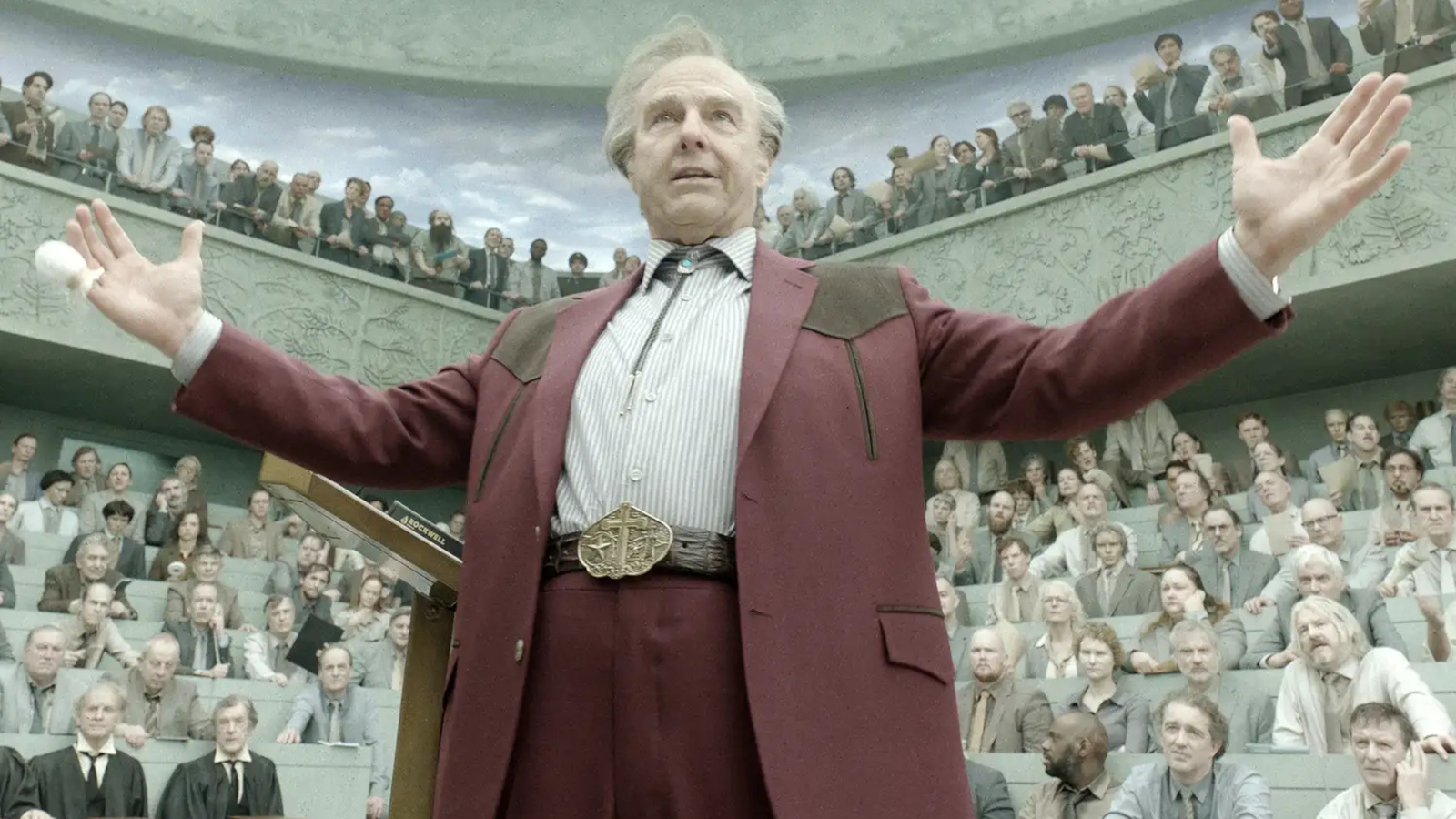
Major spoilers ahead, because Digger’s most fascinating idea may also be its most self-destructive. For roughly 20 minutes, Cruise appears to be playing Digger Rockwell, a grotesquely wealthy oil baron whose drilling operation triggers an environmental catastrophe. Ice is hurtling toward Europe, politicians are panicking, scientists are screaming, and civilization appears to be staring into the abyss.
Credit: Warner Bros. Pictures
Credit: Warner Bros. Pictures
Then a tree falls, nobody reacts, and a director calls cut. The apocalypse is suddenly revealed as a stage production. Cruise is actually playing Curtis Markson, an actor portraying Digger in a satirical play called Fossil Fools. The ecological disaster really happened within the movie’s universe, but audiences have been watching performers recreate it.
The reveal was exciting in theory, yet the execution becomes the movie’s central weakness because the performers behind the fictional characters never acquire enough dimension. There is also a structural cost. Every return backstage reminds the viewer that Digger’s crisis is being performed, and the immediate danger suddenly carries quotation marks.
Instead of riding the escalating catastrophe, the movie repeatedly stops to examine the machinery creating it. That approach serves Iñárritu’s argument about art, distraction and climate paralysis, but it fractures momentum. The film becomes commentary on its own commentary, and the sense of urgency weakens every time the curtain is pulled back.
That creative gamble might have survived with another star, but Tom Cruise arrives carrying a very specific kind of audience expectation.
The Tom Cruise problem
There is a peculiar contract between Tom Cruise and his audience. He runs, jumps, hangs from aircraft, rides motorcycles off cliffs and repeatedly treats mortality as a production challenge. Somewhere during every shoot, an insurance executive probably develops a fresh nervous twitch.
Tom Cruise at the press conference for Jerry Bruckheimer Adds Handprints and Footprints to GraumanÂâ€s Chinese Theatre, GraumanÂâ€s Chinese Theatre, Los Angeles, CA May 17, 2010. Photo By: Michael Germana Everett Collection For usage credit please use; Michael Germana Everett Collection !ACHTUNG AUFNAHMEDATUM GESCHÄTZT! PUBLICATIONXNOTxINxCANxCHNxFRAxITAxJPNxNORxPOLxRUSxESPxUKxUSA
Tom Cruise at the press conference for Jerry Bruckheimer Adds Handprints and Footprints to GraumanÂâ€s Chinese Theatre, GraumanÂâ€s Chinese Theatre, Los Angeles, CA May 17, 2010. Photo By: Michael Germana Everett Collection For usage credit please use; Michael Germana Everett Collection !ACHTUNG AUFNAHMEDATUM GESCHÄTZT! PUBLICATIONXNOTxINxCANxCHNxFRAxITAxJPNxNORxPOLxRUSxESPxUKxUSA
That expectation reached its purest modern form with Top Gun: Maverick. The film grossed nearly $1.5 billion and helped cement Cruise’s post-pandemic reputation as theatrical cinema’s great evangelist. His Mission: Impossible publicity likewise revolves around helicopters, skyscrapers, high-altitude stunts and whatever fresh argument he has decided to have with gravity.
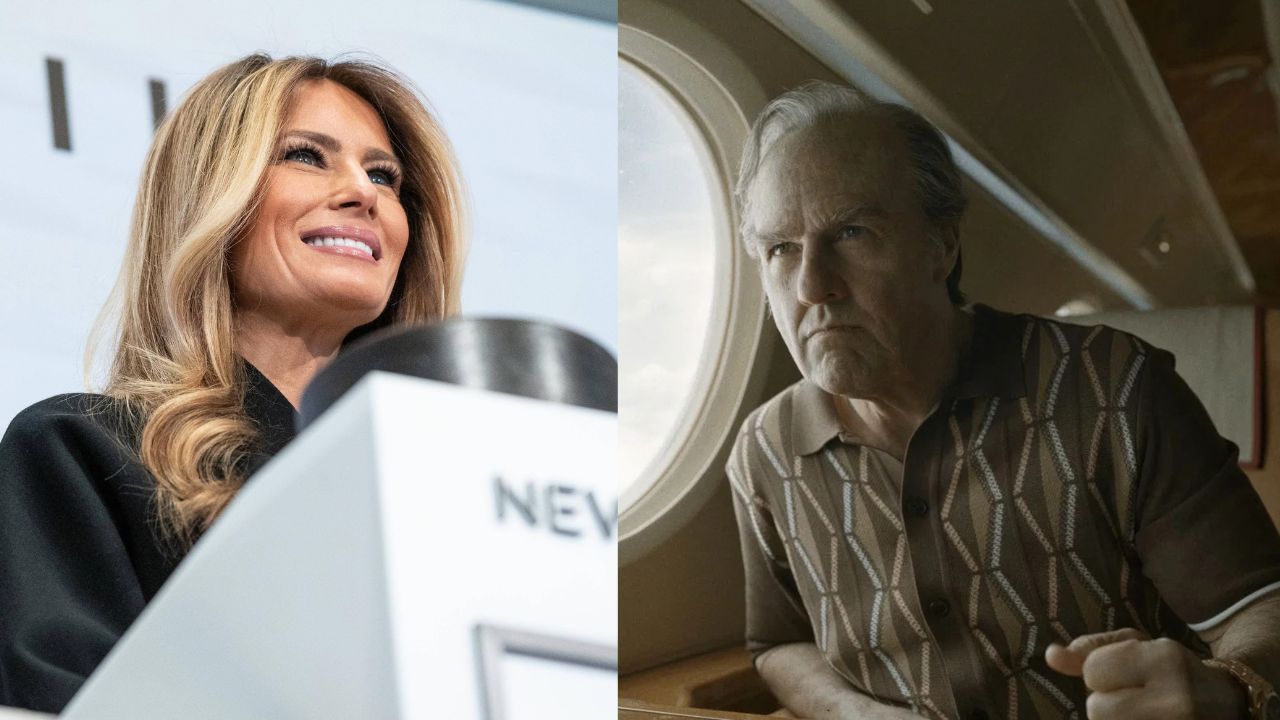
Digger deliberately offers another Cruise. He is buried under prosthetics, sporting bolo ties and playing an aging oil magnate inside an apocalyptic satire before the movie reveals another layer beneath that performance. This is Cruise returning to the actorly territory of Magnolia and Eyes Wide Shut, filtered through Iñárritu’s political absurdism.
ADVERTISEMENT
Article continues below this ad
There is artistic value in that risk. Critics remain deeply divided, and figures including Anne Hathaway, Guillermo del Toro and Ron Howard have publicly defended the film’s ambition. Commercially, however, the mismatch was brutal, with box-office analysis concluding that the movie was not engineered around the qualities that currently make Cruise such a powerful theatrical attraction.
People have spent years watching him risk his body to prove movies still matter. Digger asks them to watch him debate whether art can matter while civilization burns, creating a gap between star persona and finished product that audiences clearly struggled to cross. That may eventually make Digger a fascinating cult object, but Warner Bros.’ accountants have already seen enough of the excavation.
ADVERTISEMENT
Article continues below this ad
What do you think doomed Digger most: the marketing, the astronomical budget, its divisive twist, or audiences expecting a completely different Tom Cruise experience? Let us know in the comments.
ADVERTISEMENT

Edited By: Aliza Siddiqui
More from Netflix Junkie on Hollywood News




ADVERTISEMENT