
How Christopher Nolan Reinvents Homer’s Odyssey: Every Major Change Explained
Credits: Universal Pictures
Credits: Universal Pictures
Christopher Nolan's The Odyssey has taken on a poem that outlived empires, languages, and every film school syllabus, and somehow still found room to leave his own fingerprints on it. The man who folded time in Inception and split a beach into three timelines in Dunkirk was never going to hand Homer a straightforward retelling. Gods get demoted, wives get promoted, and one enchantress gets an entirely new personality, all under seventy millimeters of IMAX film. Three thousand years of storytelling just met its most stubborn editor yet.
As the story reaches the screen, its very shape has changed first.
The Odyssey trades flashbacks for a straighter timeline
ADVERTISEMENT
Article continues below this ad
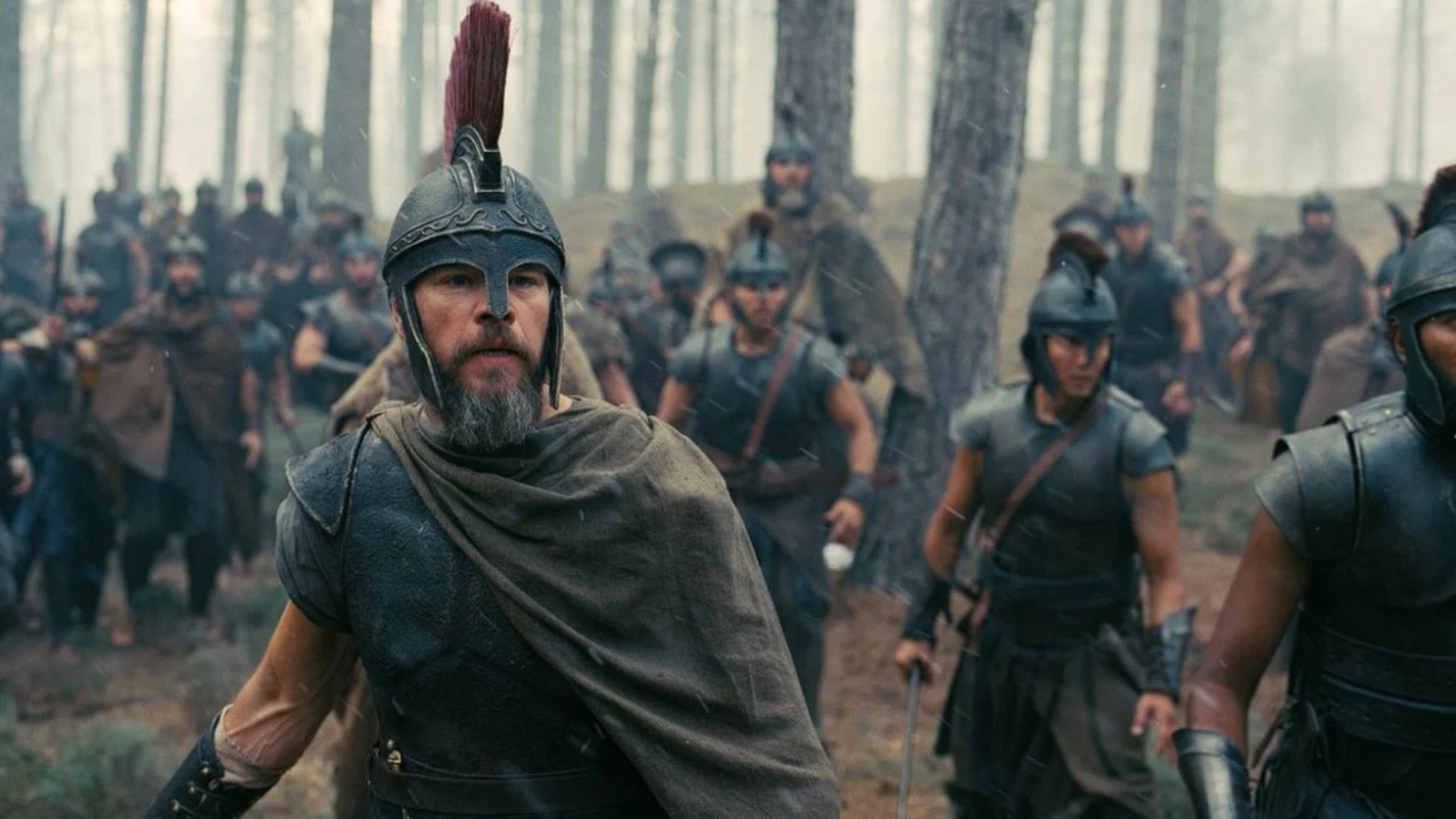
Homer's original epic opens in medias res, weaving in Odysseus's adventures through flashback narration delivered to the Phaeacians. Christopher Nolan discards this layered approach in favor of a linear, chronological retelling. This structural choice lets audiences witness the encounters with monsters and gods unfold in real time rather than through secondhand storytelling. The shift trades some of the poem's intricate oral-tradition texture for a more immediate cinematic experience.
Credit: Universal Pictures
Credit: Universal Pictures
As the timeline straightens out, the fate of the gods themselves comes into question.
The gods lose their grip on the story
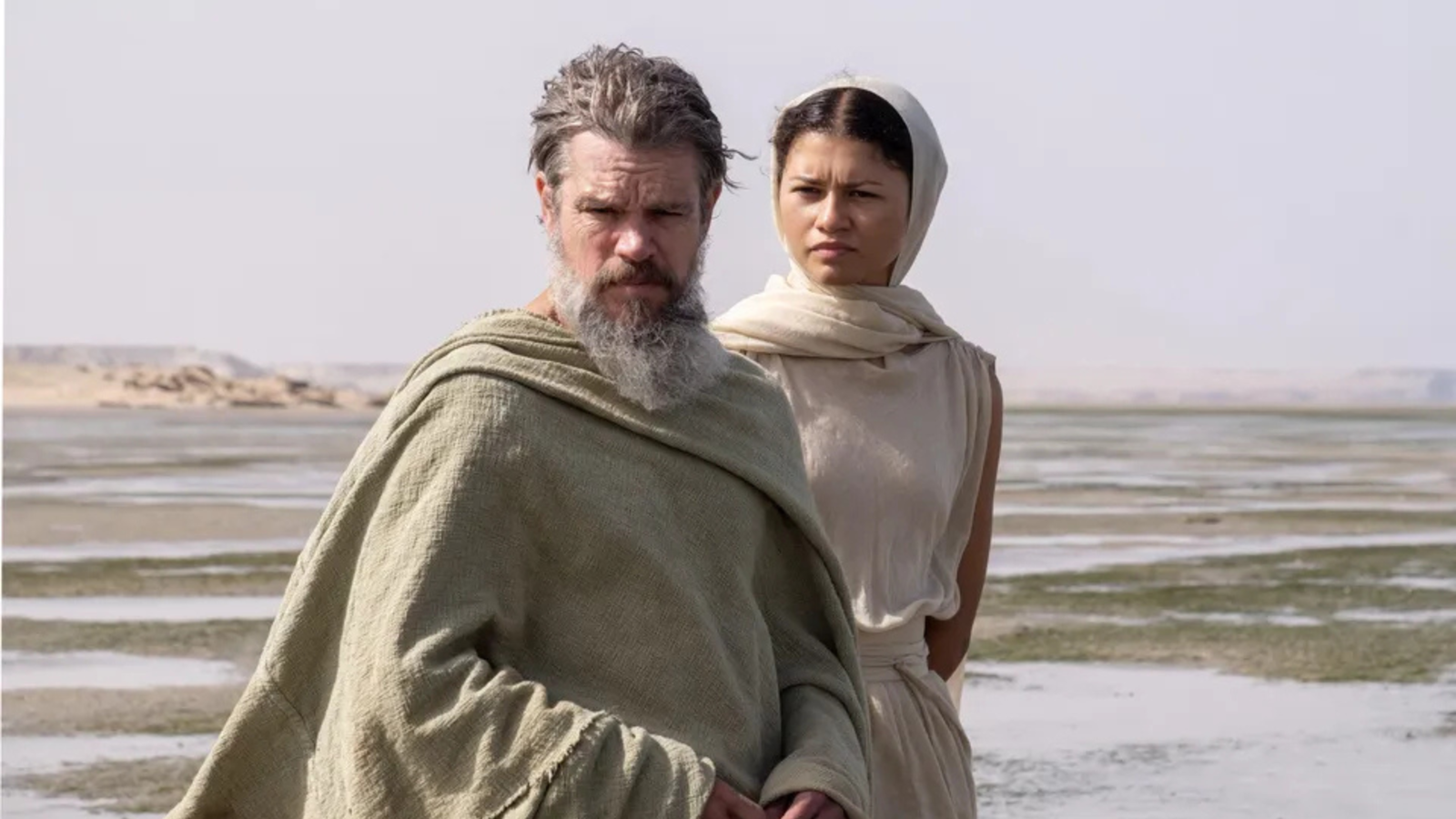
In Homer's telling, the Olympian gods actively shape mortal events, with Athena guiding Odysseus and Poseidon working against him at every turn. Christopher Nolan grounds this divine machinery in something closer to nature and myth as metaphor. Storms and omens stand in for godly wrath, while Zendaya's Athena remains the only deity with a visible, tangible presence on screen. The change pushes the story toward human agency rather than fate decided from above.
While the gods fade into the background, an entire island stay disappears along with them.
The Odyssey leaves the Phaeacian stopover behind
Homer spends a considerable stretch of the poem inside the court of the Phaeacians, where Princess Nausicaa and King Alcinous welcome Odysseus and hear his story firsthand. Christopher Nolan trims this episode significantly, folding pieces of it into the Calypso and Lotus-Eaters sequences instead. The decision removes a gentler, more reflective chapter from the hero's journey. What remains is a tighter path toward home, stripped of one of the poem's calmer detours.
As one relationship shrinks on the page, another grows far larger on screen.
Telemachus becomes central to the story
Odysseus and his son Telemachus reunite fairly late in Homer's narrative, and their scenes together remain relatively brief. Christopher Nolan expands this bond considerably, giving father and son far more shared screen time. Tom Holland takes on the role of Telemachus, and his presence deepens the film's themes of absence and legacy. The added weight gives the entire journey home a more personal, emotional anchor.
While the son gains new depth, the wife waiting at home receives an even bigger transformation.
The Odyssey lets Penelope step out of the background
Penelope exists in Homer's poem mostly as a symbol of patience and cunning, famously unweaving her loom work to delay a house full of suitors. Christopher Nolan gives her far more presence, and Anne Hathaway's version of the character carries visible inner conflict throughout the film. Her long wait becomes an active storyline rather than a quiet backdrop. The result turns Penelope into a fully realized figure instead of a symbol left waiting at the edges.
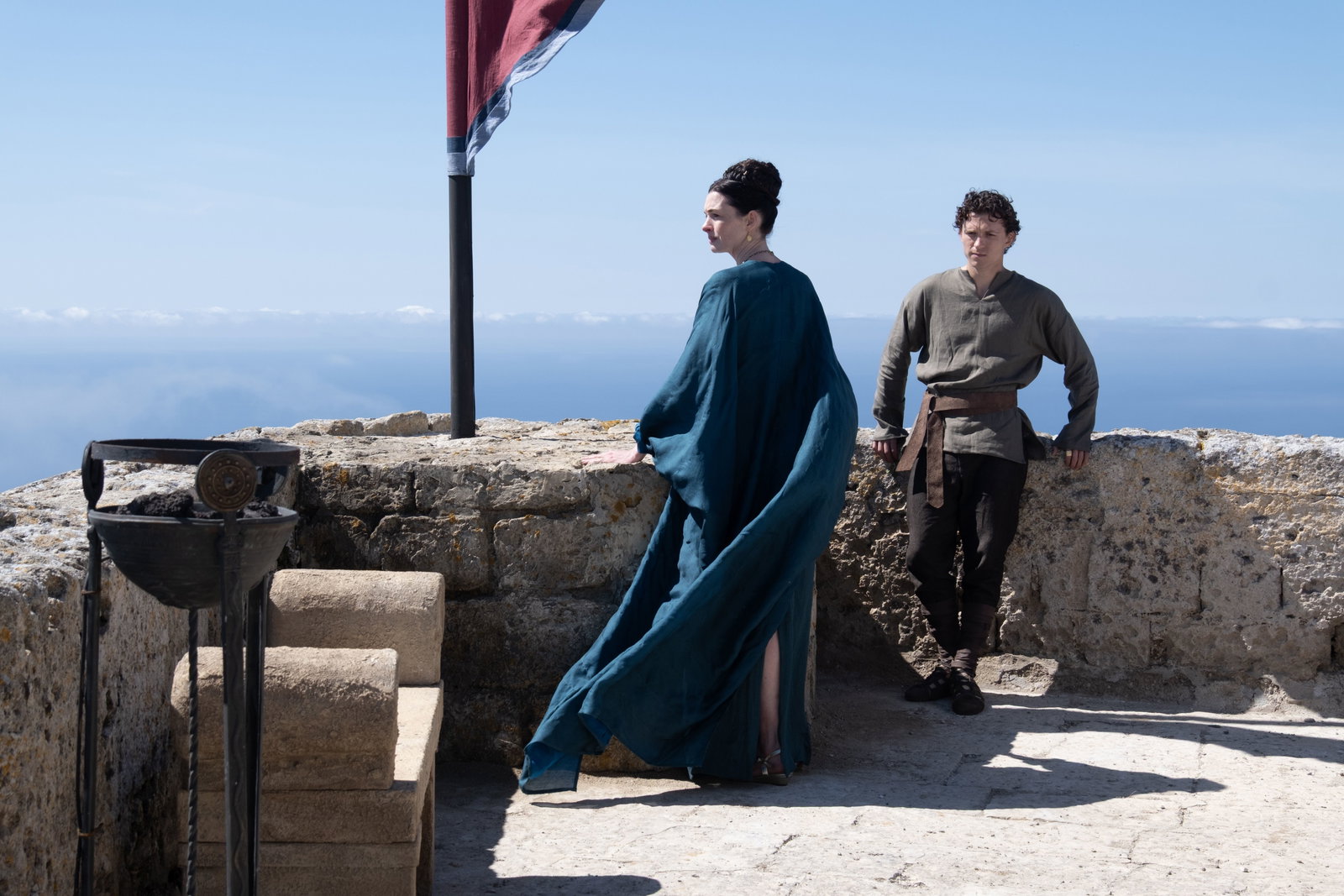
ANNE HATHAWAY and TOM HOLLAND in THE ODYSSEY (2026), directed by CHRISTOPHER NOLAN. Copyright: xSyncopyxProductionx xUniversalxPicturesx xAlbumx alb28505395 EDITORIAL USE ONLY
ANNE HATHAWAY and TOM HOLLAND in THE ODYSSEY (2026), directed by CHRISTOPHER NOLAN. Copyright: xSyncopyxProductionx xUniversalxPicturesx xAlbumx alb28505395 EDITORIAL USE ONLY
As Penelope's story deepens, one of the poem's darker figures gets an entirely new shade.
Circe becomes far more human
Circe appears in Homer's version as a distant and dangerous enchantress who turns Odysseus's crew into pigs before eventually helping him. Samantha Morton takes on the role in Christopher Nolan's film, and her portrayal carries far more nuance than the original text allows. She reads as vulnerable and unsettling within the same scene, blending unease with real emotional weight. Early reactions single out her sequence as one of the film's most striking stretches.
While Circe unsettles audiences, another enchantress trades her spell for something closer to memory itself.
Calypso and the Lotus-Eaters merge into one
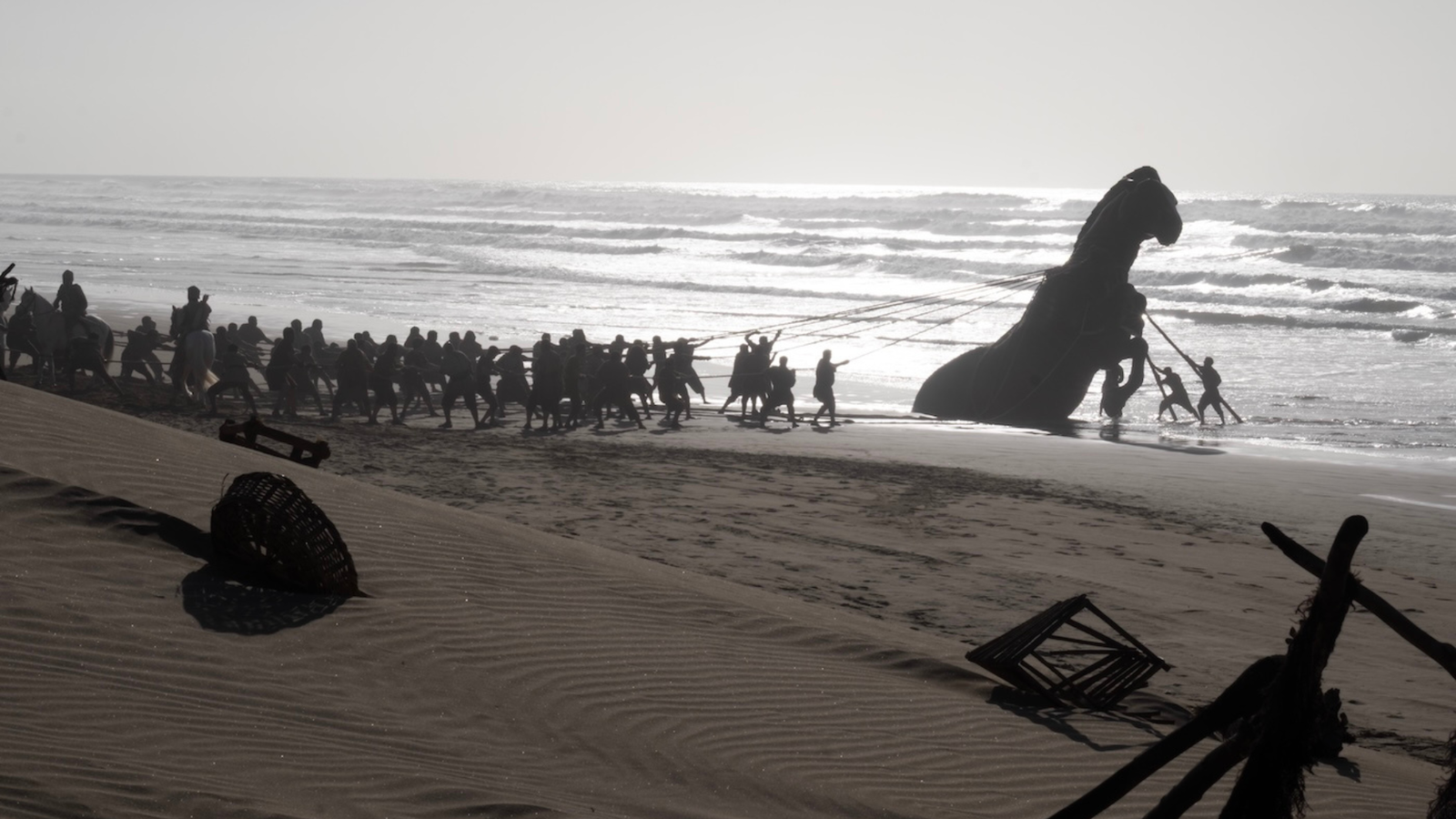
Homer keeps Odysseus trapped on Calypso's island for seven years, tempted by an offer of immortality if he simply stays. Christopher Nolan merges her arc with the Lotus-Eaters episode, and Charlize Theron's Calypso uses the lotus plant to erase Odysseus's memory of home. This combination compresses two separate detours into a single, memory-driven ordeal. The change leans into themes of forgetting, trauma, and the pull to abandon one's responsibilities altogether.
Credits: Universal Pictures
Credits: Universal Pictures
As memory becomes a weapon in the story, the entire mood of the film shifts with it.
A darker, heavier tone replaces the poem's balance
Homer's original mixes grand adventure with humor, clever trickery, and genuine tragedy in fairly equal measure. Christopher Nolan's adaptation leans into a heavier, more psychological register instead. Emotional struggle, memory loss, and the toll of long absence take precedence over lighter moments. The film keeps its epic scale but feels noticeably more introspective, in line with the director's usual sensibility.
While the tone turns inward, even the way characters speak gets a modern update.
The Odyssey trades poetry for plain speech
Homer's epic relies on elevated, formal language shaped by centuries of oral storytelling tradition. Christopher Nolan opts for dialogue that sounds modern, direct, and distinctly American in accent and rhythm. The choice appears deliberate, meant to make an ancient story feel emotionally immediate rather than distant or theatrical. Reactions to this shift have been mixed, though it fits squarely within Nolan's broader goal of accessibility.
via Imago
Credits: Imago
As the language modernizes, the ending itself wraps up on a noticeably different note.
The ending arrives sooner than expected
Homer's poem continues well past the defeat of the suitors, extending into a reunion with Laertes and a near civil conflict that Athena ultimately halts. Christopher Nolan's film concludes far sooner, ending shortly after Odysseus reunites with Penelope. The focus narrows to personal healing and closure, with Telemachus stepping into his father's throne. This tighter ending gives the film a sense of resolution suited to its runtime.
While the finish line moves closer, the entire emotional center of the story shifts as well.
The focus turns inward toward family and healing
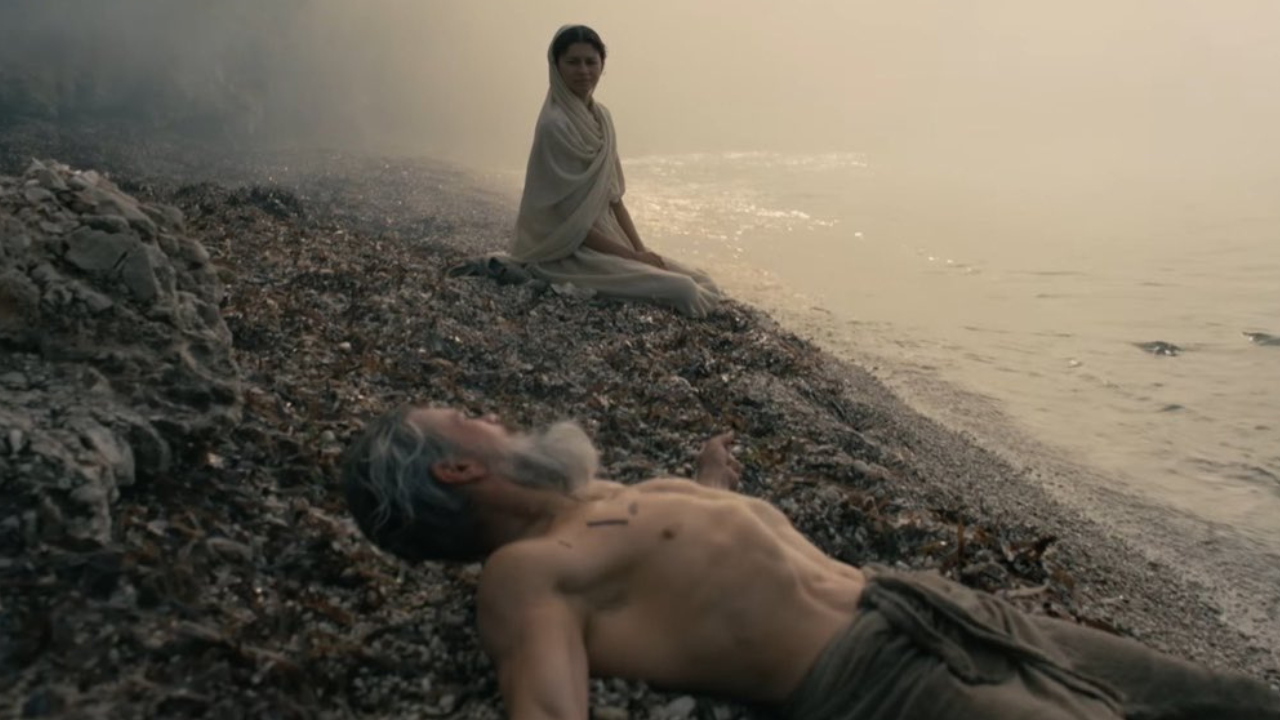
Homer balances Odysseus's long voyage with the fate of his crew and the unfolding events back home in Ithaca. Christopher Nolan narrows this focus toward the hero's internal wounds and his relationships with family. Monsters and large-scale spectacle remain part of the film, but they share space with quieter, more personal moments. Homecoming, memory, and fatherhood take on greater weight than in the source material.
Credits: Syncopy Inc. and Universal Pictures
Credits: Syncopy Inc. and Universal Pictures
As the emotional focus sharpens, the sheer scale of the original story still has to fit somewhere.
ADVERTISEMENT
Article continues below this ad
An entire epic compressed into one film
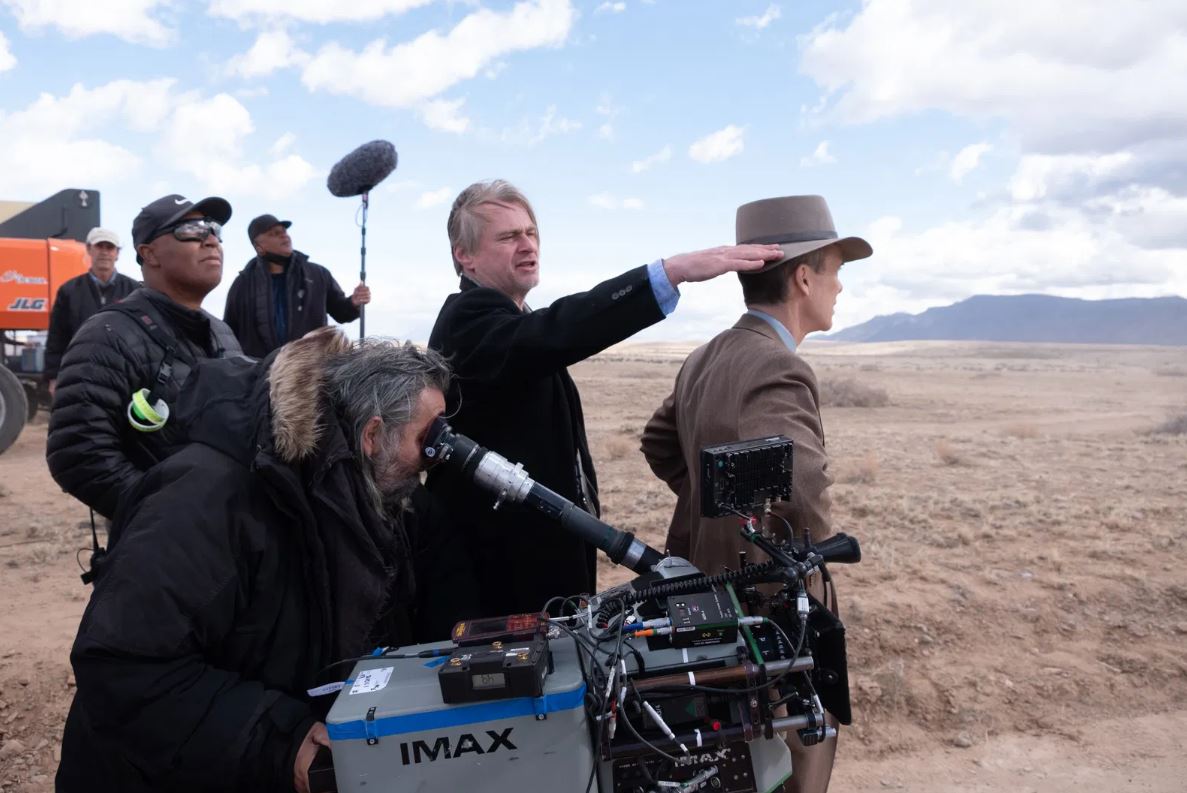
Homer's Odyssey spans roughly twelve thousand lines, and dozens of episodes stretched across many years of storytelling. Christopher Nolan compresses this into a single feature that runs just under three hours, filmed entirely on IMAX cameras. Numerous side characters and detours are shortened, combined, or removed entirely to fit that runtime. Despite the trimming, the essence of the legendary journey remains fully intact on screen.
ADVERTISEMENT
Article continues below this ad
What are your thoughts on Christopher Nolan's take on Homer's Odyssey? Let us know in the comments.
ADVERTISEMENT

Edited By: Aliza Siddiqui
ADVERTISEMENT
ADVERTISEMENT
