
‘House of the Dragon’ Teases a Dark Turn As the Dance of the Dragons Resumes on HBO Max
Credits: Ollie Upton/HBO
Credits: Ollie Upton/HBO
In the expanding mythology of House of the Dragon, power has never been static, only inherited through fire, grief, and calculated restraint. The second season of the show closed not with triumph, but with a quiet rearrangement of loyalties, and now, the third season's trailer has laid down a premise more intense than ever ahead of a now confirmed July release. As a prequel to Game of Thrones, its importance lies in how it reframes legacy, showing that the Targaryen collapse was not inevitable but engineered through human fracture.
After an excruciating wait marked by speculation and scattered confirmations, the timeline has finally locked into place. The next chapter is no longer abstract anticipation. It is scheduled, defined, and ready to escalate a war that has only just begun to reveal its cost.
Season 3 of House of the Dragon sets a premiere date as the war expands
ADVERTISEMENT
Article continues below this ad
The third season of House of the Dragon will premiere on June 21, 2026, aligning precisely with earlier hints from Matt Smith, whose offhand reveals have developed a reputation for being unpredictably accurate. Episodes will follow a weekly rollout on HBO and stream simultaneously on HBO Max, maintaining the disciplined cadence that once defined appointment television during the original Westeros era. The finale is scheduled for August 9, extending an eight-week arc that mirrors the tightened storytelling approach of the previous season.
Alongside the release confirmation, a new trailer positions the narrative in unmistakably mythic terms. Daemon Targaryen’s renewed allegiance to Rhaenyra reframes their alliance from fragile to strategic, while Alicent’s late-season admission of error signals an internal collapse within the Greens. Meanwhile, Aegon’s survival and retreat introduce a volatile revenge thread directed at Aemond, suggesting that familial conflict may soon eclipse political rivalry.
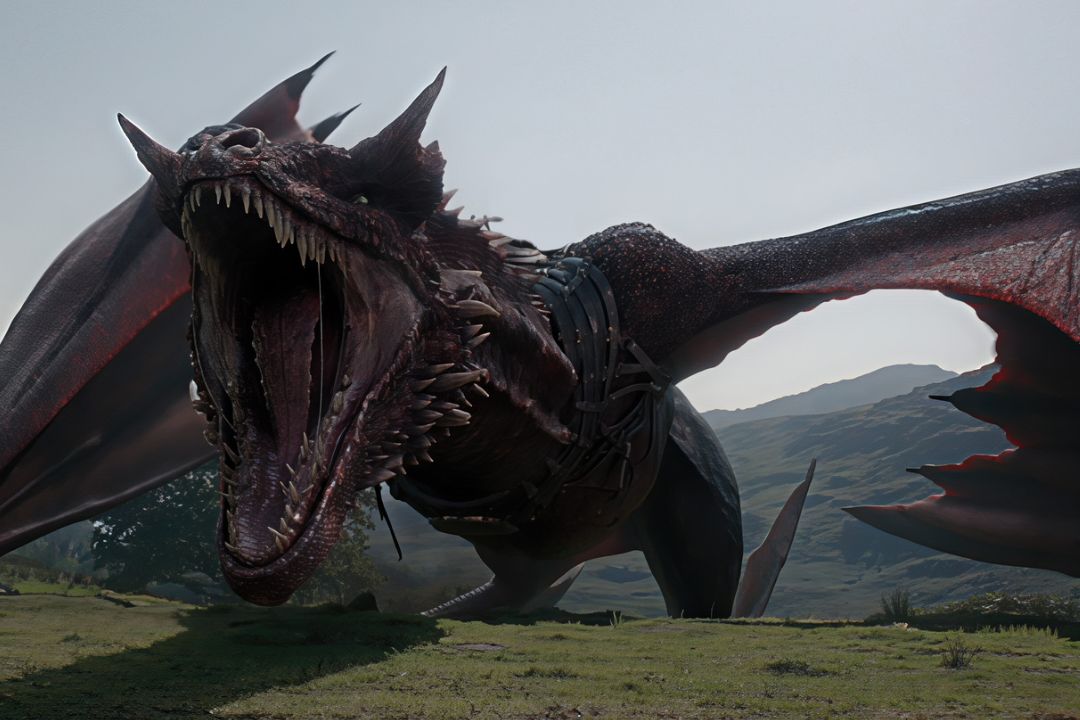
The larger question now is not who will claim the Iron Throne, but how much of Westeros will remain intact by the time that claim is made.
A structural shift begins with the Battle of the Gullet
Traditionally, the franchise has reserved its most ambitious battles for final episodes, a structure visible in events like Blackwater and later large-scale confrontations. Season two appeared to be building toward that same expectation, with the Battle of the Gullet positioned as its natural climax. By relocating this pivotal naval conflict to the opening stretch of season three, the series disrupts a long-established rhythm.
ADVERTISEMENT
Article continues below this ad
This decision carries both narrative and tonal implications. The Battle of the Gullet is not a contained spectacle. It is a hinge moment that destabilizes alliances and accelerates the war into a far more destructive phase. This aligns closely with the broader arc of George R. R. Martin’s source material, where the Dance of the Dragons unfolds as a sequence of compounding disasters rather than a single decisive confrontation.
What follows is expected to include events such as the fall of King’s Landing and other large-scale engagements that would traditionally serve as season finales in their own right. In that context, opening with the Gullet is not an act of excess, but of accuracy. The third season, then, is redefining how that story is delivered, shifting from measured tragedy to a dark, funny, action-packed, emotional, and, relentless collapse.

ADVERTISEMENT
Article continues below this ad
What are your expectations for the new House of the Dragon season, and where do you believe the balance of power will ultimately fall? Share your take in the comments.
ADVERTISEMENT

Edited By: Adiba Nizami
More from Netflix Junkie on Hollywood News






ADVERTISEMENT