
Hollywood’s Biggest Players Back Federal Film Incentive to Boost US Production

News Bilder des Tages December 29, 2020, Los Angeles, California, USA: After the first winter storm, snow-covered the mountains are seen behind the Hollywood sign at Kenneth Hahn State Recreation Area. Los Angeles USA - ZUMAc68_ 20201229_zaf_c68_003 Copyright: xRingoxChiux
News Bilder des Tages December 29, 2020, Los Angeles, California, USA: After the first winter storm, snow-covered the mountains are seen behind the Hollywood sign at Kenneth Hahn State Recreation Area. Los Angeles USA - ZUMAc68_ 20201229_zaf_c68_003 Copyright: xRingoxChiux
According to a new industry report, Hollywood studios and unions are backing a proposed federal film incentive aimed at bringing more production and jobs back to the United States. For an industry built on spectacle, Hollywood has found itself facing a rather unglamorous problem: where the cameras go next. With tax incentives higher than ever, productions increasingly weigh the financial advantages of shooting outside the US, while American crews contend with fewer opportunities at home.
Now, Hollywood is no longer merely asking where movies should be made; it is asking whether America can afford to keep making them.
Hollywood bigwigs rally behind a federal production incentive
The Motion Picture Association and entertainment unions are promoting a proposed federal film and television incentive after an MPA-commissioned report projected that the measure could create approximately 143,500 production jobs annually. The study, prepared by Olsberg SPI, estimates that a 20% federal credit on qualifying production labor costs could double US film and television production by 2032.
The proposal has attracted bipartisan support. Representatives Laura Friedman, a Democrat, and Brian Jack, a Republican, has joined MPA chairman and CEO Charles Rivkin and SAG-AFTRA president Sean Astin in presenting the case.

Deauville Libre Echange Screening FC Charles Rivkin, Chairman & CEO attending the opening ceremony as part of the 51th Deauville American Film Festival on September 5, 2025 in Deauville, France. Photo by Franck Castel ABACAPRESS.COM Deauville France Copyright: xCastelxFranck ABACAx
Deauville Libre Echange Screening FC Charles Rivkin, Chairman & CEO attending the opening ceremony as part of the 51th Deauville American Film Festival on September 5, 2025 in Deauville, France. Photo by Franck Castel ABACAPRESS.COM Deauville France Copyright: xCastelxFranck ABACAx
The numbers are intended to make the economic argument difficult to ignore. The report projects US production spending could reach $34.7 billion by 2032 with the incentive, compared with $16.9 billion without it. It also estimates an additional $125.3 billion in production spending cumulatively through 2035.

Behind the tax-credit language is a much larger fight over jobs, competitiveness and where the next American production will actually roll the camera.
The proposal is really about keeping Hollywood working at home
The MPA and unions are presenting the incentive as a response to an increasingly international production economy. Other countries already use financial incentives to attract American productions, while individual US states compete against one another through their own programs. The proposed federal credit would add another layer to that competition rather than leaving American productions to make the calculation state by state.
The proposed legislation has not yet been formally introduced, although supporters expect legislative text this month and hope Congress could act before the end of the year. President Donald Trump endorsed the concept last month, giving the campaign an additional political boost.

Sean Astin Political Theater UNITED STATES - JULY 1: Sean Astin, president of the Screen Actors Guild-American Federation of Television and Radio Artists, is interviewed about his role with SAG-AFTRA during the Political Theater podcast with Jason Dick, editor in chief of CQ Roll Call, in Washington, D.C., on Wednesday, July 1, 2026. (Tom Williams CQ Roll Call) Washington DC United States EDITORIAL USE ONLY Copyright: x2026xCQ-RollxCall,xInc.x TomxWilliamsx rollcallpix171830
Sean Astin Political Theater UNITED STATES - JULY 1: Sean Astin, president of the Screen Actors Guild-American Federation of Television and Radio Artists, is interviewed about his role with SAG-AFTRA during the Political Theater podcast with Jason Dick, editor in chief of CQ Roll Call, in Washington, D.C., on Wednesday, July 1, 2026. (Tom Williams CQ Roll Call) Washington DC United States EDITORIAL USE ONLY Copyright: x2026xCQ-RollxCall,xInc.x TomxWilliamsx rollcallpix171830
The industry's pitch is ultimately straightforward: production spending creates work far beyond the actors appearing on screen. Crews, technicians, electricians and other craftspeople depend on those shoots, as do businesses surrounding them. Whether Congress accepts that case remains unresolved, but Hollywood has clearly decided that waiting for productions to return on their own is no longer a strategy.
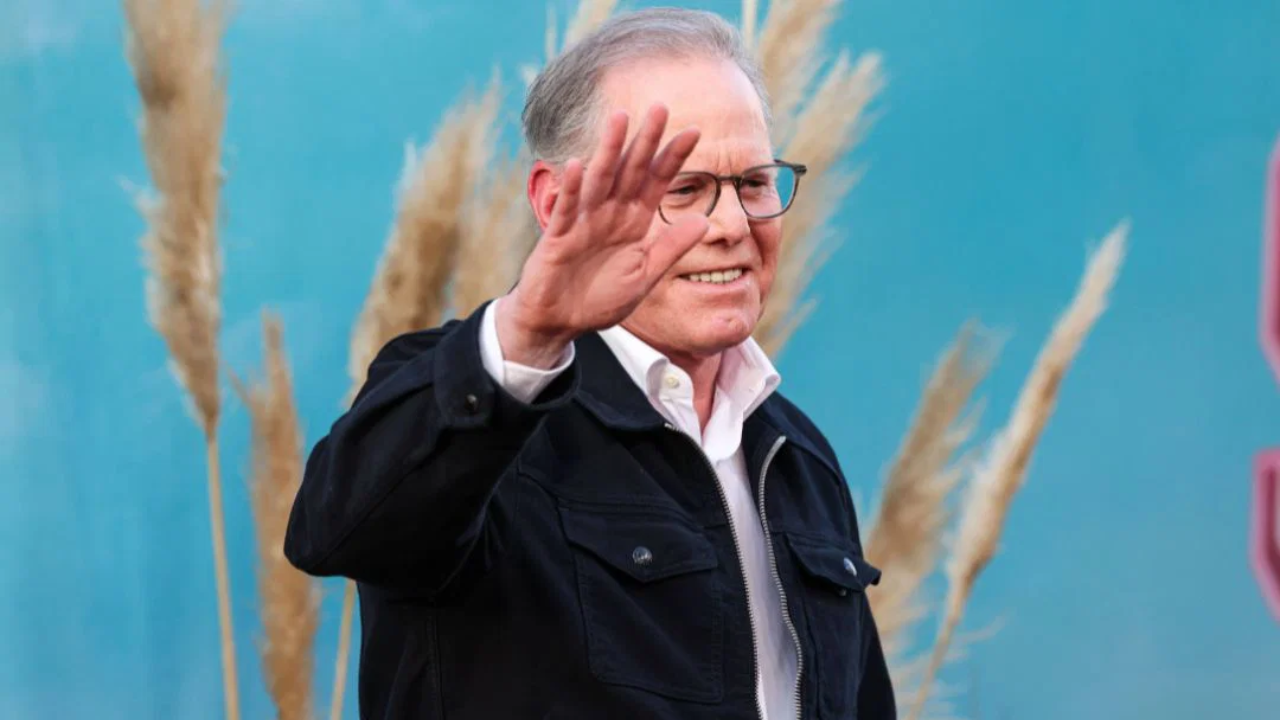
What do you think of Hollywood superpowers coming together to boost production in the US? Let us know in the comments.

Edited By: Hriddhi Maitra
