
Hollywood Celebrities Who Are Fighting for Their Rights Against AI in the 21st Century
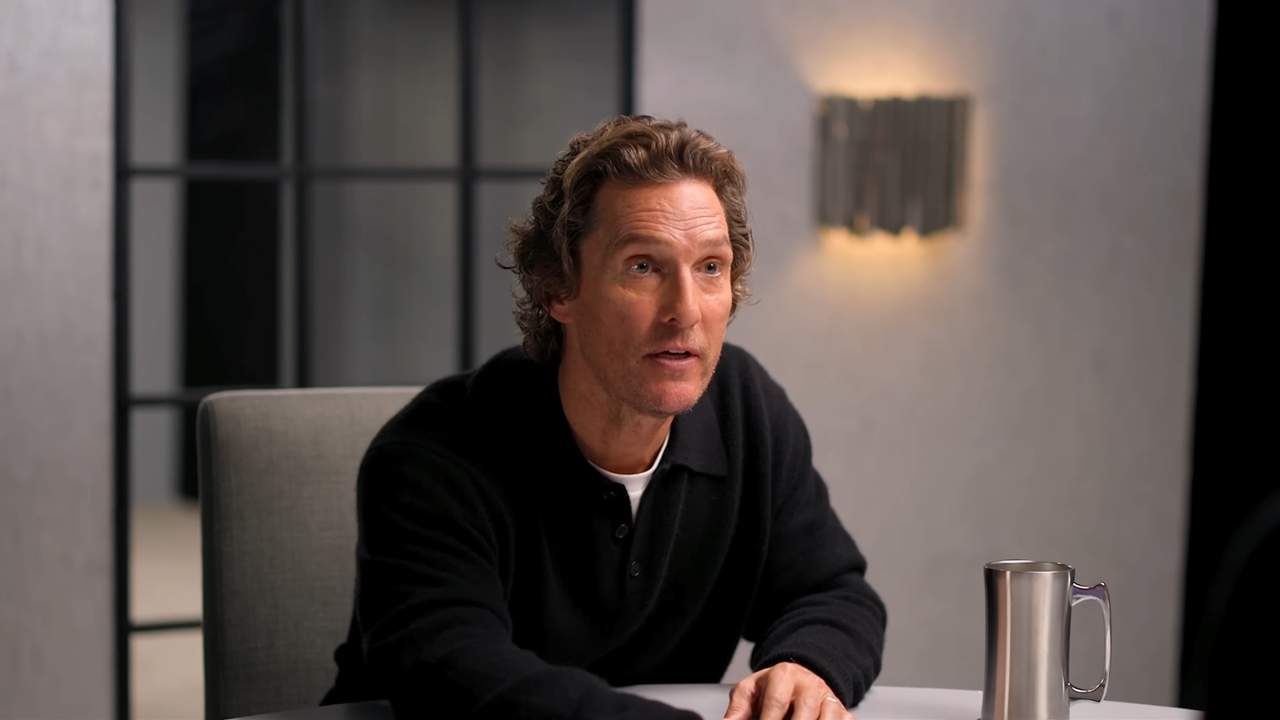
Credits: Steven Bartlett
Credits: Steven Bartlett
The rise of generative AI has created a new battle over identity, as Hollywood celebrities push for greater control over how their faces, voices, and personal brands are used online. AI tools can now create highly realistic deepfakes, cloned voices, and fake endorsements that make it difficult to distinguish reality from fabrication. These digital replicas can damage reputations, mislead audiences, and allow others to profit from a celebrity’s image without consent.
So, with laws surrounding AI-generated content still developing, many Hollywood figures are exploring trademarks and other legal protections as a way to safeguard their identities and maintain control over their digital presence in the 21st century.
Matthew McConaughey
Matthew McConaughey has built a legal shield around his identity by filing trademarks that protect specific parts of his persona from unauthorized AI use. His trademark applications go beyond words and include unique sensory elements linked to his public image. They cover his iconic “Alright, alright, alright” catchphrase from Dazed and Confused, along with an audio clip of him saying, “Just keep livin’, right?” followed by “I mean,” and ending with, “What are we gonna do?”
His legal protections also extend to visual moments, including specific video clips of him standing on a porch and sitting in front of a Christmas tree. The strategy gives his team another legal path if someone creates AI-generated content that copies these recognizable elements without permission. McConaughey believes the answer is not stopping AI but ensuring people maintain control over their own identities.
“Own yourself,” he said at the CNN Town Hall, arguing that creators should decide how their digital likeness is used and whether others can license it.
However, his approach has sparked debate, with critics pointing out that wealthy celebrities can afford legal protection while many creators and performers cannot.
Jimmy Kimmel
Jimmy Kimmel has taken a highly specific approach to protecting his identity from AI misuse by trademarking recognizable elements of his late-night persona. Instead of attempting to trademark his entire voice or likeness, his legal team focused on unique, repeatable identifiers that can be recognized as part of his brand. One of his applications covers the signature opening sequence of Jimmy Kimmel Live!, including the phrase, “Hi, I'm Jimmy I'm the host of the show… thank you, thank you… thanks for coming… thanks for watching at home… thank you for joining us here.”
The filing also describes his vocal delivery, noting that the opening words are spoken at a higher pitch before gradually moving lower. His other trademark applications focus on specific visual setups, including Kimmel sitting behind his late-night desk and standing on stage delivering his opening monologue. The strategy could provide a faster legal route against unauthorized AI replicas by treating these elements as trademark violations rather than relying only on broader likeness protections.
Lionel Richie
A voice that defined generations of music may now become a legal weapon against artificial intelligence. Lionel Richie has taken a new approach in the fight over AI-generated content by seeking trademark protection for the unique way he delivers some of his most recognizable musical phrases. Through RichLion Holdings, LLC, four trademark applications were filed covering signature vocal performances from songs including 'Hello, is it me you're looking for,' 'All Night Long,' 'Easy Like Sunday Morning,' and 'Say You, Say Me.'
Rather than claiming ownership over the lyrics themselves, the applications focus on the specific sound and vocal delivery associated with Richie’s performances. The filings use an “intent-to-use” strategy, suggesting these recordings could become identifiers for future entertainment-related branding. If approved, the trademarks could give Richie a powerful tool against AI voice clones by treating unauthorized recreations of his signature sound as brand misuse rather than only a copyright issue.
Taylor Swift
Taylor Swift is taking one of the most aggressive approaches in Hollywood’s fight against AI misuse by protecting not just her name, but the recognizable elements that make up her global brand. Through TAS Rights Management, her team has expanded her already extensive trademark portfolio with filings designed to safeguard her voice and visual identity. Among the applications are sound trademarks for the phrases “Hey, it’s Taylor Swift” and “Hey, it’s Taylor,” the promotional greetings she has used on platforms like Spotify and Amazon Music.
The strategy targets a growing AI problem: cloned voices that imitate artists to create fake announcements, endorsements, or fan interactions. Swift has also sought protection for a specific Eras Tour poster image featuring her holding a pink guitar, wearing a multi-colored iridescent bodysuit and silver boots, standing on a pink stage with purple lights in the background. By trademarking the visual composition, she aims to create stronger protection against AI-generated images that closely imitate her performance persona. Her push for greater control comes after explicit AI-generated deepfakes of her spread online and fake political endorsement images appeared during the 2024 election cycle.
“It really conjured up my fears around AI, and the dangers of spreading misinformation,” Swift addressed the threat directly through an Instagram post. “The simplest way to combat misinformation is with the truth,” she added,
Through trademarks, Swift is attempting to ensure that her digital identity remains something she controls, not something AI systems can freely replicate.
Backstreet Boys
The voices behind one of the biggest boy bands in history are now being protected as a digital asset in the age of artificial intelligence. The Backstreet Boys have taken a strategic step to defend their group identity by trademarking specific elements of their collective brand through BSB Entertainment, Inc. Their filings focus on a sound mark for their iconic group introduction: “HI, WE’RE THE BACKSTREET BOYS.”
Rather than protecting individual voices, the trademark targets the unique blend and recognition of the five-member introduction, creating a legal safeguard against AI-generated content that could imitate their signature sound. The group also filed a visual trademark application covering a specific image of the band wearing white outfits in a futuristic hallway setting, reflecting their recognizable Millennium-era aesthetic.
“We embrace technology and AI evolution, as long as there's no abuse.” Nick Carter had said in an interview with Billboard in 2025, “Each contains our voices, blood, sweat, tears, emotions. You can't replace that.”
The Backstreet Boys’ approach shows how legacy artists are trying to embrace AI while ensuring their creative identity remains in their own hands.
Jeremy Clarkson
A celebrity’s face has become the latest battlefield in the fight against artificial intelligence misuse. Unlike many American stars focusing on protecting their voices from AI-generated music, Jeremy Clarkson’s trademark strategy targets a different threat: deepfake scams, fake endorsements, and AI-driven misinformation. In November 2025, Clarkson filed trademark applications that were registered in January 2026, securing protection for his name and two specific photographic representations of his face under UK trademark law.
The move gives his legal team stronger grounds to challenge AI-generated content that uses his identity to promote products or services without permission. Clarkson’s decision was fueled by fake AI stories targeting him, his family, and the people around Clarkson’s Farm, including false claims about deaths and personal events.
“It’s for perfectly good reasons, it’s not just my ego running amok. It’s an AI thing.” He explained to The Sun in late 2025 as well. “I’m protecting people from ‘me’, but it’s not me,” he said.
Clarkson’s approach shows how public figures are turning their identities into legally protected assets as AI deepfakes become harder to control. The rise of AI has opened a new legal frontier in Hollywood, where the fight is no longer just over creative ownership but personal identity itself. As deepfakes, voice clones, and digital replicas become more advanced, celebrities are turning to trademarks and legal protections to regain control over how their likenesses are used.
What do you think about these new AI protections? Let us know in the comments.

Edited By: Adiba Nizami
