
Google Apologises For Its BAFTA News Summary Over “Offensive Notification” A Day After BBC Debacle
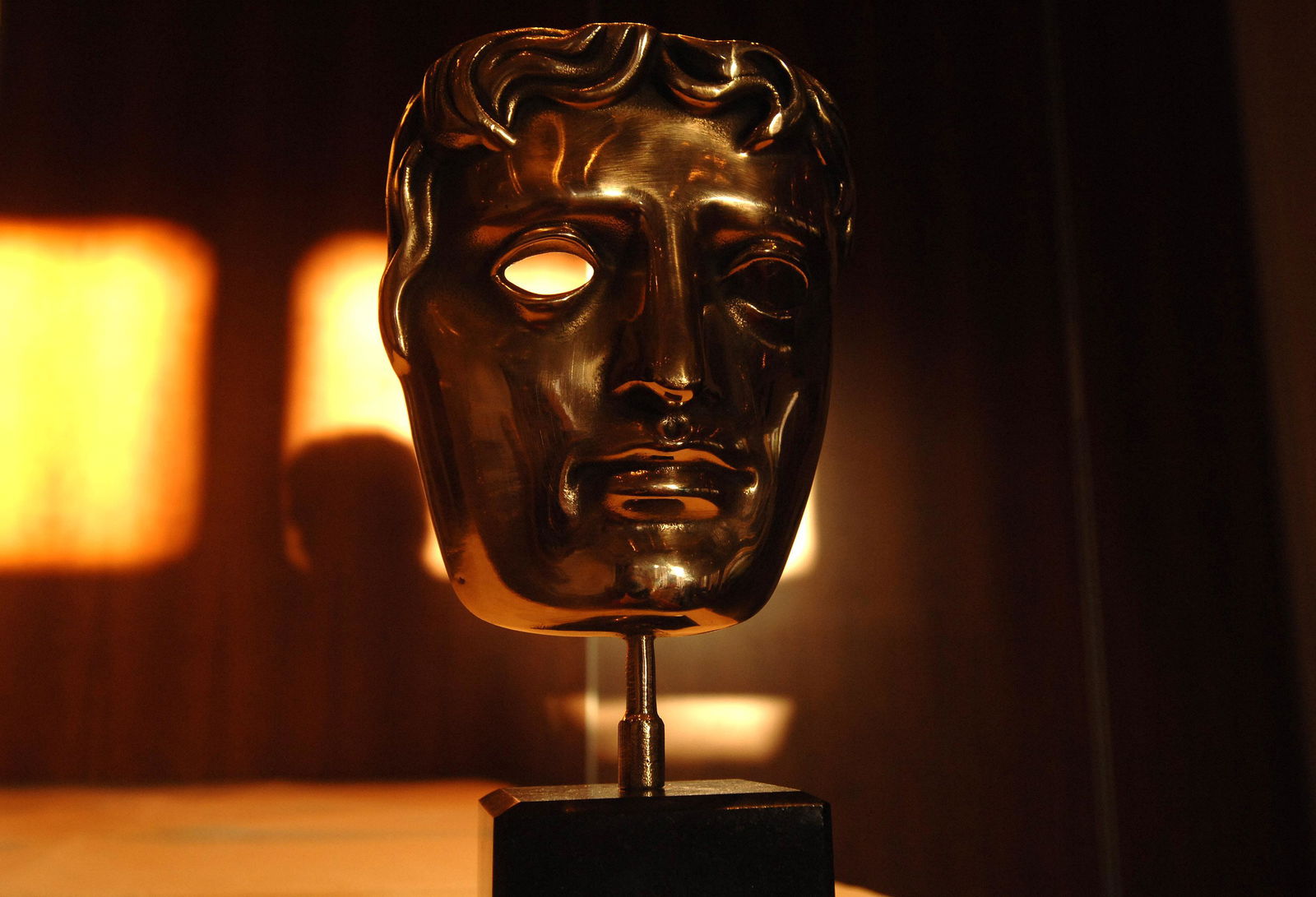
The British Academy Film Awards should have been remembered for its risk-taking winners and the kind of standing ovations that feel tectonic. Instead, the 2026 ceremony is looping across timelines for all the wrong reasons. Yes, history was made, a few dark horses galloped straight past industry titans, but the aftertaste has been undeniably metallic.
One shock moment, already raw and complicated, metastasized overnight when faulty tech systems misread the room. In trying to summarize the fallout, Google only deepened it.
Rectifications have followed, but in an era where screenshots are forever, will a correction travel as far as the harm?
ADVERTISEMENT
Article continues below this ad
Google issues apologetic statement after push-notification backlash
Google has apologized after a news alert about the BAFTA Film Awards' Tourette's Activist, John Davidson, whose involuntary ticks caused an incident involving the N-word.
“We’re very sorry for this mistake. We’ve removed the offensive notification and are working to prevent this from happening again," A Google spokesperson told Deadline.
The tech giant pushed out a notification linking to a The Hollywood Reporter article, headlined: “How the Tourette’s Fallout Unfolded at the BAFTA Film Awards.” The alert then invited readers to “see more on” and included the full epithet. The notification was spotted and condemned by Instagram user Danny Price.
The misfire landed less than 24 hours after a live-broadcast controversy involving the BBC. During the ceremony, John Davidson, attending in support of I Swear, a film chronicling his life with Tourette’s syndrome, involuntarily shouted the aspersions while presenters Michael B. Jordan and Delroy Lindo were on stage. Many inside the auditorium initially struggled to decipher the outburst; the gravity of it crystallized once clips circulated online.
The BBC faced fierce criticism for failing to bleep or drop the audio, reportedly because producers did not register the word in real time. The broadcaster later apologized to staff, while BAFTA announced a comprehensive review. However as per a later clarification, Google has announced, that even though the inclusion of the N-word was a technical error, it was not AI-generated.
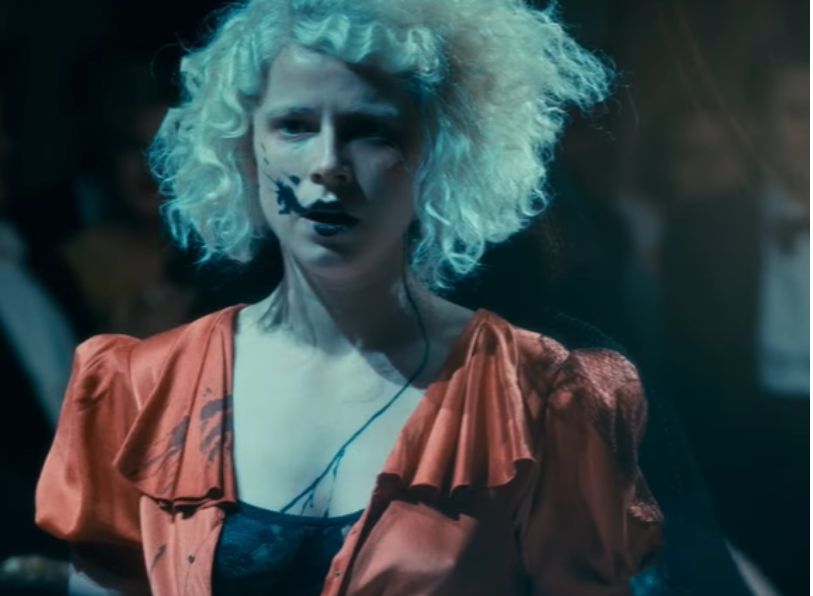
And then there is the human cost, the man at the center of it all.
John Davidson speaks out after BAFTA incident
John Davidson has since released a public statement following the February 22 ceremony. During the broadcast, he experienced involuntary vocal tics that included profanities and a racial slur, prompting visible discomfort in the room and immediate backlash online.
According to Variety, Davidson said: “I wanted to thank BAFTA and everyone involved in the awards last night for their support and understanding and inviting me to attend the broadcast.”
He reiterated his lifelong advocacy for the Tourette’s community and for empathy and understanding, and thanked both BAFTA and the BBC for their prior warnings to attendees and their support during the incident.
ADVERTISEMENT
Article continues below this ad
Reports suggest his tics continued intermittently throughout the evening before he exited early, deeply mortified. While some Black artists have rejected his apology, Jamie Foxx reportedly questioned its sincerity, others have pointed to the medical realities of Tourette’s. The irony is almost Shakespearean: I Swear, the film based on Davidson’s life, triumphed on the night, with Robert Aramayo clinching Best Actor over industry heavyweights. Applause and awkward silence shared the same oxygen.
Awards seasons thrive on narrative. This year’s BAFTA script, however, reads like a cautionary tale about live television, automated intelligence, and the fragility of context.
ADVERTISEMENT
Article continues below this ad
What do you think? Was the damage contained, or has trust been permanently dented? Share your thoughts in the comments.
ADVERTISEMENT

Edited By: Adiba Nizami
ADVERTISEMENT
ADVERTISEMENT
