
George Lucas Had a Much Darker Backup Plan if 'Star Wars: The Empire Strikes Back' Failed at the Box Office
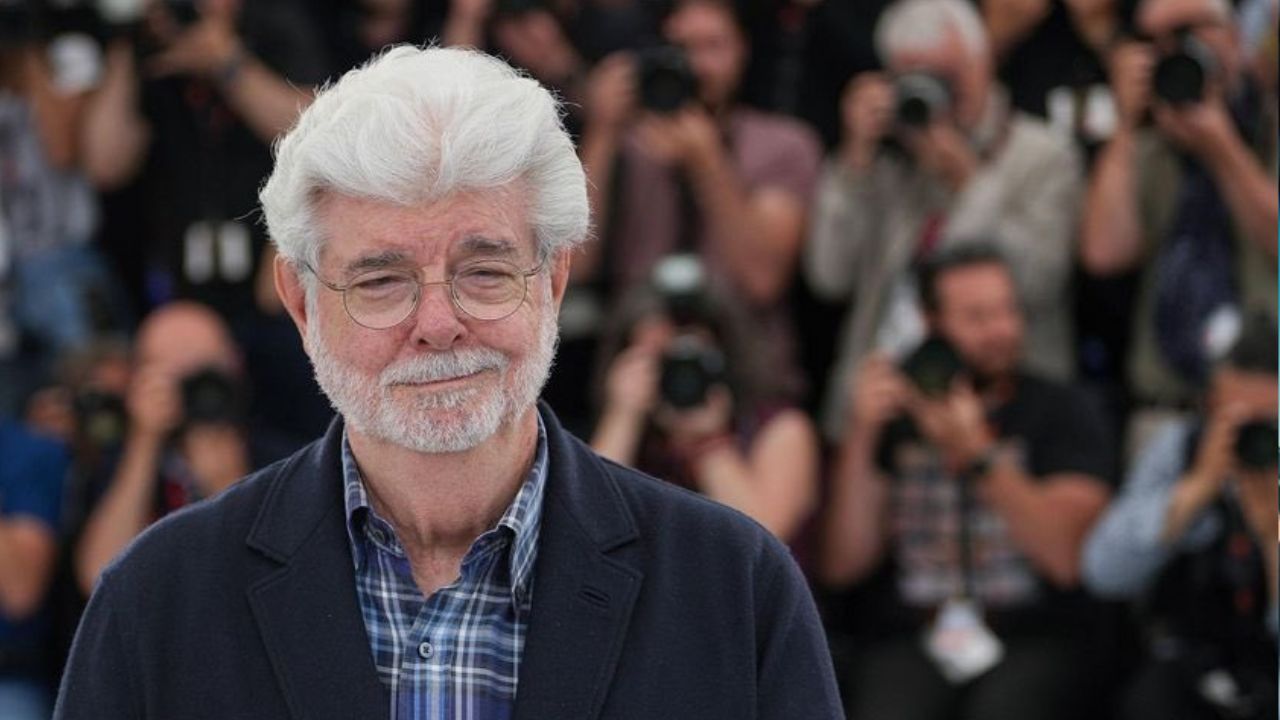
Credits: @PlaneteStarWars via X
Credits: @PlaneteStarWars via X
When Star Wars: The Empire Strikes Back entered production, its success was far from guaranteed, and George Lucas prepared a contingency plan in case the saga fizzled out at the box office. Rather than betting everything on a big-budget sequel, Lucas sketched out a cheap, stripped-down follow-up that could keep the franchise alive with minimal risk.
What that backup plan actually looked like, and how it later evolved into a published novel and comic, reveals a far darker, more contained path the Star Wars story might have taken.
The idea now stands as a fascinating reminder of how close the franchise came to a very different identity.
ADVERTISEMENT
Article continues below this ad
A stripped-down survival story almost reshaped Star Wars
That alternative path centered on a project originally titled Splinter of the Mind’s Eye, conceived as a low-budget second chapter that could be produced quickly if the first film underperformed. The story would have placed Luke and Leia on the remote, fog-covered planet Mimban. There, they would face a relentless pursuit by Darth Vader in a tense, close-quarters narrative.
The concept leaned heavily into simplicity and atmosphere. Instead of expansive battles and multiple locations, the focus would have been on a small cast and a confined setting. The intention was to create a story driven by suspense and survival rather than spectacle. As history unfolded, the need for that fallback never materialized.
Star Wars: A New Hope and The Empire Strikes Back both achieved major commercial success, allowing the saga to expand rather than contract. Splinter of the Mind’s Eye eventually found life as a novel by Alan Dean Foster and later as a comic adaptation, preserving a glimpse of what might have been.

Decades later, that question of scale and audience response still shapes how the franchise moves forward.
A modern Star Wars release faces a very different kind of test
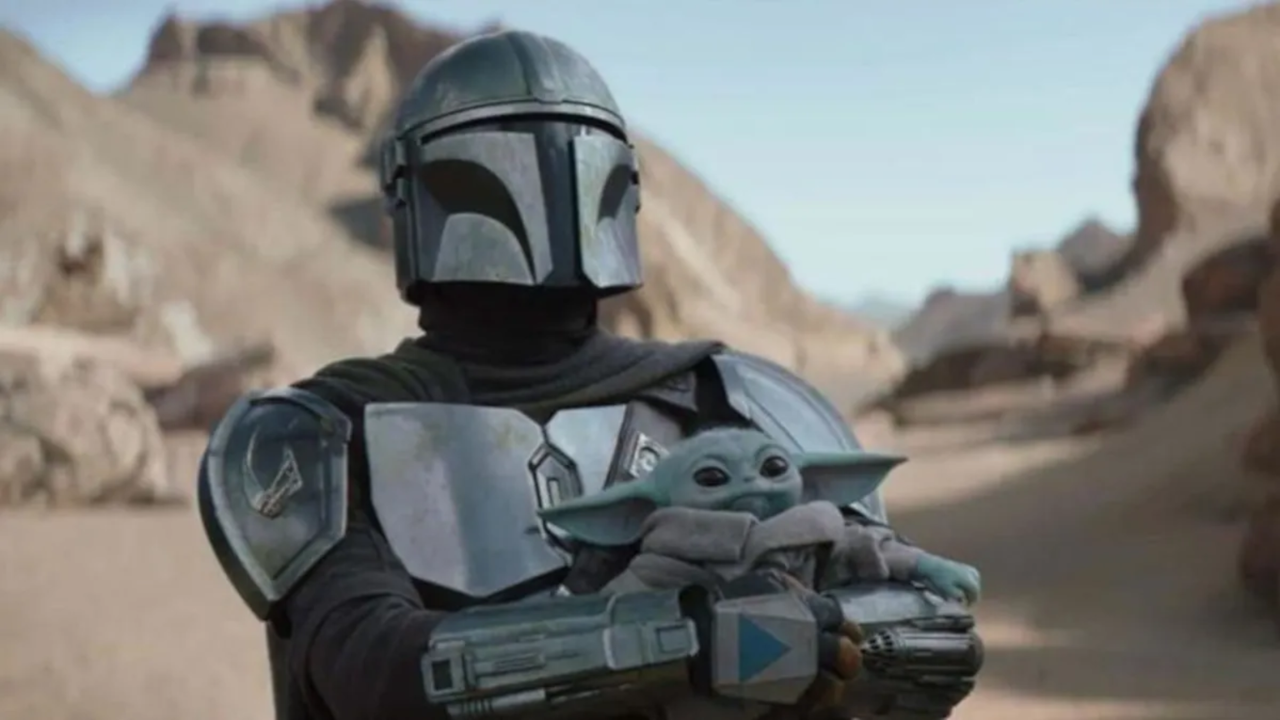
The Mandalorian and Grogu is approaching its Memorial Day weekend release with expectations that reflect a changing industry landscape. Disney is projecting a strong domestic opening between $80 and $100 million across four days, with global estimates reaching at least $160 million. The film is being positioned as a key indicator of how audiences currently feel about the Star Wars brand.
ADVERTISEMENT
Article continues below this ad
The stakes extend beyond box office numbers alone. The movie carries the weight of reconnecting with audiences after mixed reactions to earlier installments. Its marketing emphasizes the accessible, family-friendly tone of the Disney+ series while aiming to attract casual viewers who may not follow every chapter of the saga.
Early critical responses have hovered in the low 60s on Rotten Tomatoes, placing the film near a threshold that could influence perception. Still, Disney’s broader ecosystem remains strong, with Grogu merchandise surpassing 13 million units sold and the streaming series generating over a billion hours of viewership.
ADVERTISEMENT
Article continues below this ad
What do you think about George Lucas’ backup plan and the current direction of Star Wars? Let us know in the comments.
ADVERTISEMENT

Edited By: Hriddhi Maitra
ADVERTISEMENT
ADVERTISEMENT
