
From Rags to Relics: The 2026 Met Gala Theme to Turn Fashion Into Museum-Worthy Sculpture
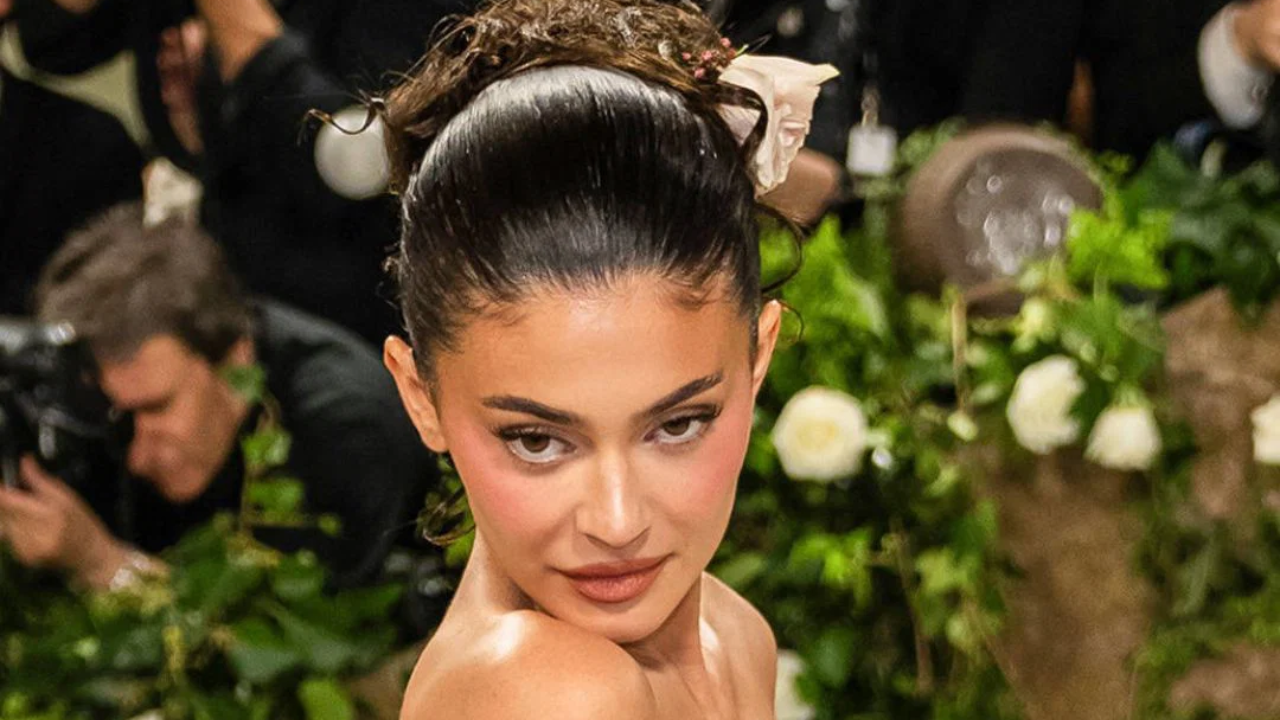
via Imago
Credits: Imago
The Metropolitan Museum of Art has never been shy about making fashion feel like fine art, but 2026 is the year it puts that philosophy into architectural concrete. Each May, the museum's Costume Institute throws the most talked-about fundraiser on the planet, a night where celebrity meets couture on the most iconic steps in New York. This year, the theme is bold enough to blur every line between a garment rack and a gallery wall.
While the red carpet has always been theatre, what happens inside the Costume Institute galleries in 2026 is something closer to a full-blown artistic manifesto.
What the costume art theme actually means for the 2026 Met Gala
The 2026 Met Gala theme, Costume Art, reframes fashion as more than trend or spectacle. It positions clothing as timeless artistic expression, worthy of museum reverence. The Costume Institute's spring exhibition will pair nearly 200 garments with approximately 200 standalone artworks, creating visual dialogues between clothing and culture.
"Costume Art privileges its materiality and the indivisible connection between our bodies and the clothes we wear," Curator in Charge of the Costume Institute Andrew Bolton said in a press release.
The dress code for Gala night, Fashion is Art, extends that curatorial ambition straight to the red carpet. Rather than treating fashion as decoration layered over fine art, the exhibition positions the dressed body as art's equal and oldest subject. From a 2022 Glenn Martens suit for Y/Project paired with a marble Diadoumenos statue, to a Dilara Findikoglu 2023 dress placed beside an 1868 Tiffany mourning brooch, the pairings range from formally precise to conceptually daring, proof that a seam and a chisel can ask the same questions.
As the curatorial vision places fashion and fine art on equal footing, the museum itself had to physically rise to match that ambition with something permanent.
The new galleries that costume art will call home inside the Met
For decades, the Costume Institute lived tucked in The Met's basement, beloved but buried. That changes in 2026. Costume Art will inaugurate the nearly 12,000-square-foot Condé M. Nast Galleries, a brand-new space adjacent to the Great Hall, named in recognition of a significant lead gift from Condé Nast honoring the organization's late founder. Additional support came from Thom Browne, Michael Kors, Lance Le Pere, and Met trustees.
While the new address hands fashion a prestigious home, the exhibition filling those walls stretches across something far grander: the entire arc of human history.
The 400 objects that make costume art one of the Met Gala's biggest shows yet
Nearly 400 objects drawn from The Met's encyclopedic collection will fill the Condé M. Nast Galleries, making Costume Art one of the most ambitious Costume Institute shows in recent memory. The exhibition surveys the dressed body across primarily Western art, spanning prehistory to the present, and the pairings are genuinely thrilling. An 1883 walking dress sits beside Georges Seurat's 1884 Study for A Sunday on La Grande Jatte, and a 1997-98 Comme des Garçons ensemble meets Max Weber's 1917 Figure in Rotation.
While those historical pairings make grand statements across centuries, the exhibition grows even more radical when it turns its gaze directly onto the body itself.
How costume art at the Met Gala is finally making space for every kind of body
The exhibition is organised into thematic categories built entirely around the human body, and the selection is as inclusive as it is audacious. Familiar territory like the N**** Body and the Classical Body coexists with categories historically overlooked in museum contexts: the Pregnant Body, the Aging Body, the Anatomical Body, and the Mortal Body. By granting each the same curatorial dignity, Andrew Bolton's team makes an institutional argument that fashion has always been worn on every kind of body, and art history has quietly known this all along. The museum will also cast real bodies for certain presentations, countering the homogenising effect of standard mannequin forms.
As the curatorial framework expands, whose body gets celebrated, the physical staging inside the gallery is equally designed to stop visitors in their tracks.
The staging inside costume art that turns every mannequin into a mirror
Palestinian-Canadian artist Samar Hejazi has been commissioned to create bespoke mannequin heads with polished steel surfaces that function as mirrors, inviting visitors to see their own reflection in the body types and garments on display. Garments sit on towering pedestals with corresponding artworks integrated directly into those structures, architecturally fusing fashion and fine art into a single proposition. The exhibition is designed by Miriam Peterson and Nathan Rich of Peterson Rich Office, the same firm behind the new galleries, ensuring architecture, staging, and curatorial vision all speak in the same language.
While the gallery transforms fashion into sculpture, the guest list assembling on those famous steps is equally worth the spotlight. Co-chairs Beyoncé, Nicole Kidman, Venus Williams, and Anna Wintour lead the night, with honorary chairs Jeff Bezos and Lauren Sánchez anchoring the sponsor side. Lisa of BLACKPINK, Sabrina Carpenter, and Doja Cat round out a host committee that proves the most valuable canvas in 2026 is not hanging on a wall; it is walking up the steps.

What are your thoughts on this year's Met Gala theme? Let us know in the comments.

Edited By: Aliza Siddiqui
