
From Michael Caine To Morgan Freeman: Actors Who Accepted Terrible Movies Over a Heavy Payday

April 27, 2024, Hollywood, California, USA: Morgan Freeman attends the 49th Annual AFI Life Achievement Award Honoring Nicole Kidman. Hollywood USA - ZUMAb173 20240427_aap_b173_223 Copyright: xBillyxBennightx
April 27, 2024, Hollywood, California, USA: Morgan Freeman attends the 49th Annual AFI Life Achievement Award Honoring Nicole Kidman. Hollywood USA - ZUMAb173 20240427_aap_b173_223 Copyright: xBillyxBennightx
Hollywood is often viewed through a lens of artistic glamour, where actors choose roles based on deep emotional resonance or groundbreaking scripts. However, acting remains a profession, and at its core, a job like any other. Even the most acclaimed Oscar winners and screen icons encounter moments where financial compensation far outweighs artistic ambition. While moviegoers might expect legends of the craft to prioritize artistic integrity above all else, the reality of the film industry is far more pragmatic.
Blockbuster budgets often allow studios to throw astronomical sums of money at marquee names to grant immediate legitimacy or box-office pull to a project. Consequently, many legendary performers have willingly signed onto critical misfires or scripts they found completely uninspiring, driven simply by an irresistible paycheck. These are the six famous actors who openly acknowledged choosing monetary gains over cinematic quality.
Michael Caine
Michael Caine, a two-time Academy Award winner known for his legendary versatility, has never been shy about his pragmatic approach to his acting career. When offered the role of pilot Hoagie in the 1987 horror sequel Jaws: The Revenge, Caine was well aware that the project lacked the cinematic prestige of the original Steven Spielberg classic. Despite the script’s obvious flaws, the studio offered him a massive financial payout for just a few weeks of filming in the tropical Bahamas.
"I have never seen it, but by all accounts it is terrible." When asked about the critical failure later, Caine famously remarked, "However, I have seen the house that it built, and it is terrific."
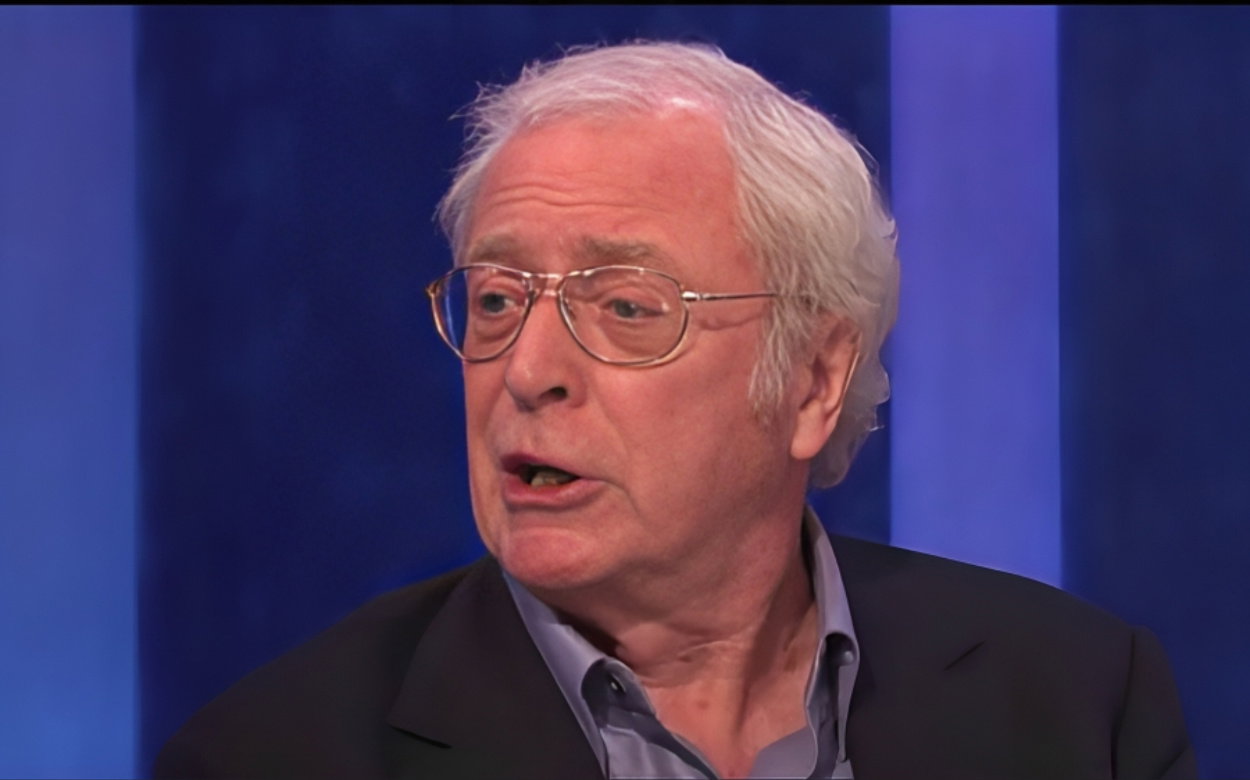
The film was universally panned by critics and remains widely regarded as one of the worst sequels ever produced. Caine was even unable to collect his Oscar for Hannah and Her Sisters in person because he was busy shooting the movie, but he harbors no regrets about accepting the role for the financial security it provided.
Marlon Brando
Marlon Brando is widely celebrated as one of the greatest method actors in cinematic history, but later in his career, he made no secret of his mercenary view toward Hollywood. When director Richard Donner cast him as Jor-El in the 1978 blockbuster Superman, Brando demanded an unprecedented payout for minimal effort. He secured roughly $3.7 million along with a percentage of the film's backend profits for just twelve days of work and minimal screen time. Reflecting on his overall attitude toward the industry and choosing roles for financial gain, Brando candidly offered his philosophical stance.
"Never confuse the size of your paycheck with the size of your talent," he had said.
He famously refused to memorize his dialogue during production, reading lines directly off cue cards, and even off baby Superman's diaper in one scene. Though Superman became a huge critical success, Brando viewed the entire experience purely as a transaction and walked away with a massive paycheck.
Alec Guinness
Sir Alec Guinness was a distinguished British theatre and film veteran before joining George Lucas’s sci-fi epic Star Wars (1977) as the wise Jedi Master Obi-Wan Kenobi. From the moment he read the script, Guinness was thoroughly unimpressed by the futuristic concept and found the dialogue unbearable. Despite his severe distaste for the material, he recognized the commercial potential of the project and agreed to participate after negotiating a high upfront salary alongside a lucrative percentage of backend profits.
"I can’t say I’m enjoying the film," Reflecting on his decision to endure dialogue he hated for a life-changing payout, Guinness bluntly wrote in his diary, "but it’s making me very rich."
During production, Guinness detailed his frustration in personal letters, describing the script as "fairy tale rubbish," yet he stayed focused on the financial benefits. The unprecedented global success of Star Wars ultimately made Guinness a multimillionaire through his backend deal.
Bill Murray
Bill Murray’s inclusion in the live-action voice cast of Garfield: The Movie (2004) remains one of the most famous casting mistakes in cinema history. Murray agreed to voice the iconic lasagna-loving cat under a hilarious misunderstanding: he briefly glanced at the cover page of the screenplay and saw the name "Joel Cohen," mistakenly believing it was written by Joel Coen of the acclaimed Coen brothers filmmaking duo. Explaining how the mistake led to an easy payday,
"I looked at the script, and it said 'Joel Coen.' " Murray recalled, "I thought, 'I love those Coens!' So I didn't read any more... I just recorded the voice and got paid."
By the time Murray sat down in the recording booth and realized the script was actually written by a completely different writer, he was already contractually obligated to complete the work. Rather than backing out, Murray pushed through the recording sessions, collected his substantial paycheck, and later poked fun at the critical disaster in Zombieland.
Sean Connery
Sir Sean Connery, best known as the original James Bond, had reached a stage in his career where even brief appearances commanded exorbitant compensation. In the 1991 adventure film Robin Hood: Prince of Thieves, Connery made an uncredited surprise cameo at the climax of the movie as King Richard the Lionheart. Connery was reportedly paid a staggering $250,000 for just two days of filming and a mere four lines of dialogue.
"I was paid $250,000 for two days' work..." Connery later reflected on taking the lucrative gig, explaining, "but I gave every penny to charity because the money was there."
Though Connery recognized that the production was troubled and the script was far from a masterpiece, he agreed to the brief appearance because the financial offer was simply too generous to pass up. Demonstrating his philanthropic nature, Connery chose not to keep the massive payday for himself and instead donated the entire fee to an NHS hospital charity in his native Scotland.
Morgan Freeman
Morgan Freeman is revered as one of Hollywood's most distinguished screen legends, possessing an iconic voice and a filmography filled with acclaimed masterpieces like The Shawshank Redemption and Million Dollar Baby. However, Freeman has always maintained a deeply practical and grounded approach to the acting business, frequently appearing in commercial thrillers and studio blockbusters regardless of script quality. Speaking directly to The New York Times, Freeman summarized his pragmatic philosophy.
"If somebody offers you a job, it's very nice if they're offering you also an exciting script, but in reality, two or three things come into play." He said, "What are they going to pay you? If they're going to pay you enough, then you overlook some of the glitches in the script that happen to be there."
Rather than pretending that every role is an artistic pursuit, Freeman openly acknowledged that a lucrative salary can easily compensate for narrative flaws or weak dialogue in a project, keeping his career both active and highly profitable.
At the end of the day, acting is both a craft and a career. For these six legends, taking a massive payday for a subpar movie was not a lapse in judgment; it was a practical business decision. By prioritizing financial security over critical acclaim, they proved that when the check is big enough, even Hollywood’s grandest icons will gladly put profit before prestige.
Which of these legendary actors do you think made the smartest move? Let us know in the comments below!

Edited By: Adiba Nizami
