
From a Squirrel to a Living Planet: The Weirdest Green Lanterns DC Needs to Bring on Screen
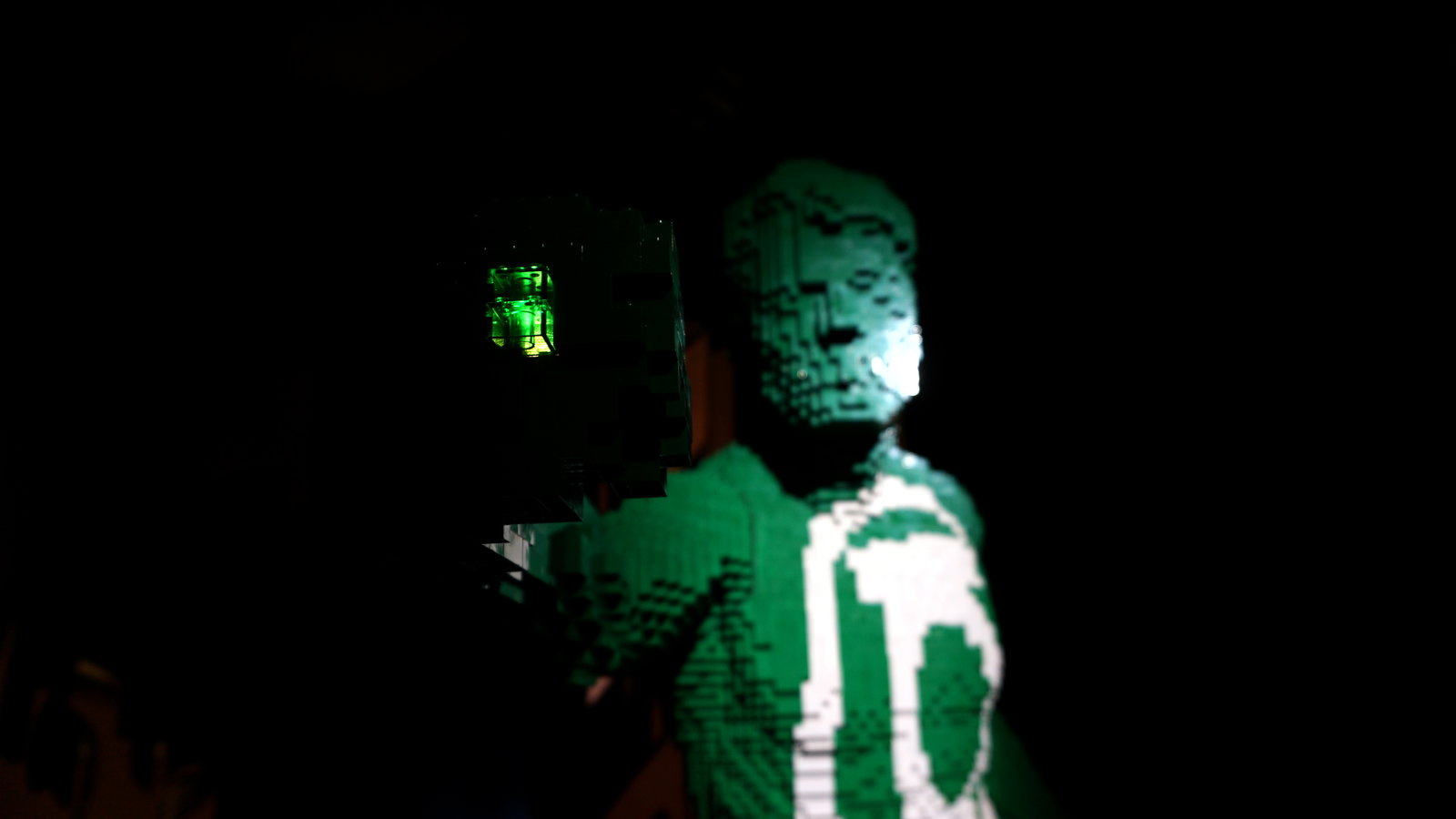
Rome, 26 December 2018: GREEN LANTERN made with Lego bricks by Nathan Sawaya of The Art of the Brick DC Super Heroes. DC character created by Bill Finger and Martin Nodell in 1940 xkwx 2018, abstract, art, background, bill finger, blue, brick, bricks, building, closeup, dc, dc comics, design, digital, event, exhibition, graphic, international, joker, lego, lego art, light, logo, modern, modernism, museum, performance, red, sculptures, show, suit, Knights of the Emerald, Planet Oa, Alan Scott, Martin Nodell, 1940, Gotham, ring, ring of power, Martin Campbell, Ryan Reynolds, Mark Strong, costume, HBO Max
Rome, 26 December 2018: GREEN LANTERN made with Lego bricks by Nathan Sawaya of The Art of the Brick DC Super Heroes. DC character created by Bill Finger and Martin Nodell in 1940 xkwx 2018, abstract, art, background, bill finger, blue, brick, bricks, building, closeup, dc, dc comics, design, digital, event, exhibition, graphic, international, joker, lego, lego art, light, logo, modern, modernism, museum, performance, red, sculptures, show, suit, Knights of the Emerald, Planet Oa, Alan Scott, Martin Nodell, 1940, Gotham, ring, ring of power, Martin Campbell, Ryan Reynolds, Mark Strong, costume, HBO Max
HBO's Lanterns did what Green Lantern desperately needed: it made the mythology feel cool again. After years of the Corps being treated as a punchline outside comic circles, Hal Jordan and John Stewart have restored weight to the idea of space cops armed with imagination. Yet anyone who thinks the ring mainly chooses heroic humans or humanoid aliens has barely scratched the surface.
The Guardians have recruited life forms so bizarre that Guy Gardner starts looking painfully ordinary. Across DC history, Green Lanterns have included microscopic organisms, sound-oriented aliens, sentient geometry, and an entire planet.
The DCU should absolutely embrace that weirdness.
Leezle Pon
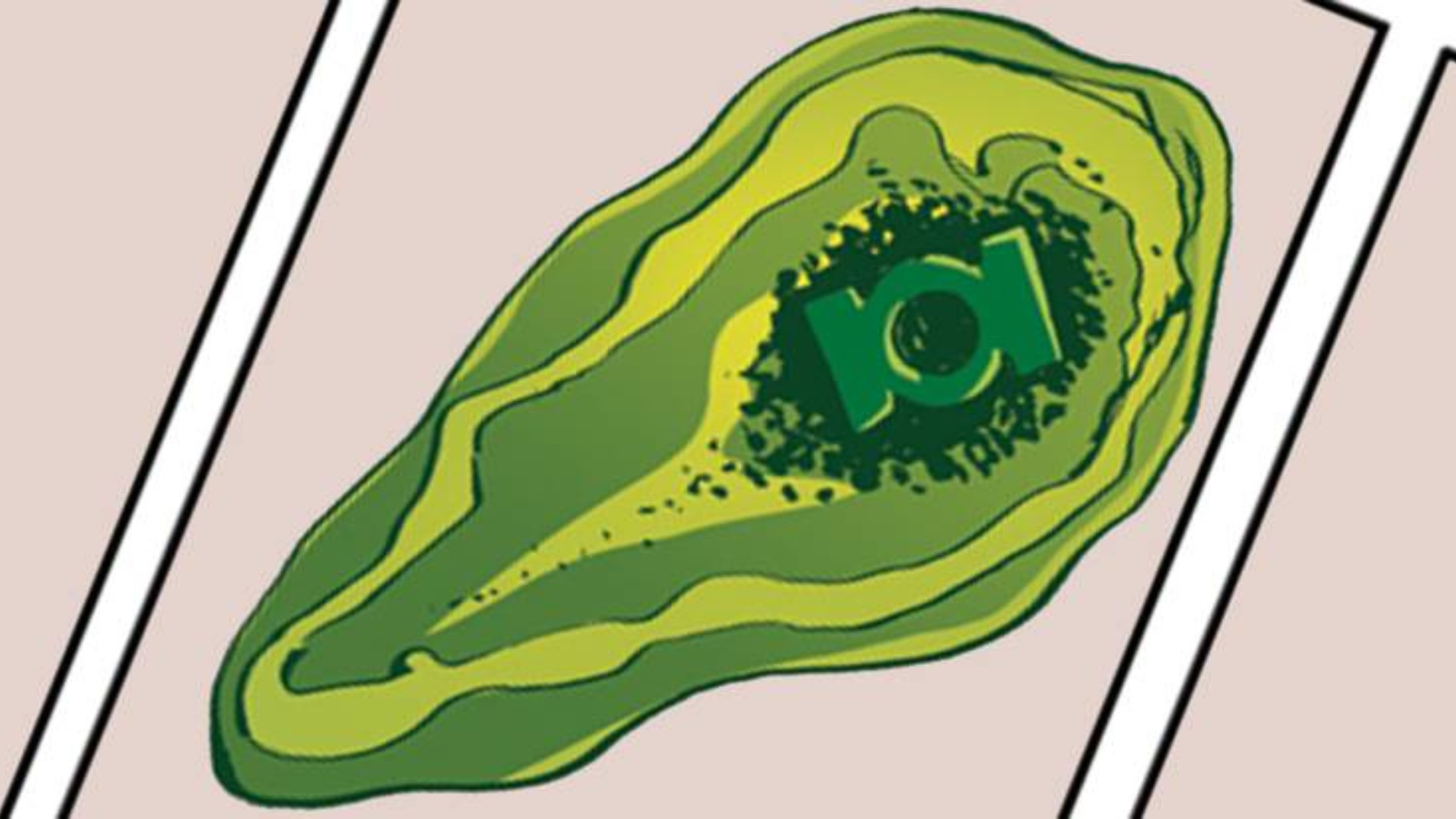
There are strange Green Lanterns, and then there is Leezle Pon, a character capable of ending any argument about what qualifies as a Corps member. Introduced in Alan Moore and Dave Gibbons' Green Lantern #188 in 1985, Leezle Pon is described as a super-intelligent smallpox virus serving as the Green Lantern of Sector 119. That sentence sounds like somebody lost a bet at DC Comics, yet the character eventually became useful in one of the Corps' most gloriously specific battles.
Credits: DC Comics
Credits: DC Comics
During the Sinestro Corps era, Leezle Pon faced Despotellis, a sentient bio-virus working for Sinestro. Despotellis infected Guy Gardner, forcing Soranik Natu to inject Leezle Pon into Guy's bloodstream. The resulting confrontation was essentially a microscopic Green Lantern duel happening inside Gardner's body. Leezle Pon emerged victorious.
A DCU version would not even require a conventional costume or performer standing on set. Leezle Pon could appear through microscopic imagery, a ring-generated visualization, or a medical crisis that unexpectedly becomes a Corps mission. His existence captures something wonderful about the mythology. Willpower has no requirement for size, limbs, facial features, or anything resembling human biology.

And if a virus carrying a power ring sounds impossible, the Corps once chose something large enough to have its own atmosphere.
Mogo
Mogo takes the Green Lantern concept to its most ridiculous logical extreme and somehow makes it majestic. Created by Alan Moore and Dave Gibbons and introduced in Green Lantern #188, Mogo is a sentient planet and a legitimate member of the Corps. DC describes him as its largest Green Lantern, with his enormous planetary body capable of displaying the familiar emerald insignia. The joke has already entered Lanterns.

Credits: DC Comics
Credits: DC Comics
During Episode 7, John Stewart tells the Halogram that members of the Corps attended Hal's funeral. Mogo is included in his story. Hal immediately catches John lying after John claims he and Mogo stood together at the funeral. Hal's incredulous response points out one unavoidable detail: Mogo is a planet.
Mogo also carries real importance within Green Lantern history. DC notes that after Oa's destruction, the living world became a home for the Corps. He is a functioning character, location, and visual spectacle rolled into one enormous package.
Yet Mogo can understand sight, which brings us to a Lantern for whom the word "green" means absolutely nothing.
Rot Lop Fan
Rot Lop Fan might be the smartest example of Green Lantern mythology adapting itself to genuinely alien life. Created by Alan Moore and Bill Willingham for Tales of the Green Lantern Corps Annual #3 in 1987, he comes from the Obsidian Deeps, a region without light. His species possesses no visual understanding of color, leaving Katma Tui with a fairly significant problem when she tries to explain what a Green Lantern actually is.
Credits: DC Comics
Credits: DC Comics
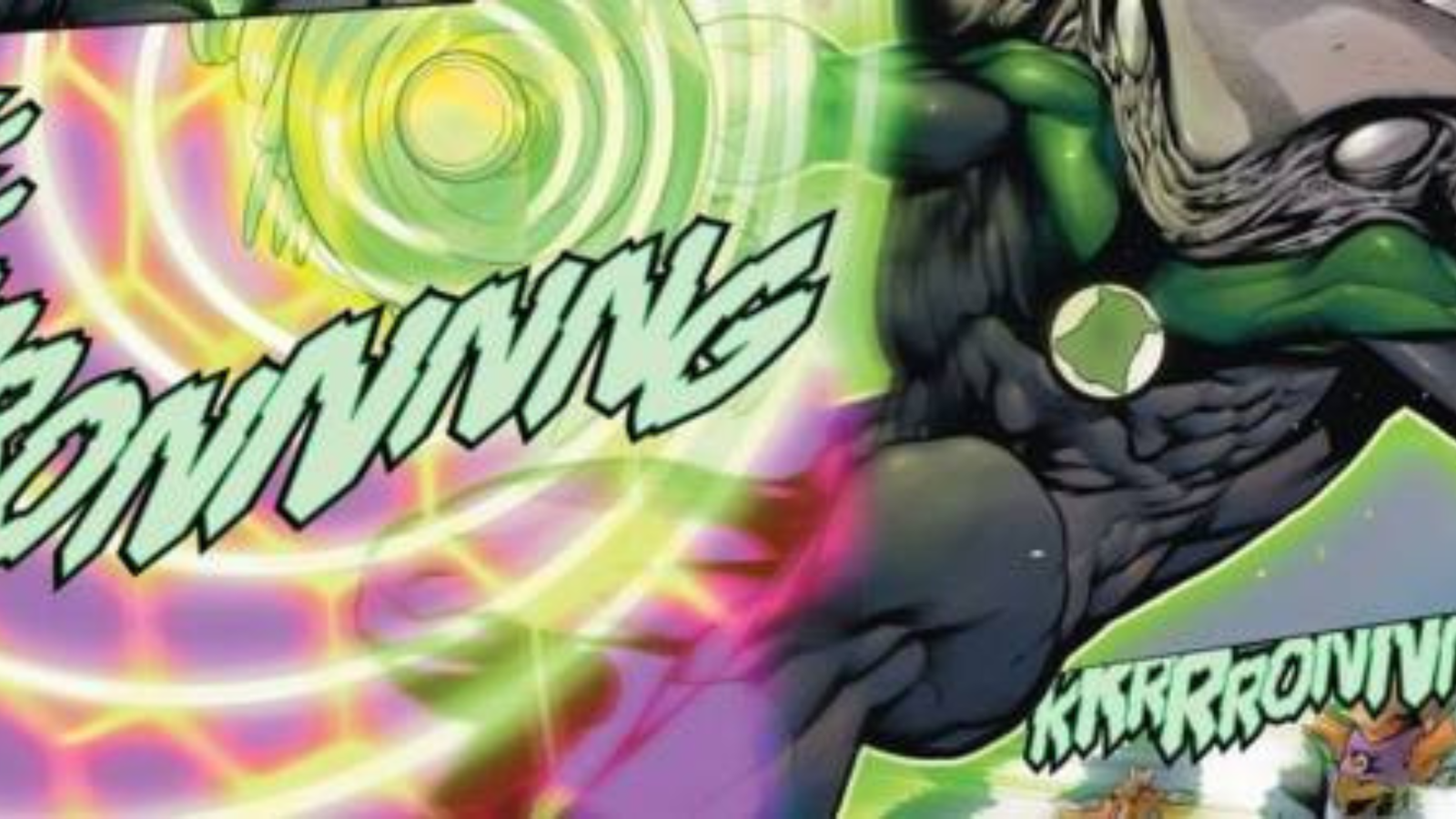
Katma translates the entire concept through sound. Rot Lop Fan understands the power through an F-sharp tone and believes himself to be part of the F-Sharp Bell Corps. His emblem becomes a bell, while the principles associated with light and color are reinterpreted through sounds he can comprehend.
Rot Lop Fan technically has screen history already. DC has highlighted that a CGI version appeared among the aliens in 2011's Green Lantern. His wonderfully strange premise, however, deserves a genuine story rather than life somewhere in the background of a crowd scene.
Of course, sometimes the Guardians choose somebody who looks suspiciously like he should be stealing nuts from a bird feeder.
Ch'p
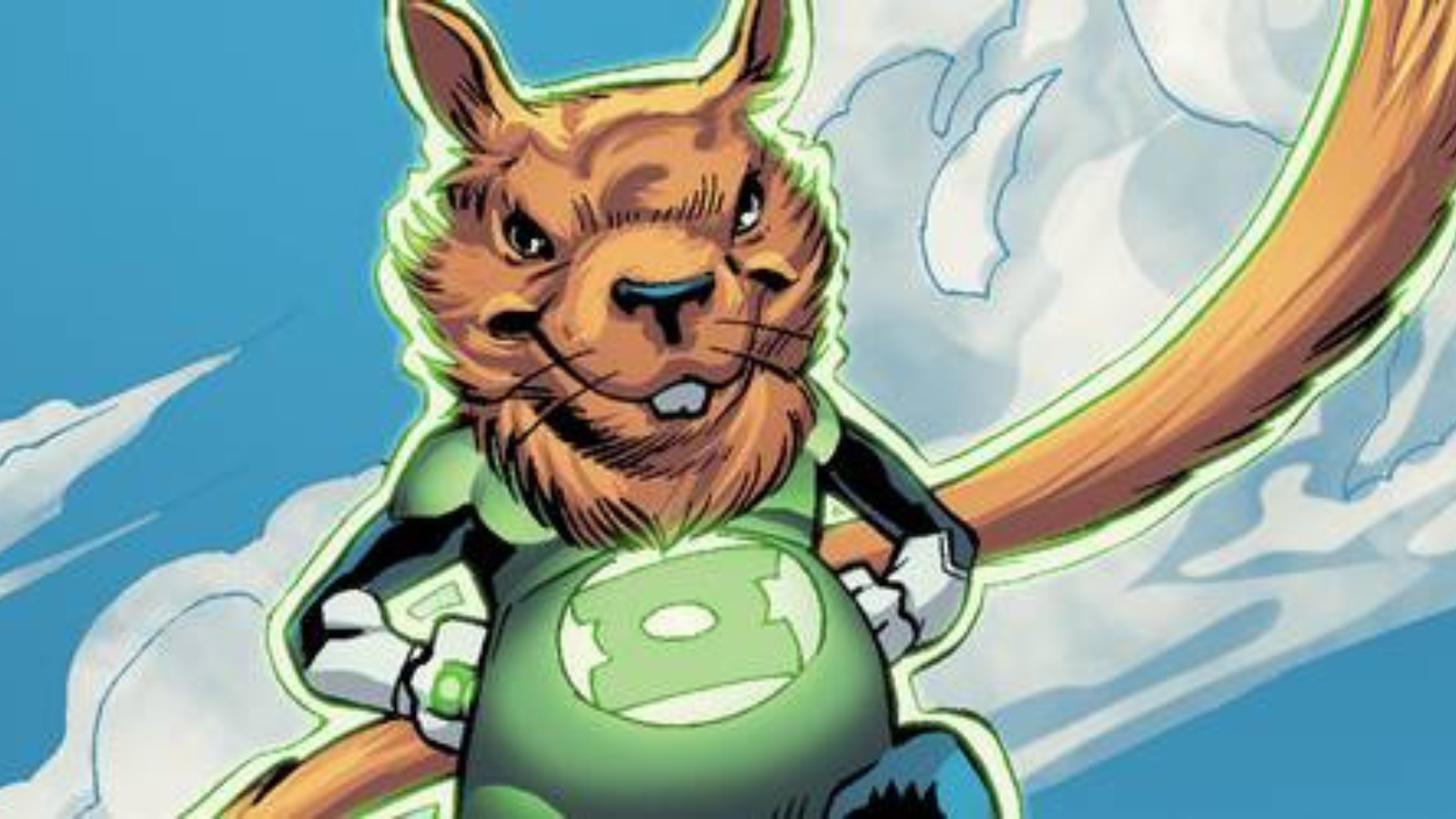
Ch'p is the Green Lantern character who can make somebody unfamiliar with DC lore stop mid-sentence and ask whether they heard correctly. Yes, there really is a squirrel-shaped Green Lantern, and HBO has already established that somebody fitting that description exists in the DCU.
Credits: DC Comics
Credits: DC Comics
The reference comes in Lanterns Episode 4 while Hal and John are driving together, John asks whether Hal ever talks to the other members of the Corps. Hal dismisses the idea, pointing out that he is the only human among them before adding that one of the Lanterns is a “squirrel.” The series never says Ch'p by name, but the reference is about as subtle as a glowing green construct crashing through a wall.
Comic readers know exactly who Hal means. Ch'p comes from the planet H'lven and serves as the Green Lantern of Sector 1014. Created by Paul Kupperberg and Don Newton, he first appeared in Green Lantern #148 in 1982. DC itself describes him as a chipmunk-like alien whose appearance captures the wonderfully strange range of life represented within the Corps.
And somehow, Ch'p is still shaped more normally than the next Corps member on the list.
B'ox
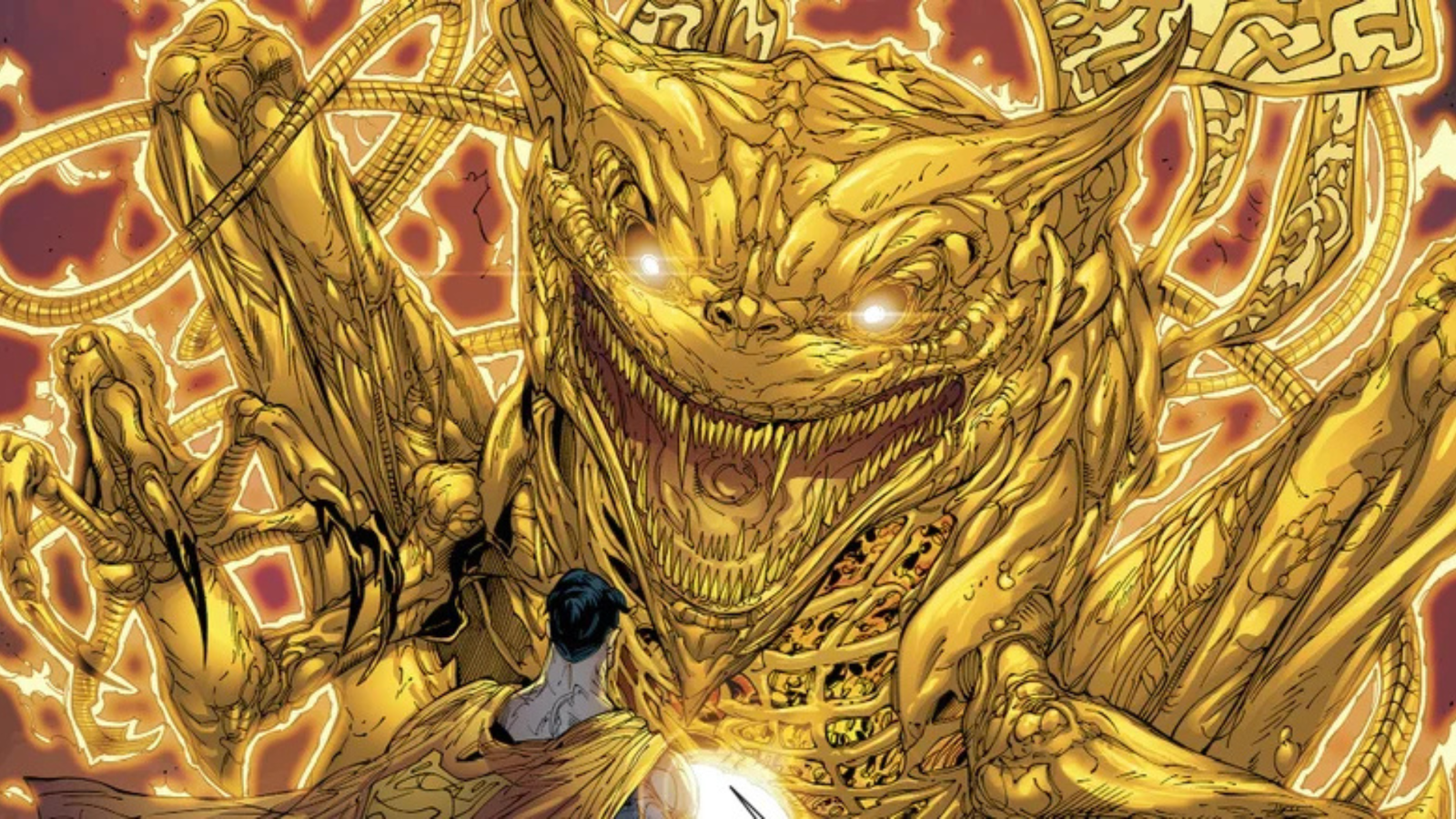
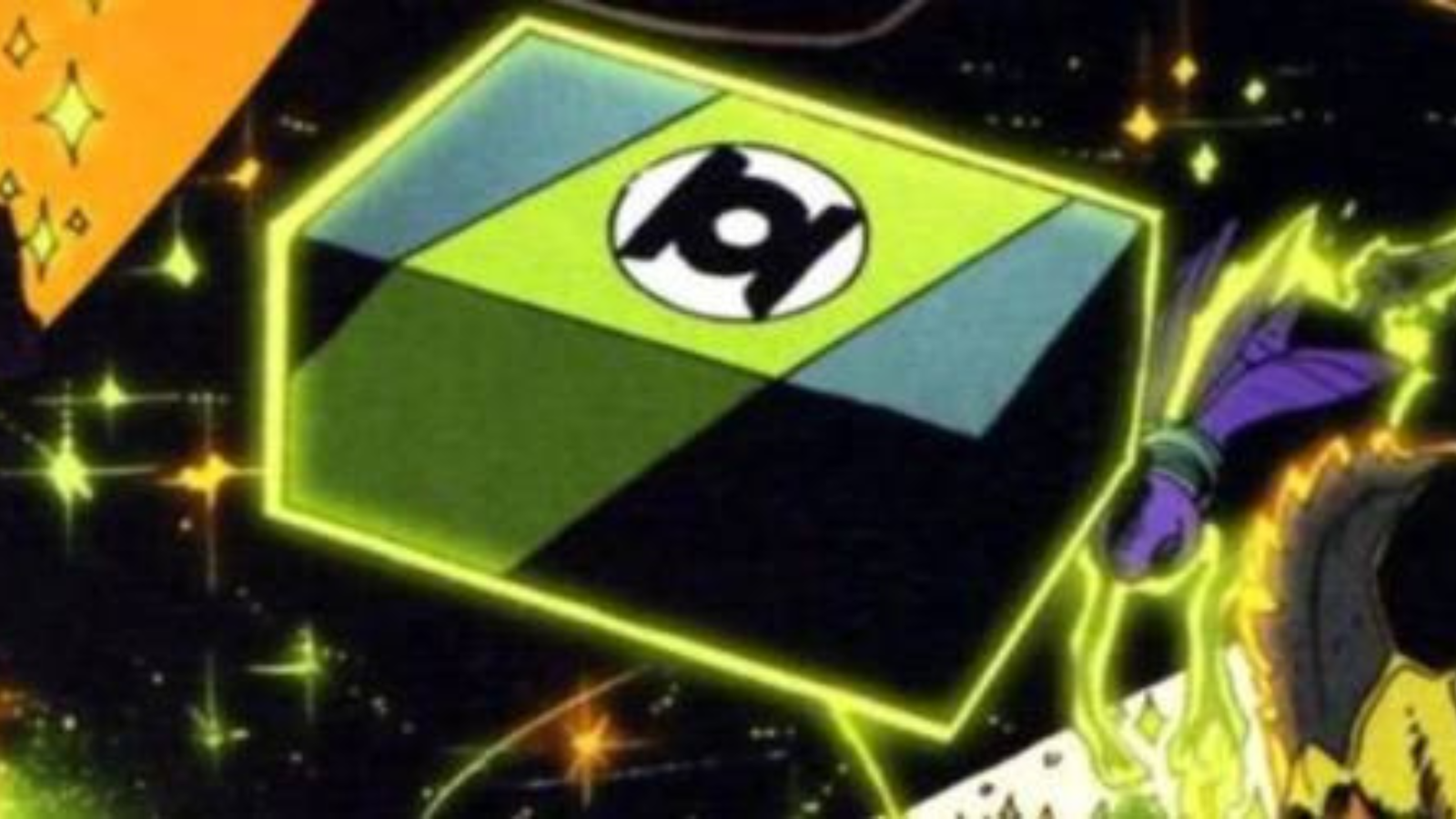
First appearing in Green Lantern Corps: Recharge #5 in 2006, B'ox is almost exactly what the name promises. DC reference material describes him as a sentient rectangular solid whose surfaces carry Green Lantern colors and insignia. He has no conventional eyes or hair, yet he possesses enough willpower to stand beside the Corps' finest officers.
Credits: DC Comics
Credits: DC Comics
B'ox is not merely background furniture wearing a badge. He fought during the Spider Guild invasion of Oa, participated in the Battle of Mogo during the opening stages of the Sinestro Corps War and continued serving through later cosmic conflicts. He even joined Stel and B'dg as part of an enormous construct used against Infinity Man.
That is exactly why he belongs in the DCU. Lanterns has reopened the door to the wonderfully bizarre side of this mythology. Once the DCU travels deeper into space, Leezle Pon, Mogo, Rot Lop Fan, Ch'p and B'ox should be waiting on the other side.
What weird Green Lantern would you most want to see enter the DCU? Let us know in the comments.

Edited By: Itti Mahajan
