
Following Tilly Norward Outrage, AI-Generated Jenna Ortega Sparks Mega Ownership Debate in Hollywood
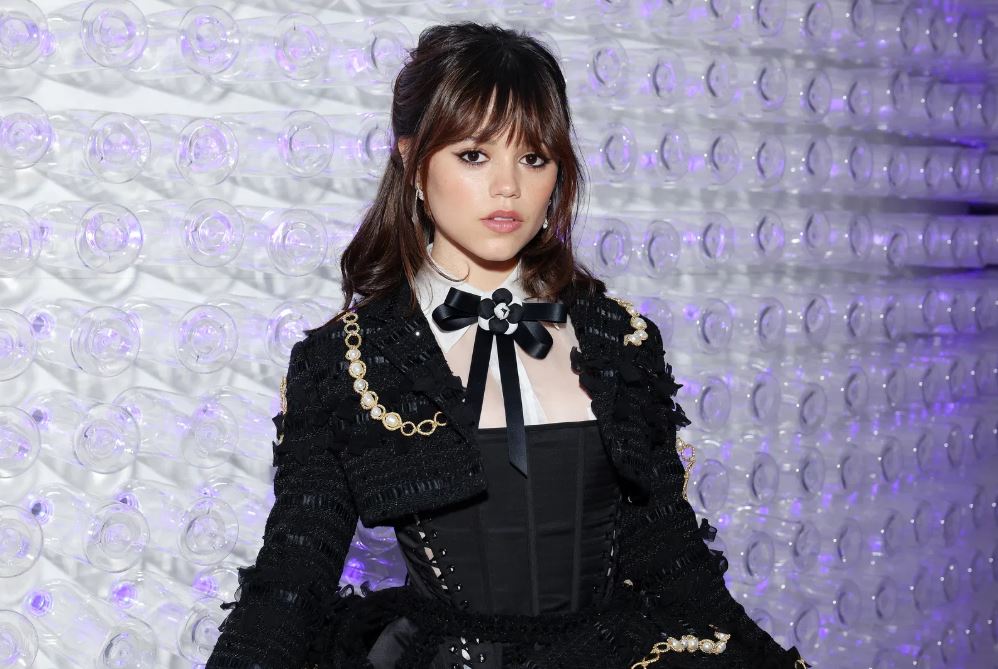
Hollywood has always had a thing for ghosts, digital or otherwise. From reboots nobody asked for to AI experiments that make you question reality, the industry thrives on the thrill of seeing a familiar face do unfamiliar things. Streaming platforms, apps, and viral clips have now made the invisible visible, where actors’ likenesses exist in a kind of digital limbo. Following Tilly Norward’s outrage, the latest phantom haunting screens is none other than Jenna Ortega.
While studios dream in AI scripts, fans and unions are waking up to the question everyone is ignoring: who actually owns a face that can speak without speaking?
Jenna Ortega, Peter Griffin and Hollywood losing it over a digital surprise
ADVERTISEMENT
Article continues below this ad
The viral clip of Jenna Ortega as Wednesday Adams talking to Peter Griffin has Hollywood buzzing, and not in a casual water-cooler way. Following Tilly Norward’s outrage, Duncan Crabtree-Ireland, SAG-AFTRA’s National Executive Director, did not mince words on The Town with Matthew Belloni: “Any kind of digital replication of a performer has to be with informed consent, including a recently specific description of the intended use.” Studios may approve, but AI platforms cannot make Ortega dance to their script of chaos.
Crabtree-Ireland clarified further on The Town with Matthew Belloni, sharing that the union had been quietly negotiating with AI developers long before Sora’s launch. “Our primary focus [has been] robustness of protections around name, image, likeness use in SORA and how to make sure that unauthorized deep fakery digital replication was not happening,” he said. Even if an app gobbles up Wednesday episodes, it cannot conjure a synthetic Jenna Ortega spouting lines she never recorded, no matter how tempting it seems.

As AI apps keep lurking in the background, the question becomes urgent: can Hollywood protect its favorite faces, or are digital clones about to take center stage without asking politely?
When AI gets messy Hollywood is suddenly very serious
The legal side of this AI frenzy is a minefield disguised as everyday technology. Duncan Crabtree-Ireland noted on The Town with Matthew Belloni podcast, “Some of this use of people's face, voice, bodies in these technologies are not going to be protected by copyright under any scenario.” That is why the union is rooting for the No Fakes Act, a law that promises actors both consent and compensation whenever their likeness, voice, or body is borrowed digitally. Copyright might be clueless, but consent cannot be ignored.
ADVERTISEMENT
Article continues below this ad
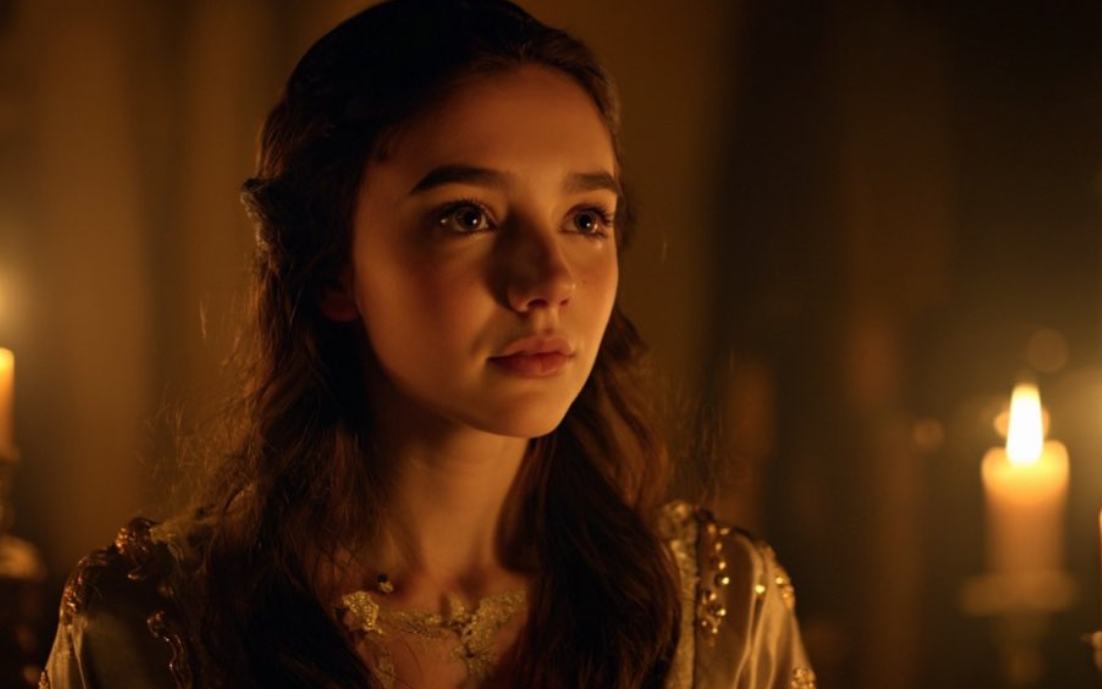
The Jenna Ortega clip has become a cautionary tale for the digital age. Studios may still hold keys to approved projects, but personal likenesses are now precious treasures that demand protection. Unauthorized AI replication might seem like fun today, but tomorrow it could be the norm. In Hollywood’s new world, controlling your face is as vital as a blockbuster opening, and ignoring it could turn stars into wandering phantoms of the screen.
ADVERTISEMENT
Article continues below this ad
What are your thoughts on Jenna Ortega’s digital doppelganger stirring Hollywood drama? Let us know in the comments below.
ADVERTISEMENT

Edited By: Aliza Siddiqui
ADVERTISEMENT
ADVERTISEMENT
