
5 Ways Emerald Fennell’s 'Wuthering Heights' Completely Ignores Emily Brontë’s Novel
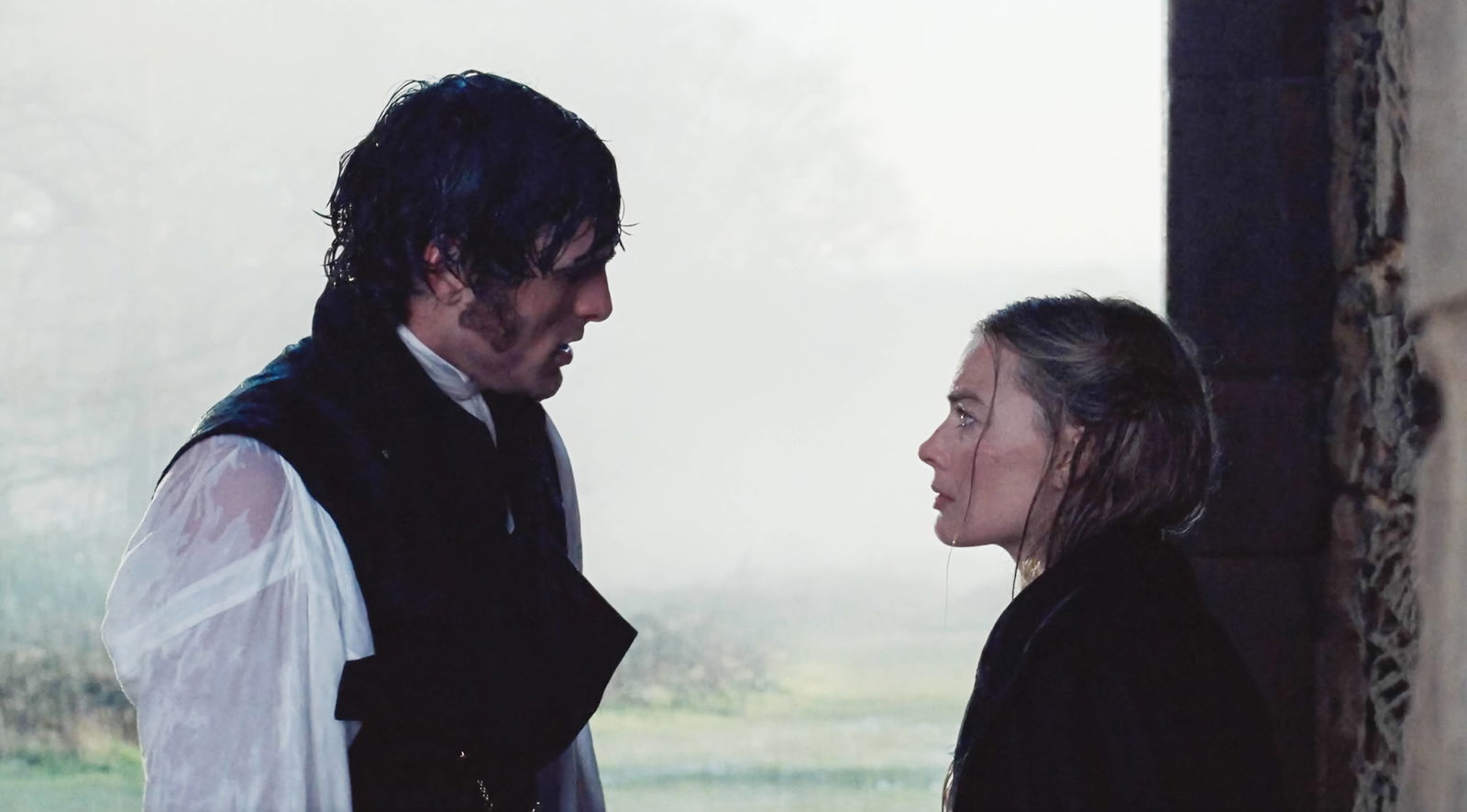
The heartbreaking and tragic world of Wuthering Heights has been brought to the screen many times over the years, yet few adaptations have dared to reimagine it with the bold creative vision of Emerald Fennell’s recent version. And understandably, it has garnered much chatter and debate. While the film, starring Jacob Elordi and Margot Robbie, has the heart of Emily Brontë’s timeless novel, several changes took away the raw spirit and haunting intensity of the original.
Though intended as a loose adaptation, the differences between the film, Wuthering Heights, and the novel have sparked a discussion over what may have been lost in translation.
Emerald Fennell’s Wuthering Heights removes the second generation
ADVERTISEMENT
Article continues below this ad
Emerald Fennell took the bold leap by removing the second generation from Wuthering Heights by Emily Brontë. This part of the novel focuses on Catherine Linton, Linton Heathcliff, and Hareton Earnshaw and attempts to show the consequences of their parents’ actions. While this was crucial to the story, Fennell’s version ends with Catherine’s death instead.

Now, this is not new, as Robert Fuest’s 1970 adaptation did the same and faced criticism. Moreover, removing this generation also brought changes in how the characters were written for the movie.
Key characters were cut in Emerald Fennell’s Wuthering Heights
In Wuthering Heights, Mr. Lockwood plays a crucial role as the outsider telling the story of two households. But in Emerald Fennell’s version, Lockwood is completely cut. Meanwhile, the film also reshuffles key relationships. The role of Hindley abusing Heathcliff is given to Mr. Earnshaw.
Due to his alcohol addiction, he is shown to be abusive to Heathcliff, played by Jacob Elordi. Apart from changes in characters and scenes, there is a major change in Catherine's age, too.
Catherine Earnshaw is an adult in Emerald Fennell’s Wuthering Heights
In Emily Brontë’s novel, the character of Catherine Earnshaw is a teenager when she marries Edgar Linton and dies. Her age explains the flaws in her decisions. However, Catherine, played by Margot Robbie, is shown to be an adult in Emerald Fennell’s Wuthering Heights.
Although it is a small change, it does take away the soul of the character and story.
Catherine loses her baby in Emerald Fennell’s Wuthering Heights
Once again, the changes go back to Emerald Fennell’s decision to remove the second generation from Emily Brontë’s Wuthering Heights. In the novel, Catherine Earnshaw dies after giving birth to her daughter, and she is a crucial character in the next generation’s story. However, in the film Wuthering Heights, Catherine is shown to have lost her baby during her illness.
That change completely erases the second generation in the novel. But another element missing from the Gothic Victorian novel is the supernatural element.
There is no Catherine’s ghost in Emerald Fennell’s Wuthering Heights
Apart from the abuse inflicted on Heathcliff and the passionate love story steeped in hatred and obsession, Emily Brontë’s Wuthering Heights also carries a powerful supernatural thread. It is Catherine’s ghost that continues to haunt Heathcliff long after her death. However, the film ends with Catherine’s death, leaving no room for this supernatural element.
ADVERTISEMENT
Article continues below this ad
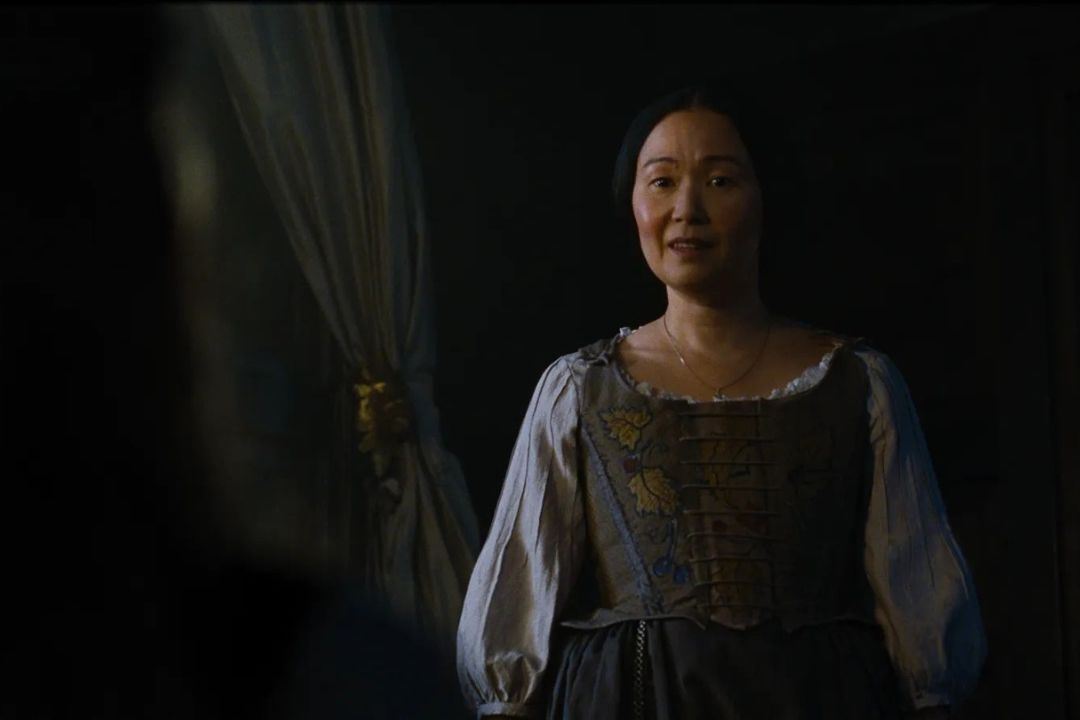
Similarly, there are notable changes to Heathcliff’s origin and even his final moments with Catherine. So, rather than a faithful retelling, Emerald Fennell’s Wuthering Heights is a bold reinterpretation of the novel. But how it will ultimately be seen and remembered rests in the eyes of its viewers.
ADVERTISEMENT
Article continues below this ad
Have you watched Wuthering Heights? Let us know in the comments.
ADVERTISEMENT

Edited By: Aliza Siddiqui
ADVERTISEMENT
ADVERTISEMENT
