
5 Unforgettable lan Mckellen Performances to Revisit on His Birthday
via Imago
Credits: IMAGO / ZUMA Press Wire
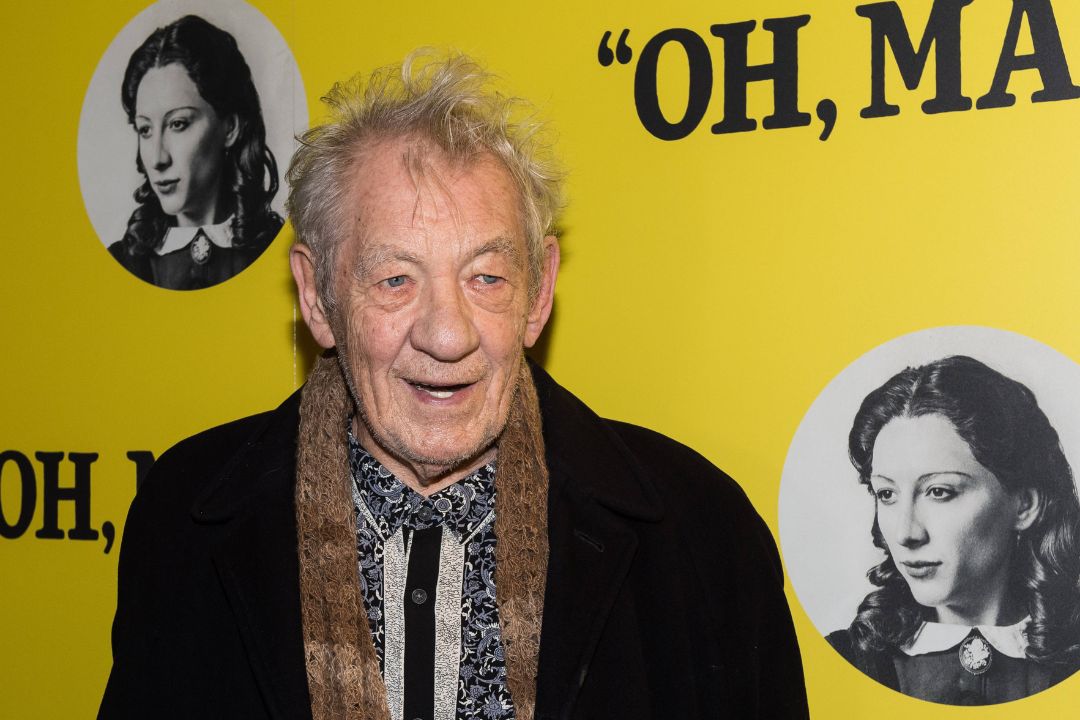
Sir Ian McKellen turns another milestone year older, a living testament to the kind of longevity and range Hollywood rarely sees twice in a lifetime. The English actor, born on May 25, has spanned eras, from the Royal Shakespeare Company stages to globe‑straddling blockbusters without ever losing his theatrical precision or his quiet, imposing magnetism.
At an age when many actors fade into legacy tours, McKellen still commands lead roles, one‑man shows, and activist platforms with the same vigor he brought to his early triumphs.
On his birthday, revisiting five of his most unforgettable performances reminds audiences of his technical mastery.
ADVERTISEMENT
Article continues below this ad
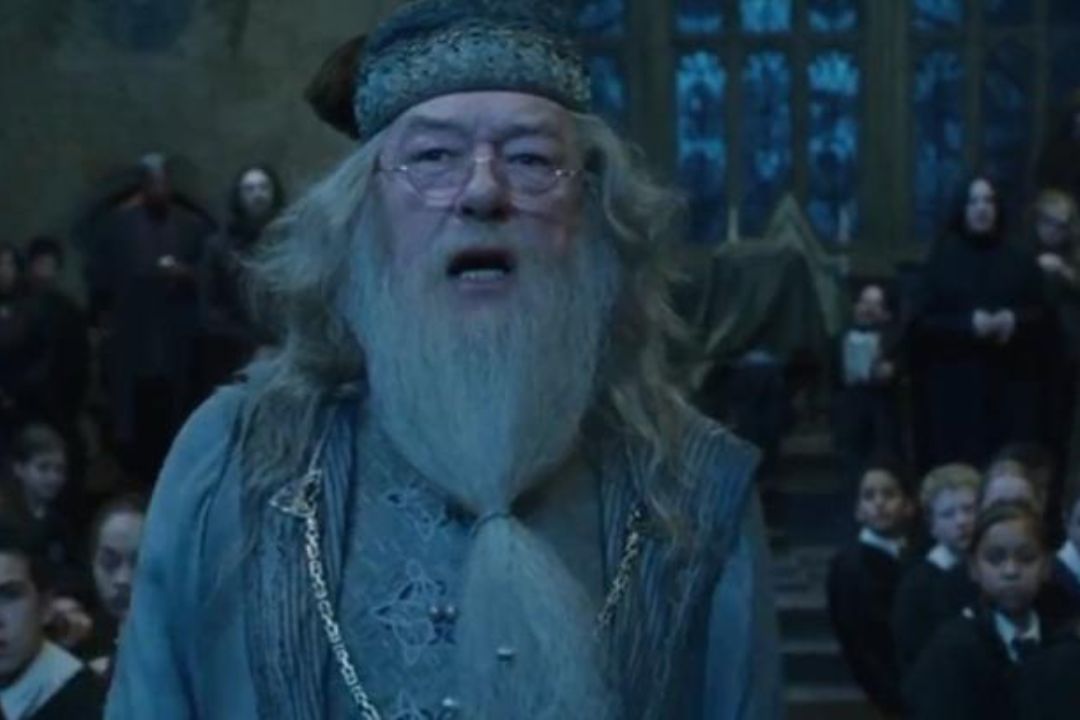
Gandalf the Grey and the White in The Lord of the Rings
Ian McKellen’s Gandalf, first as the cloaked, pipe‑smoking Grey and later as the blazing, corrupted‑reborn White, gave J.R.R. Tolkien’s guide‑turn‑warrior a warm, paternal center that anchored the entire Lord of the Rings trilogy. His performance fused theatrical gravitas with a wry, almost mischievous humor, whether muttering about “fool of a Took” or glaring down the Balrog in the Mines of Moria.
The actor brought the same kind of Shakespearean presence he honed in the RSC to Middle‑earth, turning a moral compass into a character audiences would follow across three continents of cinema. That combination of wisdom and wit made Gandalf feel less like a fantasy prop and more like a real, aging mentor whose choices shaped an entire world.
McKellen’s next iconic role would take a very different color, but with just as much commanding presence.
Magneto in the X‑Men Franchise
As Erik Lehnsherr, better known as Magneto, Ian McKellen tempered Xavier’s idealism with a chilling, tragic realism born from the Holocaust and decades of persecution. In the early X‑Men films, his voice, bearing, and the subtle emotional tremors beneath his metal manipulation made him less a cartoon villain and more a moral counterpoint to Hugh Jackman’s Wolverine and Patrick Stewart’s Charles Xavier.
The role let McKellen blend regal authority with deep‑seated rage, turning a mutant separatist into one of the franchise’s most philosophically compelling figures. His nuanced performance helped elevate the X‑Men series beyond typical comic‑book spectacle, embedding historical trauma and ethical ambiguity into the superhero format.
From the realm of mutant politics, McKellen returned to the soil that shaped him: the stage, and in particular, Shakespeare’s agonized monarchs.
The devastating vulnerability of King Lear
In the 2008 television adaptation of King Lear, Ian McKellen stripped away the mythic gravitas he brought to Gandalf and Magneto, showing the raw, shattered humanity of a king who tears apart his own family and kingdom to hear flattery. His performance laid bare the horror of senility married with absolute power, turning Lear’s madness from a literary device into a visceral, trembling reality.
The final scenes, especially Lear’s cradling of his dead daughter, are rendered with a broken tenderness that makes the tragedy feel unbearably personal rather than merely theatrical. The quiet, almost whispered moments of regret in that Lear read like a culmination of a lifetime’s work on Shakespearean tyrants and fools.

From Lear’s emotional collapse, McKellen had already walked the path of a more physically and psychologically grotesque tyrant in one of his most stylized screen turns.
The Ruthless, Campy Monarch Richard III
In Richard Loncraine’s 1995 modern‑dress version of Richard III, Ian McKellen fashioned a fascist, H*****‑esque Duke of Gloucester whose withered arm, theatrical cruelty, and camp grandeur turned the play’s power‑mad schemer into a chilling, almost fascist icon. The actor’s ability to deliver soliloquies that feel like direct, conspiratorial whispers to the audience made Richard’s manipulation both chilling and perversely charming.
The production shifted the action to an alternate 1930s fascist Britain, allowing McKellen to wrap Shakespeare’s verse in the iconography of dictatorship, war, and propaganda. The result was a performance that felt at once grotesque and hypnotic, an unforgettable portrait of ambition and deformity turned into a national pathology.
McKellen’s range also extends into the stomach‑churning, with a role that trades court intrigue for a basement full of guilt and cruelty.
The haunting quiet of Kurt Dussander in Apt Pupil
In Bryan Singer’s 1998 psychological thriller Apt Pupil, Ian McKellen plays Kurt Dussander, a retired N*** officer in hiding as an unassuming American, whose life unravels when a bright, obsessive schoolboy discovers his past. The actor’s performance is a masterclass in restraint, letting quiet micro‑expressions with small pauses, a flick of the eyes, a tightening in his shoulders, betray decades of suppressed violence beneath an almost polite façade.
ADVERTISEMENT
Article continues below this ad
The film leans into horror‑adjacent territory, but McKellen refused to play Dussander as a cartoon fascist; instead, he makes him a chillingly plausible monster who smiles, pleads, and threatens with the same calm, practiced demeanor. The figure of Dussander stands as a brutal counterpoint to Gandalf’s goodness, showing how easily McKellen can slide from the light of the Ring trilogy into the shadows of history’s darkest chapters.
Taken together, these five performances map a career that bends myth, ideology, and human fragility into something unforgettable, and they offer a perfect way to celebrate one of the great stage‑and‑screen actors alive today.
ADVERTISEMENT
Article continues below this ad
Which one of these is your favorite performance of Ian McKellen? Let us know in the comments.
ADVERTISEMENT

Edited By: Aliza Siddiqui
More from Netflix Junkie on Hollywood News


ADVERTISEMENT