
5 Reasons Why 'X-Men: Apocalypse' Blew Its Own Franchise Apart
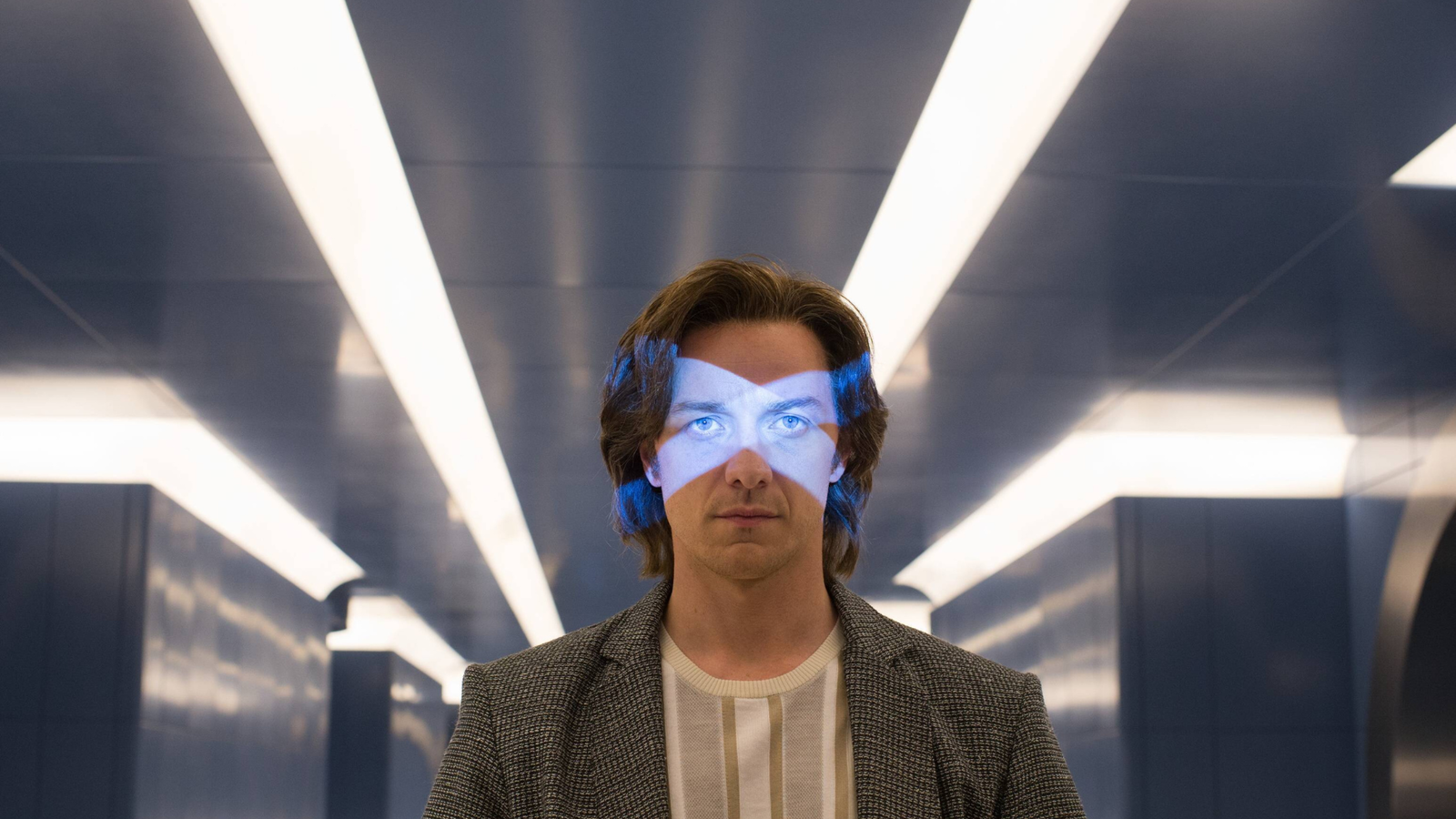
RELEASE DATE: May 27, 2016 TITLE: X-Men: Apocalypse STUDIO: Twentieth Century Fox Films DIRECTOR: Bryan Singer PLOT: With the emergence of the world s first mutant, Apocalypse, the X-Men must unite to defeat his extinction level plan STARRING: James Mcavoy Montreal Canada - ZUMAg90_ 20160527_shr_g90_583
RELEASE DATE: May 27, 2016 TITLE: X-Men: Apocalypse STUDIO: Twentieth Century Fox Films DIRECTOR: Bryan Singer PLOT: With the emergence of the world s first mutant, Apocalypse, the X-Men must unite to defeat his extinction level plan STARRING: James Mcavoy Montreal Canada - ZUMAg90_ 20160527_shr_g90_583
After X-Men: Days of Future Past pulled off one of the franchise’s most ambitious comebacks, the next mutant war had almost everything going for it. A $178 million budget, a legendary comic-book villain, a stacked ensemble, and the return of Bryan Singer promised an even bigger chapter. Instead, X-Men: Apocalypse became a bloated spectacle that left many fans wondering how a franchise with so much potential had lost its way.
So what went wrong? Here are the five spectacularly unavoidable mistakes that somewhere blew its own franchise apart.
X-Men: Apocalypse was supposed to be terrifying, not a blue punchline
Few comic-book villains arrived with more intimidating credentials than Apocalypse. An ancient mutant who believes only the strongest deserve to survive should have felt like an unstoppable god, but the 2016 movie turned that menace into something far less imposing. Oscar Isaac was buried beneath layers of blue prosthetics and makeup, stripping away much of the physical presence and expressive performance that could have made the character genuinely frightening.
The problem went beyond his appearance. Apocalypse’s complicated comic-book philosophy was reduced to a familiar destroy-and-rebuild-the-world agenda, making one of Marvel’s most fascinating villains feel strangely generic. After the intimidating, almost mechanical threat of the Sentinels in Days of Future Past, the supposed ultimate mutant threat simply failed to inspire the same dread.
And Apocalypse wasn’t the only major weapon the movie left sitting on the bench.
The four horsemen were more decoration than destroyers
The movie spends considerable time assembling Apocalypse’s Four Horsemen, making their recruitment feel like the beginning of something enormous. Magneto, Storm, Psylocke, and Angel are supposed to form an unstoppable mutant strike force, yet the payoff never matches the buildup. Psylocke and Angel receive barely enough character development to make their allegiance matter, while Storm’s eventual change of heart feels rushed rather than earned.
Magneto gets considerably more emotional material, but even his arc circles familiar territory. Once again, Erik loses someone he loves, unleashes catastrophic destruction and eventually finds his way back from the edge. The Horsemen should have been the terrifying centerpiece of Apocalypse’s empire, but instead they often feel like four powerful characters waiting for the next CGI fight.
Then the movie made another curious detour, one that had audiences cheering for a moment before wondering why it was there at all.
Wolverine’s weapon X cameo hijacked the story
Hugh Jackman’s Weapon X appearance is undeniably one of the movie’s most memorable moments. The feral Wolverine tearing through the Alkali Lake facility gives fans a glimpse of the character they know and love, complete with his claws, rage, and unmistakable brutality. The problem is that the sequence arrives like a completely different movie crashing into the one already unfolding.
Rather than pushing the central conflict forward, the Weapon X detour temporarily pulls attention away from the young X-Men and Charles Xavier’s rescue. It plays like spectacular fan service first and storytelling second, creating a burst of excitement that quickly disappears once the main plot resumes.
And when the actual apocalypse finally arrived, the spectacle itself became another problem.
The final battle became a CGI blur
The franchise had already shown it could stage superhero action with personality. Days of Future Past delivered memorable sequences built around time travel, Quicksilver’s slow-motion rescue, and the chaos surrounding the Sentinels. Apocalypse, by comparison, increasingly buries its climax beneath digital destruction, flying debris, and massive energy blasts.
The final showdown in Cairo struggles to give the destruction any physical weight. Characters throw powers across a largely digital battlefield while the screen fills with dust, debris, and CGI effects, making the conflict feel enormous without necessarily making it exciting. For a movie built around the end of civilization, the climax ironically feels less tactile and memorable than several smaller action sequences from its predecessor.
But the movie’s biggest identity crisis may have been hiding in plain sight: its most famous star was playing a character who increasingly looked nothing like her comic-book counterpart.
Mystique became a hero because Jennifer Lawrence was a superstar
Mystique’s transformation from mysterious mutant shapeshifter into the inspirational face of the X-Men became one of the franchise’s strangest creative decisions. In the comics, she is far more ruthless and morally slippery, but Apocalypse pushes her toward reluctant heroism and eventually places her in a leadership position among the younger mutants. The shift might have worked with stronger character development, but the movie often feels like it is bending the mythology around Jennifer Lawrence’s star power.
Lawrence had also become one of Hollywood’s biggest names by this point, while the extensive blue makeup required for Mystique had reportedly been a source of frustration. As a result, Mystique spends much of the film in her human form, weakening one of the character’s most visually distinctive elements. What should have been a fascinating morally gray mutant instead became a strangely conventional hero at the center of a story that was already struggling to decide what it wanted to be.
X-Men: Apocalypse had the budget, the cast, and arguably the biggest villain the franchise had ever attempted. Yet instead of building on Days of Future Past, it piled on characters, spectacle, and fan service until the story lost its bite. Its roughly $544 million worldwide gross, compared with Days of Future Past’s roughly $746 million, reflected the growing disconnect, while its 47% Rotten Tomatoes critics' score made the critical backlash impossible to ignore.
And though the franchise had plenty to celebrate before, it seems this time, the audience simply wasn’t ready to cheer.

Which of these mistakes hurt X-Men: Apocalypse the most? Let us know in the comments.

Edited By: Aliza Siddiqui
