
5 Must-Watch Pauline Collins Movies to Remember Her Legacy
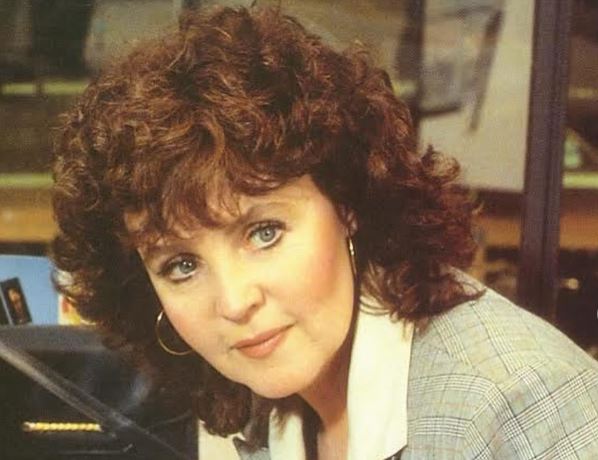
Some actors play roles, but Pauline Collins lived them. She brought depth to the simplest stories and strength to the quietest characters. With grace and honesty, she made every day women unforgettable. Her performances carried warmth, dignity, and courage that stayed long after the credits rolled. Pauline Collins passed away on November 6 at the age of 85, leaving behind a legacy that defined sincerity in cinema.
While Hollywood chased noise and novelty, Collins built her empire on nuance, each role a reminder that power can whisper and still shake the room.
1. Shirley Valentine (1989)
ADVERTISEMENT
Article continues below this ad
Shirley Valentine was not just a film; it was a spiritual awakening disguised as a midlife crisis. Pauline Collins played a housewife so invisible that even her own tea mug looked past her. Yet when a sun-drenched Greek getaway appeared, she grabbed it like a lifeline. Suddenly, she was talking to the sea instead of the kitchen wall, and her words felt like hymns of liberation dressed in sarcasm and olive oil.
Once in Greece, Shirley’s transformation became less of a vacation and more of a revolution. She fell in love, not with a man, but with her reflection, finally smiling back. Collins turned monologues into confessions, laughter into healing. Her Oscar-nominated performance was a declaration: aging women are not fading; they are unfolding. The film still feels like therapy for anyone allergic to monotony.
While Shirley danced with freedom on Grecian shores, Collins soon traded sunsets for chaos, diving from personal liberation into Kolkata’s spiritual storm, where compassion, not romance, became her greatest rebellion.
2. City of Joy (1992)
In City of Joy, Pauline Collins traded cocktails for compassion, stepping into the chaos of Kolkata as Joan Bethel, a nun whose calm could silence storms. Amid poverty, corruption, and existential heatwaves, she became the film’s pulse, a moral compass wrapped in humility. No quippy one-liners, no flashy exits. Just quiet power in a city that tested faith with every breath.
Joan’s steady devotion contrasted beautifully with Patrick Swayze’s disillusioned doctor, proving that light does not always need a spotlight. Collins carried her character with unflinching grace, blending the sacred and the human in a way that made viewers rethink what endurance really means. The nun became not a saintly cliché but a portrait of everyday heroism, gritty, grounded, gloriously humane.

While Joan’s faith thrived amid Kolkata’s chaos, Collins soon marched into an even harsher battlefield, where survival itself became art, and music rose defiantly above the silence of war.
3. Paradise Road (1997)
In Paradise Road, Pauline Collins swapped glamor for grit, portraying Margaret Drummond, a missionary turned morale-keeper in a WWII prison camp. The setting was bleak, but her eyes preached quiet defiance. With nothing but memory and courage, she helped form a vocal orchestra that transformed survival into a symphony. Often overlooked, this haunting gem easily qualifies as one of the most underrated WWII films ever made, proof that resistance can sound as graceful as a hymn.
Margaret’s music was rebellion disguised as grace. Each note echoed resistance, and Collins delivered it with sacred conviction. Her calm strength brightened the film’s dark tone, showing that even captivity cannot cage creativity. The vocal orchestra became the heartbeat of hope, reminding everyone that humanity’s loudest moments are often sung in whispers.
While Margaret found harmony in hardship, Collins later returned to laughter and melody, trading war camps for retirement halls, where aging met encore and memory danced to its own rhythm.
4. Quartet (2012)
In Quartet, Pauline Collins rejoined the stage, this time inside Beecham House, a retirement home that buzzed with ex-divas and faded maestros. As Cissy Robson, she turned forgetfulness into poetry and mischief into music. Surrounded by fellow legends, her gentle chaos softened the film’s reflections on aging. Cissy’s spirit was proof that artistry never truly retires; it just changes tempo.
Cissy’s dementia added vulnerability, but Collins infused it with humor and depth, making fragility feel noble. The film became a duet between laughter and loss, where friendship played conductor. Her portrayal shimmered between tragedy and tenderness, reminding audiences that the grand performance of life never truly ends; it just modulates.

While Cissy waltzed through nostalgia with grace, Collins soon traded melodies for mutiny, stepping into a world where boiled cabbage sparked rebellion and aging met its most comedic uprising yet.
5. Mrs Caldicot’s Cabbage War (2002)
Pauline Collins returned to her comedic brilliance in Mrs Caldicot’s Cabbage War, turning monotony into mutiny. As Thelma Caldicot, she endured a life micromanaged by men and mediocre meals until rebellion simmered over cabbage. One unexpected death later, she found herself leading a revolution in a retirement home that treated joy like contraband.
ADVERTISEMENT
Article continues below this ad
Collins transformed Thelma from a subdued widow to an accidental activist, sparking laughter and liberation in equal measure. Mrs Caldicot’s Cabbage War became a manifesto for late bloomers, proving that freedom can ferment anywhere, even in institutional kitchens. The film echoed Shirley Valentine’s spirit but swapped beaches for bingo halls, showing that empowerment never expires, it just changes address.

ADVERTISEMENT
Article continues below this ad
What are your thoughts on Pauline Collins’ legacy of wit, warmth, and quiet rebellion? Tell us in the comments.
ADVERTISEMENT

Edited By: Aliza Siddiqui
ADVERTISEMENT
ADVERTISEMENT
