
5 Modern Horror Movies Destined to Become Classics
Once upon a time, horror was the guilty pleasure nobody admitted to liking. Then came an era where monsters stopped hiding under beds and started living in our heads. Ghosts became metaphors, grief became a screenplay, and fear learned how to speak Latin. Modern horror no longer wants to make you jump; it wants to make you think. The real fear begins when the credits roll and your mind refuses to rest.
As horror learned to whisper instead of scream, five masterpieces emerged, smart, unhinged, and unforgettable enough to deserve their own seats in the cult-classic pantheon.
The Witch
ADVERTISEMENT
Article continues below this ad
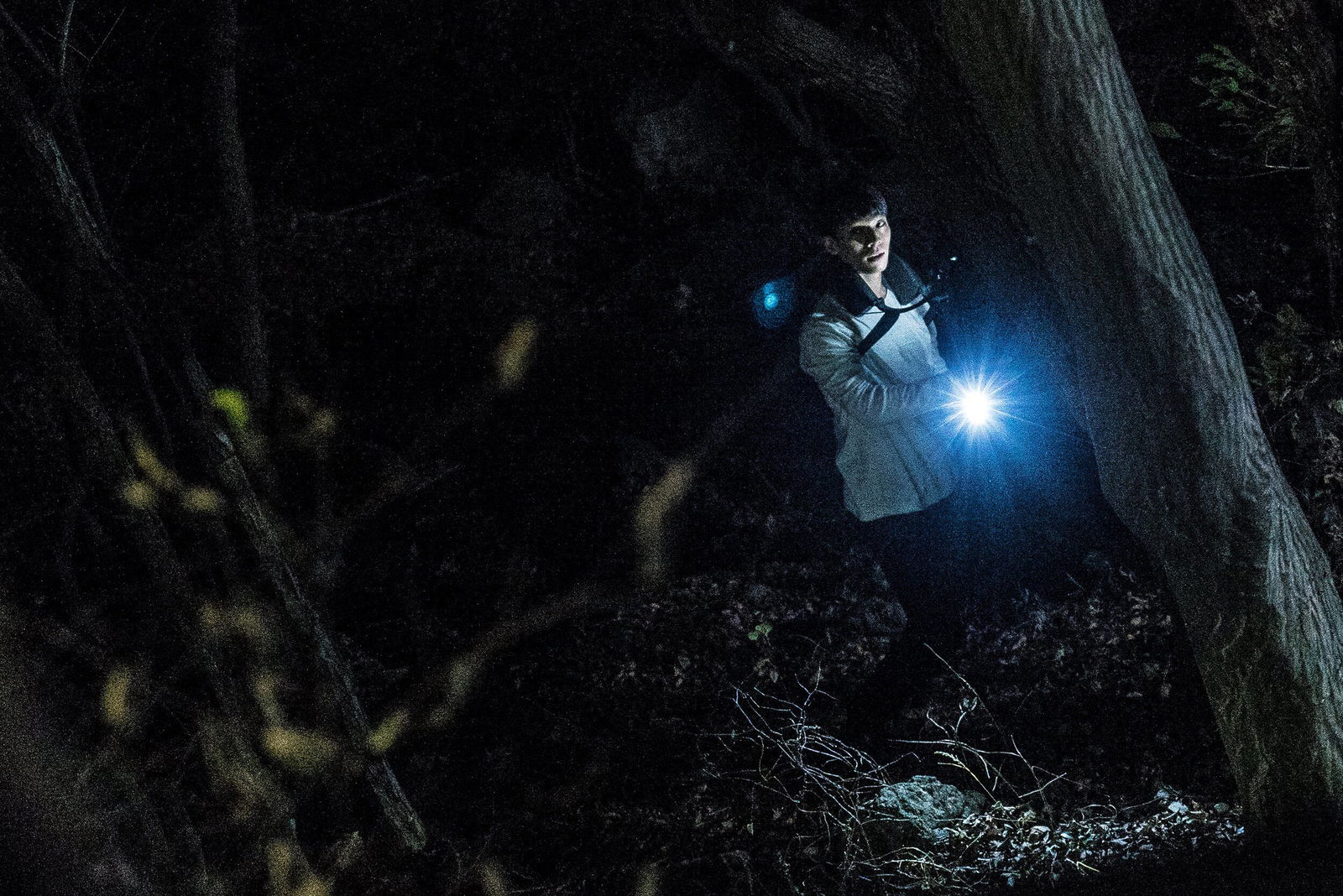
Before A24 became the film student’s personality trait, The Witch arrived like a dark sermon. A Puritan family, punished by faith and paranoia, moved into the woods only to meet something more terrifying than the devil, each other. The forest never needed to move; the silence already screamed. It was a film that spoke in whispers, prayed in terror, and left viewers wondering if God ever loved anyone at all.
When Thomasin finally chooses the dark, it does not feel like she is falling; it feels like she is arriving. The Witch never peddled witchcraft; it whispered about freedom disguised as sin. Critics hailed it as a revelation, while bewildered audiences searched for jump scares that never came. Anya Taylor-Joy’s breakout was not built on fear but awakening. The film did not crave screams; it craved surrender, a slow, sacred undoing that made damnation look a lot like deliverance.
As Thomasin took flight into eternal midnight, another girl wandered into blinding daylight, where grief wore flower crowns and therapy came with a blood ritual.
Midsommar
Ari Aster looked at heartbreak and decided it deserved choreography. Midsommar is grief dressed in white linen, performed under sunlight so bright it feels like judgment. Dani’s sadness moves through the screen like smoke, wrapping around the villagers who smile too wide and love too loudly. It is the kind of movie that burns slowly, making you wonder if closure is just another kind of sacrifice.
Midsommar unfolds like a heartbreak ritual under a sun that never sets. Dani’s final smile burns brighter than the flames around her, a silent verdict on everything she has lost. Florence Pugh turns despair into devotion, and Ari Aster films it like worship. It is one of those movies that can turn into absolute nightmares, where grief blooms, gods watch, and the girl becomes her own sacrifice.

While Midsommar turned pain into pageantry, The Babadook chose domestic warfare, where love looked like exhaustion, and monsters knocked politely before entering.
The Babadook
If grief ever spoke, it would whisper through cracked lullabies. The Babadook trails Amelia, a mother haunted less by monsters and more by the exhaustion of staying alive. Every creak in the house feels like a sigh she forgot to release. Shadows stretch longer, patience grows thinner, and dinner turns into a silent battlefield where no one dares name the fear sitting beside them.
Jennifer Kent turned a children’s rhyme into an emotional excavation. The horror blooms through reflection, not revelation. Amelia survives by learning the rhythm of her darkness, feeding it on schedule like a reluctant caretaker. Adulthood begins to look like monster management, chaos trimmed just enough to appear civilized. Somewhere between grief and grit, The Babadook found queer sainthood, because repression always recognizes its own reflection, no matter the mask it wears.

While The Babadook learned to make peace with its grief, Hereditary asked what happens when grief becomes the family heirloom no one wants to inherit.
Hereditary
In Hereditary, grief runs through the bloodline like an unwanted inheritance. The Graham family does not simply mourn; they spiral, collapsing inward until even silence feels cursed. The story begins with a funeral and unravels into a coronation of despair. Annie’s breakdown burns slowly and operatic, every scream a hymn to something ancient. The air smells of candle wax, woodsmoke, and memories that refuse to stay buried.
Ari Aster turns tragedy into architecture, arranging pain with the precision of a sculptor. Every shadow feels rehearsed, every quiet moment waits to snap. The supernatural hardly needs an introduction; grief already knows how to haunt a house. Critics called it emotionally ruinous, as if trauma could ever be polite. By the final frame, the real fear is not the demon, it is the family portrait that still smiles back.
While Hereditary screamed through the halls of family homes, Get Out quietly sat at the dinner table and turned politeness into psychological warfare.
Get Out
Get Out did not just reinvent horror; it dragged America to the mirror and refused to let it look away. Chris arrives at his girlfriend’s house expecting brunch with progressives who brag about empathy. Instead, he finds a plantation with Wi-Fi. Jordan Peele turned politeness into a weapon, tea cups into chains, and casual conversation into psychological warfare. Horror finally learned to say something without raising its voice.
ADVERTISEMENT
Article continues below this ad
The film shook culture like an overdue alarm. Critics called it genius, audiences called their therapists, and Peele took home an Oscar for translating microaggressions into a scream. The story did not need ghosts; the living were enough. Every smile felt like surveillance, every compliment carried a warning. Get Out became more than cinema; it became proof that horror does not always hide in the dark; sometimes, it greets you at the door with perfect manners.

ADVERTISEMENT
Article continues below this ad
What are your thoughts on which of these modern horror films will age into true cinematic classics? Let us know in the comments below.
ADVERTISEMENT

Edited By: Itti Mahajan
More from Netflix Junkie on Hollywood News


ADVERTISEMENT