
“Film Is Not Divisive” – ‘Fjord’ Director Leaves the Film’s Polarizing Scorecard to Audiences
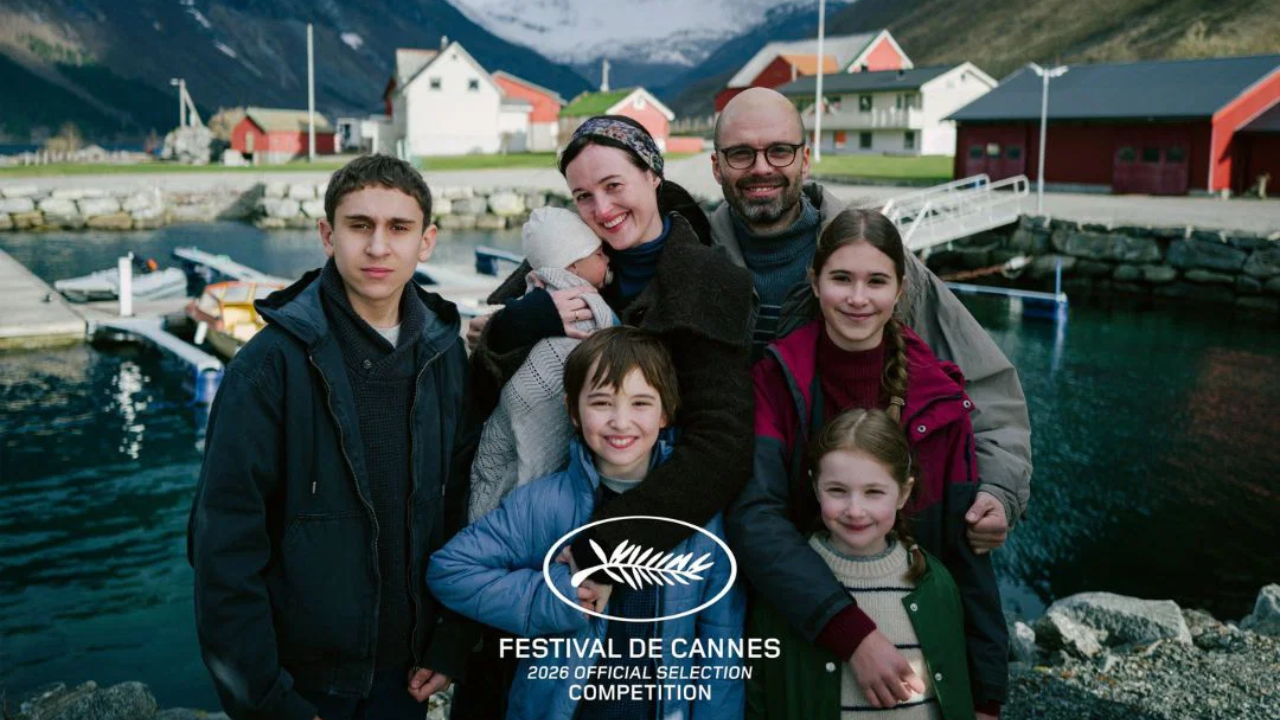
Cristian Mungiu’s Fjord has left audiences with plenty to argue about, and its director is happy to let them settle the debate themselves. The 2026 Palme d’Or-winning drama follows a devoutly Christian Romanian-Norwegian couple, played by Sebastian Stan and Renate Reinsve, whose five children are taken into state care over allegations of corporal punishment and strict religious upbringing. Inspired by real cases in Norway, the film examines the clash between traditional religious parenting and progressive state authority, causing quite the debate.
Cristian Mungiu, meanwhile, is not handing audiences an answer key. The director wants viewers to see Fjord and make up their own minds.
Cristian Mungiu weighs in on the Fjord debate
Speaking at the Marrakech Film Festival on Monday, Cristian Mungiu addressed the debate surrounding Fjord, arguing that the film reflects existing social divisions rather than creating them. The director believes the differing reactions are precisely what his Palme d’Or-winning drama sets out to examine.
“The film is not divisive. The society is divided. And the film is about this,” Mungiu said. He further described the story as being about “this incapacity of us sharing the same society with people who do not share the same views as us.”
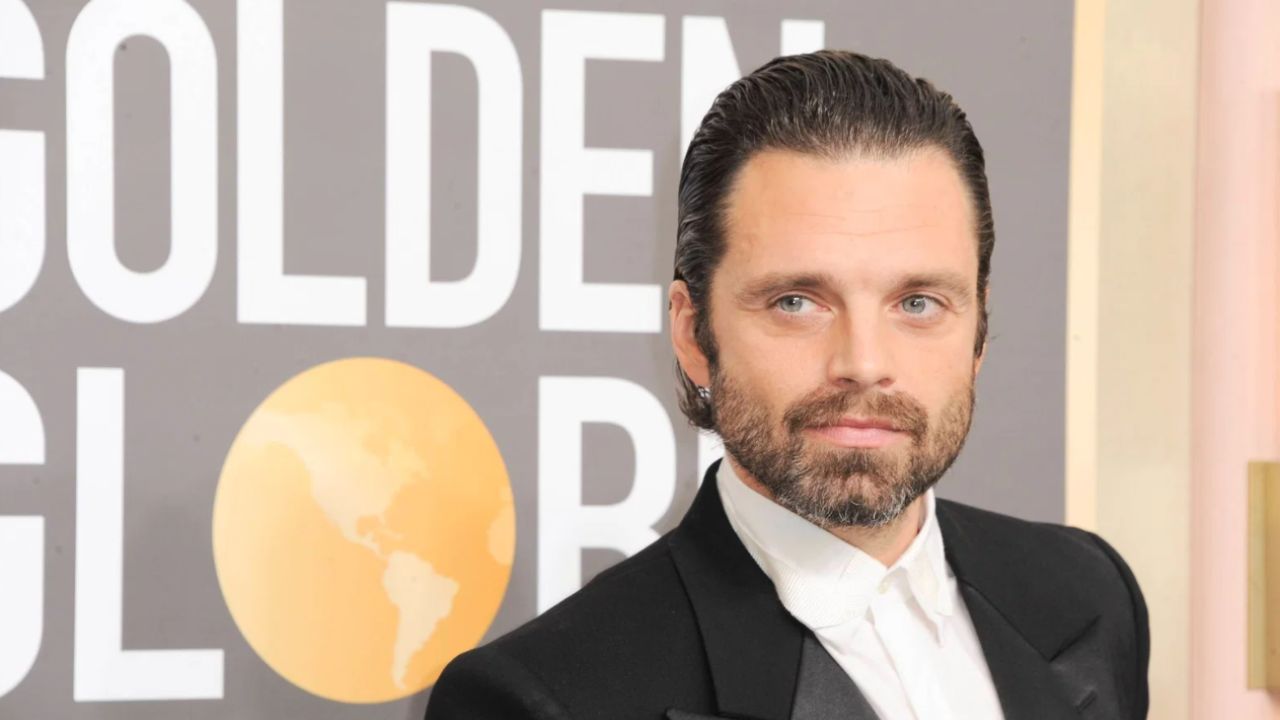
The disagreement was already evident during the film’s Cannes competition run, where Fjord emerged as one of the more hotly debated titles. Critics were split over whether Mungiu’s moral drama leaned towards the protagonists’ conservative values or the progressive principles of Norwegian society, leaving audiences to contend with a conflict that offered no easy verdict.
Beyond the debate Sebastian Stan hinted Fjord would stir, the film has a distinctive visual identity that makes its filmmaking just as intriguing.
How Fjord’s visuals tell a story beyond the dialogue
In Fjord, Cristian Mungiu gives viewers very little cinematic hand-holding, and that is rather the point. Scenes play out in single, uninterrupted takes, with no convenient close-ups, dramatic camera angles or musical nudges to dictate an emotional response. Courtroom confrontations and interrogations consequently become exercises in watching uncomfortable silences and tensions unfold.
The film’s surroundings are hardly more comforting. Shot in Ålesund, Norway, by cinematographer Tudor Vladimir Panduru, the drama uses handheld camerawork, stark natural lighting and a chilly blue-gray palette to underline the family’s isolation. Then, after 146 minutes of social realism, Mungiu makes an unexpected turn towards magical realism, as a neighboring girl appears to walk on water. It is a visual flourish that gives Fjord another layer beyond the arguments playing out on screen.
What do you think of the director's response to the Fjord debate? Let us know in the comments!

Edited By: Adiba Nizami
