
Everything George R. R. Martin Hates About ‘House of the Dragon’: The Creative Divide Explained
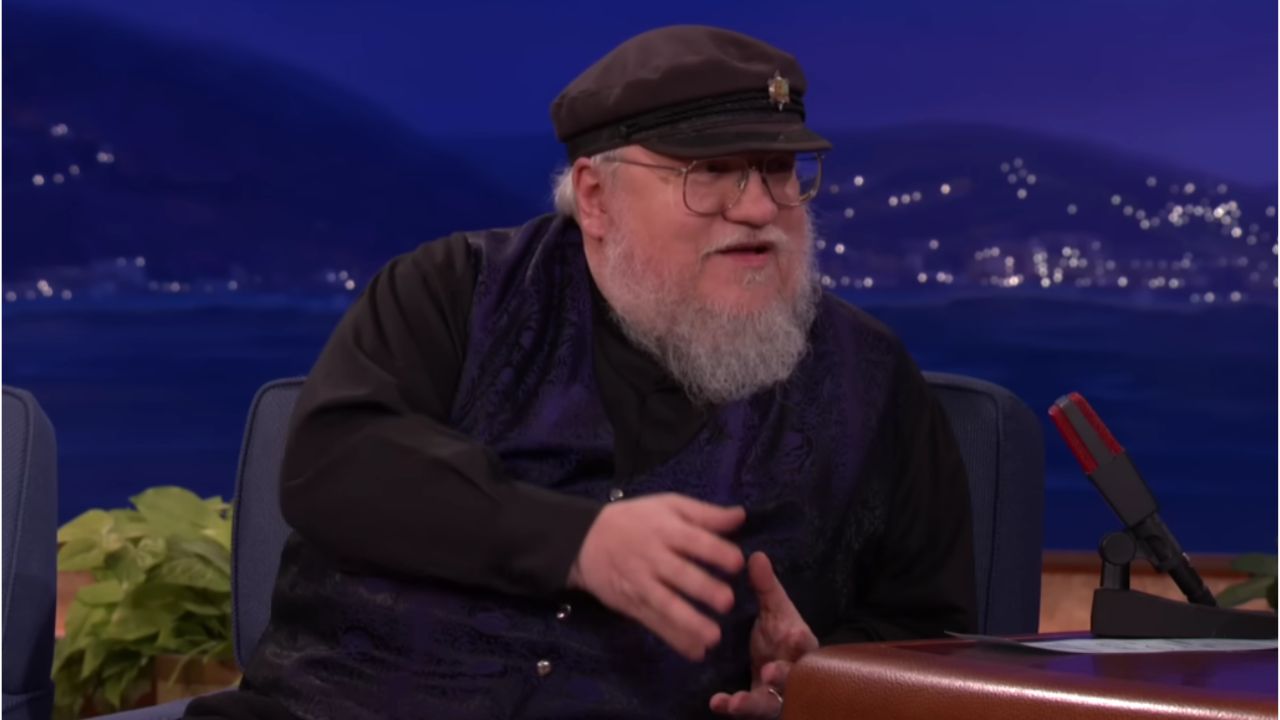
Credit: George R.R. Martin Is Writing As Fast As He Can | CONAN on TBS/ Team Coco via YouTube
Credit: George R.R. Martin Is Writing As Fast As He Can | CONAN on TBS/ Team Coco via YouTube
It is sometimes very difficult to translate everything written on the pages to the screen exactly word for word, especially in a book adaptation. And when the book is George RR Martin’s fantasy epic Fire & Blood, then it particularly becomes a Herculean task. While HBO’s House of the Dragon has earned high praise from the audience and critics alike, one man does not seem to be happy - the author of the source material, George RR Martin himself. According to the author, he disagreed with some of the changes made by the creative team of the HBO show.
Here are all the changes that George RR Martin hated in House of the Dragon.
The Blood and Cheese fiasco
George RR Martin claimed back in 2024 that HBO's House of the Dragon made a number of mistakes in his long blog post that he deleted later, but he acknowledges that he never voiced his objections to those revisions as strongly as he ought to have. Martin claims that Prince Maelor, a significant character in the book, was eliminated from the show. The Blood and Cheese scene's emotional power was diminished by his absence, and the next plot developments were wrecked.
Martin says that casting concerns and financial limitations prevented Maelor from being cast. In the book, Helaena has to decide which of her boys - Jaehaerys or Maelor - will be slain, which gives the situation a great deal of depth and pathos. Martin felt that the scene's emotional impact was lessened by the show's simplification of this by excluding Maelor and altering Helaena's involvement in the sequence.
Daeron Targaryen’s exclusion
Fans of the book know that Viserys and Alicent had four children in the original literature - three boys and one girl. Although Aegon II, Aemond, and Helaena had significant roles in the show, Daeron was not mentioned at all, leading us to believe that he was mostly written out of it. Since he was, to be honest, largely insignificant and inconsequential until the Dance of Dragons started, the writers chose not to waste any screen time on him.
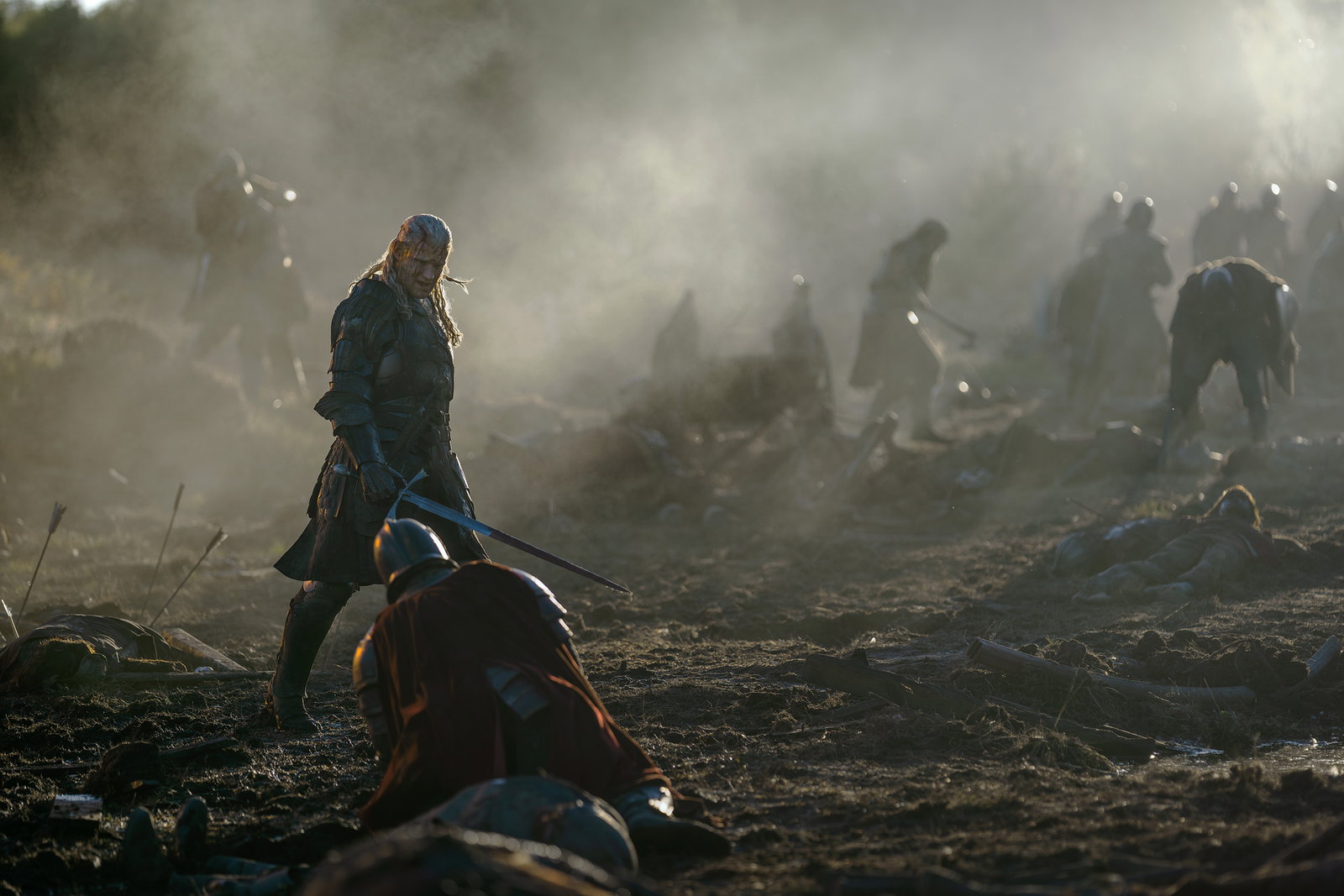
Martin did not like the show sidelining Daeron, as he has a bigger role when the war reaches its most intense point. He is an heir to the throne and one of the biggest threats to Rhaenyra’s claim. However, it seems that the writers of the show are heeding Martin’s concerns, and they have decided to introduce him in season 3 of House of the Dragon.
The dynamics of Daemon and Leana’s marriage altered
George RR Martin did not appreciate how the show changed Daemon and Laena Velaryon's destructive, estranged marriage into something more amicable while leaving out their complicated marital dynamics. In the novels, Daemon's relationship with Laena is mostly focused on respect and political cooperation; his emotional state is unclear after Laena's passing.
Daemon's emotional state is more evident and definitive in the show, and his relationship is depicted with love and respect. The show also depicts Daemon and Laena as having a sincere bond, raising their kids together, and Daemon as being profoundly affected by Laena's passing. The novels portray a marriage that is less emotionally nuanced and more calculated.
Motivations for Aegon’s conquest
Aegon's dream of A Song of Ice and Fire was a significant revelation in the conclusion of House of the Dragon season 1, episode 1, and has continued to have an impact on both the Dance of the Dragons and the show. In addition to changing our understanding of House Targaryen's past, it also retcons Game of Thrones, allowing us to view some events - particularly those from season 8 - in a different way.
While House of the Dragon added the premise that Aegon the Conqueror's motivation for invading Westeros was a prophetic dream of a coming darkness from the North, Martin believes the show relies too much on it as the primary motivation and moral defense of Rhaenyra's claim, transforming a brutal, morally dubious dynastic conflict into a simple "good versus evil" story.
Rhaenyra and Alicent’s friends-to-enemies journey
One of the most captivating aspects of House of the Dragon is the complicated bond between Alicent Hightower and Rhaenyra Targaryen, despite the fact that it is very different from the original work by George R.R. Martin. In contrast to Fire & Blood, which depicted them as direct rivals, HBO's adaptation made the audacious decision to start with them as close childhood friends. This decision eventually heightens the sad nature of their eventual hostility.
While their later struggle is made more emotionally complex by this divergence from Fire & Blood, which increases the impact of their failing relationship on viewers, George RR Martin strongly dislikes this alteration. In his view, the harsh political realities, medieval setting, and dire repercussions of his universe are undermined by portraying them as kind, childhood friends who casually visit each other's castles.
According to reports, Martin's working relationship with showrunner Ryan Condal deteriorated beyond particular narrative elements. He felt that his remarks were totally disregarded throughout season 2, with HBO ignoring his criticism or showrunner Ryan Condal dismissing his recommendations. Anyhow, House of the Dragon is still finding a lot of love despite the deviations from the source material.
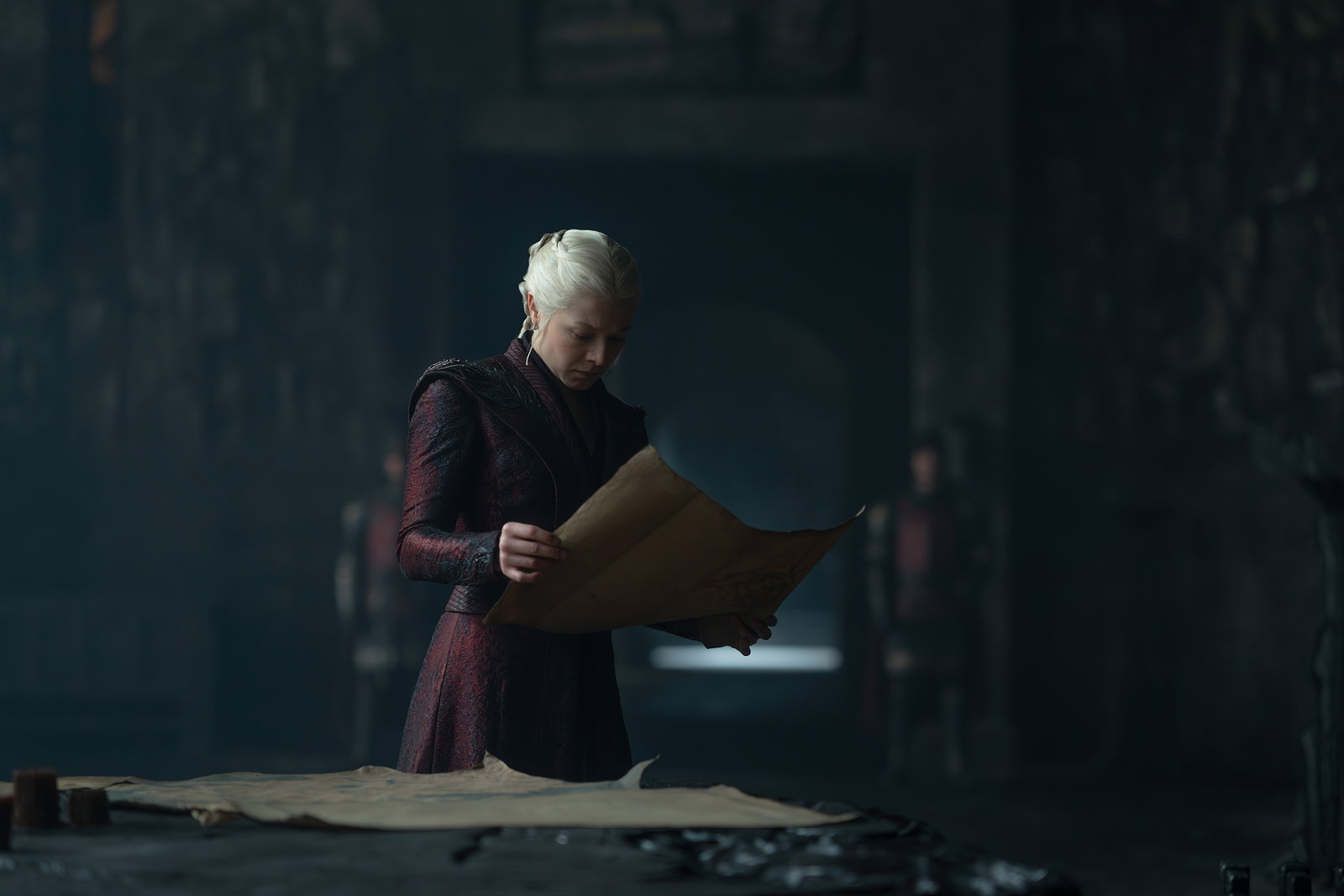
Do you agree with George RR Martin’s hatred for the changes in the book adaptation? Share your thoughts.

Edited By: Hriddhi Maitra
