
'DTF St. Louis' Finale: Who Killed Floyd? Creator Unpacks The Shocking Twist
The mystery at the heart of DTF St. Louis never felt like a straightforward whodunit. From the very first episode, Floyd Smernitch’s death loomed large, framed as a suspicious case waiting to be cracked. But as the series peeled back its layers, it became increasingly clear that the truth might be far more complicated and far more human than a simple act of murder.
By the time the finale arrived, the episode’s central theme and title, 'No one’s normal, it just looks that way from across the street', had fully taken hold. Every character carried secrets, regrets, and distorted perceptions, making Floyd’s fate less about who could have killed him and more about what truly led to that tragic night.
The answer everyone was chasing points somewhere unexpected
ADVERTISEMENT
Article continues below this ad
The truth behind Floyd’s final moments
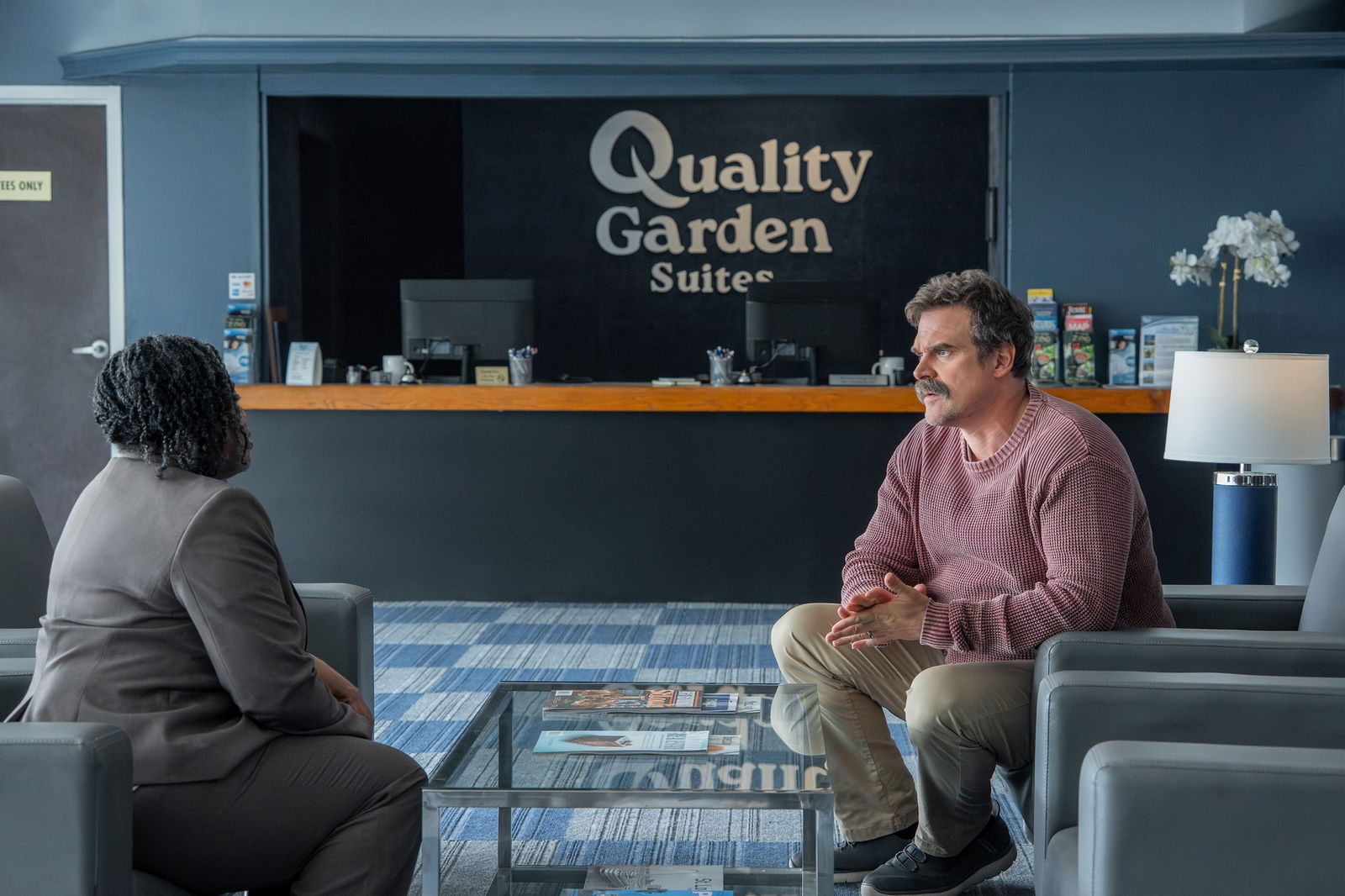
What really happened to Floyd was not a crime of passion or a calculated murder, it was a deeply emotional unraveling that played out in the most unexpected way. On the night of his death, Floyd met Clark at the Kevin Kline Community Pool Center, following the fallout from the fake “Tiger Tiger” dating profile. Clark, weighed down by guilt, tried to give Floyd something he had long been missing, validation, companionship, and a sense of being seen. The two shared a surprisingly tender moment, dancing together in their underwear to Barry White, a scene that captured Floyd’s vulnerability more than anything else.
But that fragile moment did not last. Floyd’s stepson, Richard, who had earlier discovered his DTF profile, followed him to the pool and walked in on the scene. Misinterpreting what he saw as a betrayal of his mother, Richard lashed out, hurling harsh words at Floyd before riding away. Already weighed down by years of insecurity, including the injury that led to his Peyronie’s disease, Floyd was left completely shattered.
The injury itself stemmed from a childhood outburst, when Richard, angered after seeing Floyd argue with Carol, struck him with a tennis racket in a misguided attempt to protect his mother. In that state, he drank a Bloody Mary he had spiked with a fatal dose of Amphezyne. As Richard left, Floyd signed “I love you” in ASL, a gesture tragically misunderstood in the moment as as a "rock on" sign.
In the end, the investigation reveals the truth: Floyd was not murdered. Despite suspicions surrounding Carol and Clark, both are ultimately cleared. Floyd’s death was a suicide, driven by a lifetime of emotional wounds, rejection, and miscommunication. The final revelation reframes the entire series, not as a murder mystery, but as a heartbreaking exploration of how loneliness and misunderstanding can quietly consume a person.
But understanding how Floyd died only opens the door to a deeper, more unsettling question: why did it happen at all?
Inside the emotional breaking point that changed everything
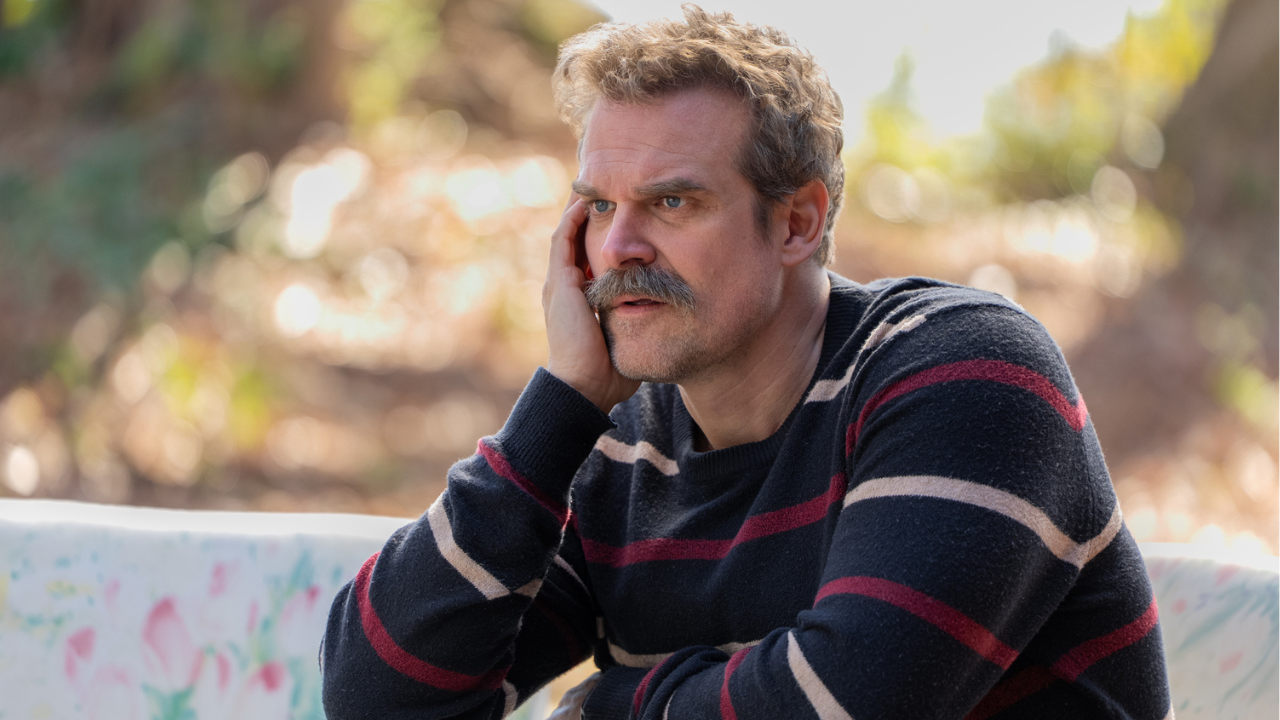
In an exclusive interview with TV Insider, series creator Steve Conrad unpacked the emotional weight behind Floyd’s final decision, revealing that it was not just one moment, but a culmination of many. While Floyd had faced repeated romantic rejection throughout the series, Steve Conrad pointed to something far more personal as the true breaking point: his relationship with Richard. Despite failed therapy attempts and ongoing distance, Floyd believed that summer marked a turning point between them. In his eyes, it was the one thing that had gone right. But that fragile connection became the very thing that unraveled him when Richard witnessed a side of Floyd he was not ready to understand.
Steve Conrad explained that Floyd internalized that moment as a failure, not because what Richard saw was wrong, but because he believed he had exposed the boy to something too complex, too soon. Layered with guilt from the past, particularly the incident that led to Floyd’s Peyronie’s disease, where he immediately forgave Richard for a childhood act of violence, Floyd carried a pattern of absorbing blame. In that final moment, Steve Conrad suggests Floyd did not see a path to repair what he believed he had broken. Instead, he chose to “turn the lights out,” ending a chapter of his life he no longer felt worthy to continue.
The creator also reflected on whether Floyd’s fate was inevitable or accelerated by his experiences throughout DTF St. Louis. Steve Conrad noted that Floyd’s struggles were deeply rooted long before the events of the series, his failing marriage, financial burdens, and loss of intimacy all pointed toward a quiet, ongoing decline. While the DTF journey may have intensified his emotional exposure, it did not create his pain, it simply brought it to the surface faster. Conrad even imagined an alternate future where Floyd lived on, but one marked by divorce, distance from Richard, and a slow fade into loneliness.
ADVERTISEMENT
Article continues below this ad
Ultimately, Conrad’s insight reframes the finale not as a sudden tragedy, but as the endpoint of a man who lacked the ability to fight for himself. Floyd’s defining trait, his unwavering kindness was also his greatest vulnerability. As Conrad put it, people like Floyd bring warmth into the world, but without resilience, that softness can become a liability. And in Floyd’s case, it quietly led him to a place where he felt disappearing was easier than enduring.
The DTF St. Louis finale ultimately flips the script on its central mystery, revealing that Floyd’s story was never about a killer hiding in plain sight but about a man quietly unraveling under the weight of love, guilt, and misunderstanding. What begins as a search for answers ends as something far more haunting: a reminder that not all tragedies leave behind someone to blame.
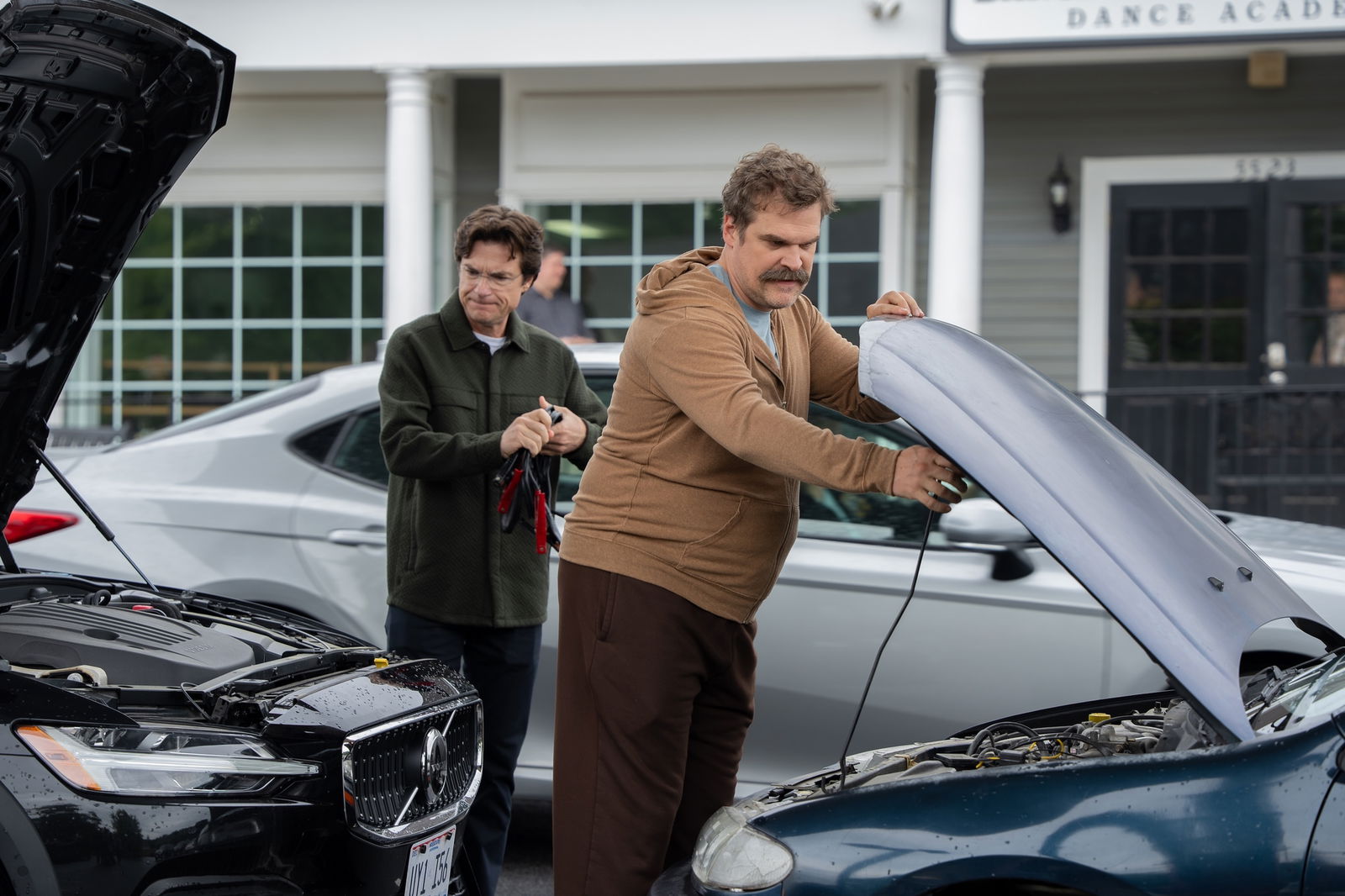
Review of 'DTF St. Louis' Episode 4: Million-Dollar Lies Unlock a Twisted Web of Greed and Insurance
ADVERTISEMENT
Article continues below this ad
What did you think of the DTF St. Louis finale and its shocking twist about Floyd’s fate? Let us know in the comments!
ADVERTISEMENT

Edited By: Aliza Siddiqui
More from Netflix Junkie on Hollywood News


ADVERTISEMENT