
‘DTF St. Louis’ Episode 7 Review: A Gut-Wrenching Conclusion to a Dark Comedy

Credits: Tina Rowden/HBO
Credits: Tina Rowden/HBO
Beneath the polished veneer of suburban Missouri lies a devastating cocktail of unrequited love and chemical despair. The HBO series deconstructs how a simple hand gesture and a lethal dose of Amphezyne brought a tragic end to a search for human connection.
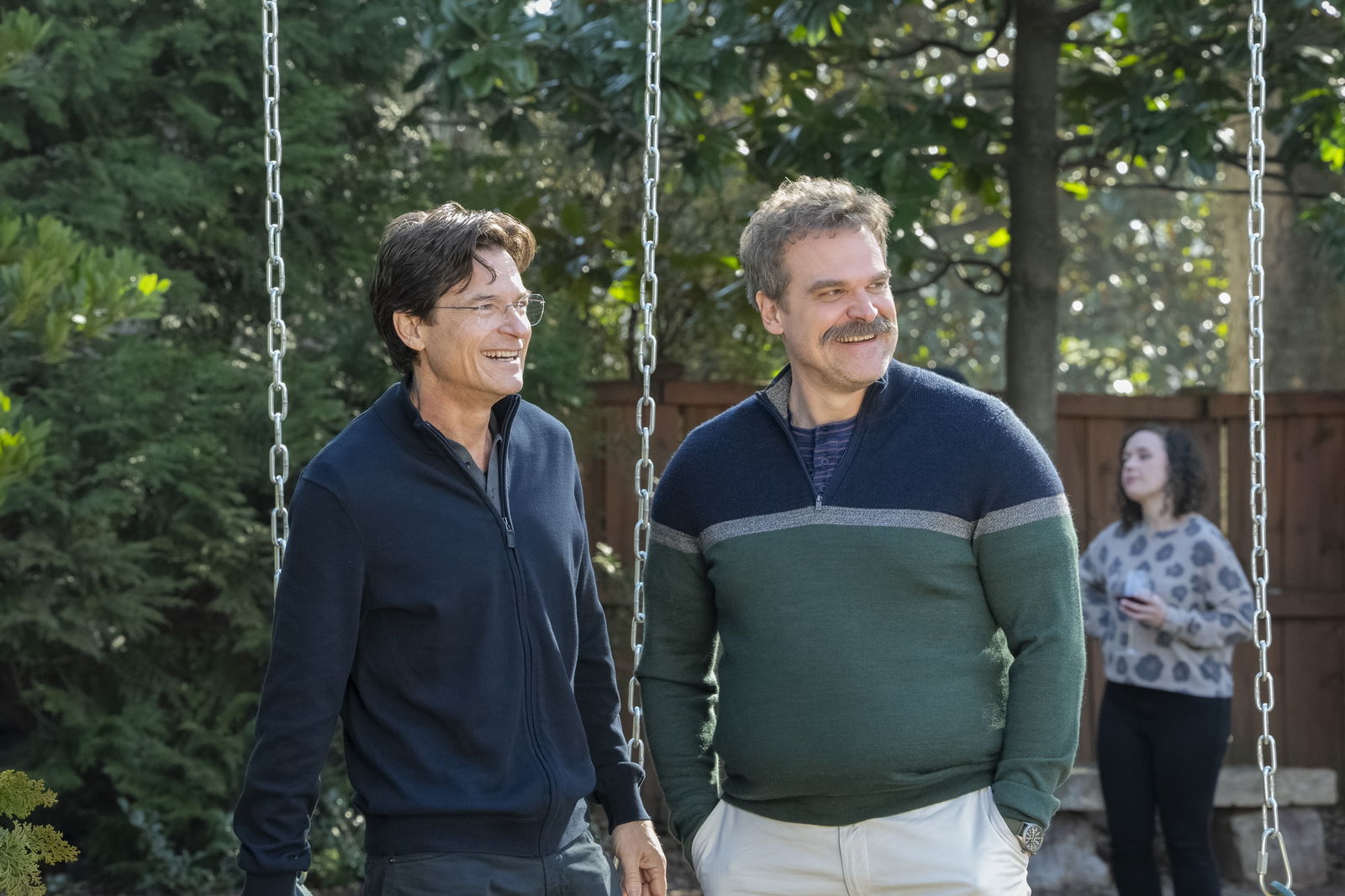
As The Denny's Plan unfolded in DTF St. Louis episode 6, Clark Forrest (Jason Bateman) confessed the truth about Floyd Smernitch's demise to detectives Plumb and Homer, and after waiting for six long episodes, the series finale of the HBO dark comedy premiered on April 12, 2026, delivering a gut-wrenching conclusion.
The investigation reaches a fever pitch as the detectives uncover a startling discrepancy in the timeline of the fateful night.
ADVERTISEMENT
Article continues below this ad
The interrogation and the second shadow in DTF St. Louis final episode
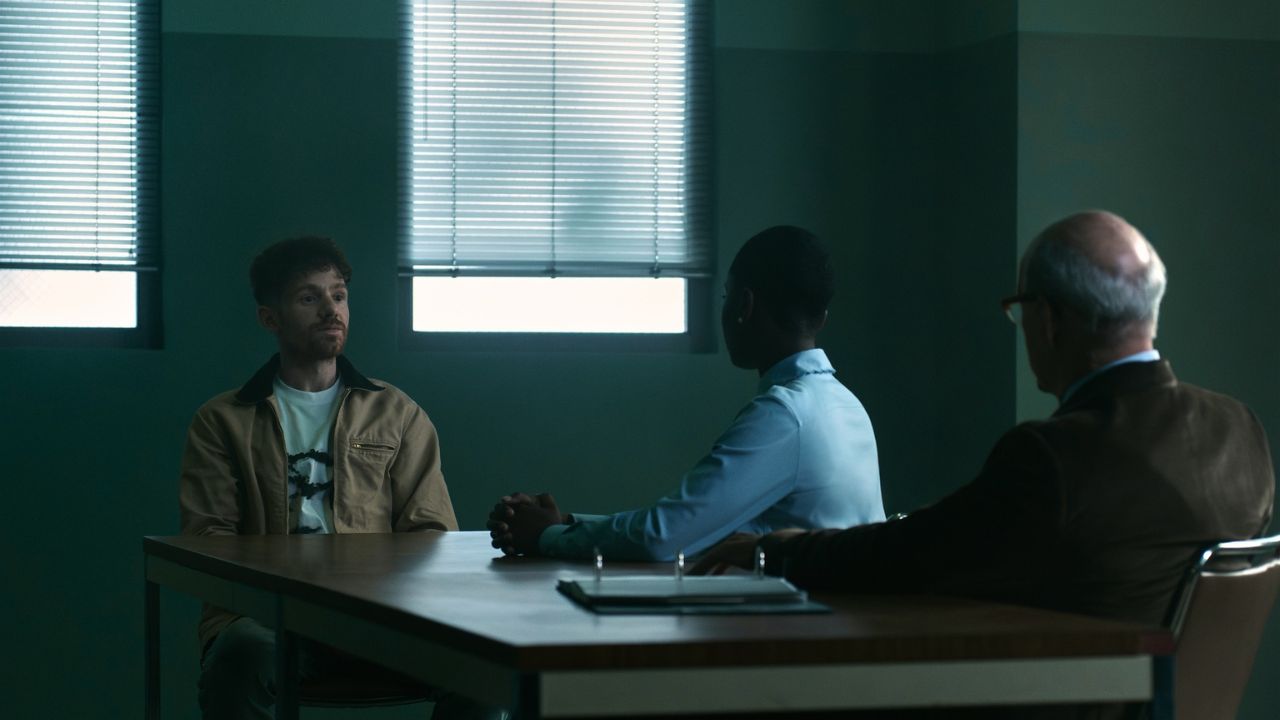
DTF St. Louis final episode, titled No One's Normal. It Just Looks That Way from Across the Street, a revelation shifts the entire perspective of the series from a murder mystery to a somber character study on the fatal consequences of isolation. Detectives Jodie Plumb and Donoghue Homer corner Clark Forrest, portrayed by Jason Bateman, in a high-stakes interrogation that strips away his composure.
Clark confesses to his profound love for Floyd and the intricacies of their secret affair. The tension escalates as security footage reveals a second bicycle near the Kevin Kline pool, proving that Clark was not the only person present. This breakthrough shifts the focus toward Carol’s son, Richard, who had previously discovered the 4 a.m. meetup on the DTF St. Louis application.
Credits: Tina Rowden/HBO
Credits: Tina Rowden/HBO
Richard admits to following the pair, arriving just as Clark departed, only to witness Floyd drinking alone in the pool house. The presence of the second bicycle serves as the physical evidence of a witness who stayed silent, transforming a private tragedy into a public investigation that eventually clears Clark of the m*****.

The tragedy hinges on a heart-breaking failure to communicate that leaves an indelible mark on the survivors.
The lethal weight of miscommunication and the truth revealed
Richard recounts shouting insults at a depressed Floyd through the glass, unaware that his stepfather was seeking one final moment of grace. When Floyd flashed a sign through the window, Richard misinterpreted the American Sign Language for 'I love you' as a defiant 'rock on' gesture. This brutal misunderstanding shattered Floyd’s last vestige of hope, prompting him to consume a lethal dose of Amphezyne, the very stimulant he had asked Clark to procure.
The show suggests that the DTF lifestyle is a hollow proxy for intimacy in an era defined by middle-aged malaise and digital detachment. Floyd did not d** from a single act of violence but from a perfect storm of financial ruin, a vacant marriage, and unreciprocated romantic feelings. His death serves as a cynical reminder that behind every manicured lawn and social media profile, individuals are often drowning in a sea of profound and quiet desperation.

Credits: Tina Rowden/HBO
Credits: Tina Rowden/HBO
The aftermath leaves a trail of ruined reputations and a cold, pragmatic path forward for those left behind.
The aftermath of a suburban collapse in in DTF St. Louis final episode
Clark was eventually cleared of the homicide, and the exposure of his private life leaves his reputation and personal world in complete shambles. He is a man who sought a saving grace in male friendship but found only the destruction of his social standing. The finale highlights the theme that seeking fulfillment in shallow, app-based encounters often results in a deeper emotional emptiness that no amount of physical intimacy can truly fill.
In a final, chilling turn, the narrative implies that Carol will utilize the life insurance payout to secure a future for herself and Richard. This conclusion offers a grim view of the middle-aged malaise, where survival and financial security take precedence over mourning a hollowed-out marriage. The illusion of normality remains intact for the neighbours across the street, even as the characters inside the house are left more isolated and lonely than they were before.

Credits: Tina Rowden/HBO
Credits: Tina Rowden/HBO
ADVERTISEMENT
Article continues below this ad
The show concludes with the theme that people are not who they seem online or in public. The title, No One's Normal, implies that everyone is struggling behind closed doors!
The series began as a satirical romp through suburban infidelity and secret digital lives, promising a comedic mystery centered on middle-aged malaise. However, the finale stripped away the humor, revealing a bleak landscape of unreciprocated love and fatal misunderstandings. By the end, the laughter vanished, replaced by the cold reality of insurance payouts and the permanent destruction of personal reputations.
ADVERTISEMENT
Article continues below this ad
What do you think about the story build up DTF St. Louis gave and what are your thoughts on the way it concluded? Let us know in the comments.
ADVERTISEMENT

Edited By: Aliza Siddiqui
ADVERTISEMENT
ADVERTISEMENT
