
Does Urgency Win Oscars? Why ‘One Battle After Another’ Is Campaigning as the Film of the Moment
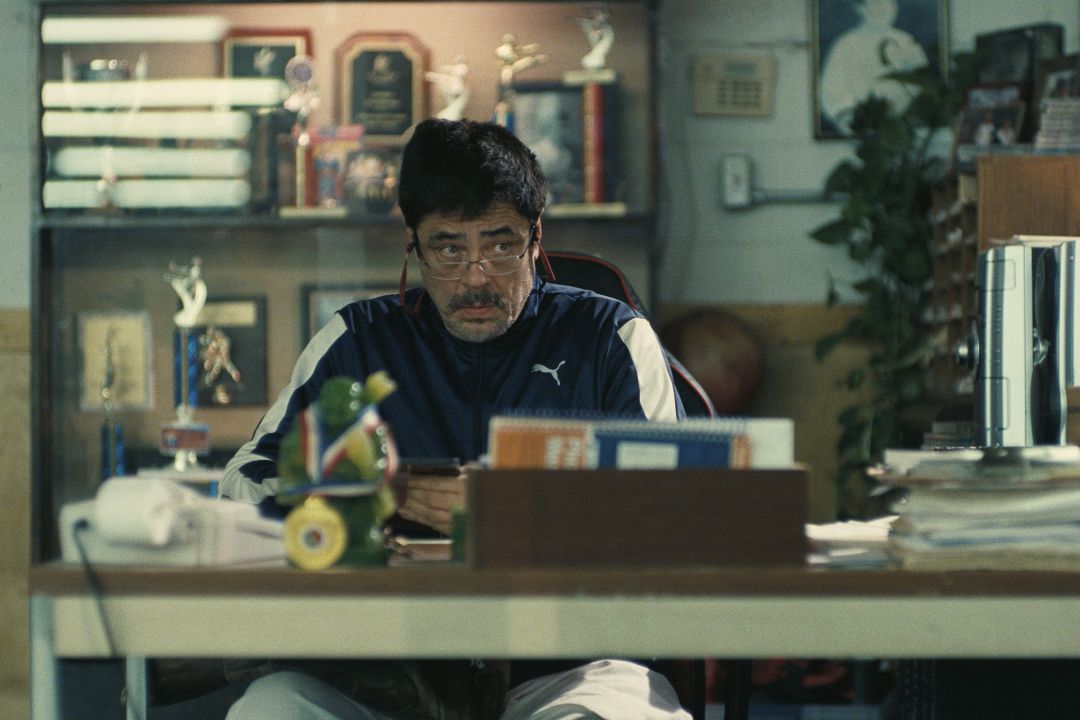
Oscar night barrels closer like an uninvited reckoning, and suddenly everyone has a ballot-shaped opinion about excellence and destiny at the Academy Awards. In a season thick with solemn contenders, One Battle After Another has crashed the conversation, not merely for its thirteen nominations, including Best Picture and Best Director, but for demanding to be discussed at present.
Beyond Leonardo DiCaprio and suspense mechanics, the film suggests timeliness itself may be the loudest performance.
How One Battle After Another has made urgency its Oscar bait
ADVERTISEMENT
Article continues below this ad
In the current Oscar race, urgency has become more than a buzzword; it is a governing logic. The Academy Awards increasingly favor films that reflect collective unease, rewarding stories that feel inseparable from present anxieties rather than distant accomplishments or purely aesthetic ambition, take Parasite and Everything Everywhere All At Once.
That shift directly benefits One Battle After Another, which confronts modern extremism and polarization without historical cushioning. Its relevance echoes how Lion gained traction by aligning immigration themes with contemporary policy debates, transforming topicality into perceived necessity.
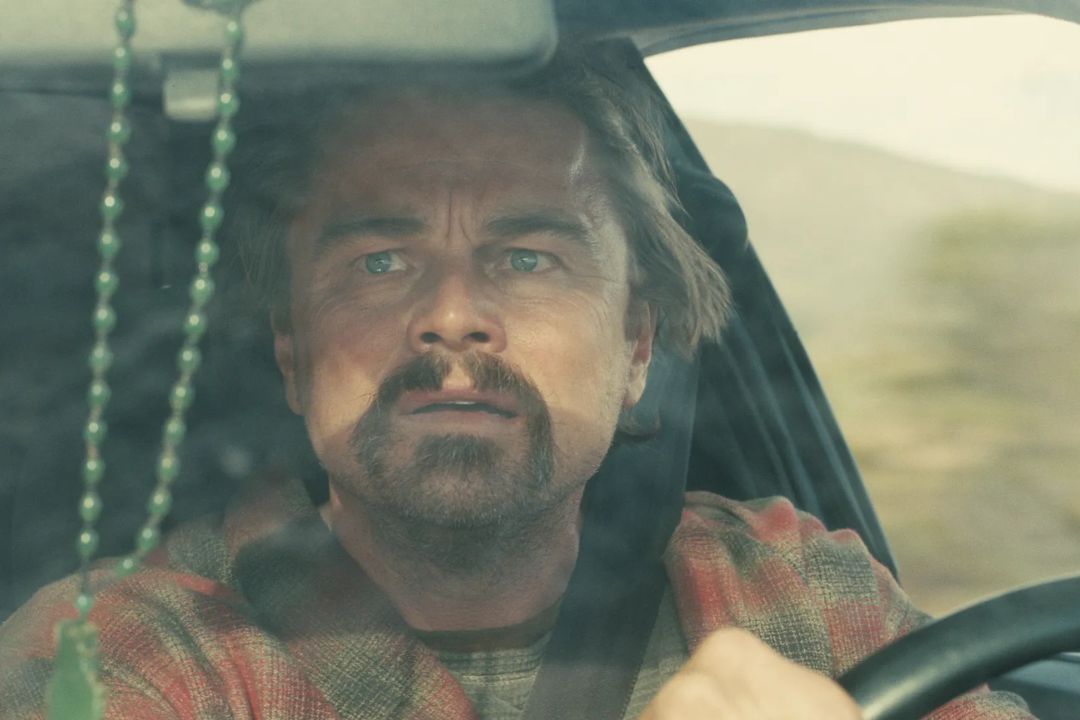
The influence of Paul Thomas Anderson strengthens One Battle After Another’s Oscar case by combining career recognition with timeliness. The Academy Awards’ ranked-choice system favors films that are widely perceived as important, allowing One Battle After Another to capitalize on broad appeal while reflecting contemporary global anxieties. Its combination of commentary on the present and broad consensus gives it a clear edge in the Best Picture race.

And if being a film of the moment decides Best Picture, One Battle After Another still has several equally timely rivals to outrun.
One Battle After Another faces equally 'of the moment' challengers
Despite addressing pressing matters of the present, One Battle After Another does not sprint the race for Best Picture at the 2026 Academy Awards alone. Sinners, under Ryan Coogler’s direction, dominates conversation with sixteen nominations, fusing 1930s terror with the specter of white supremacy. The chatter over new categories could not keep pace with Sinners, which continues to be one of the leaders of the moment-of-the-year conversation.
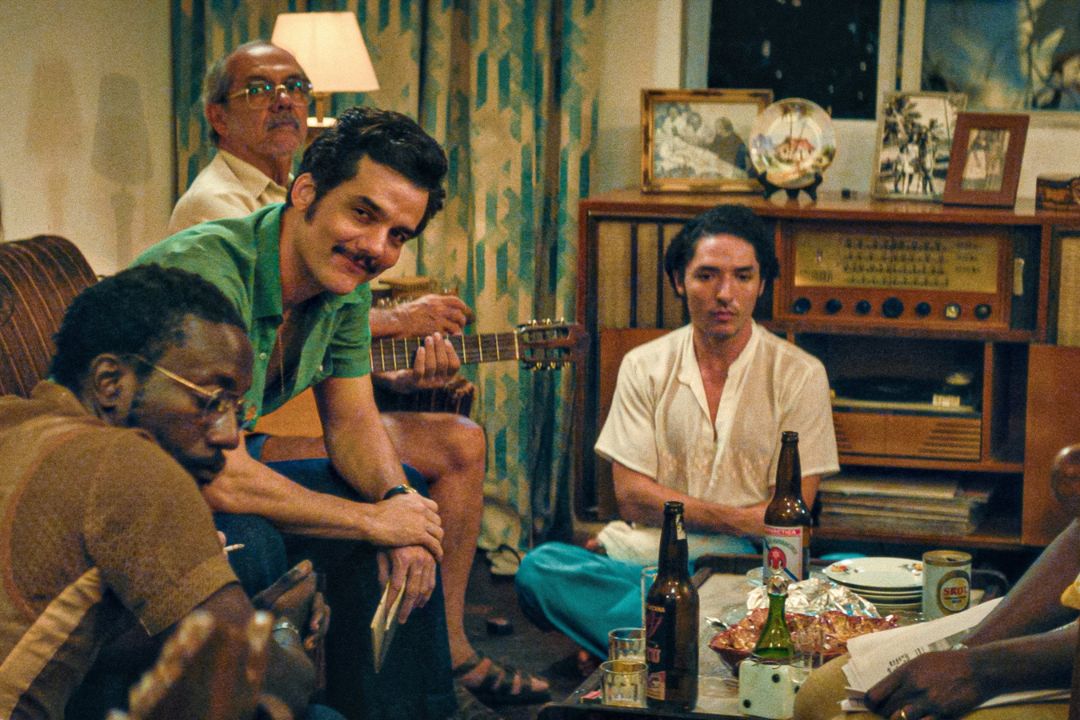
The Secret Agent, crafted by Kleber Mendonça Filho, delivers a sharp, allusive reckoning with authoritarianism. Its narrative resonates as a mirror for modern anxieties, giving voters a way to process the turbulent political climate of the 2020s. Being relatable in today's time and allegory converge to make it a serious contender.
ADVERTISEMENT
Article continues below this ad
In a different register, Hamnet, helmed by Chloé Zhao, layers grief and art into an urgent social meditation. Its emotional potency and focus on communal healing highlight the Academy’s subtle pivot toward globally relevant, socially reflective stories, enhancing its potential for an upset. Finally, Sentimental Value charms with intimate explorations of family reconciliation through art, a theme the Academy increasingly prizes in a world obsessed with timeliness.
If urgency dictates the race, One Battle After Another might just outshine this field of culturally resonant, moment-driven films to secure Best Picture.

ADVERTISEMENT
Article continues below this ad
Do you think urgency will be the winning factor for One Battle After Another? Let us know in the comments!
ADVERTISEMENT

Edited By: Hriddhi Maitra
ADVERTISEMENT
ADVERTISEMENT
