
Do You Need to Watch 'Troy' Before 'The Odyssey'? Is It Really A Sequel?
Credits: Universal Pictures
Credits: Universal Pictures
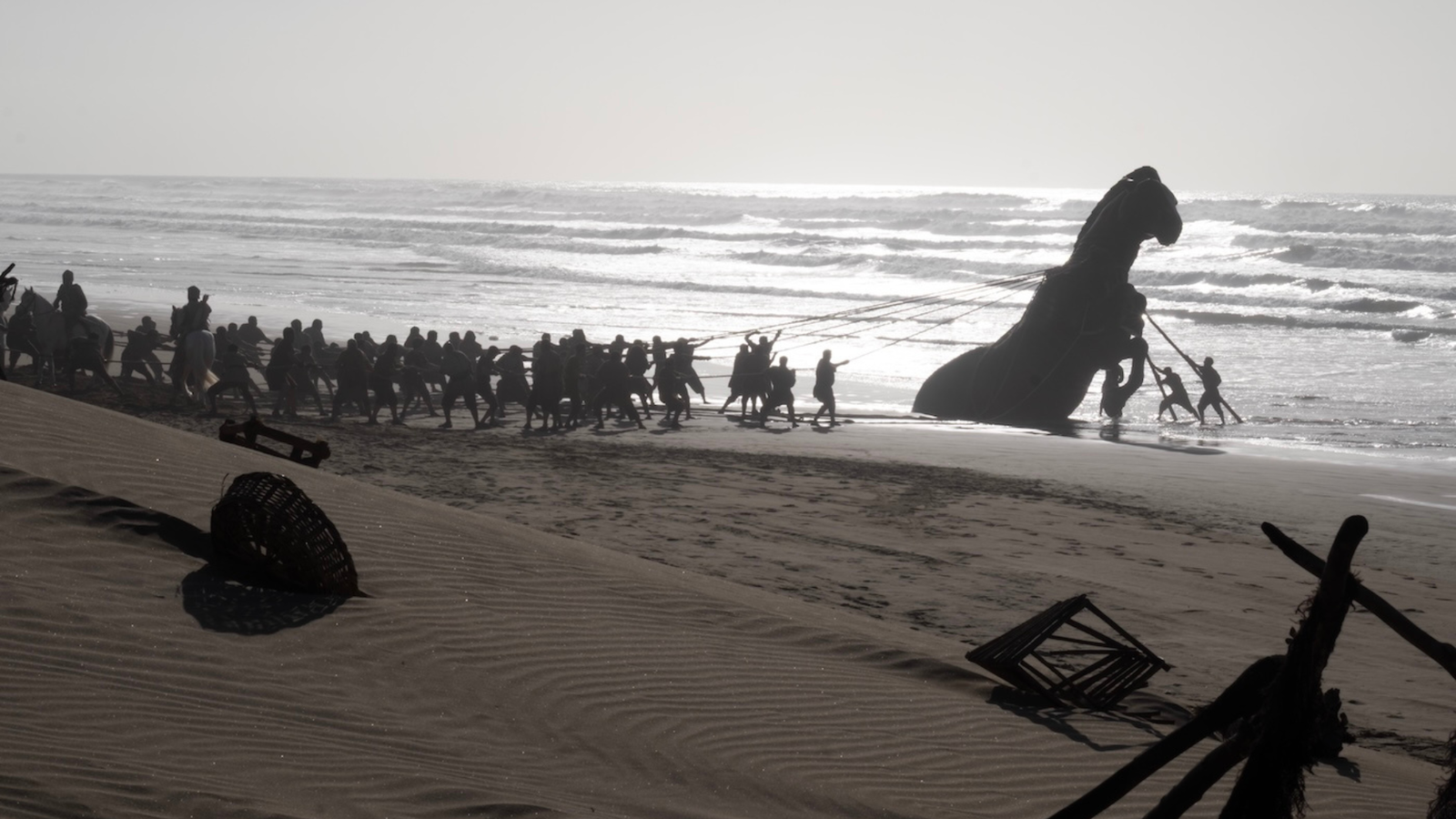
Wolfgang Petersen’s Troy released in 2004, brought Homer’s Iliad to life with a grounded, star-driven retelling of the Trojan War, led by Brad Pitt’s Achilles. Now, Christopher Nolan’s The Odyssey looks set to explore the aftermath through Odysseus’ long journey home, drawing from another of Homer’s epics.
With both stories rooted in the same mythological world, it raises a natural question: do you really need to watch Troy before The Odyssey?
Are The Odyssey and Troy related
ADVERTISEMENT
Article continues below this ad
The short answer is no, you do not need to watch Troy before The Odyssey. Christopher Nolan’s film is expected to stand on its own, drawing directly from Homer’s Odyssey, which is a separate narrative focusing on Odysseus’ journey after the Trojan W**. These ancient texts were written as distinct works, even though they share characters and historical context. However, watching Troy can enrich the experience.
Credit: Universal Pictures
Credit: Universal Pictures
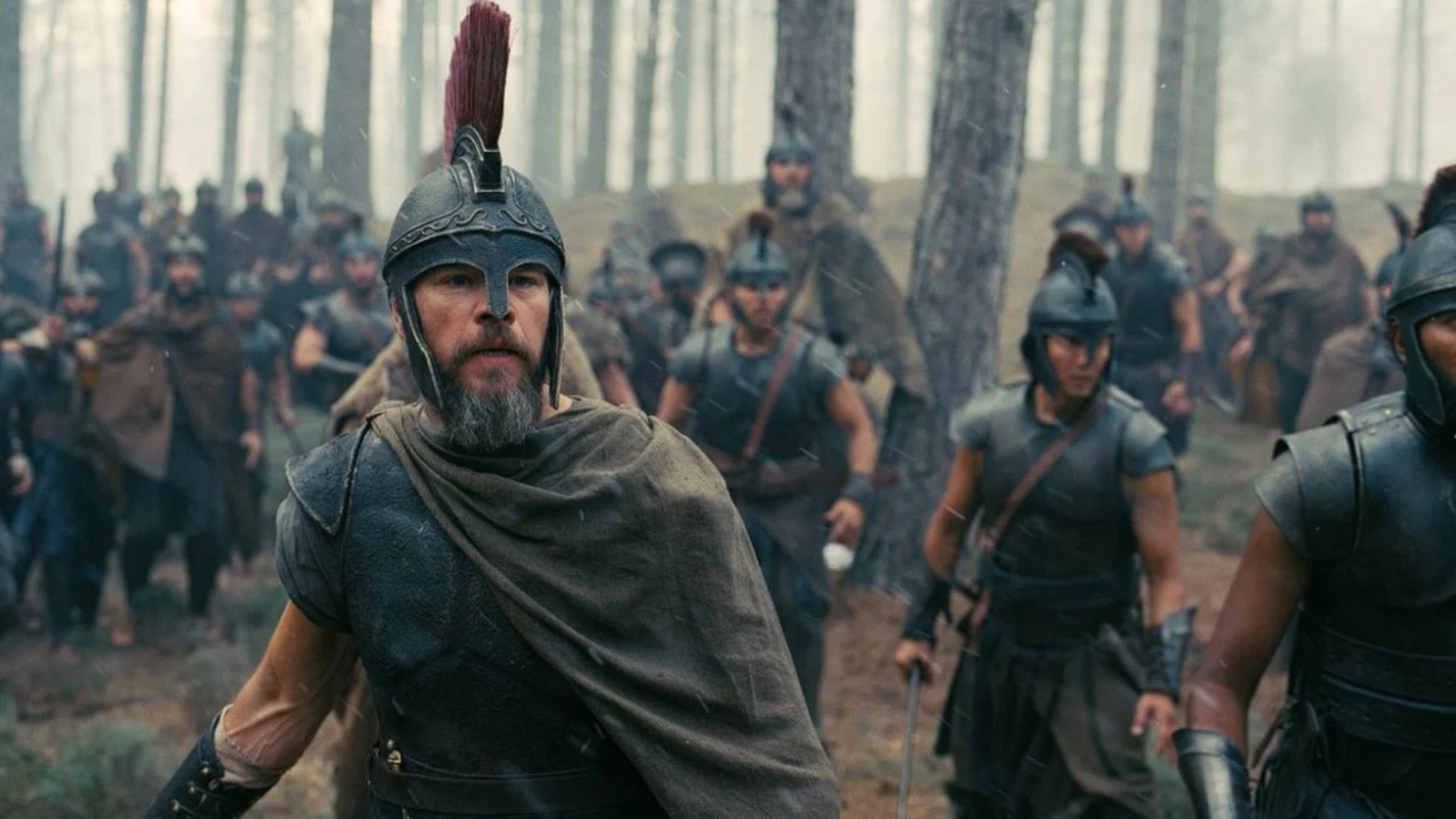
Wolfgang Petersen’s film covers key events of the Trojan W**, including the fall of Troy and the roles played by figures like Achilles, Hector, and Agamemnon. While Odysseus appears briefly in Troy, his character is not the central focus. Still, seeing the scale of the w** and the political tensions between Greek leaders provides useful context for understanding the world Odysseus is leaving behind.
For viewers unfamiliar with Greek mythology, Troy can serve as a visual primer. It helps establish the stakes of the war and the fractured alliances that define the post-war landscape. That said, Nolan’s storytelling style often prioritizes immersion and clarity within a single film, meaning prior viewing is not a requirement. In simple terms, Troy adds depth, but The Odyssey should still feel complete on its own.
And that leads to the bigger question about how closely these two stories are actually connected.
Not a direct sequel, but connected in Spirit
Despite sharing characters and mythological roots, The Odyssey is not a direct sequel to Troy. The 2004 film is an adaptation of parts of Homer’s Iliad, while The Odyssey draws from a completely different epic poem. These works were composed separately in ancient Greece, each with its own narrative focus and themes. What connects them is continuity of world and character rather than plot.
Credits: Universal Pictures
Credits: Universal Pictures
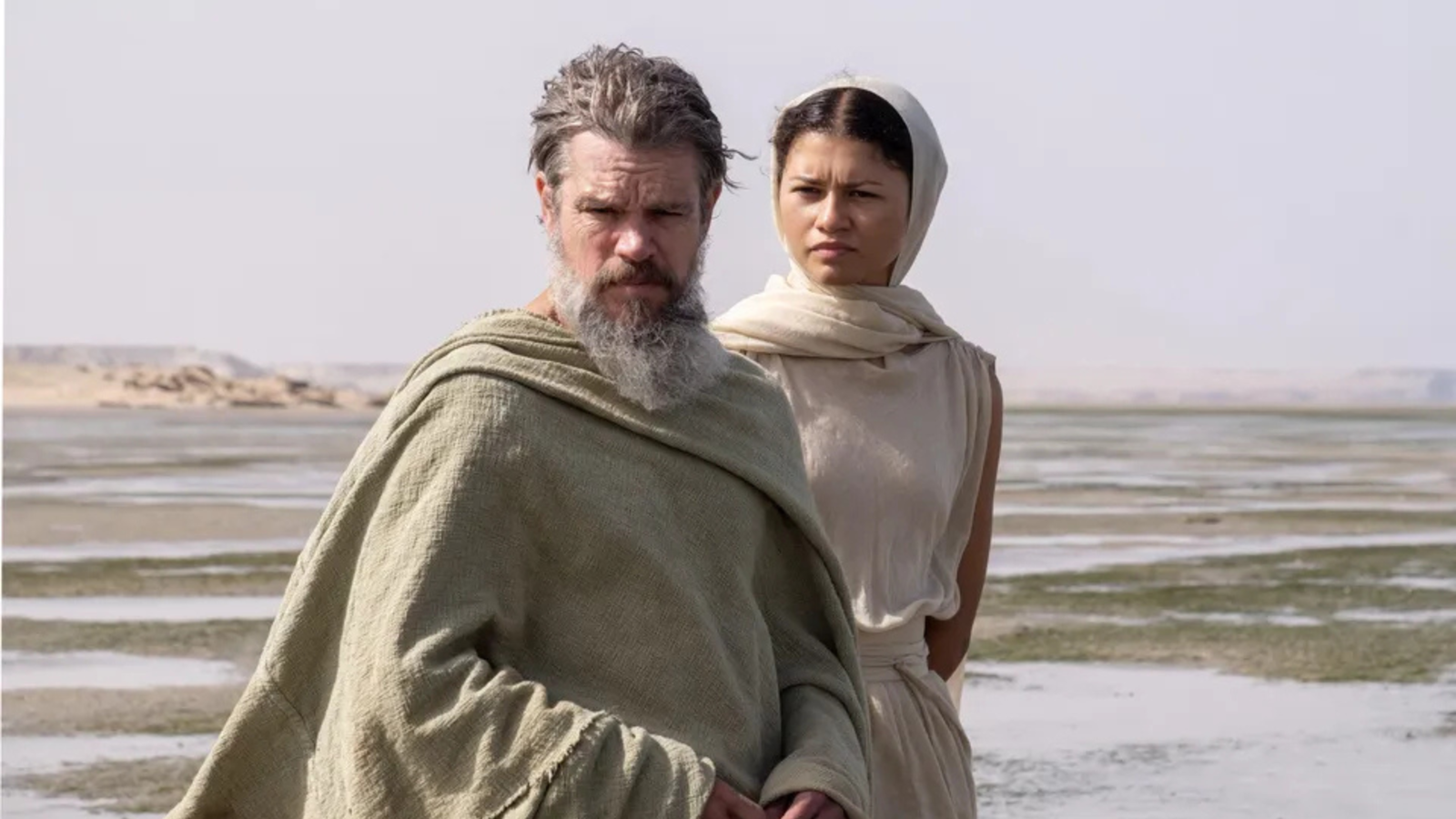
The Odyssey begins after the fall of Troy, but it does not depend on a specific version of that story. Nolan’s film is not expected to follow the continuity of Petersen’s adaptation, which took its own creative liberties by minimizing mythological elements in favor of realism. In contrast, The Odyssey traditionally includes gods, monsters, and supernatural trials, suggesting a different tonal approach.
ADVERTISEMENT
Article continues below this ad
In that sense, the relationship between the two films is more thematic than narrative. Both explore heroism, fate, and the consequences of war, but from different perspectives. Troy focuses on glory and conflict, while The Odyssey centers on endurance and the desire to return home. This makes them complementary rather than sequential.
So while watching Troy can deepen your understanding of the Trojan War’s backdrop, it is not essential viewing before The Odyssey. Think of it as optional context that enhances rather than defines the experience.
ADVERTISEMENT
Article continues below this ad
What do you think? Will you revisit Troy before watching The Odyssey, or go in fresh? Let us know in the comments.
ADVERTISEMENT

Edited By: Aliza Siddiqui
ADVERTISEMENT
ADVERTISEMENT
