
Denis Villeneuve Promises 'Dune: Part Three' Achieves What the First Two Films Couldn’t
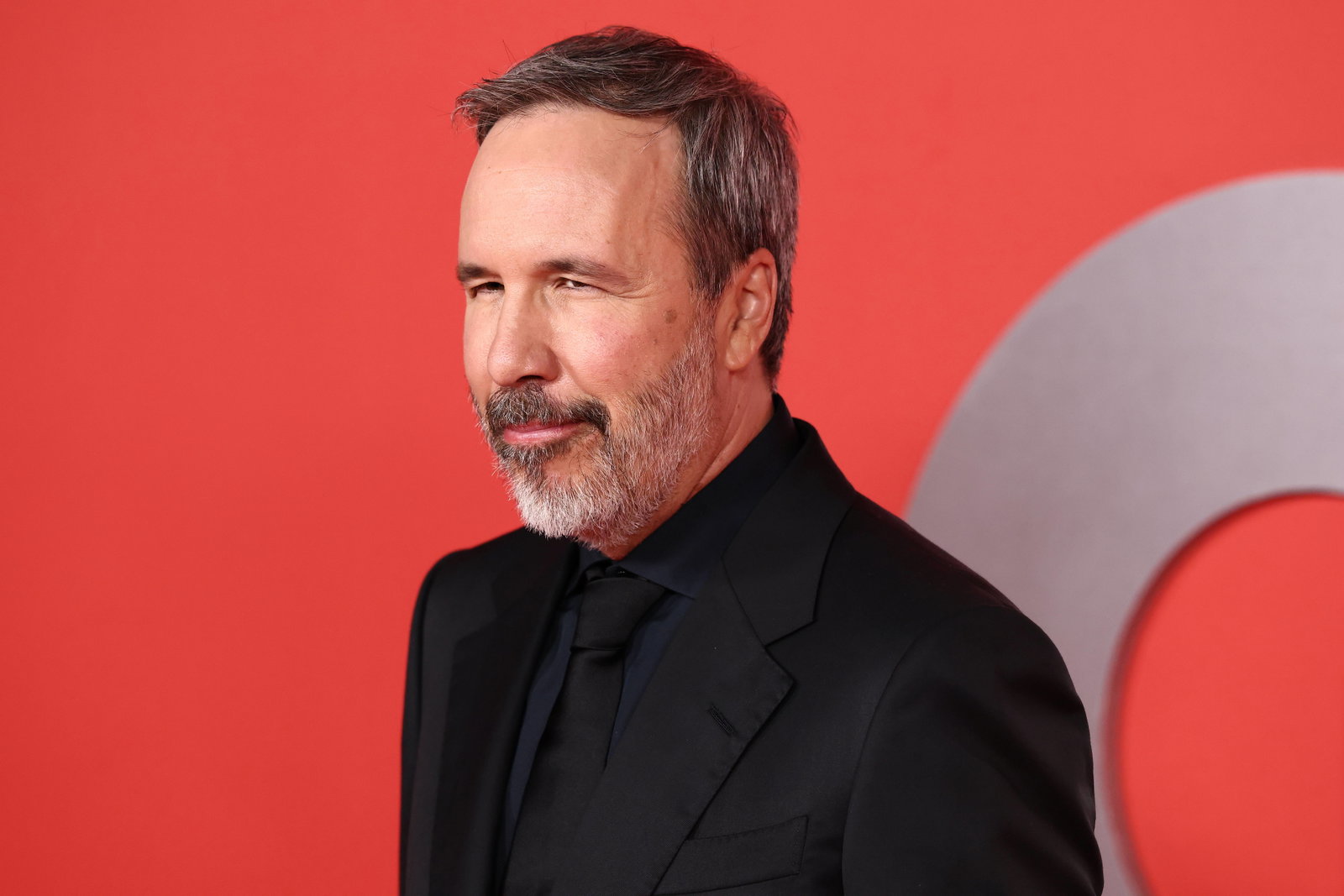
For all its sandworms, monumental architecture and interplanetary warfare, Denis Villeneuve’s Dune saga has never been particularly interested in letting spectacle do all the talking. Beneath the scale of Arrakis lies a far more intimate story about power, devotion, betrayal and being forced to live with the consequences of one man's destiny. Now, as Villeneuve prepares to close his trilogy, he believes its final chapter has reached the precipice of the emotional territory he first planned for his version of the franchise.
If the director's latest comments are anything to go by, the biggest spectacle this time may be what happens to Paul himself.
Denis Villeneuve believes Dune: Part Three goes further emotionally
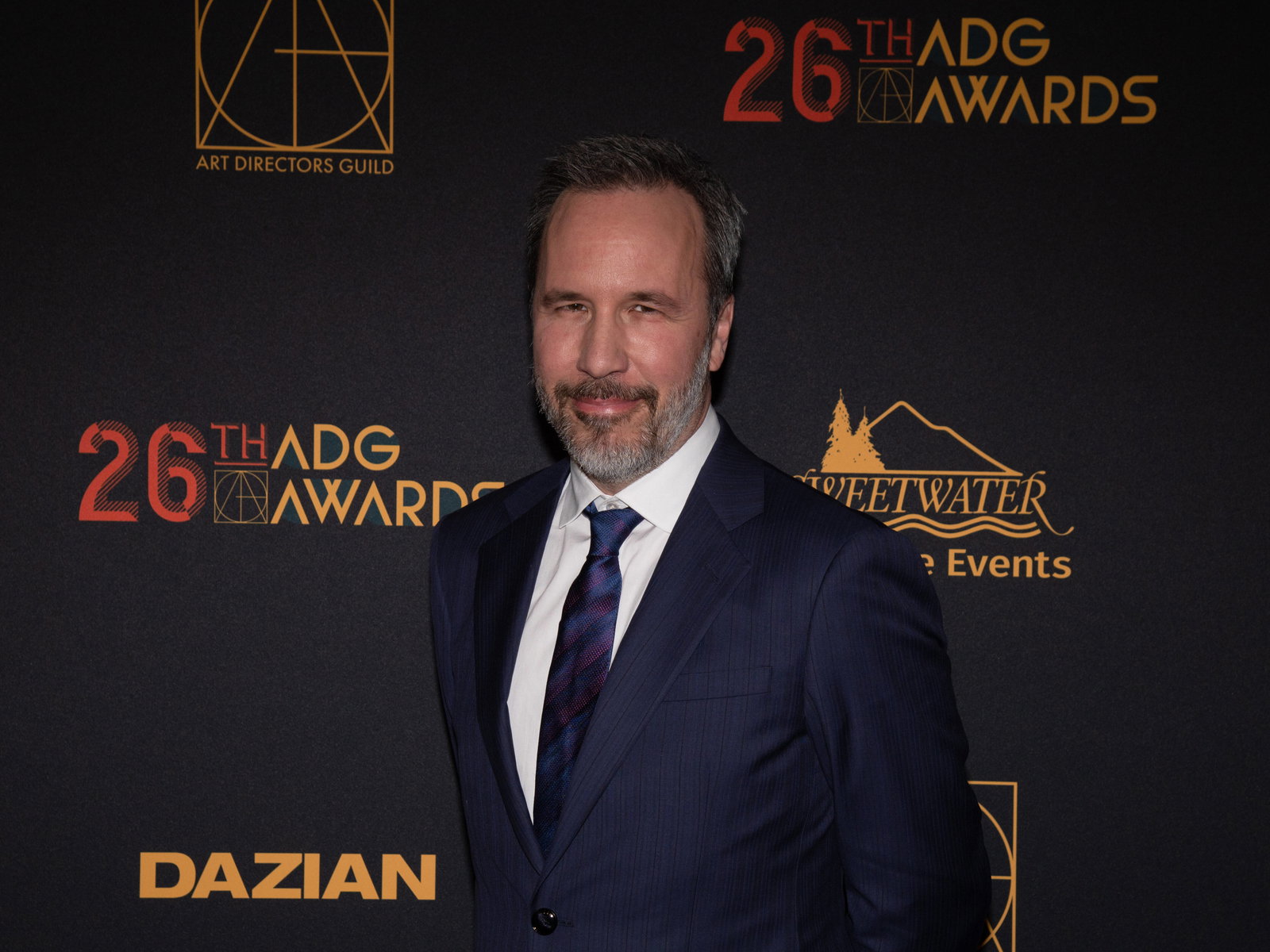
Speaking to GQ for its One More Question interview, Villeneuve reflected on the artistic progression across his three films. He admitted that he believes the latest installment, Dune: Part Three achieves something he could not quite reach before with Dune and Dune: Part Two.
“As an artist, I feel that I was able to do something that I was not able to achieve in the two first ones,” he said.
“There's a tension there. There's an emotional journey that is stronger, which I'm really happy with,” Villeneuve added.
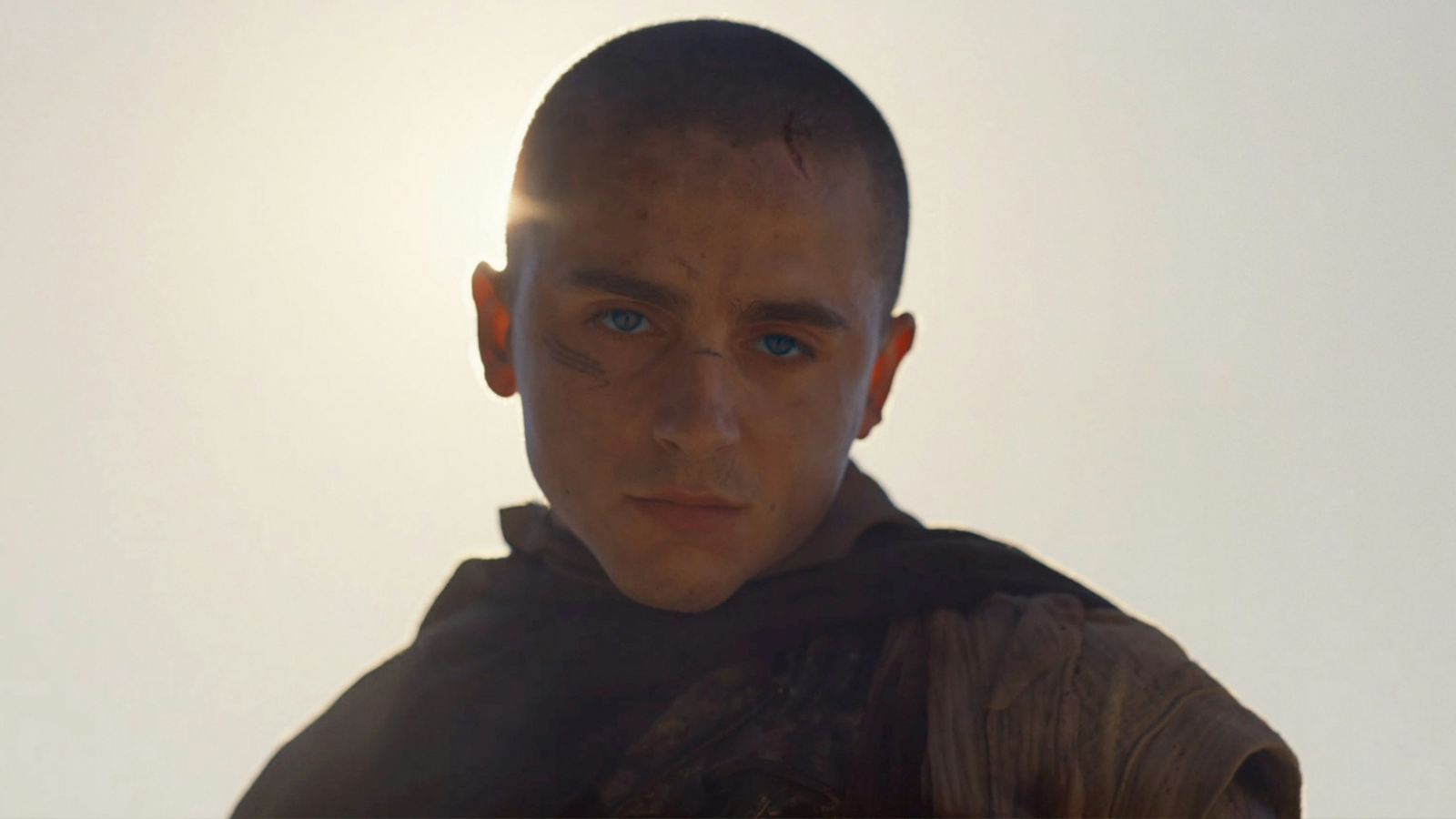
The final film adapts Frank Herbert's Dune Messiah, moving beyond Paul's rise to power into the consequences of becoming the emperor and messianic figure the Fremen once believed in. His relationship with Chani, his complicated bond with his mother Jessica and the political machinery surrounding his rule give the story a more personal center. Villeneuve has described the book as darker, more intense and more emotional, with the immense visual world serving that human conflict.
The trailers, meanwhile, have already offered a rather different promise: this is not the same Paul audiences left behind in Part Two.
Dune: Part Three's trailers tease a darker chapter on Arrakis
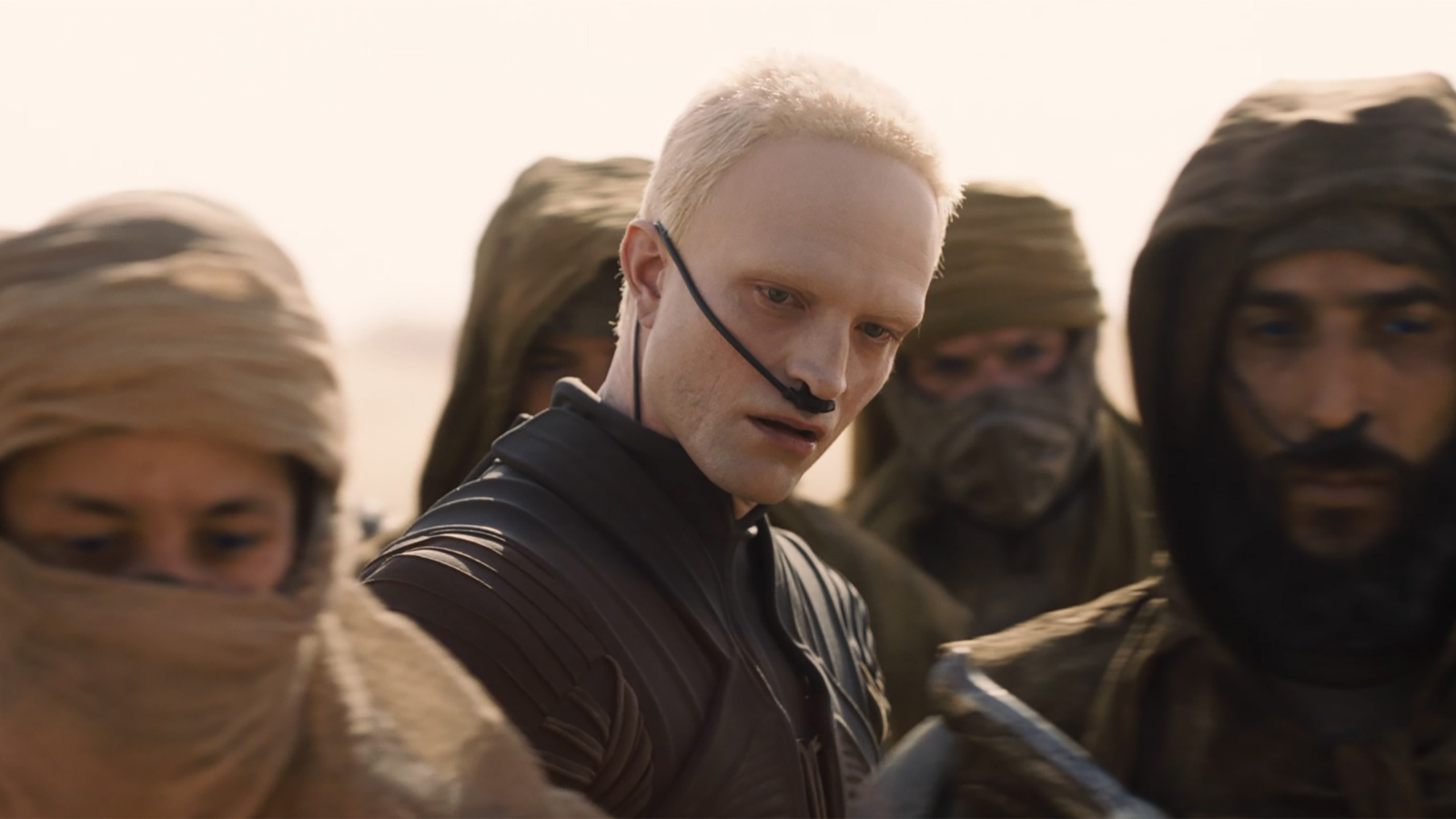
Warner Bros. released the first teaser on March 17, opening with Paul and Chani discussing the names of their future children before cutting to war, political unrest and a visibly transformed emperor. Robert Pattinson's platinum-haired Scytale also made his first appearance, while Jason Momoa's return as Duncan Idaho in a new form added another surprise. The July 8 official trailer expanded the picture with more action, conspiracies and the increasingly fractured relationship between Paul and Chani.
For readers of Herbert's novel, the footage has also raised questions about how freely Denis Villeneuve is reshaping the source material. Dune Messiah follows Paul as emperor and explores the cost of his religious-political power, but the trailers foreground Chani's pregnancy and the prospect of children, while the earlier film's ending had already altered the trajectory of their relationship. With the twins Leto II and Ghanima appearing in promotional material, the adaptation seems to be drawing on more than one part of Herbert's saga. The result promises a finale where the spectacle remains enormous, but the emotional wreckage may be even harder to look away from.
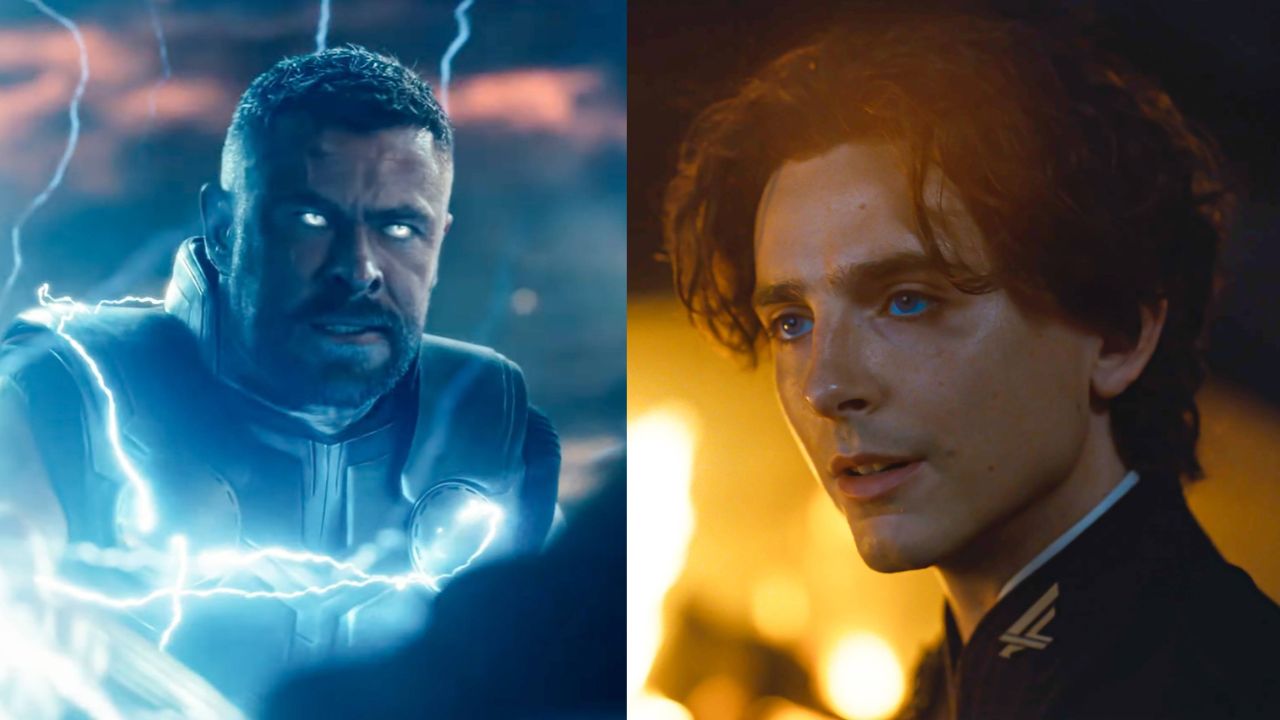
Are you excited to see Paul's downfall unfold in Dune: Part Three? Let us know in the comments.

Edited By: Hriddhi Maitra
