
David Ellison Has a 30-Movie Plan for Paramount if the Warner Bros. Deal Closes
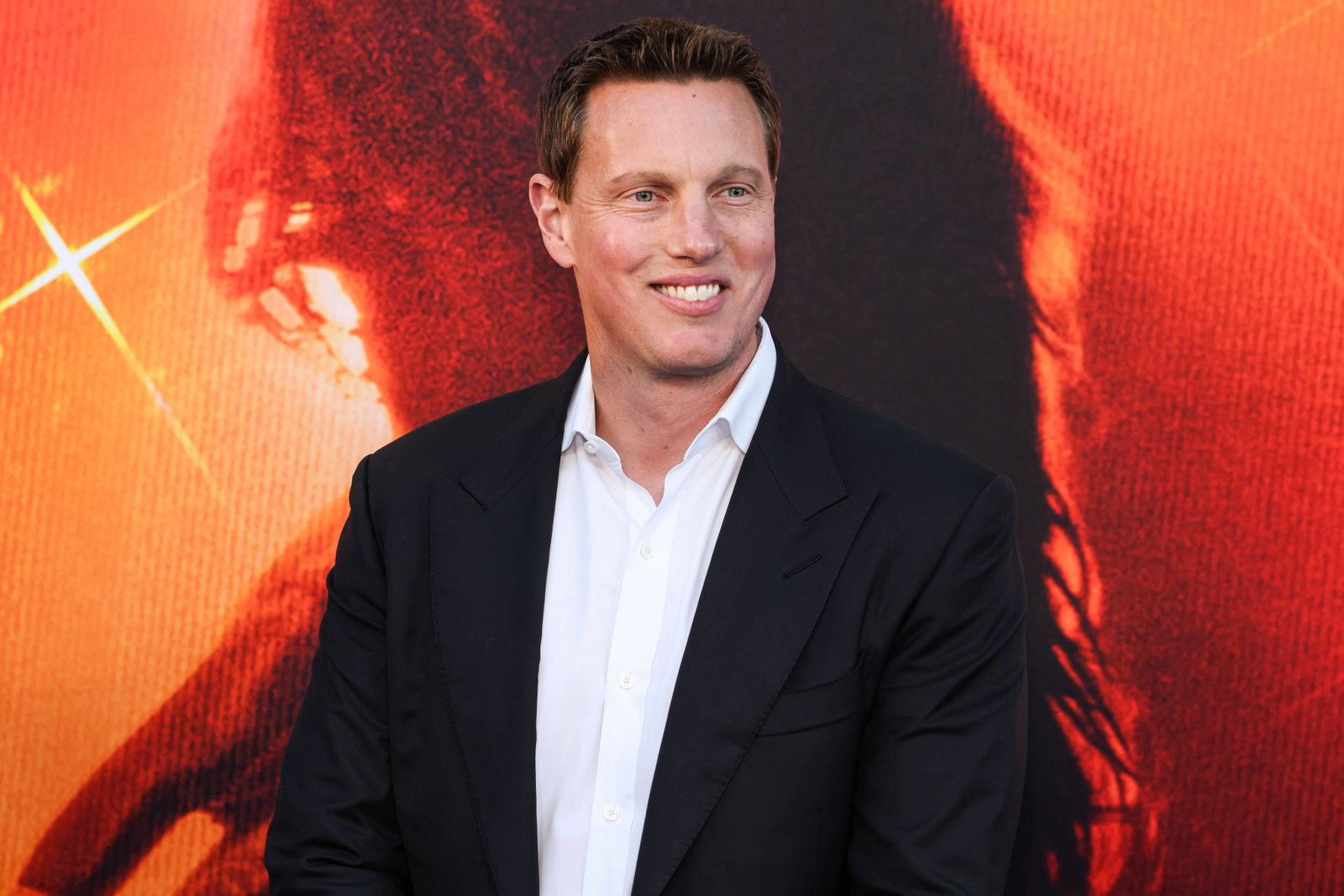
Los Angeles Premiere Of Paramount Pictures Billie Eilish: Hit Me Hard And Soft - The Tour Live In 3D WESTWOOD, LOS ANGELES, CALIFORNIA, USA - MAY 06: CEO of Paramount Skydance David Ellison arrives at the Los Angeles Premiere Of Paramount Pictures Billie Eilish: Hit Me Hard And Soft - The Tour Live In 3D held at the Village Theatre on May 6, 2026 in Westwood, Los Angeles, California, United States. (Photo by Kay Qiao Image Press Agency)
Los Angeles Premiere Of Paramount Pictures Billie Eilish: Hit Me Hard And Soft - The Tour Live In 3D WESTWOOD, LOS ANGELES, CALIFORNIA, USA - MAY 06: CEO of Paramount Skydance David Ellison arrives at the Los Angeles Premiere Of Paramount Pictures Billie Eilish: Hit Me Hard And Soft - The Tour Live In 3D held at the Village Theatre on May 6, 2026 in Westwood, Los Angeles, California, United States. (Photo by Kay Qiao Image Press Agency)
The Paramount-Warner Bros. deal has entered another consequential phase, with David Ellison trying to turn a promise about theatrical output into something legally enforceable. The proposed commitment would guarantee 30 theatrical releases a year, adding a surprisingly concrete dimension to a merger already facing regulatory, financial and industry resistance. For Ellison, the calculation is bigger than a release calendar: it is an argument that a combined Paramount-Warner Bros. would strengthen cinemas rather than hollow them out.
The question now is whether Ellison can make the moviegoing experience a central part of the new company rather than treating theaters as another distribution window.
David Ellison is putting the 30-movie promise in writing
According to Bloomberg, Paramount has agreed to sign three-year contracts with major theater chains including AMC and Regal that would guarantee 30 movies a year in cinemas if the Warner Bros. acquisition closes. The proposed agreements would require those films to remain exclusive to theaters for at least 45 days, while keeping them off streaming services for at least 90 days. If Paramount fails to meet the commitment, the company would reportedly face penalties.
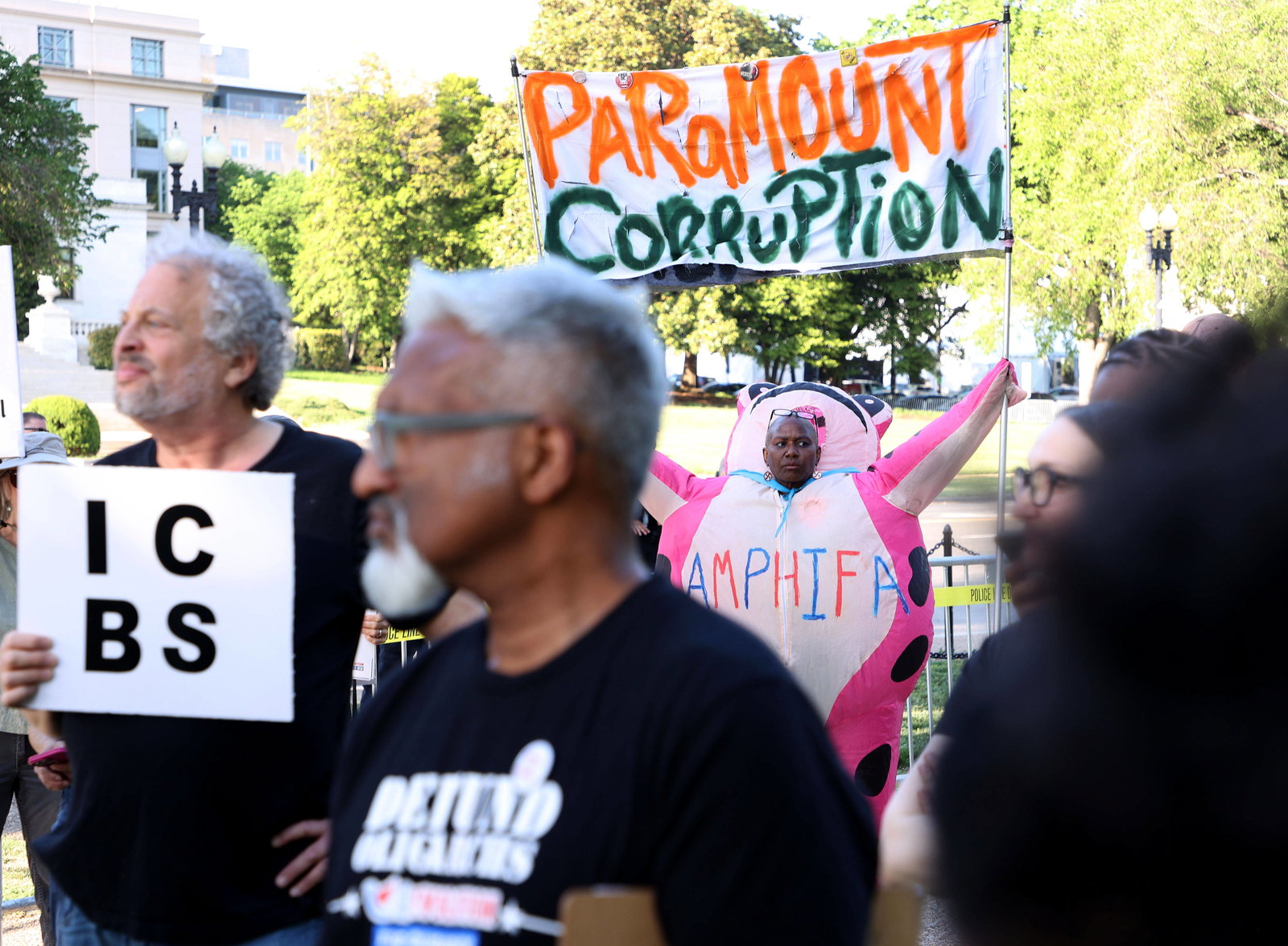
Protest against proposed Paramount-Warner Bros merger in DC Activists take part in the Stop Paramount s Corruption Gala protest outside the Donald J. Trump Institute of Peace in Washington, DC, USA, on April 23, 2026. The demonstration occurred as Warner Bros. Discovery shareholders officially approved a 111 billion US dollar merger with Paramount Skydance, a deal that would consolidate two major film studios and global news networks under the leadership of David Ellison. Washington DC United States Copyright: xMatrixxImagesx xGentxShkullakux
Protest against proposed Paramount-Warner Bros merger in DC Activists take part in the Stop Paramount s Corruption Gala protest outside the Donald J. Trump Institute of Peace in Washington, DC, USA, on April 23, 2026. The demonstration occurred as Warner Bros. Discovery shareholders officially approved a 111 billion US dollar merger with Paramount Skydance, a deal that would consolidate two major film studios and global news networks under the leadership of David Ellison. Washington DC United States Copyright: xMatrixxImagesx xGentxShkullakux
That distinction matters because Hollywood has heard plenty of theatrical promises before. David Ellison has repeatedly positioned himself as a filmmaker first, arguing that movies should be experienced in theaters, but a written contract changes the stakes. Instead of another executive pledge that can disappear when quarterly earnings become uncomfortable, the commitment would give exhibitors something they can actually build around. It also gives Ellison a powerful answer to critics who fear that combining two major studios could ultimately mean fewer movies and fewer jobs.
But the 30-film figure is not simply about feeding multiplexes. It is a production and financing challenge for a company preparing to absorb Warner Bros. while taking on enormous debt. Paramount would reportedly borrow almost $50 billion to finance the acquisition, meaning Ellison would have to balance a larger slate against the cost-cutting required to service that debt.
The contradiction is obvious: the merger needs efficiencies, but its theatrical pitch depends on producing more movies, not fewer.
The merger needs theaters almost as much as theaters need movies
There is also a political calculation behind the pledge. Twelve states are suing to block the $110 billion acquisition, arguing that the combined company could gain too much control over Hollywood and potentially reduce output. A binding theatrical commitment gives David Ellison another piece of evidence for the opposite argument: that the merged studio would actually put more product into cinemas.
The response from exhibitors shows why this matters. AMC CEO Adam Aron has backed the merger, while Regal CEO Eduardo Acuna has also argued against a prolonged legal fight. Cinema United, however, remains opposed, illustrating how divided the exhibition business has become over the proposed deal.
Daily Life in New York City, US - 29 Mar 2026 The Paramount office building is seen in Times Square, Manhattan, New York City. New York United States Copyright: xJiminxKimx xSOPAxImagesx JKIM_daily_life_nyc_mar_29_26_DSC3116.jpeg
Daily Life in New York City, US - 29 Mar 2026 The Paramount office building is seen in Times Square, Manhattan, New York City. New York United States Copyright: xJiminxKimx xSOPAxImagesx JKIM_daily_life_nyc_mar_29_26_DSC3116.jpeg
The bigger test will come after the paperwork is signed. Hollywood has seen consolidation promises before, including commitments surrounding Disney's acquisition of 21st Century Fox that did not prevent overall studio output from declining. Ellison is therefore asking theaters to trust not merely his enthusiasm for movies, but his ability to make the economics of 30 theatrical releases work.

“Uncertainty and Delay Not Good for Anybody”- Lionsgate CEO Calls for Speed on Paramount-Warner Deal
Would a bigger Paramount genuinely mean more reasons to visit the cinema, or simply a bigger studio with bigger bills? Share your thoughts in the comments.

Edited By: Hriddhi Maitra
