
Daniel Dae Kim Reveals ‘Drastic’ Pay Cut Moving From 'Lost' to CBS' 'Hawaii Five-0'
Credit: Norman Shapiro/CBS
Credit: Norman Shapiro/CBS
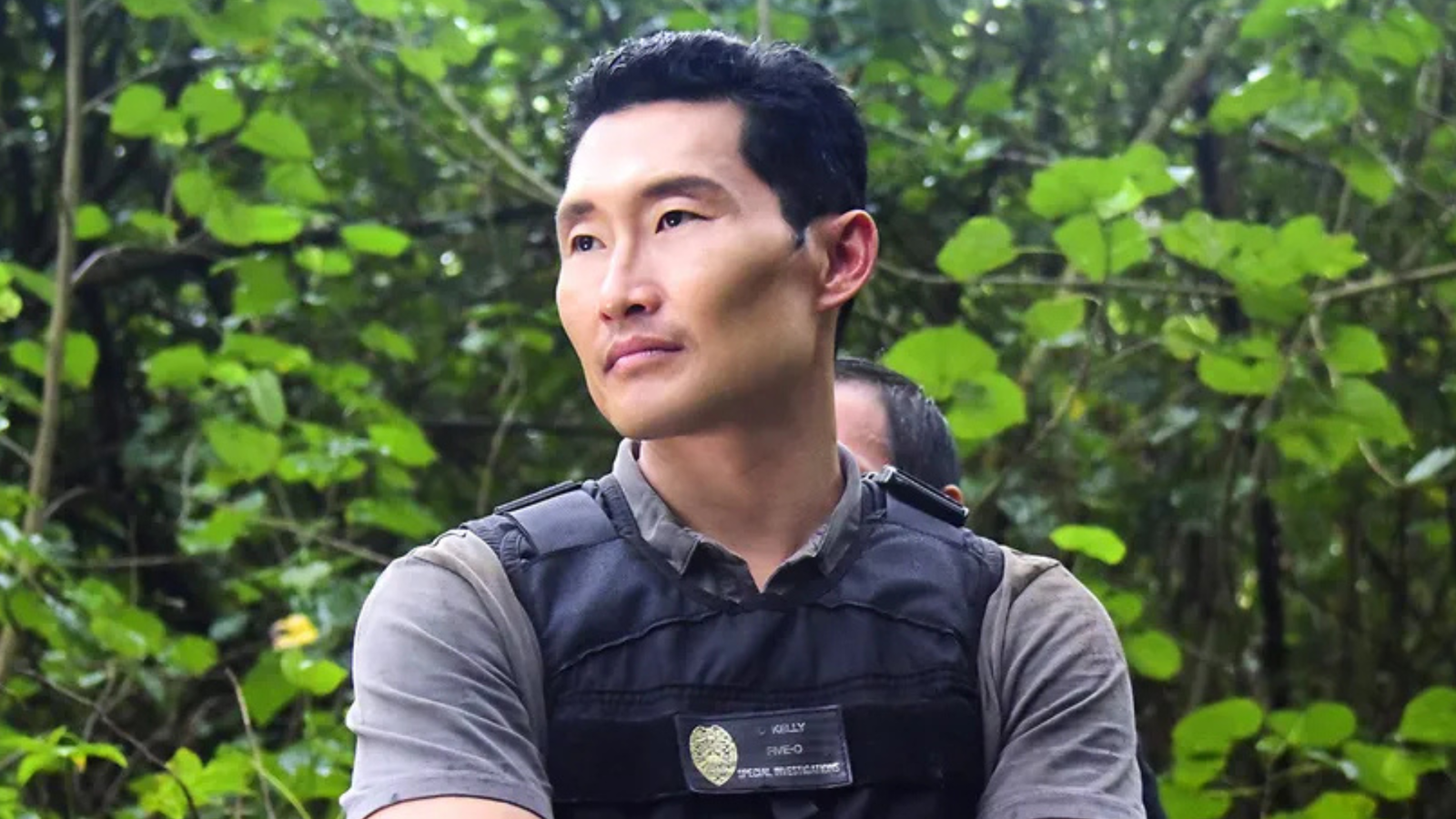
Daniel Dae Kim lifted the lid on a steep pay drop, revealing how his leap from Lost to CBS’ Hawaii Five-0 came at a “drastic” cost. Kim spent seven seasons playing Chin Ho Kelly on CBS’ Hawaii Five-0, becoming one of the show’s most recognizable faces and a key part of its appeal.
The reboot offered a major network platform and steady work, but behind the scenes, his move from the ensemble of Lost to Hawaii Five-0 came with a financial compromise that he now describes as steep.
Daniel Dae Kim's pay cut that never closed
ADVERTISEMENT
Article continues below this ad
Looking back on that career pivot, Daniel Dae Kim Kim revealed to Vulture that the salary change has never been fully understood by the public.
“One thing that has never really properly been reported is the amount of pay cut I took to do ‘Hawaii Five-0’ from ‘Lost.’ It was drastic, and it was never made up,” he explained. He went from a highly paid role on a landmark ABC drama to significantly less money on the CBS series. That gap persisted across the show’s run, even as his importance to the ensemble grew.
From the beginning, Kim hoped Hawaii Five-0 would mirror the true ensemble feel of Lost, both creatively and financially. Early promotion suggested equal footing for him and Grace Park, which shaped his expectations.
“Make us all the ensemble that I thought we always were, and get me back to where I was with Lost,” he said to Vulture. He maintained that his position was reasonable and clearly communicated during negotiations. Ultimately, the pay inequity and stalled discussions led Kim and Park to exit before Season 8. Despite that, he has expressed pride in the show’s representation and the opportunities it created for Asian American actors.

Speaking all this in a wide-ranging conversation, Kim emphasized that the move from Netflix's Lost to CBS brought visibility but came with a financial tradeoff he never recovered. But beyond contracts and negotiations, even the show’s title carries a story that many viewers overlook.
Why ‘Five-0’ is not ‘Five-O’
CBS has spent years clarifying a small but meaningful detail about Hawaii Five-0. The title ends with the digit zero, not the letter O, directly referencing Hawaii as the 50th state. While it is pronounced “Five-Oh,” the visual distinction ties the series to its geographic and symbolic identity.
The network has even addressed this in official communications, particularly for press accuracy. The goal was not marketing flair but consistency in how the show is written across credits, listings, and headlines. Using “0” ensures the title stands apart from everyday slang while reinforcing its connection to the state’s place in the United States.
ADVERTISEMENT
Article continues below this ad
This distinction becomes clearer when compared to the original Hawaii Five-O, which aired from 1968 to 1980. That version used the letter O, reflecting the conventions of its time. When CBS rebooted the series in 2010, switching to a numerical zero subtly modernized the title. It preserved the legacy while signaling a new era, giving the reboot its own identity within a familiar framework.
ADVERTISEMENT
Article continues below this ad
What do you think about Daniel Dae Kim’s revelations and the story behind Hawaii Five-0? Let us know in the comments.
ADVERTISEMENT

Edited By: Itti Mahajan
ADVERTISEMENT
ADVERTISEMENT
