
Collecting Shadows and Light: How Robert Pattinson Played Hollywood Like a Game of Pokémon
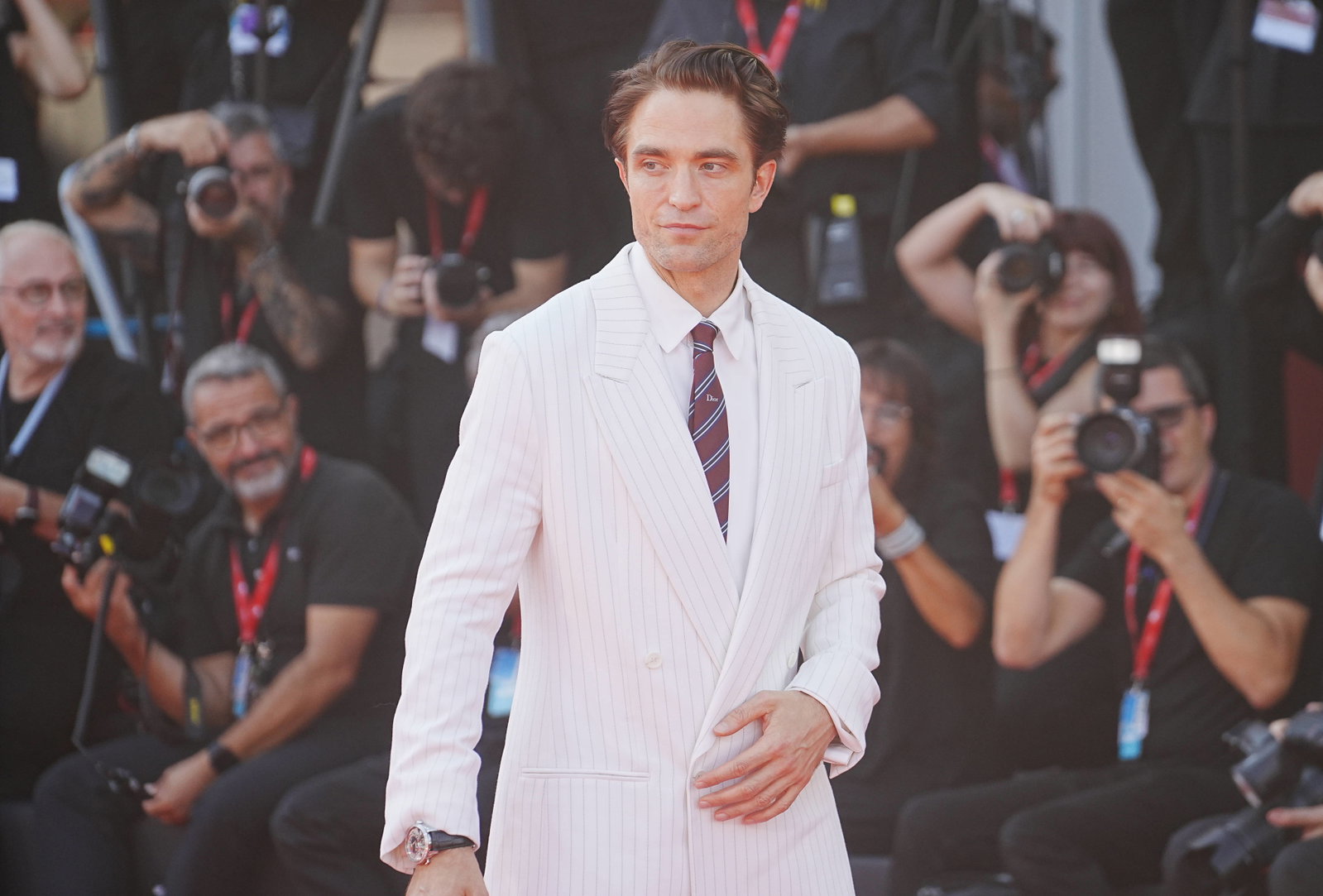
Fame and success are like smokescreens that rarely let anyone see beyond one’s beguiling achievements - where things like the relentless efforts, the exasperating streak of failures, and a terminal obsession with passion lie there to tell the tale of an inspiring journey. The same thing happened when the news announcing Robert Pattinson as the next James Bond hit the internet on November 16, 2026.
Most people saw an actor getting every prestige role served on a silver platter - some even dismissed it as a lucky streak - but only a few knew what it took to get there. First Cedric Diggory in Harry Potter, then Edward Cullen in the Twilight saga, followed by a period of obscurity, then a sudden resurgence with Matt Reeves’ The Batman, and now 007 - the road seems awfully golden. But is it really so?
Today, it seems he is every director’s favorite, and his resume is nothing short of legendary at just 40. But how did it all happen? Was it luck, hard work, or something else?
Trigger Point: Boon turned into bane
Fame works in different ways for different people. It was especially true for Robert Pattinson. He got popular pretty early with roles like Cedric Diggory and Edward Cullen. In fact, being the face of the Twilight saga not only made him a teen heartthrob but also a bankable name in Hollywood. However, the same franchise also brought with it criticism and hate.

He got heat from both sides - fans and skeptics alike. The die-hard fans of the franchise took offence at the fact that Pattinson was overly dismissive of the franchise, acting “too cool” for a project that catapulted him into global stardom. To them, he appeared ungrateful to the series and disrespectful to author Stephenie Meyer and the fanbase whenever he made fun of the absurd plot twists and Edward’s awkward character design.
The same pain point was raised by the detractors, but they also bashed Pattinson’s stiff and angst-ridden portrayal of the character. Plus, the movies brought something more with them besides backlash and criticism: typecasting. One thing an actor (at least the good ones) hates the most is being put in a box, and Pattinson was no different. He hated that he was labelled the “Twilight Guy” even long after the movies ended in 2012.
Perhaps that was the reason why he did what he did next, which changed his career trajectory forever.
The snap: Taking the reins in his own hands
The tag of the “Twilight Guy” really worried him more than the flak he received for his role. He was really worried that he would now be offered only teen-idol roles and that he would be forever stuck in the romance and supernatural genres. Although this would have been very lucrative for the actor at the time, being fresh off the Twilight success, big studios would have paid top dollar for him to do something like that for them.
However, Pattinson does not play like that, and all he ever wanted was to show the world his acting range. But how would he get to do that now that he was already typecast? Who would give him the opportunity to experiment?

Pattinson realized early that where he is standing today in his career, no one would take a chance on him in anything outside of what he has already found success in. So, he decided that he would not let Hollywood dictate what he would and would not do and would find roles for himself.
Now, here comes the phase of his career Pattinson likes to call “the hunt.”
Metamorphosis: The Pokémon game begins
The moment things became clear to him, Robert Pattinson did not waste any time and started to look for eligible collaborators himself. Actually, Pattinson has this thing where he becomes “a little obsessive,” as the actor himself describes, with filmmakers that catch his eye. In his previous interviews, he has likened this method to catching Pokémon.
Apparently, the ones he picked during these times were all small-time indie directors like James Gray, the Safdie brothers, Claire Denis, and many more. He famously emailed Josh and Benny Safdie to collaborate after just seeing a still from one of their movie. This whimsical contact later led them to collaborate on Good Time (2017), one of the best movies and performances in Pattinson’s career.
This era of Robert Pattinson’s career also saw him working with acclaimed directors like David Cronenberg (Cosmopolis, Maps to the Stars), Robert Eggers (The Lighthouse), and Antonio Campos (The Devil All the Time). Each collaboration felt like a deliberate step further away from the polished, brooding heartthrob image that had once threatened to swallow his career whole.
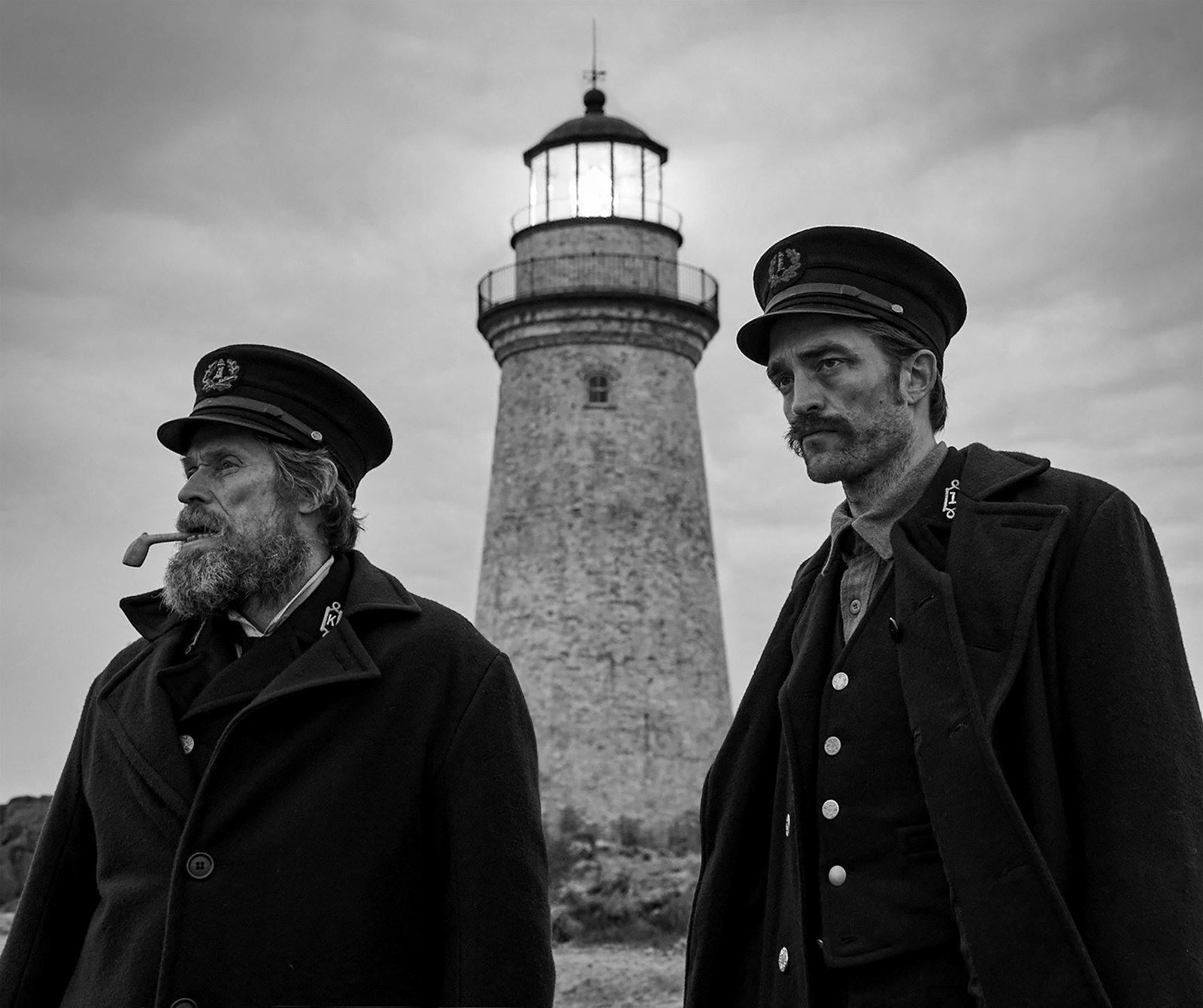
Instead of chasing safe, big-budget paychecks, Pattinson actively sought out characters that were messy, unhinged, and deeply uncomfortable to watch. Whether he was playing a frantic, bleach-blonde bank robber tearing through Queens in Good Time, a descending-into-madness lighthouse keeper opposite Willem Dafoe, or a corrupt, high-pitched Southern preacher, he systematically dismantled every preconception audiences had about his range.
By the time he crossed paths with Christopher Nolan for Tenet, Pattinson was not the "Twilight Guy" anymore - he was widely recognized as one of the most fearless character actors of his generation.
The Evolution: From Indie Darling to Iconic Blockbuster Leads
What makes Robert Pattinson’s trajectory so fascinating is that he never used indie cinema merely as a temporary rehab stint to win back credibility. He genuinely fell in love with the craft of building strange, tactile characters - and ironically, it was that exact indie sensibility that made him irresistible to major tentpole filmmakers once again.
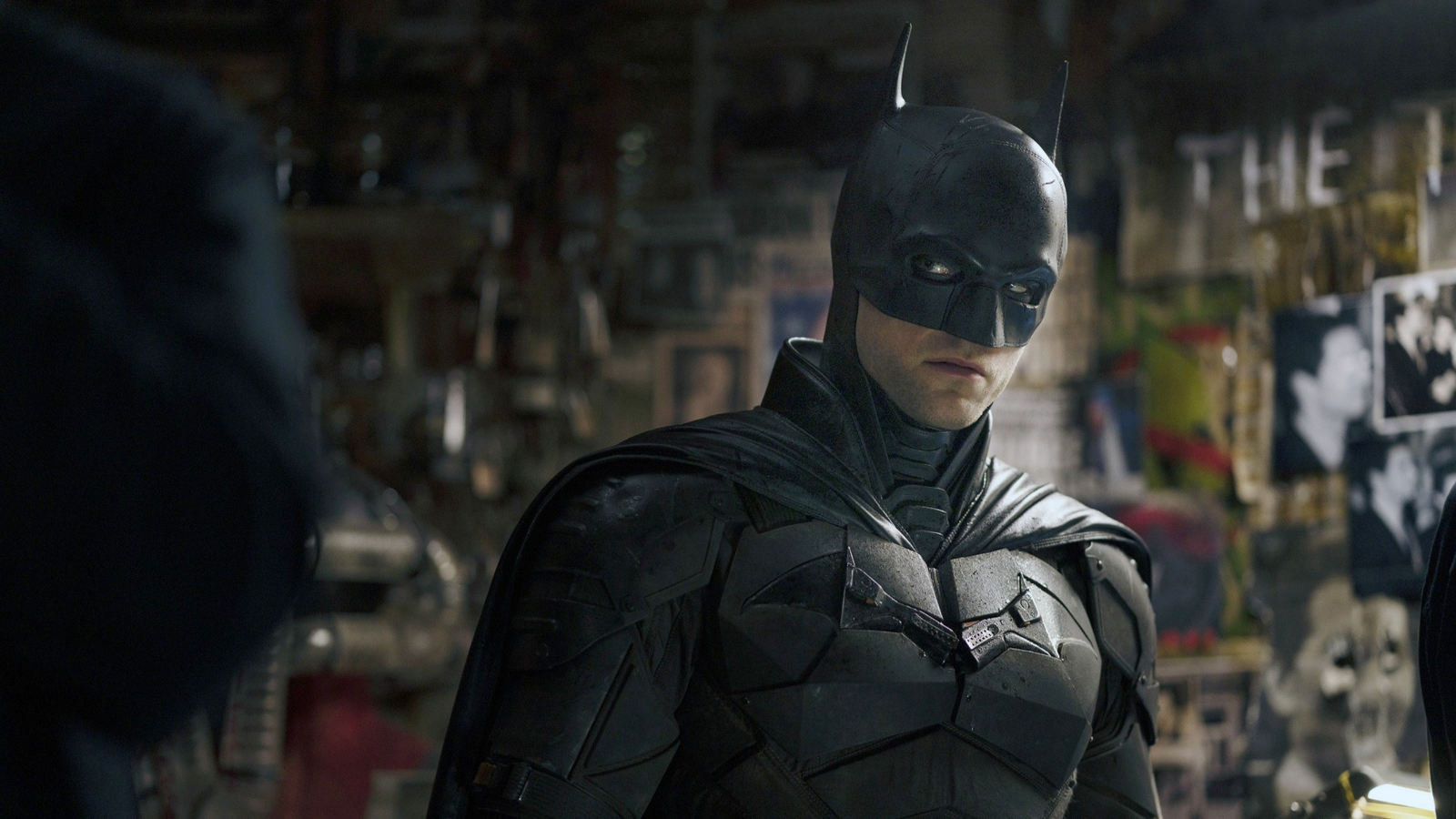
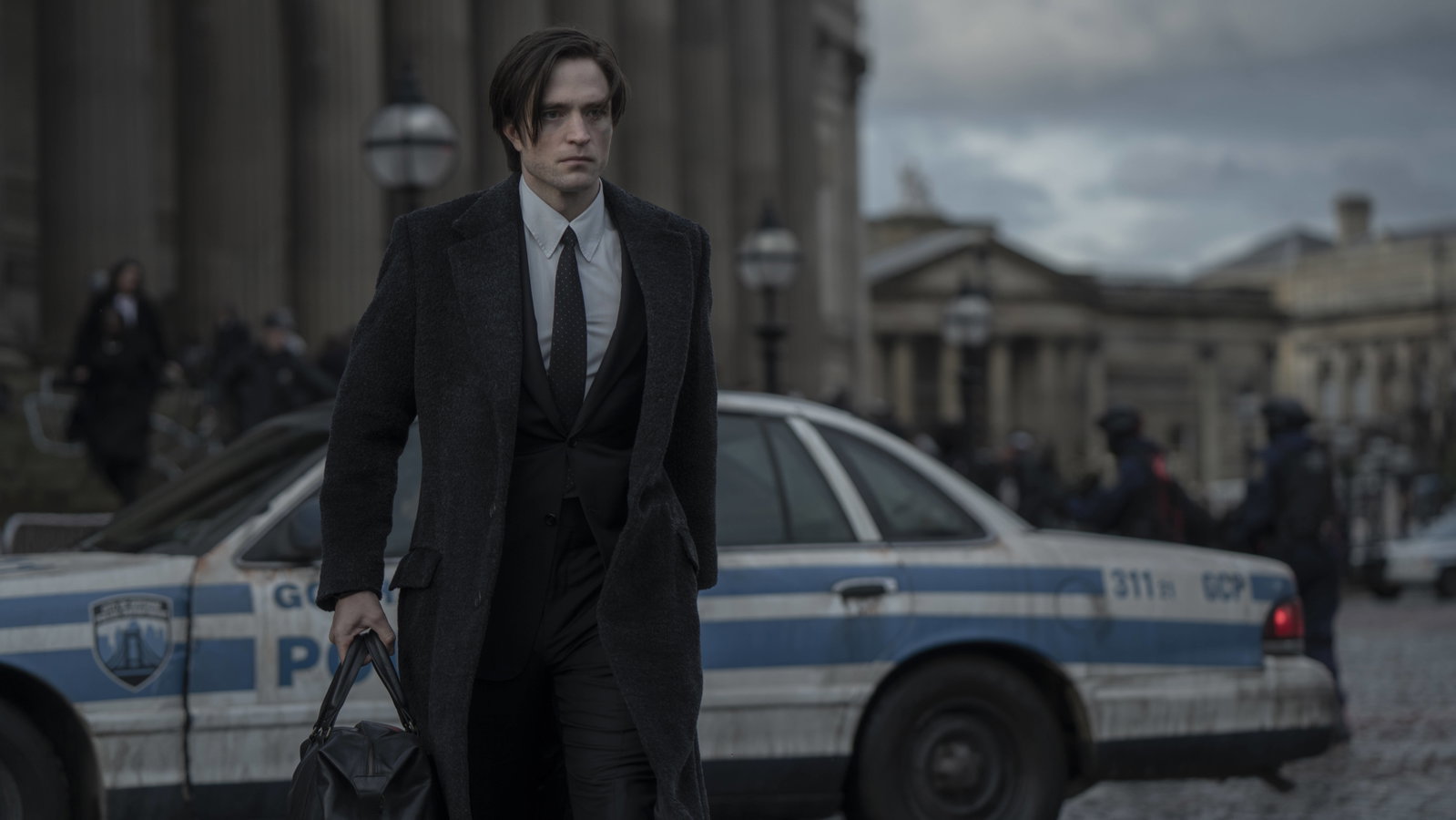
When Matt Reeves cast him as Bruce Wayne in The Batman (2022), he was not hiring a conventional action hero; he was hiring an actor who understood obsession, isolation, and psychological weight. Pattinson approached Gotham’s Caped Crusader with the same raw, unsettling energy he brought to his Safdie brothers and Eggers projects, delivering a grounded, grunge-soaked Batman that revitalized the franchise and reminded studios that risks pay off.
He followed that up by teaming up with Oscar-winning auteur Bong Joon Ho for Mickey 17, proving once again that even at the highest tier of Hollywood, his compass remained pointed toward bold, auteur-driven storytelling rather than easy vanity projects. Every move felt like an extension of that same "Pokémon" philosophy: collect visionary filmmakers, absorb their worlds, and evolve with every encounter.
However, this evolved indie sensibility was about to break the glass ceiling of his acting range in Christopher Nolan’s The Odyssey - a turn that currently sees him in Oscar consideration. For the role of the cunning coward, Antinous, he has been named in Universal’s Oscar campaign for the movie in the supporting actor category. To make things more interesting, there is a strong push from the awards pundits for a Best Actor nod from the Academy for Lance Oppenheim’s Primetime.
But even before he could lay his hands on perhaps the most esteemed accolade an actor can ever get, he has already achieved something that cements his legacy for years to come.
The Final Gym Badge: Stepping Into 007’s Tuxedo
Which brings us back to November 16, 2026 - the day the world learned Robert Pattinson would officially inherit the license to kill as the next James Bond. At first glance, stepping into cinema’s most iconic tuxedo might look like a return to the very kind of global franchise machine he spent over a decade escaping. In reality, it is the ultimate validation of his entire career strategy.
Pattinson did not land 007 by playing it safe or waiting patiently in line for Hollywood’s approval; he earned it by spending fourteen years proving he could disappear into shadows, embrace the bizarre, and command the screen on his own terms. The way from the “Twilight Guy” to 007 was certainly testing, as the actor rarely tasted any substantial box office success during this period, although his movies were absolutely adored by the critics.
Still, he kept at it and eventually forced the greatest cinematic minds of industry to acknowledge his skills beyond his Twilight image. From a teenage wizard at Hogwarts and a sparkling vampire in Forks to the grime of indie thrillers, the rain-slicked streets of Gotham, and now MI6, Robert Pattinson’s journey was never a lucky streak. It was a masterclass in reinvention - played one daring collaboration at a time.

Did you know about Robert Pattinson’s Pokémon strategy before, or is it the first time hearing about it? Do let us know.

Edited By: Adiba Nizami
