
Clayface’s Final Form Was Reworked 17 Times to Get One Disturbing Detail Right
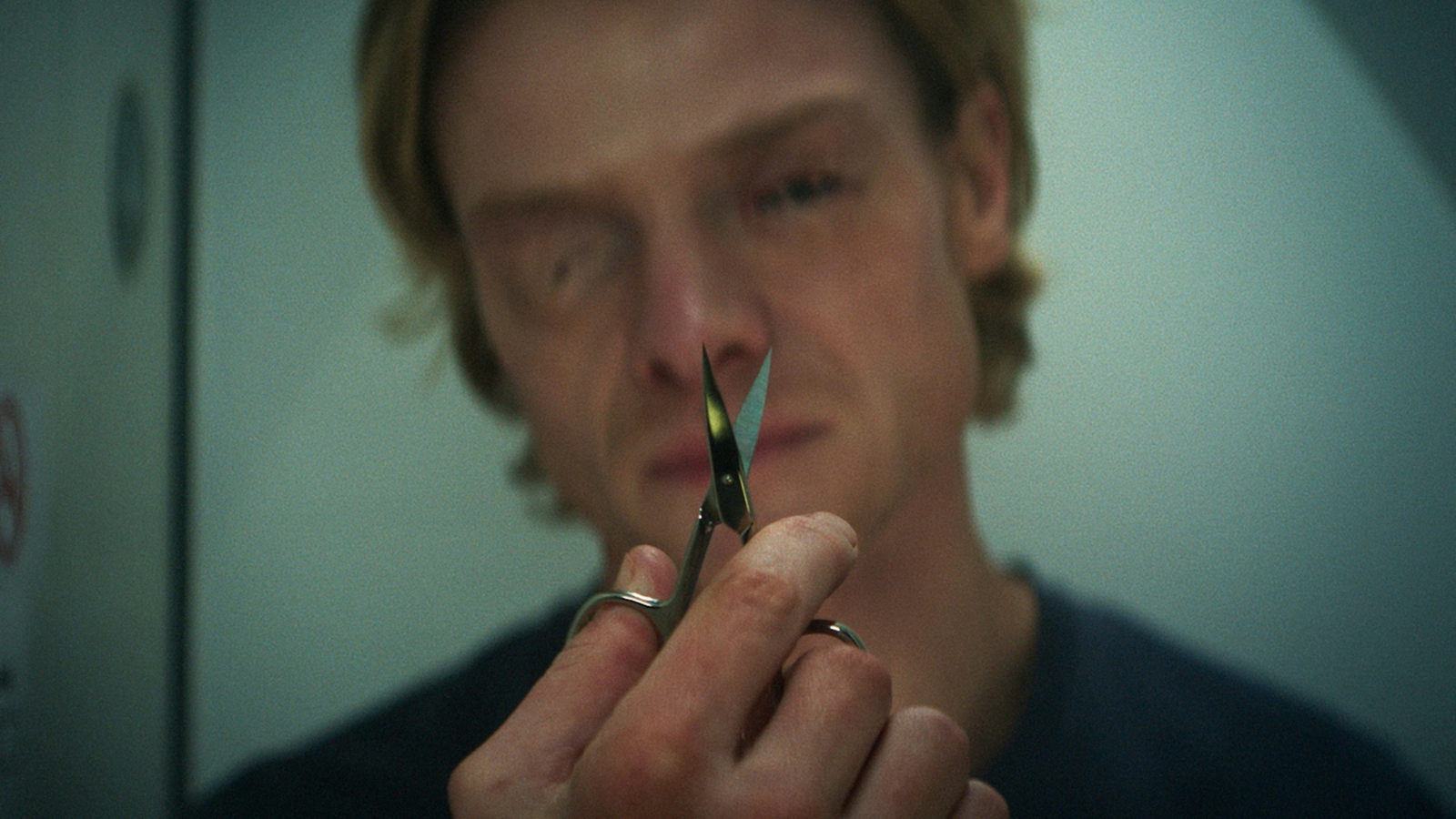
Credit: Warner Bros. Pictures
Credit: Warner Bros. Pictures
DC’s new Clayface movie saves its most unsettling glimpse of Matt Hagen for the final moments, when the actor’s ruined humanity finally takes monstrous shape. As per the creators, the grotesque image had multiple versions before the one. The reveal is less a superhero spectacle than a stomach-churning afterimage of a man grasping for his former self.
And, as the filmmakers explain, one small detail makes that transformation hurt more than a mountain of melting clay. The creature’s design had to be frightening, yes, but also leave room for the person trapped beneath it until the final frame.
The layers behind Clayface's final form
Director James Watkins and his team explored numerous designs before settling on the final form, which appears just before the credits. Visual effects supervisor Angus Bickerton has said the team studied actual clay, observing how it dried and cracked so the creature’s raised surfaces could fissure while its recesses stayed damp. The result, eerily satisfyingly, is less a polished comic-book monster, and more like an actual body struggling to hold itself together.
"We made about 17 different versions trying to find the monster, while also making sure that we could identify [Tom Rhys Harries as Matt Hagen]," Watkins told TechRadar.
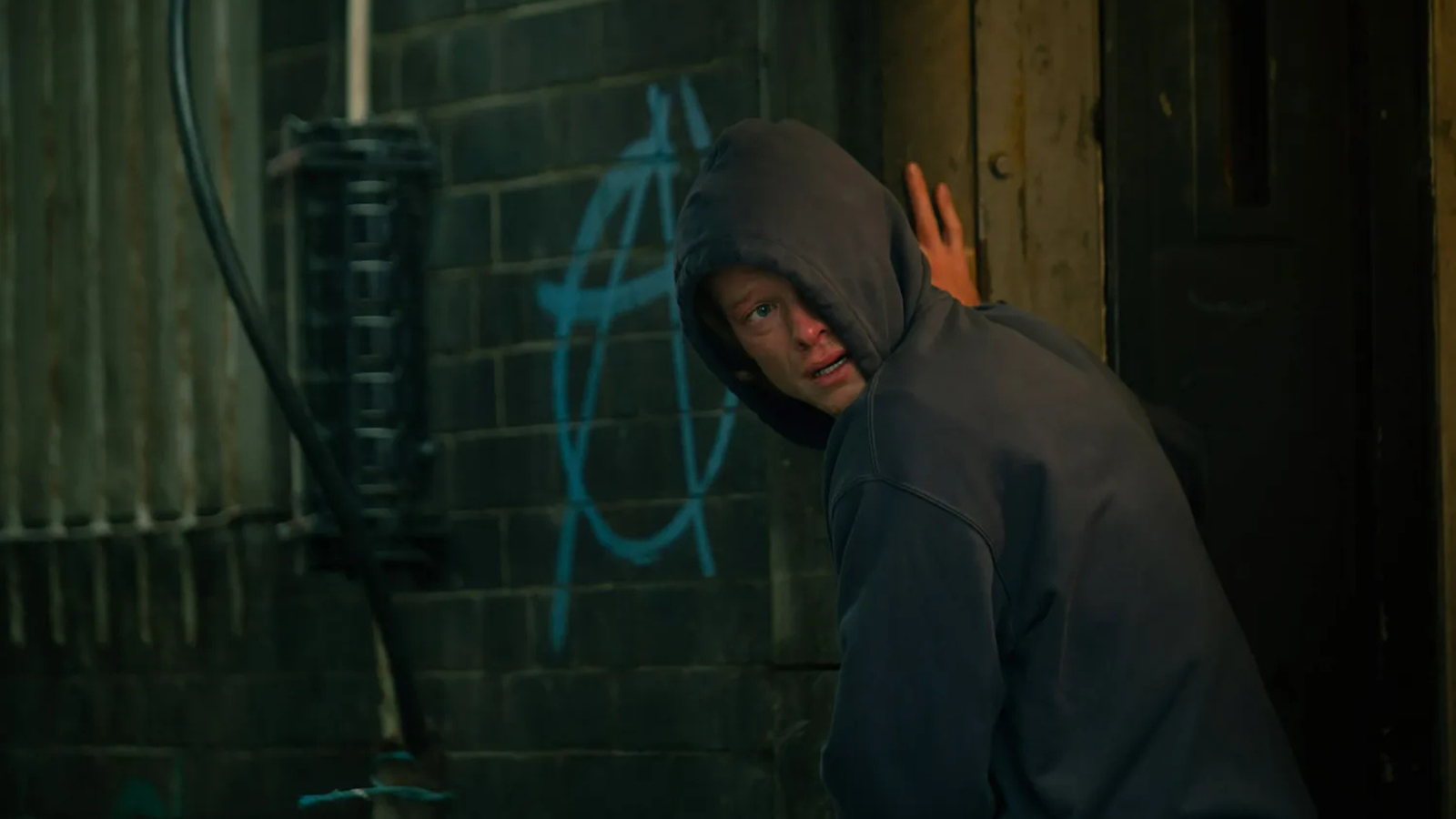
Credit: Parisa Taghizadeh/Warner Bros.
Credit: Parisa Taghizadeh/Warner Bros.
The final design drew from concept art, practical sculpts and multiple versions of Clayface across DC lore, with selected elements eventually handed to Framestore for the finished computer-generated image. As for the limitations, Watkins had none.
"No, I had free rein," the filmmaker revealed. "It was all on me," he told TechRadar about having referred to older Clayface designs. Watkins told EW. The face deliberately preserves Matt’s recognizable features on one side, while the other stretches his mouth, displaces his teeth and carries Clayface’s signature pale, orb-like eye.
But Clayface’s face is not simply a late-stage effects flourish; it draws on decades of reinvention across Batman’s sprawling world.
From Gotham’s shapeshifter to body horror
The divided face fits a character whose history has never been fixed to one origin. DC’s Clayface has appeared in several incarnations, including actor Basil Karlo and Matt Hagen, whose shapeshifting identity made him a recurring threat in Batman’s world. The 1992 Batman: The Animated Series storyline Feat of Clay particularly influenced writer Mike Flanagan, who envisioned a horror story shaped by tragedy as much as comic-book menace.
Clayface, reaping a hot start over on Rotten Tomatoes, follows Hagen, played by Tom Rhys Harries, after a mobster disfigures him and an experimental treatment restores his appearance by transforming his body. As the treatment spirals beyond control, the visual effects reflect his deteriorating sense of self a little too perfectly.

Credit: Parisa Taghizadeh/Warner Bros.
Credit: Parisa Taghizadeh/Warner Bros.
The project began with Flanagan’s pitch before Watkins took over directing, and it belongs to DC’s new cinematic universe rather than Matt Reeves’s separate The Batman continuity. This is not simply another villain waiting for Batman to arrive, but a body-horror tragedy built around what remains of Hagen when the face he wants back is no longer possible.
Have you watched Clayface yet? Let us know your thoughts in the comments .

Edited By: Hriddhi Maitra
