
‘Cape Fear’: Release Date, Cast, Plot, and Everything You Need To Know About the Apple TV+ Series
The shoreline has always been a place of reckoning in Cape Fear, not just a physical edge, but a psychological one. Apple TV+’s upcoming series leans into that idea with unnerving precision, stretching a familiar story into something colder, more contemporary, and far more intimate. This remake is a recalibration of dread, where justice feels porous and memory itself becomes unreliable.
What makes this version particularly compelling is the pedigree behind it. Developed by Nick Antosca and backed by executive producers like Steven Spielberg and Martin Scorsese, the series carries the weight of legacy while actively resisting it.
To uphold that very legacy, it becomes essential to be familiar with all the details about Cape Fear.
ADVERTISEMENT
Article continues below this ad
Release date for Cape Fear: A legacy reimagined
Unlike its predecessors, this Cape Fear unfolds as a 10-episode psychological descent rather than a tightly wound feature film. That shift in format allows the story to linger, to sit with discomfort, to dissect motives, and stretch tension until it feels almost unbearable. Set to premiere on June 5, 2026, with a weekly rollout, the series reintroduces audiences to a story rooted in John D. MacDonald’s The Executioners, but filtered through a distinctly modern lens.
There is also a deliberate recalibration in how the characters are positioned. Which brings us to the cast, arguably the show’s most strategic weapon.
Cape Fear’s cast: Built on precision
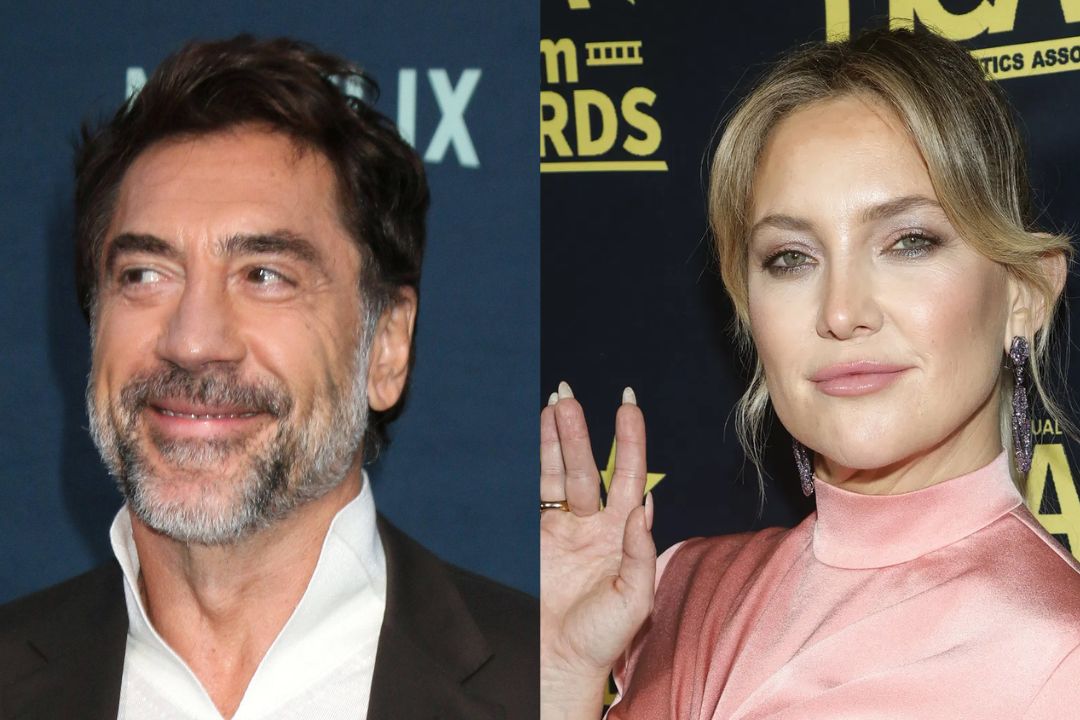
At the center is a trio, actors known for restraint, now pushed into psychological extremes. Ranging from Academy Award-winners to Man of Steel alumni and part-time paranormal investigators, Cape Fear has built itself a strong lineup of a psychologically tuned cast.
Javier Bardem as Max Cady: Bardem steps into a role immortalized by Robert De Niro, bringing with him the same unnerving stillness he deployed in No Country for Old Men. His Cady is methodical, almost philosophical, in his pursuit of revenge.
Amy Adams as Anna Bowden: Adams plays a defense attorney whose past decisions unravel her present. Known for Arrival and Sharp Objects, she thrives in roles where control slowly fractures.
Patrick Wilson as Tom Bowden: Wilson, familiar from The Conjuring universe, brings a quiet rigidity to Tom, a man who believes in order, even as it collapses around him.
CCH Pounder as Noa Toussaint: A commanding presence from The Shield and Avatar, Pounder adds institutional weight, suggesting the system itself may be complicit.
Anna Baryshnikov: Known for indie projects like Love Lies Bleeding, she represents the show’s younger, more volatile emotional axis.
Jamie Hector: Recognized from The Wire and Bosch, Hector brings a grounded intensity that often signals moral ambiguity.
Supporting players like Ron Perlman and Ted Levine further deepen the ensemble, both actors carrying associations with menace and authority that the series can weaponize.
But casting alone does not create tension, it amplifies what is already embedded in the story. And here, the narrative leans fully into obsession.
Revenge rewritten as psychological contagion
Cape Fear remains deceptively simple. Javier Bardem, who is also set to star in Dune Part 3, plays Max Cady, a convicted killer who is released from prison and begins systematically targeting the attorneys he believes betrayed him. But the series expands that premise into something more insidious. This is not just revenge; it is erosion. Cady destabilizes, infiltrates, and reframes reality for the Bowden family. Every interaction becomes a test of perception, every decision a potential misstep.
What is new here is the emphasis on complicity. The Bowdens are not portrayed as purely innocent; they are professionals who made choices, withheld information, and now must confront the ethical gray zones of their past. The storytelling also taps into a broader cultural fixation: true crime. The series positions Cady as a narrative, someone whose story gains power the more it is retold, distorted, and consumed.
ADVERTISEMENT
Article continues below this ad
That layer transforms the show from a personal vendetta into a commentary on how violence is mythologized in the modern age.
In the end, this Cape Fear does not ask whether justice will prevail, it questions whether justice ever even existed.
ADVERTISEMENT
Article continues below this ad
What do you think of this darker, long-form take on Cape Fear? Share your thoughts in the comments.
ADVERTISEMENT

Edited By: Adiba Nizami
More from Netflix Junkie on Hollywood News


ADVERTISEMENT