
Cannes Finds Itself at the Center of Hollywood’s AI Shift Despite Growing Backlash
via Imago
Credits: IMAGO / Starface
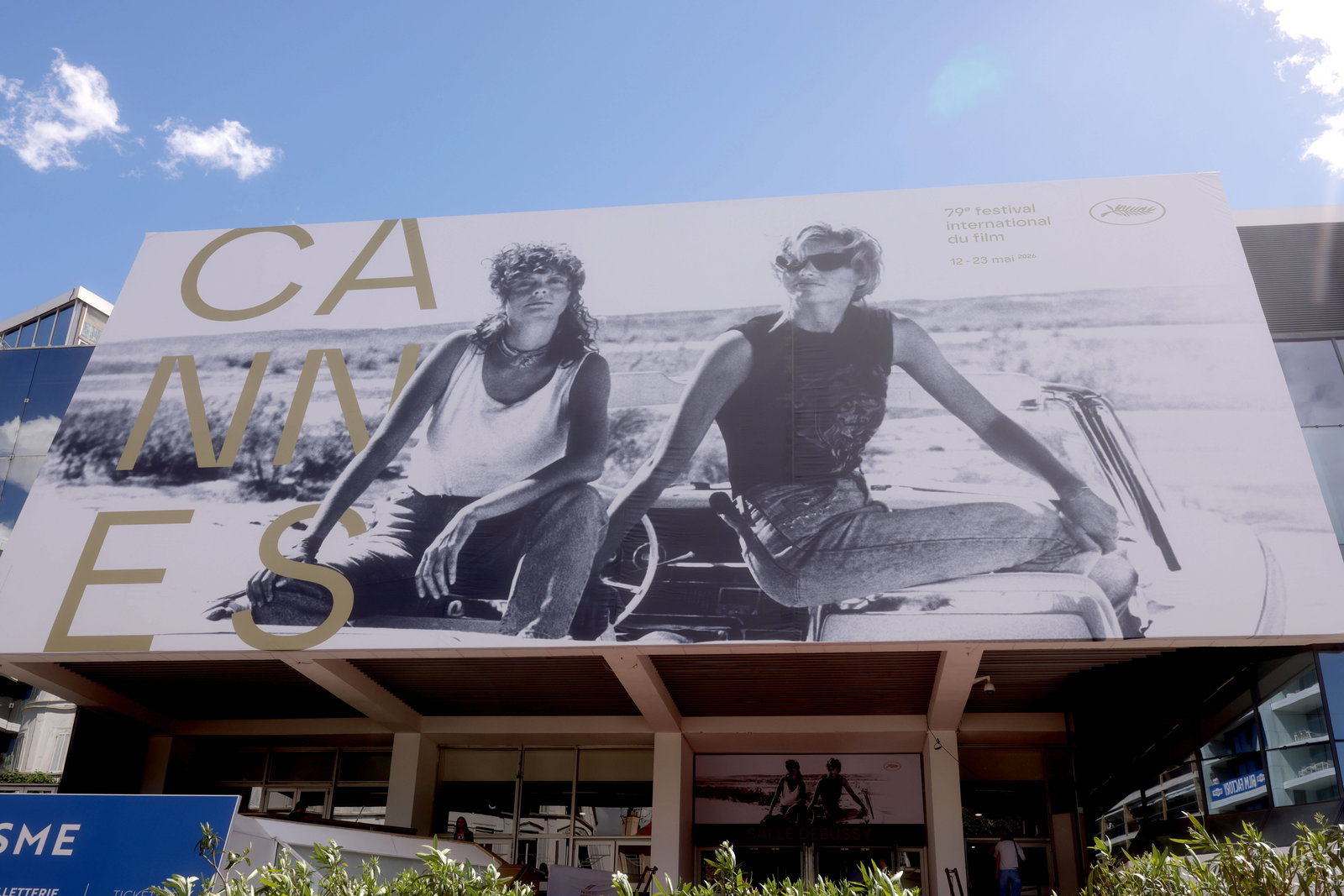
Artificial intelligence dominated conversations at the 2026 edition of the Cannes Film Festival, where filmmakers, actors, agents, and technology executives all arrived carrying sharply different visions of Hollywood’s future. Some treated AI as the next inevitable industrial revolution for cinema, while others framed it as a direct threat to authorship, labor, and artistic memory. Along the Croisette, the debate became impossible to escape.
The same festival that once revolved around studios chasing prestige auteurs suddenly felt like a summit for Silicon Valley power brokers wearing linen suits beside producers desperate to avoid becoming obsolete.
Cannes becomes Hollywood’s new AI marketplace
By the second weekend of the festival, one reality had become undeniable: AI companies had effectively replaced traditional studios as the loudest presence at Cannes. Industry observers noted that tech-backed gatherings dominated the social circuit, echoing the same takeover seen recently at the Met Gala party ecosystem. Behind closed doors, agents reportedly pursued aggressive conversations with AI firms despite months of public criticism from their own clients.
The contradiction was impossible to ignore. Earlier this year, stars including Scarlett Johansson and Cate Blanchett had joined hundreds of creatives in condemning AI systems for training on copyrighted work without permission. Actor Hannah Einbinder even dismissed AI creators as “not artists” during promotional interviews before Cannes. Yet inside the Palais, criticism became remarkably muted once the festival machinery started moving.
Still, amid all the algorithmic anxiety and corporate opportunism, the films that actually triumphed at Cannes told a completely different story. The winners were deeply human works obsessed with memory, grief, ideology, displacement, and emotional contradiction rather than synthetic spectacle.
The winning films reject artificial shortcuts
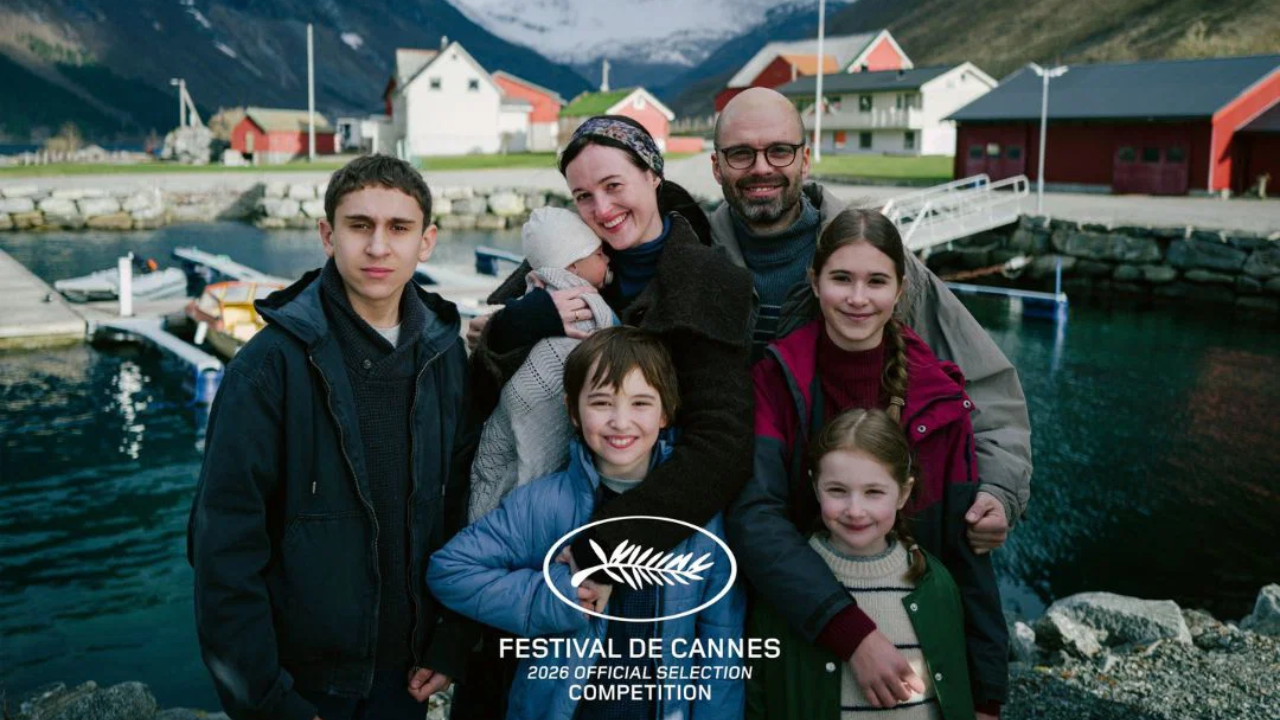
The Palme d’Or ultimately went to Cristian Mungiu’s Fjord, a morally dense drama set in Norway starring Sebastian Stan and Renate Reinsve. The film examined political polarization, religion, cultural alienation, and parental fear through painfully intimate character work. Andrey Zvyagintsev’s Minotaur, which won the Grand Prix, blended domestic collapse with reflections on the war in Ukraine.
The Dreamed Adventure earned the Jury Prize through quiet emotional storytelling, while Ryusuke Hamaguchi’s All of a Sudden secured acting wins for Virginie Efira and Tao Okamoto with its restrained exploration of emotional disconnection.
That contrast became the festival’s defining irony. While executives chased machine-learning partnerships over late-night rosé meetings at the Hôtel du Cap, the films receiving standing ovations inside the Grand Théâtre Lumière were the ones rooted in fragile human experience. Cannes may have become the center of Hollywood’s AI gold rush, but its artistic heartbeat still belonged to filmmakers telling stories no algorithm could fully replicate.
As Hollywood moves deeper into its AI era, Cannes 2026 may eventually be remembered as the moment the industry publicly split into two competing futures: one obsessed with automation, the other still fighting for the messy unpredictability of human storytelling.
What do you think about Hollywood’s growing relationship with AI? Share your take in the comments.

Edited By: Hriddhi Maitra
