
Cannes Film Festival: Netflix Director behind 'Under Paris' Showcases Growing Acceptance for AI in Films
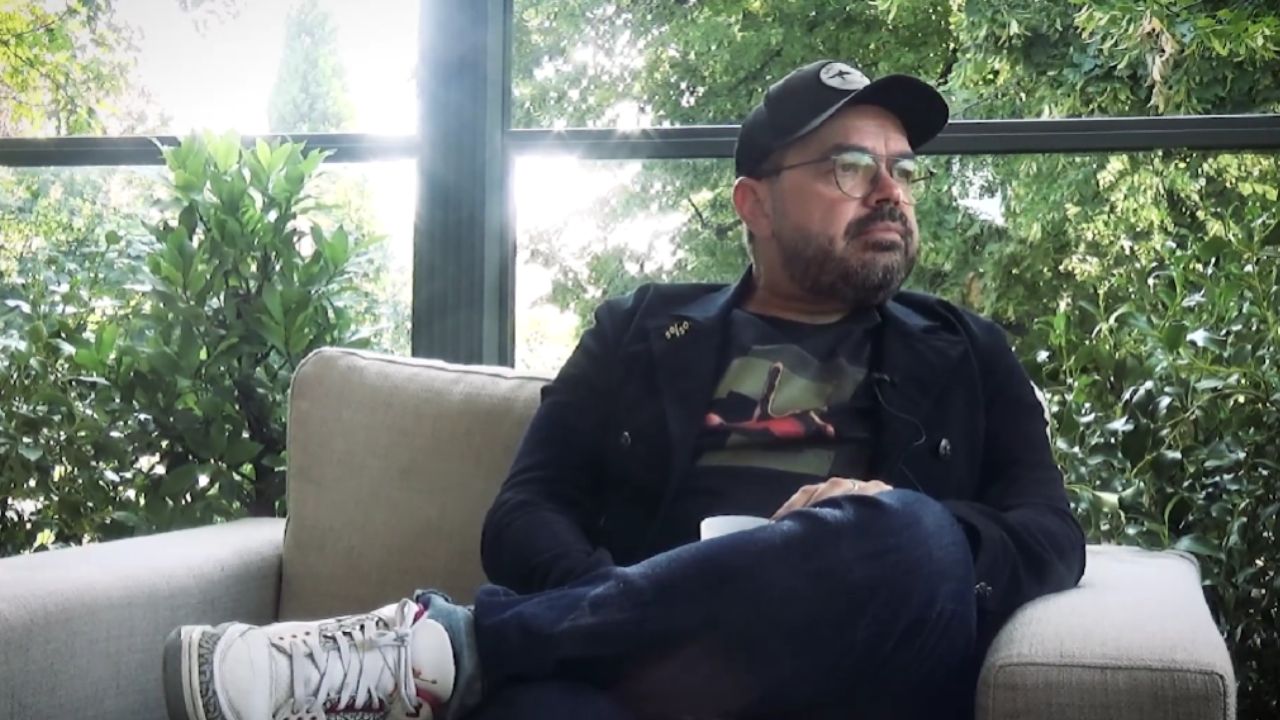
Credit: Let The Masters Speak 2: Xavier Gens on Farang/ Kinemotions via YouTube
Credit: Let The Masters Speak 2: Xavier Gens on Farang/ Kinemotions via YouTube
An unforeseen development has been seen at the Croisette, caused by a subtle support to the growing acceptance of AI inevitability from the director behind Netflix's 2025 horror film, Under Paris, Xavier Gens. Besides giving daring and raw cinema an important stage, the Cannes Film Festival 2026 has also become the grandstand for one of the most important debates in the world of filmmaking right now - the swift takeover of AI in the process of filmmaking.
The discourse is not something new; it has been simmering since the arrival of AI, but seldom have there been logically thought-out arguments given for or against the rapid AI takeover.
Under Paris director’s stance for AI in films
The French filmmaker of the upcoming Netflix movie Under Paris, Xavier Gens, told Reuters that thanks to developments in AI, he could have completed his 2024 blockbuster faster and with a significantly lower visual effects budget if he had made it now. He said that with AI, he could have finished the movie, which is about a big shark in the Seine, in three months as opposed to a year, and spend just two million euros on visual effects rather than four million.
"I would do it in three months instead of one year," Gens told Reuters on the sidelines of the Cannes Film Festival.
While certain participants voiced concerns about how AI would affect creative standards, many believe that time and money saved through AI are essential as the industry recovers from the COVID pandemic. After the first movie's lengthy post-production process, Gens is considering employing AI for his follow-up, Under Paris 2, for which he has shown hopes of releasing in 2027. Time-consuming jobs can be automated with AI, which is especially helpful for movies with a lot of visual effects.
The topic of conversation at the Cannes Film Festival has moved from whether or not AI should be used in filmmaking to how it may be applied with the intention of making the production process leaner. This significant shift indicates a silent acceptance of the AI incorporation in the art of filmmaking. Before this, the debate mainly focused on how the industry can fend off this AI attack, but now the narrative is slowly suggesting embracing it in the best way possible.
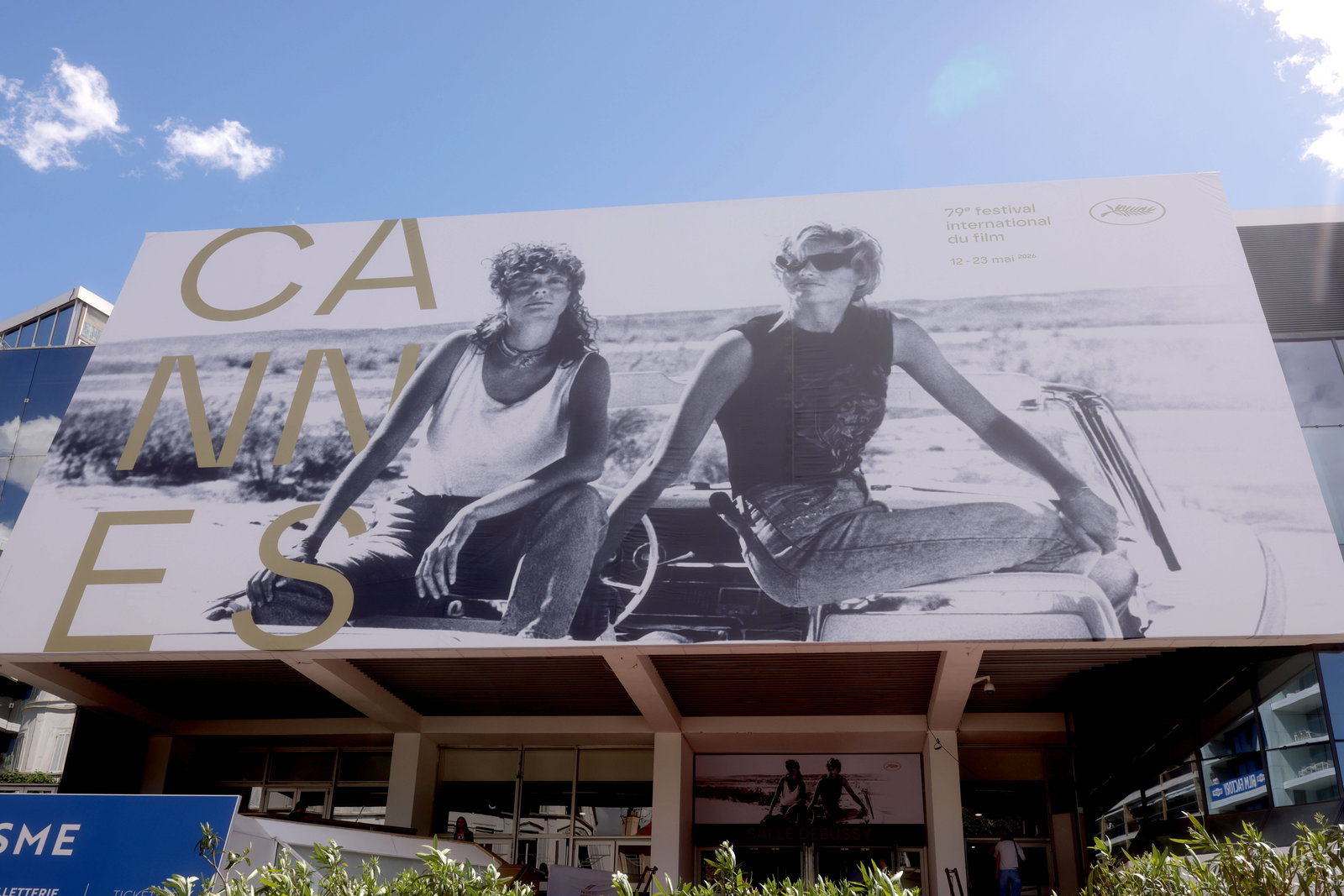
The shift from resistance to acceptance becomes more evident with the involvement of Meta in this year’s festival.
Meta - the official partner of Cannes Film Festival 2026
This year, Meta signed a multi-year contract to become an official festival partner, a hallmark of the digital age. Although it was not in competition, Steven Soderbergh's new documentary about John Lennon and Yoko Ono, John Lennon: The Last Interview, which was part of the festival's official selection, made use of Meta's AI tools.
While without officially prohibiting AI, Cannes organizers claim that films that rely heavily on generative AI are not eligible to compete for the Palme d'Or. That is generally consistent with the guidelines set forward by the Academy Awards recently, which stipulate that writing and acting must be done by people. However, Xavier Gens’ stance on the whole AI debate makes one think whether these rules will hold down the line, with the changing perspective on AI usage.
Do you agree with Xavier Gens? What are your thoughts on AI in films? Let us

Edited By: Adiba Nizami
