
Busan Film Festival Founder Kim Dong-Ho to Be Feted With Prestigious Korean Cinema Award
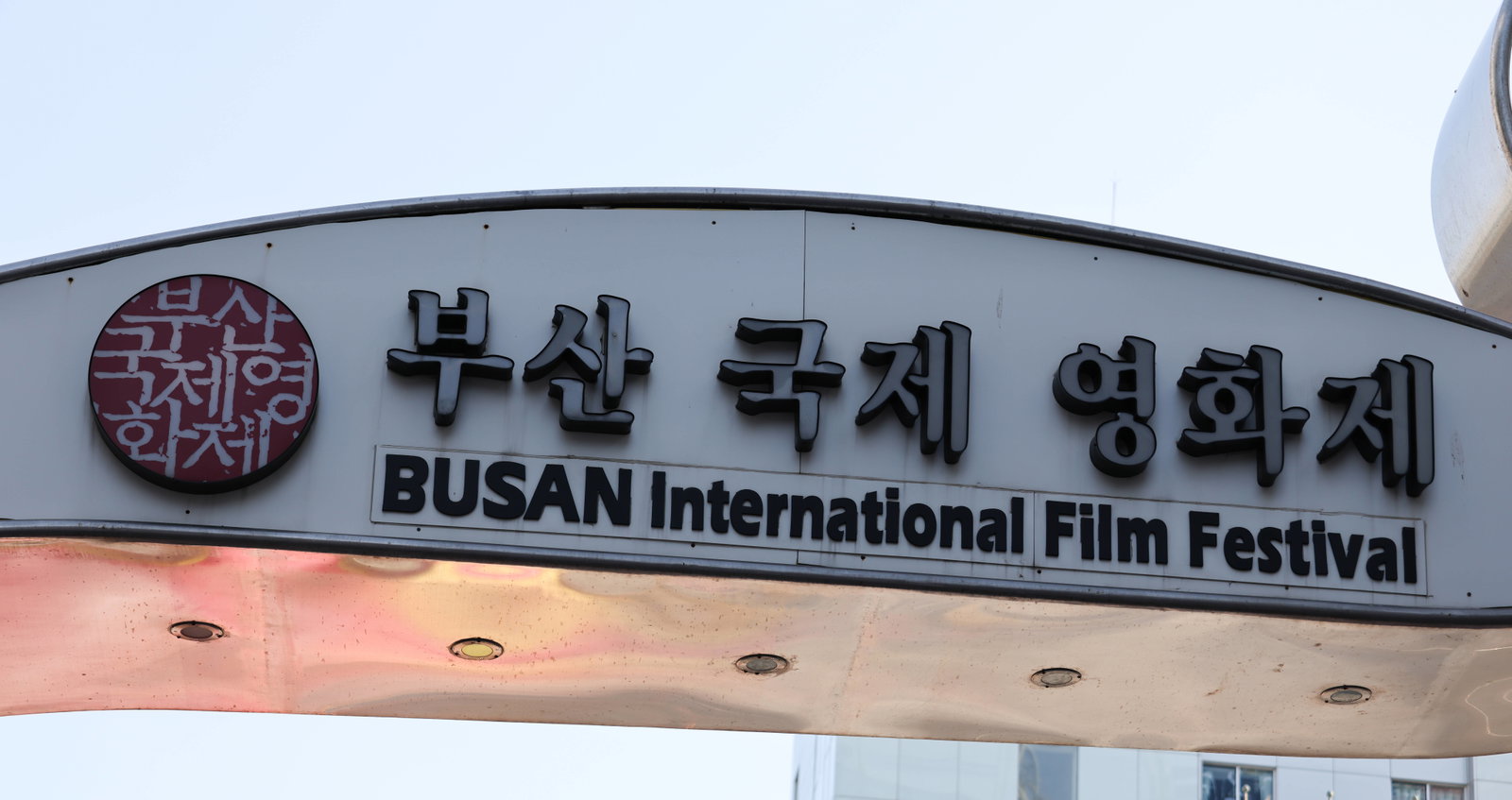
BUSAN, SÜDKOREA - 9. OKTOBER 2025 - Zeichen des Internationalen Filmfestivals Busan in Südkorea BUSAN, SOUTH KOREA - OCTOBER 9, 2025 - Busan International Film Festival sign displaying Korean and English text (License=RM) Copyright: xZoonar.com ÊrikxLattweinx 24177568
BUSAN, SÜDKOREA - 9. OKTOBER 2025 - Zeichen des Internationalen Filmfestivals Busan in Südkorea BUSAN, SOUTH KOREA - OCTOBER 9, 2025 - Busan International Film Festival sign displaying Korean and English text (License=RM) Copyright: xZoonar.com ÊrikxLattweinx 24177568
Standing as one of the most prestigious accolades in Asian cinema, the Korean Cinema Award, presented annually by the Busan International Film Festival (BIFF), serves far more than a simple ceremonial function. Recognizing industry leaders who have championed Korean storytelling on the global stage, the honor celebrates the vital cultural bridges connecting domestic artists to international audiences. More importantly, it underscores a resilient, ongoing fight for artistic freedom, institutional independence, and creative expression against a backdrop of historical censorship - honoring the fearless pioneers who shaped modern Korean cinema.
This time, BIFF has decided to present the coveted accolade to one of its own, founder Kim Dong-ho.
Kim Dong-ho to receive Korean Cinema Award in Busan
The 31st BIFF Korean Cinema Award is going to be presented to Kim Dong-ho, the festival director who founded the Busan International Film Festival. Kim's career began at the Ministry of Culture and Information, which is now the Ministry of Culture, Sports, and Tourism. He then held positions as vice minister of the Ministry of Culture from 1992 to 1993, founding president of the Seoul Arts Center, and president of the Korean Motion Picture Promotion Corporation, which is now known as the Korean Film Council.
Korean films were still frequently sent to government censors for pre-screening before public release when BIFF was established in 1996. Kim's refusal to subject the festival's schedule to that procedure solidified BIFF's autonomy, gained the confidence of regional filmmakers, and contributed to the transformation of a first-year event in a Korean port city into Asia's premier film exhibition.
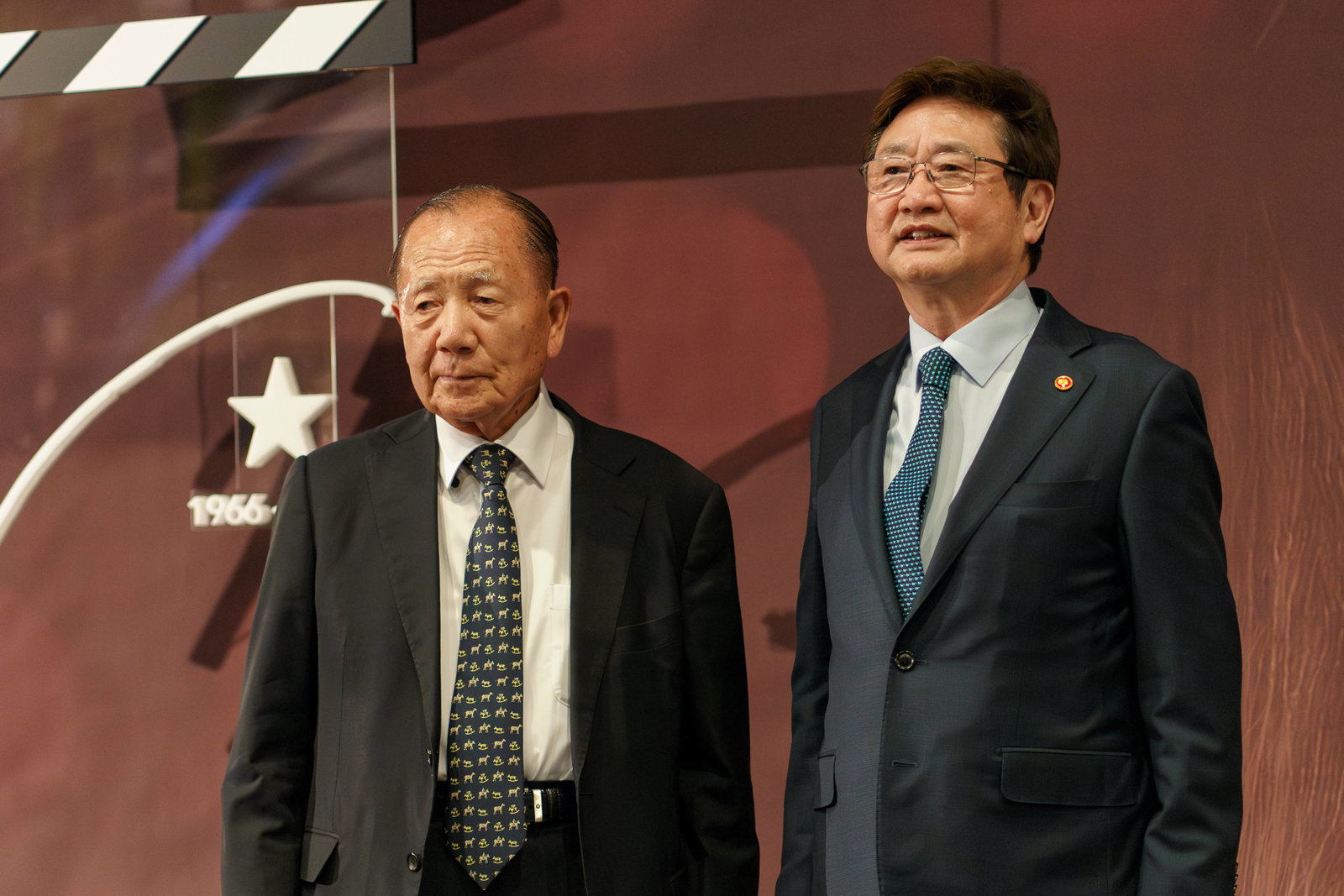
memorial exhibition for actress Kang Soo-yeon SEOUL, SOUTH KOREA, MAY 07: Chairperson of the Kang Soo-yeon Memorial Project Promotion Committee Kim Dong-ho, Minister of Culture, Sports and Tourism Park Bo-gyoon during memorial exhibition for actress Kang Soo-yeon at the MEGABOX in Seoul, South Korea, on May 07, 2023. Seoul the MEGABOX South Korea 7862_271500 Copyright: xStevexChoxKyewoong PentaxPressx
memorial exhibition for actress Kang Soo-yeon SEOUL, SOUTH KOREA, MAY 07: Chairperson of the Kang Soo-yeon Memorial Project Promotion Committee Kim Dong-ho, Minister of Culture, Sports and Tourism Park Bo-gyoon during memorial exhibition for actress Kang Soo-yeon at the MEGABOX in Seoul, South Korea, on May 07, 2023. Seoul the MEGABOX South Korea 7862_271500 Copyright: xStevexChoxKyewoong PentaxPressx
The festival served as a gathering place and breeding ground for the Korean filmmakers who would become global sensations in the early and mid-2000s, making a substantial contribution to the larger Korean cultural movement that is still going strong today. In the early days of BIFF, Kim brought with him a unique yet crucial set of abilities: a background as a bureaucrat and the intuition of a film enthusiast that helped the film festival achieve the status it enjoys today.
Even after stepping down as director, Kim Dong-ho continued to be active in the film industry.
Kim Dong-Ho's love for films still grows strong
In order to focus on developing future filmmakers and influencing cultural policy, Kim Dong-ho assumed the positions of dean at Dankook Graduate School of Cinematic Content and chair of the Presidential Committee for Cultural Enrichment and BIFF. Additionally, he has served as a jury president or member at several major festivals, such as Rotterdam, Fukuoka, and Cannes' Un Certain Regard strand.
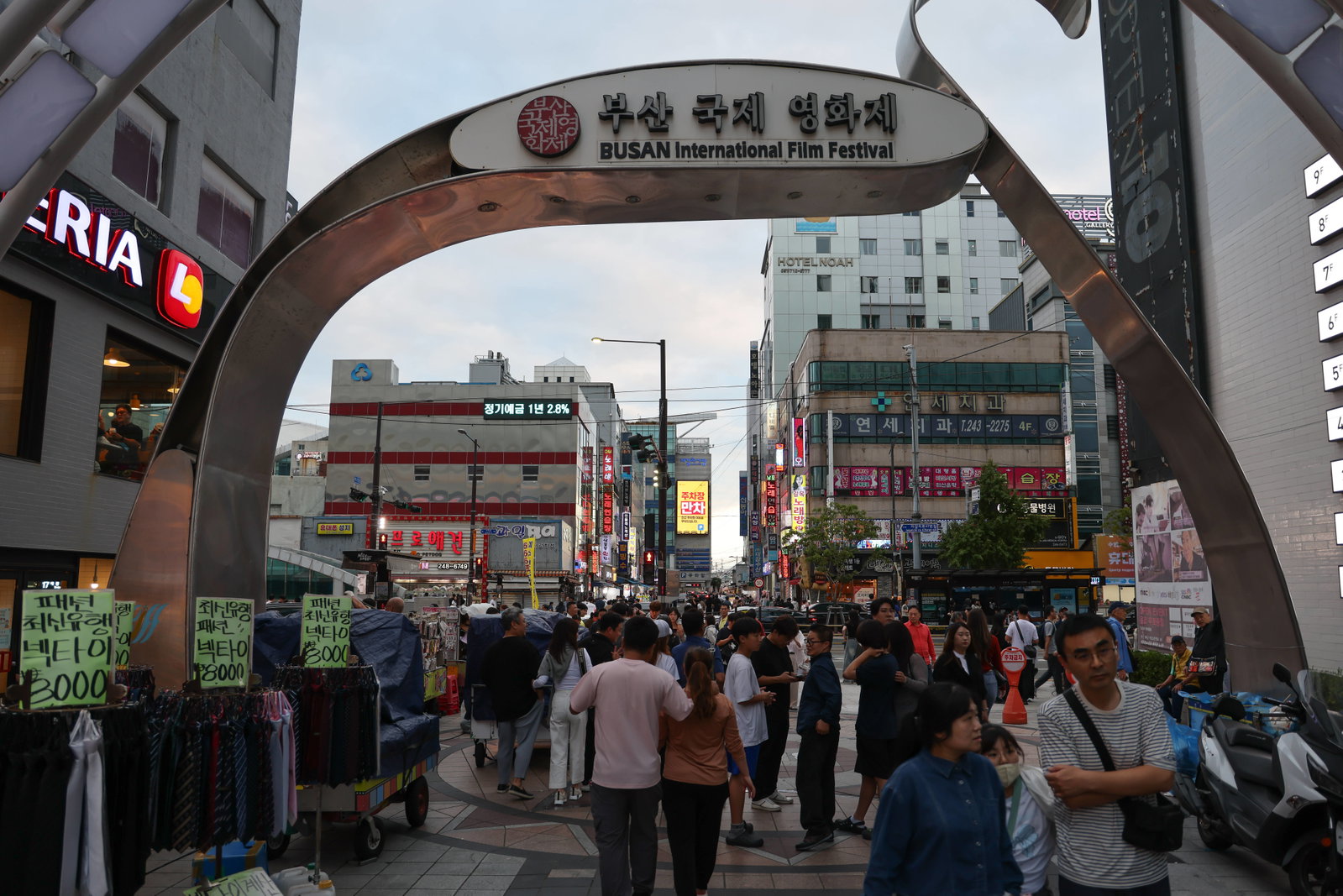
BUSAN, SÜDKOREA - 9. OKTOBER 2025 - Menschen gehen auf einer belebten Straße unter dem Bogen des Busan International Film Festival in Nampo dong BUSAN, SOUTH KOREA - OCTOBER 9, 2025 - People walking on a busy street under the Busan International Film Festival arch in Nampo dong (License=RM) Copyright: xZoonar.com ÊrikxLattweinx 24187208
BUSAN, SÜDKOREA - 9. OKTOBER 2025 - Menschen gehen auf einer belebten Straße unter dem Bogen des Busan International Film Festival in Nampo dong BUSAN, SOUTH KOREA - OCTOBER 9, 2025 - People walking on a busy street under the Busan International Film Festival arch in Nampo dong (License=RM) Copyright: xZoonar.com ÊrikxLattweinx 24187208
After retiring from festival administration, Kim continued to make his own movies. His 2024 documentary Walking in the Movies, which reflects on his career in film, was chosen for the Cannes Classics. After that, he collaborated with celebrated directors like Park Chan-wook, Bong Joon-ho, Lee Chang-dong, and Kore-eda Hirokazu on his feature film debut, Mr. Kim Goes to the Cinema (2025). The movie was shown at the 30th BIFF. Kim is still working behind the camera in his late 80s.

What do you think about Kim Dong-ho getting the Korean Cinema Award? Do let us know in the comments.

Edited By: Adiba Nizami
