
‘Boyhood’ Streaming Guide: Where Can You Watch the Returning Oscar-Winning Drama Online in 2026
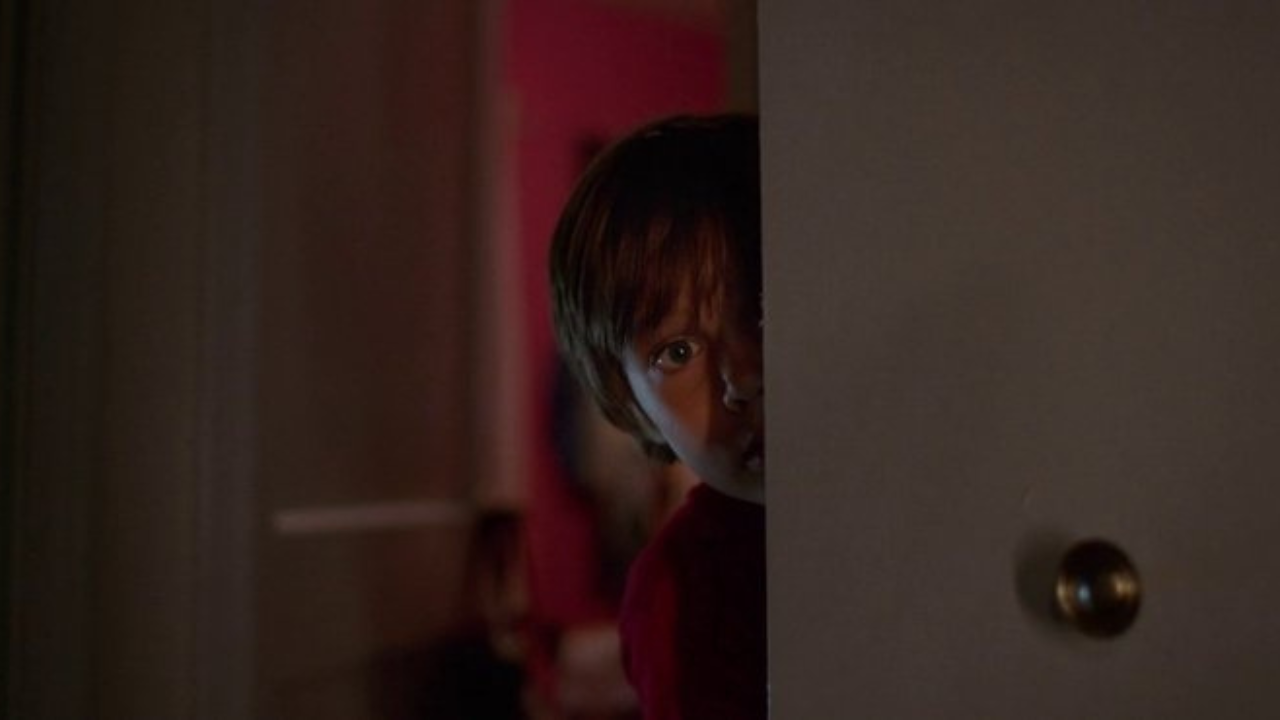
Credits: Boyhood/ @Gibboanxious via X/ Production - IFC Productions, Detour Filmproduction/ Distribution - IFC Films
Credits: Boyhood/ @Gibboanxious via X/ Production - IFC Productions, Detour Filmproduction/ Distribution - IFC Films
Richard Linklater has always filmed time the way other directors film action. In his hands, years drift by like clouds over a Texas sky, quiet yet transformative. He first invited audiences into that meditation with the Before trilogy, where love aged in real time across decades. Then, in 2014, he pushed the idea even further with Boyhood, a film that did not merely depict growing up but actually lived through it.
Now, twelve years after its original release, Boyhood returns to the big screen on July 18 at the Austin Film Society, with Ellar Coltrane and Ethan Hawke set to attend, bringing the film back to the city where its remarkable journey began. For those unable to make the pilgrimage to Austin, the film remains within reach, waiting patiently in the digital ether.
Where to watch Boyhood online in 2026
Boyhood is readily available across several major streaming services in the United States. Subscribers can watch the film on Hulu, Netflix, and Disney+, with plans beginning at $11.99 per month. The film is also available through specialty platforms such as The Criterion Channel and MUBI, while viewers seeking a free option can find it through ad supported services like Kanopy. For those who prefer ownership, digital rentals start at $5.99 on Prime Video and Apple TV, while purchases begin at $19.99.
Filmed over twelve years with the same cast, Boyhood follows Mason, played by Ellar Coltrane, from childhood into early adulthood. Alongside Ethan Hawke as his father, Patricia Arquette as his mother, and Lorelei Linklater as his sister Samantha, the film transforms ordinary milestones into something quietly profound. Road trips, family dinners, awkward first loves, graduations, and countless seemingly insignificant moments accumulate like memories in a scrapbook.
The miracle of Boyhood is not simply what appears on screen. It is how the film came into existence. Like a tree growing ring by ring, year after year, it was shaped by patience, trust, and a filmmaker's unwavering belief that time could be cinema's greatest special effect.
How Richard Linklater turned time into the star of Boyhood
The story began in 2001 when Richard Linklater shared an audacious idea with Ethan Hawke in a New York café. He wanted to make a film about childhood, but rather than compress years through makeup or recasting, he would shoot a little each year across an actor's entire boyhood. Hawke immediately signed on, like he always does with Linklater. What came next was one of the most unusual productions in film history, stretching across 4,207 days and demanding a level of commitment almost unheard of in modern filmmaking.
There is a fascinating lineage to Linklater's experiment. Decades earlier, French New Wave filmmaker François Truffaut chronicled the life of Jean-Pierre Léaud across five films, beginning with The 400 Blows and concluding with Love on the Run. Audiences watched Léaud mature over twenty years and multiple chapters. Linklater accomplished something equally ambitious within a single feature.
Speaking to The New York Times back in 2014, he explained the philosophy behind the project with remarkable simplicity: "Time is the lead character." Even the title carries literary roots, borrowed from Leo Tolstoy's novel Boyhood.
More than a decade after its release, Boyhood remains one of cinema's most moving reflections on growing up and letting time do what it always does. It reminds us that life rarely announces its most important moments. They simply happen, quietly, while we are busy moving forward.
Have you revisited Boyhood recently, or will this anniversary re-release be your return trip? Share your take in the comments.

Edited By: Hriddhi Maitra
