
Interview: 'André Is an Idiot's Tony Benna and Lee Einhorn Talk Friendship, Shocks, and Death Yells Behind Their Powerful Documentary
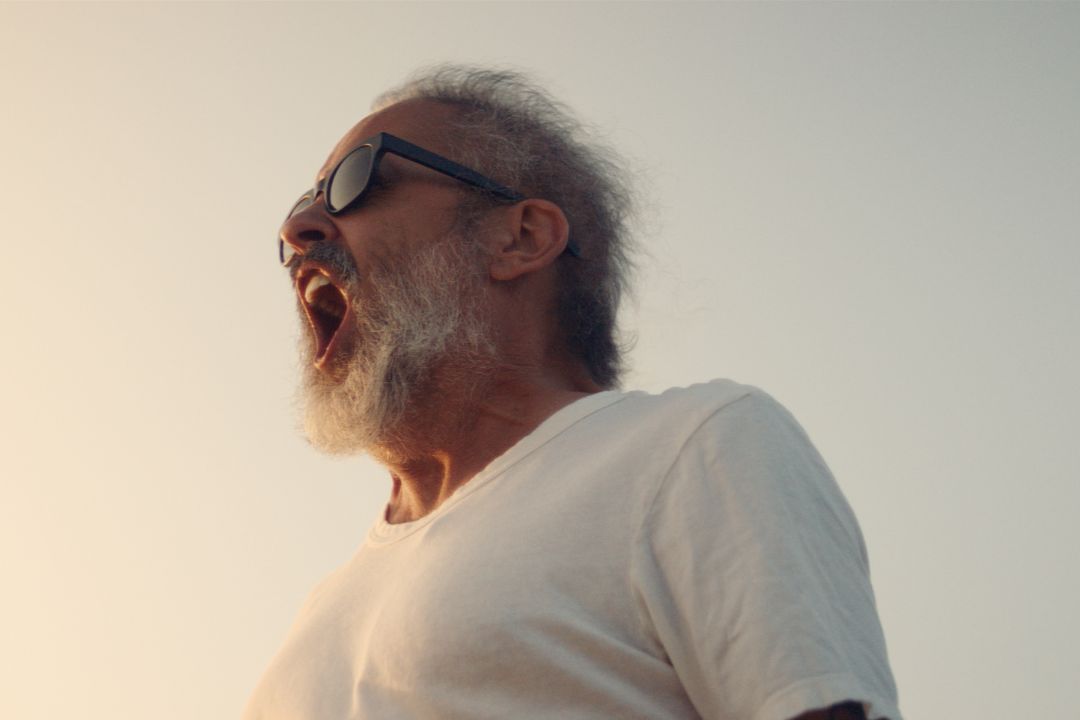
André Is an Idiot is a hilariously frightening movie about an ad man’s sort of a big fight against his own death. An Audience Award: US Documentary, as well as the Jonathan Oppenheim Editing Award: US Documentary winner at the prestigious Sundance Film Festival (2025); the film takes no time to prove why exactly it has caught the attention of each and everyone who got the chance to see it. Bringing together the feeling and realities of an impending death with a sense of humor that can be described best as resilient, this documentary is like a PSA to get a colonoscopy from one of your wildest friends.
In a conversation with NetflixJunkie, director Tony Benna and Executive Producer/Co-Subject of the film, Lee Einhorn, dove further into their friend André Riccardi’s life and how they came to make this amazingly hilarious documentary about a subject that is the farthest thing from funny.
Manorath Thacker: I need to ask you guys this right off the bat. When André approached both of you with the idea to make a comedy about his terminal illness, what were your earliest concerns, creative, ethical, or logistical, and how did you address them before committing?
ADVERTISEMENT
Article continues below this ad
Tony Benna: I mean, jumping into a project like that—any project with André—was always a risk, let alone a project about his cancer. When he had mentioned that he wanted it to be a comedy, obviously, that was a shock, because it's like, how do you make a subject like this funny? I think my first reaction, though, was: cancer is not funny. But André is one of the most hilarious people you'll ever meet. And I think you feel that in the film. You'll find that in the film when you meet him. And yeah, I guess that was sort of my first take on it.
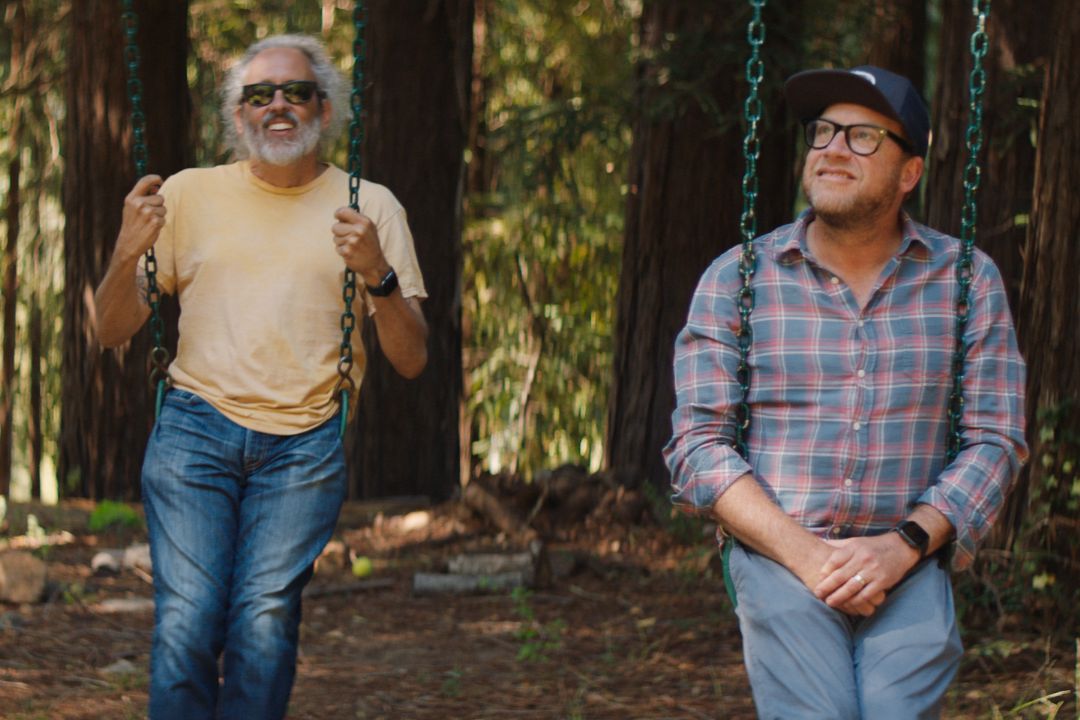
Lee Einhorn: Yeah. I mean, I think the shock of hearing that our good friend—my good friend—had cancer was the first thing. And I think I was in a state of just saying yes to what he wanted. You know, if you knew André, it didn't seem that outrageous that he would be asking something like that. I'm sure you got to know him a little bit through the film. So, while for most people this would seem like a shocking question from someone, when it's André, it didn't really seem as shocking as it would from someone else.
Tony Benna: Yeah. And I'll add one last quote: it was an honor to be asked to be part of this project. And, you know, we felt like it was sort of his dying wish to make art with us. And so you can't really say no to that.
Manorath Thacker: You definitely cannot. So, your film balances irreverent humor with brutal honesty about terminal illness. How did you determine the tonal blueprint from the start, and what frameworks did you use to ensure neither comedy nor emotional depth overshadowed the other?
Tony Benna: I mean, André was irreverent — a very irreverent human. You can tell in the film. You know, he got married for a green card wedding. He said he bought his first house without ever stepping foot into it. He joined—he started a career he knew nothing about. I think he lived irreverently, and he died irreverently. But to be, to make it honest, you know, André was also one of the most openly open and vulnerable people, because he would use humor to just let you know everything going on with him. So, really, the choice to make it irreverent and honest just came from the subject.
Lee Einhorn: Yeah, I think we like to say that we weren't ever making a movie about cancer. We were making a movie about André. So I think his irrelevance is what dictated the tone of the film. Yeah.
Tony Benna: He just happened to have cancer during the filming of our movie. That's the way we describe it.
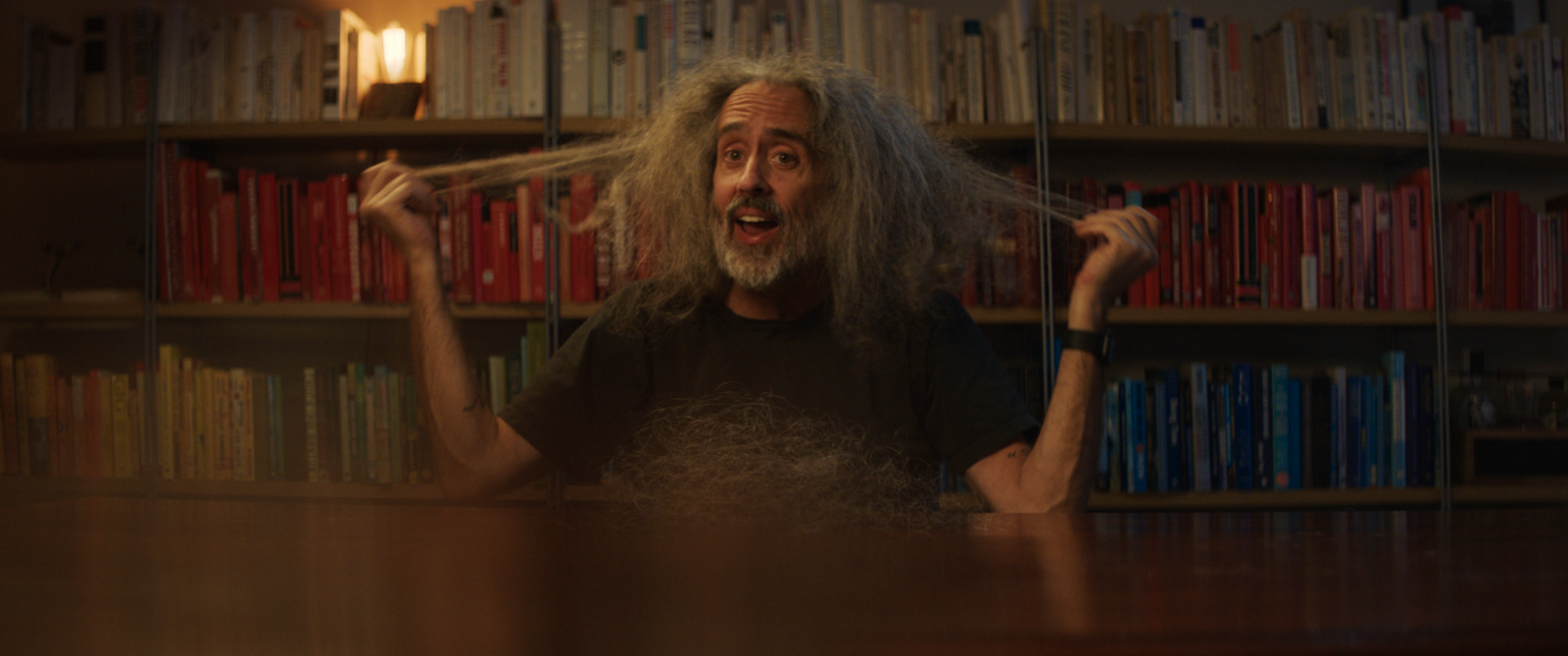
Manorath Thacker: That is actually a really great way to look at it. So, in scenes confronting physical decay and family interactions, how did you approach visual grammar, camera movement, framing, and pacing to communicate psychological and emotional states effectively?
Tony Benna: I mean, I would say that, you know— well, the first year we were filming André, we weren't sure he wanted his family involved. But that film was just a very irreverent, chaotic, comedic André show. And I knew pretty quickly that we needed other voices. And also, just seeing Janice and the girls and what they were going through, it just seemed like we had to document that. I wanted to document the therapist. I wanted to dive deeper. And André reluctantly allowed us to, and we did. And I think that's what makes the film, you know, work in a lot of ways — is that you get to see, from different people's perspectives, how they're dealing with what's going on in André's life.
As far as us, I mean, you know, we were behind — there's sometimes a comfort of being behind the lens, where you feel a little bit of a detachment. And I sort of leaned into that when things were hard — of I'm going to hide behind the lens a little bit and just look at this like a movie. Because sometimes, if you — you know, if I approached it any differently, it would be too emotional for me or too hard. Yeah. But, you know, there were also a lot of times that we were filming that just felt like friends hanging out, making art. That was some of the best days of my life.
Lee Einhorn: And I think André silently sort of helped guide us as to what was appropriate to shoot or not shoot, and when we should back off a little bit and find a little bit more delicate of an approach with the camera as well. So, you know, and being good friends with him, and both of us working with him forever, you know, I think we were able to read that a little bit as filmmakers.
Tony Benna: Yeah, we had a respect for André, you know. And if, for example, if he wasn't telling the girls everything that's going on with his cancer, I wasn't going to interview them and let them know all the details. Right. So yeah, just a basic respect for the information I was picking up along the way, you know, making sure that I was using it appropriately.
Lee Einhorn: I think it was still our job to gently push things in a direction we wanted, you know, if we saw something we wanted to get. But I think it was, you know, very subtle how we got there.
Manorath Thacker: And that's how friends do it.
Lee Einhorn: Yeah, right? Exactly. Yeah. And I think — I think you hit on it. It's like, because we were all friends, we were able to kind of accomplish this in a different way than if we had never known the subject before.
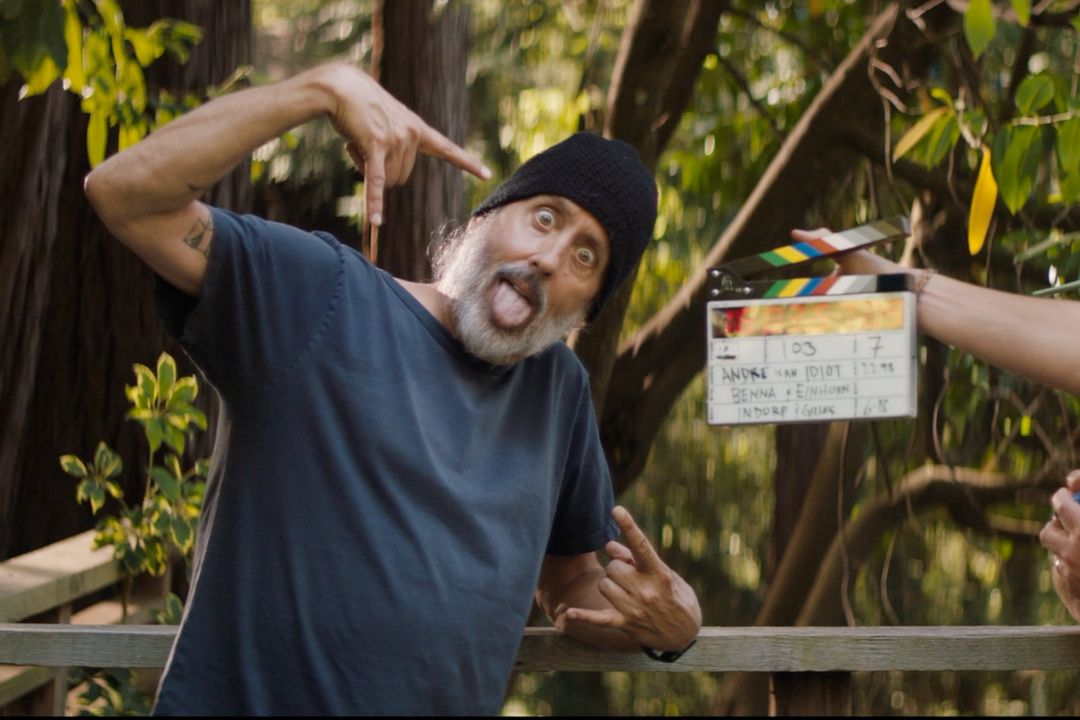
Manorath Thacker: Yep, definitely. And since you brought up, you know, your desire to get the therapist on the movie, to get, let's say, his kids on the movie, I do need to tell you that actually, like, the scene where he talks to his therapist on the phone, while the cat is, you know, going around on his chest — that is actually one of my favorite scenes in the movie. Like, the way it hits you, at the moment it hits you, it's — yeah.Lee Einhorn: Well, that's all the masterful editing of Tony Bennett right here. But yeah, that is the scene. I mean, you're — you're picking the right one. I mean, that is where sort of the thesis of the film comes out, you know. And it makes sense. It's André with the person that he probably talked to the most in the world, you know, at one point, about his inner feelings. And Peter — Peter the therapist — was really the guide for us there, as to sort of figuring out maybe where the rest of the film was going to go.
Tony Benna: Yeah, Peter was the André Wrangler, in a way. You know, he gave us the thesis. And I think the thesis really became that André — André was vulnerable, he was open, but he used a lot of humor to sort of get through things that were hard. And I think that what Peter helped André do is to become truly vulnerable in all emotions, you know — not just his irreverent humor, but through sadness, et cetera.
Manorath Thacker: Yep. So, since you brought up the editing part that comes into the movie, I wanted to ask: since the documentary unfolds over many years of time, you know, there are real-life events, and you cannot really script real-life events. There is no way to know how this moment will turn out in the next two minutes. So, how did you approach structuring the film's narrative? Were there any moments in his life that, you know, became anchors or pivots in the edit when you sat down with the movie?
Tony Benna: The choice in the edit was—well, first off, I wanted to keep it fast paced, because that's the way André spoke. That's the way he lived. He was Italian. He was a New Yorker. And I wanted you to feel that energy. And, you know, so Act One is definitely rapid fire. And then I wanted you to have those quieter moments, though, too, of reflection when things got a little heavier. And so I really edited the film to mimic the emotional roller coaster that we were on for those three and a half years. And I think it does a really good job of doing that. You know, we had a lot of hope, a lot of fun, a lot of laughs, but there was always little bits of moments of fear or drama that, you know, we'd be sad. But then André would bring us back up, and we'd be having a great time. And so the edit is really a reflection of the journey we were all on emotionally. I wanted the audience to feel that.
Lee Einhorn: Yeah, I agree.
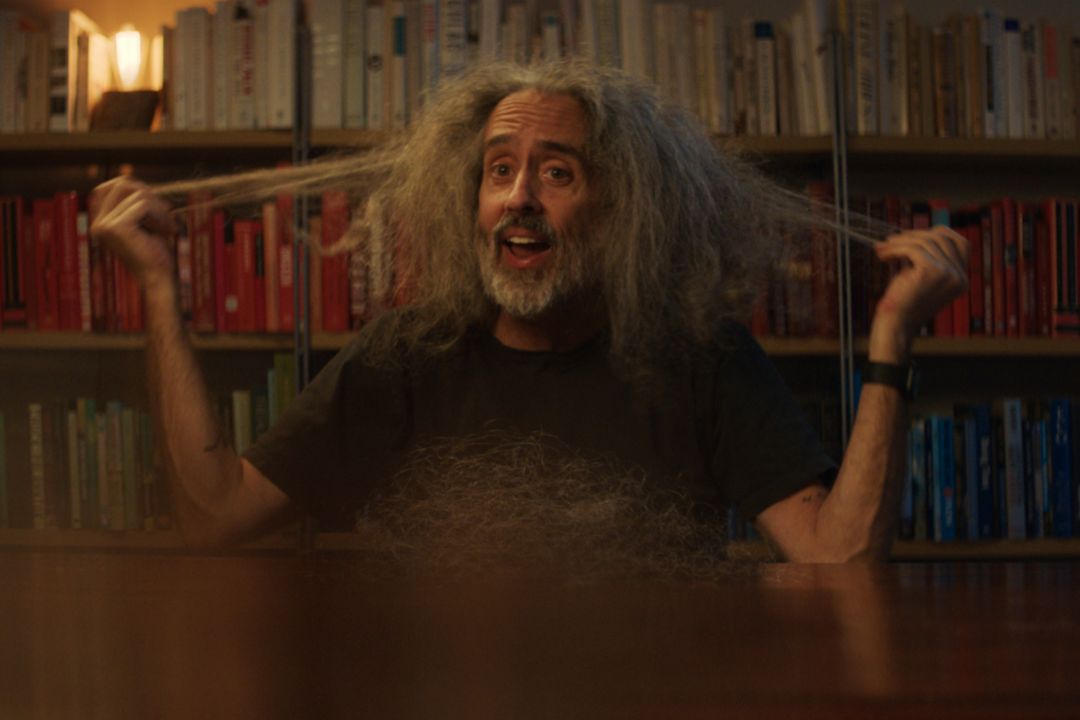
Manorath Thacker: One last question I want to ask you guys is, if given the chance to record, what would be your death yell?
ADVERTISEMENT
Article continues below this ad
Lee Einhorn: Well, I failed at my death yell. There was a point where we were in the desert filming, and I got on a dirt bike, and I immediately crashed and tore my ACL in my knee. And apparently my death yell was like—it was very whiny and sad. And then everybody made fun of me for not having a good death yell. But I don't know.
Tony Benna: I think we need to go practice our death yells again. Yeah, I think we need more practice. André took all the good ones. You know, every now and then I'll be walking down the street in San Francisco or, you know, something, and I'll hear someone yelling something like a profanity, and I think people are practicing all around the city. And it reminds me I'd better start practicing my death yell as well. Yeah. But I don't have one. I need to get one locked in. Yeah. I got to start practicing.
ADVERTISEMENT
Article continues below this ad
André Is an Idiot is now playing in theatres near you. Please let us know how you like the film and also your death yells in the comments!
ADVERTISEMENT

Edited By: Adiba Nizami
ADVERTISEMENT
ADVERTISEMENT
